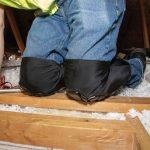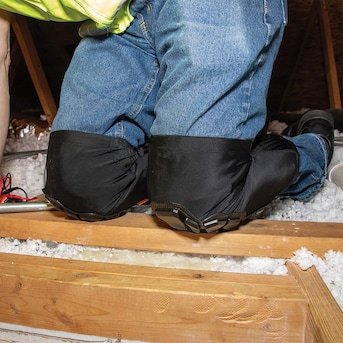
If you spend time working on flooring projects, you know how hard it can be on your knees. Knee pads can make a huge difference, but only if you use them the right way.
You’ll discover simple tips that help you protect your knees, stay comfortable, and get your job done faster. Keep reading to learn how the right knee pad habits can save you pain and boost your productivity on every flooring project.
Choosing The Right Knee Pads
Using knee pads is important for comfort and safety during flooring projects. Choosing the right pair helps protect your knees better.
Not all knee pads are the same. You should think about material, size, and padding thickness before buying.
Material Types
Knee pads come in different materials. The material affects comfort, durability, and grip.
Common materials include foam, gel, and rubber. Foam is light but less durable. Gel offers good comfort and absorbs shock. Rubber provides good grip and protection.
- Foam: lightweight and soft
- Gel: comfortable and shock-absorbing
- Rubber: durable and slip-resistant
Size And Fit
Knee pads must fit well to work properly. Too tight or loose pads can cause discomfort or fall off.
Check the size charts before buying. Adjustable straps help get a better fit. Make sure the knee pads stay in place when you move.
- Measure your knee area first
- Look for adjustable straps
- Try them on to check comfort
Padding Thickness
Padding thickness affects how well knee pads protect your knees. Thicker padding offers more comfort but can be bulky.
Thin padding is lighter and good for short jobs. Thick padding is better for long projects or hard surfaces. Choose padding based on your needs.
- Thin padding: light and flexible
- Medium padding: balance of comfort and size
- Thick padding: maximum protection and comfort
Preparing Your Knees
Using knee pads helps protect your knees during flooring projects. Preparing your knees before work keeps them safe and comfortable.
Simple steps can reduce pain and prevent injury. Focus on stretching, protecting your skin, and warming up properly.
Stretching Exercises
Stretching loosens your knee muscles and joints. This lowers stiffness and improves movement during work.
- Bend your knee gently and hold for 10 seconds.
- Straighten your leg and hold for 10 seconds.
- Do ankle circles to increase blood flow.
- Repeat each exercise 3 times before starting work.
Skin Protection
Protect your skin under the knee pads to avoid irritation. Clean and dry skin prevents rashes and blisters.
| Tip | Reason |
|---|---|
| Wear moisture-wicking socks | Keeps skin dry and comfortable |
| Apply a thin layer of barrier cream | Prevents chafing and redness |
| Check for cuts or wounds | Avoids infections under pads |
Warm-up Techniques
Warming up increases blood flow to your knees. This reduces risk of injury and prepares your muscles.
Try this warm-up routine before kneeling:
- March in place for 2 minutes
- Do slow knee bends 10 times
- Stretch your calves and thighs
- Wear your knee pads properly before starting
Proper Wearing Techniques
Wearing knee pads correctly helps protect your knees during flooring projects. It also makes your work more comfortable and safe.
This guide shows simple tips on how to wear knee pads properly. Follow these to get the best support and fit.
Strap Adjustment
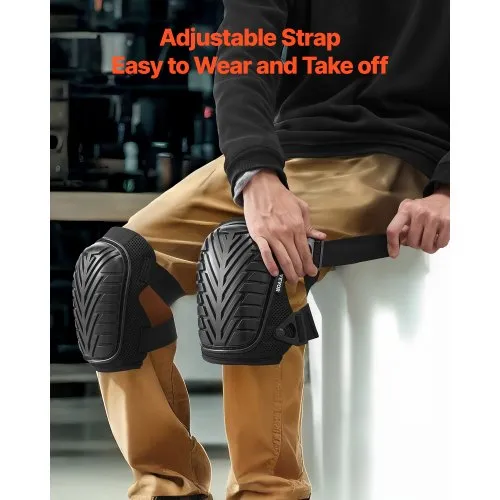
Adjust the straps to fit your knees snugly but not too tight. Loose straps can cause slipping, while tight straps may cut off circulation.
- Place the knee pad over your knee cap.
- Pull the straps evenly on both sides.
- Secure the straps so the pad stays in place without pain.
- Check that you can still bend your knee freely.
Positioning For Support
Position the knee pads so they cover the front and sides of your knee. This helps protect from hard surfaces and uneven floors.
| Position | Purpose |
| Center over kneecap | Protects the main impact area |
| Cover sides of knee | Prevents side bumps and scrapes |
| Low on shin | Supports knee bending |
Securing For Movement
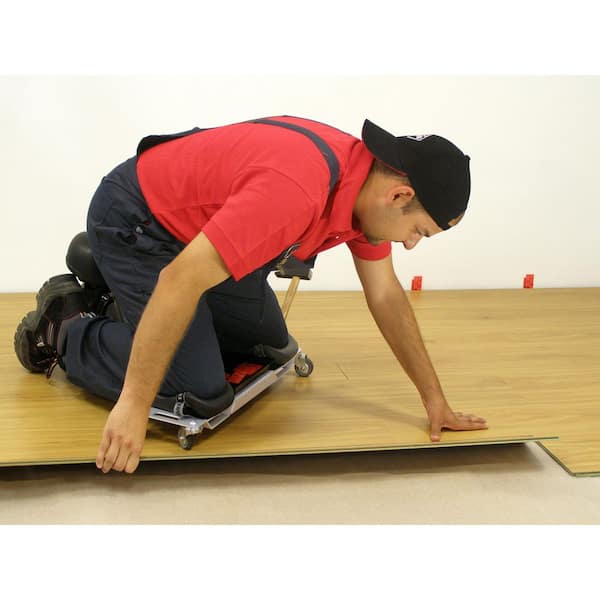
Make sure the knee pads stay secure as you move. This keeps your knees safe while you kneel, crawl, or walk.
Tips to keep knee pads secure:
- Check straps regularly during work.
- Use non-slip pads if your knee pads slide too much.
- Choose pads with adjustable straps for better fit.
- Wear knee pads with padding that matches your work surface.
Credit: www.vevor.com
Maintaining Comfort During Use
Using knee pads for flooring projects helps protect your knees. Comfort matters to keep working longer and avoid pain.
Focus on tips that reduce pressure, control moisture, and give your knees rest. This guide shows simple ways to stay comfortable.
Taking Regular Breaks
Stop working every 30 to 45 minutes to relieve knee pressure. Short breaks improve blood flow and reduce stiffness.
- Stand up and stretch your legs and knees.
- Walk around to increase circulation.
- Remove knee pads to let your skin breathe.
- Check your knees for redness or soreness.
Moisture Management
Sweat buildup inside knee pads can cause discomfort and skin issues. Keeping dry helps prevent irritation and slipping.
| Tip | How to Do It |
| Wear moisture-wicking socks | Choose socks made of synthetic fibers |
| Use knee pads with breathable fabric | Look for mesh or vented designs |
| Take off pads during breaks | Allow air to dry skin and pads |
| Clean pads regularly | Follow washing instructions to remove sweat |
Avoiding Pressure Points
Pressure points cause pain and discomfort under the knee pads. Adjusting fit and padding helps reduce these spots.
- Choose knee pads with thick, even padding.
- Adjust straps to fit snugly but not too tight.
- Place pads so the softest part covers the kneecap.
- Replace worn-out pads to keep support strong.
Caring For Your Knee Pads
Good care keeps your knee pads safe and comfortable. It also helps them last longer. Learn how to clean, store, and know when to replace them.
Taking simple steps can protect your knee pads from wear and tear. These tips fit any flooring project.
Cleaning Methods
Keep your knee pads fresh by cleaning them after each use. Dirt and sweat can damage the material over time.
- Use a soft brush to remove loose dirt.
- Wipe the surface with a damp cloth and mild soap.
- Let them air dry completely before storing.
- Avoid harsh chemicals or machine washing.
Storage Tips
Proper storage keeps knee pads in good shape. Store them in a dry place away from sunlight and heat.
| Storage Tip | Reason |
| Keep away from direct sunlight | Prevents material from cracking |
| Store in a cool, dry area | Reduces moisture buildup |
| Hang or lay flat | Maintains shape and padding |
| Use a breathable bag | Allows air circulation |
When To Replace
Check your knee pads often to know when to replace them. Worn pads do not protect well and can cause pain.
- Look for cracks or tears in the padding.
- Notice if the straps are loose or broken.
- Replace if the pads feel hard or less cushioned.
- Change pads after heavy use or damage.
Credit: www.homedepot.com
Enhancing Knee Protection
Knee pads are vital for comfort and safety during flooring projects. They help reduce pressure on your knees.
Using the right techniques can improve knee pad protection and extend their life. This guide covers key tips.
Using Additional Supports
Adding supports like straps or braces can keep knee pads in place. This stops slipping and adds stability.
Extra supports reduce strain by spreading weight evenly. They also protect the knee from sideways pressure.
Layering Techniques
Layering knee pads with soft liners helps cushion the knees. This lowers impact and prevents bruising.
- Start with a moisture-wicking liner to keep skin dry
- Use foam padding for extra shock absorption
- Put the knee pad on top, securing all layers tightly
Custom Modifications
Customizing knee pads improves fit and comfort. Simple changes can protect knees better during long work hours.
| Modification | Benefit |
| Adding gel inserts | Extra cushioning |
| Attaching Velcro straps | Better fit |
| Using breathable covers | Reduces sweat |
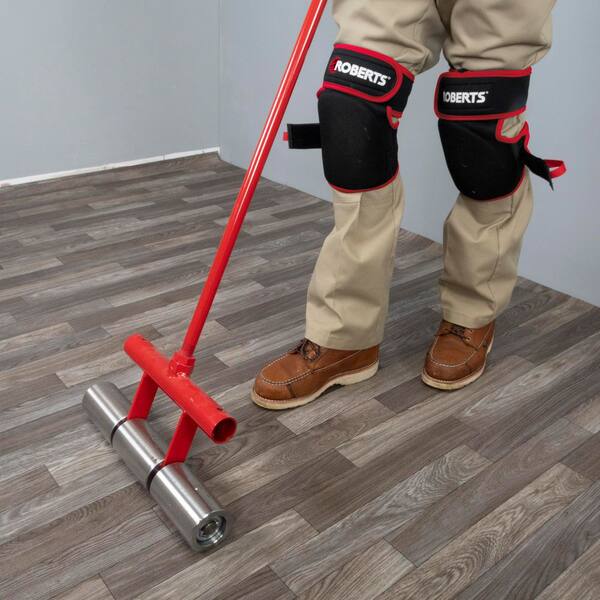
Credit: www.homedepot.com
Frequently Asked Questions
What Are The Benefits Of Using Knee Pads?
Knee pads protect your knees from strain and injury during flooring projects. They provide cushioning, reducing discomfort while kneeling. This ergonomic support can enhance your productivity and prevent long-term knee damage. Proper knee pad usage ensures safety and comfort, making your flooring tasks more efficient and less physically taxing.
How Do I Choose The Right Knee Pads?
Select knee pads based on comfort, fit, and material. Look for adjustable straps for a secure fit. Gel or foam padding offers good cushioning. Consider durability for long-term use. Try them on to ensure they stay in place and provide adequate protection during your flooring projects.
Can Knee Pads Prevent Knee Injuries?
Yes, knee pads can prevent knee injuries by providing cushioning and support. They reduce direct pressure on your knees, minimizing the risk of strains or bruises. Properly fitted knee pads ensure stability and comfort, allowing you to work longer without injury.
Investing in quality knee pads is crucial for safety.
How Should Knee Pads Be Maintained?
Regularly clean knee pads to remove dirt and debris. Wash them according to the manufacturer’s instructions. Check for wear and tear, and replace if necessary. Store them in a dry place to prevent mold. Proper maintenance extends their lifespan and ensures they remain effective during flooring projects.
Conclusion
Using knee pads protects your knees during long flooring jobs. Choose the right fit for comfort and safety. Clean your knee pads regularly to keep them effective. Take breaks to avoid strain and stay refreshed. These tips help you work longer without pain.
Protect your knees and finish your project well. Comfort and care make a big difference in results. Keep these ideas in mind for your next flooring task. Simple steps lead to better work and less injury. Your knees will thank you.