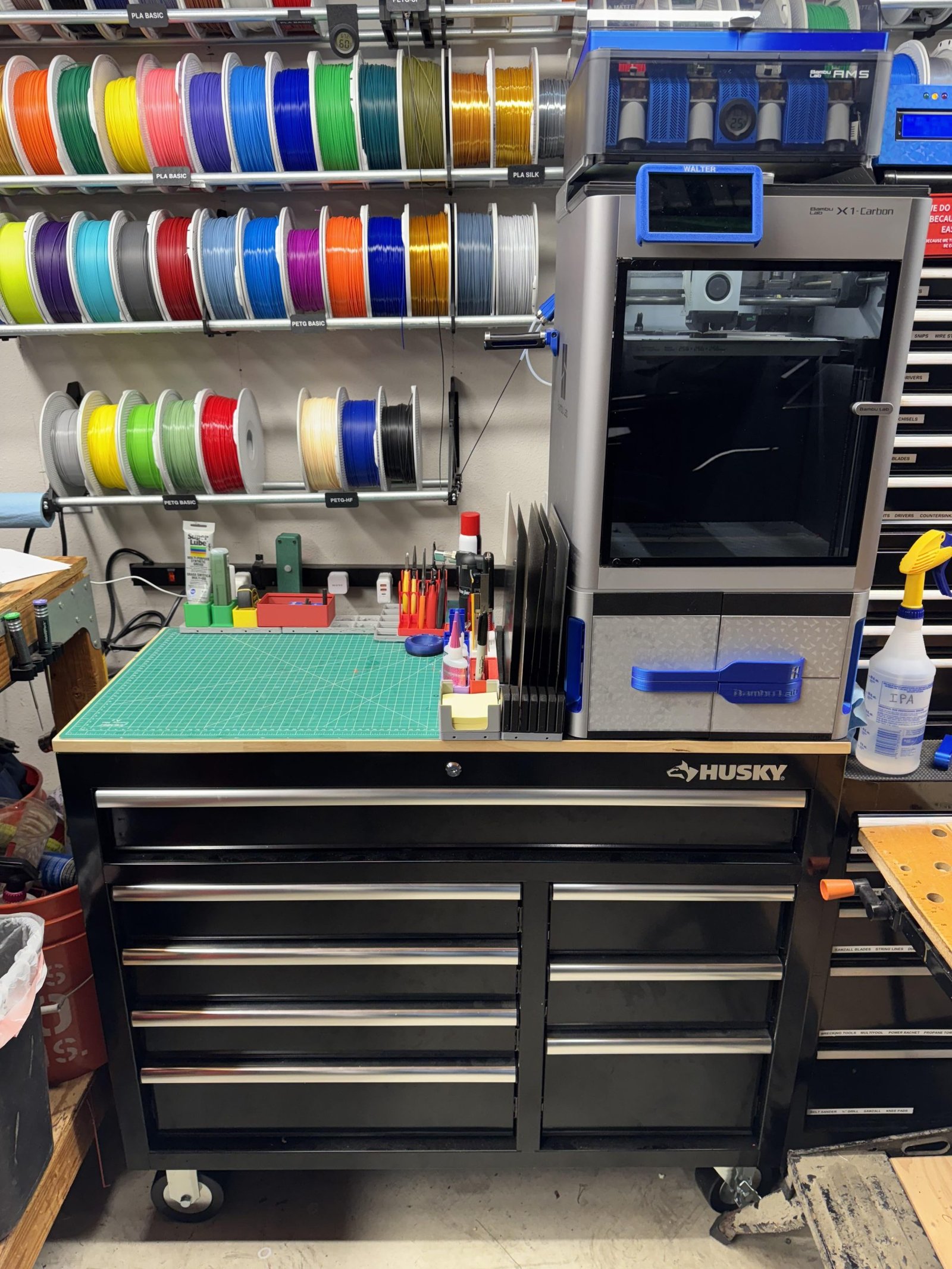
Are you tired of searching for your tools every time you need them? Imagine having all your essential tools neatly organized and ready to go wherever you work.
Setting up a mobile tool chest can save you time, reduce frustration, and boost your productivity. In this guide, you’ll discover simple steps to create a personalized tool chest that fits your needs perfectly. By the end, you’ll have a system that makes every project smoother and keeps your workspace clutter-free.
Let’s get started and transform how you work with your tools!
Choosing The Right Mobile Tool Chest
Selecting the right mobile tool chest makes your work easier. It helps keep your tools organized and easy to find.
Think about your needs before buying. Consider size, material, and how you will move it around.
Size And Capacity Options
Choose a size that fits your tool collection. A chest too small will not hold everything. A chest too big may be hard to move.
- Small chests work well for hand tools and small parts.
- Medium chests can store power tools and more hand tools.
- Large chests hold many tools and large equipment.
Material And Durability
| Material | Durability | Weight |
| Steel | Strong and long-lasting | Heavy |
| Aluminum | Rust-resistant and light | Light |
| Plastic | Light but less durable | Very light |
Pick material based on your work environment. Steel is tough but heavy. Aluminum is light and rust-proof.
Mobility Features
Look for these mobility features in a tool chest:
- Sturdy wheels for easy rolling
- Handles that are comfortable to grip
- Locking casters to keep the chest in place
- Compact design to fit through doorways

Credit: www.paoson.com
Essential Tools To Include
Setting up a mobile tool chest means you need the right tools to work efficiently. Choose tools that are versatile and fit in a compact space.
Organize your tools by type to find what you need quickly. Focus on hand tools, power tools, and measuring instruments.
Hand Tools
Hand tools are the basics for any job. They do not need power and are easy to carry.
- Hammer for driving nails and light demolition
- Screwdrivers with flathead and Phillips tips
- Pliers for gripping and bending wires
- Adjustable wrench for various bolt sizes
- Utility knife for cutting tasks
- Chisels for shaping wood or metal
- Handsaw for cutting wood by hand
Power Tools
Power tools save time and effort. Choose cordless tools for mobility.
| Tool | Purpose | Tip |
| Cordless Drill | Drilling holes, driving screws | Carry extra batteries |
| Jigsaw | Cutting curves and shapes | Use sharp blades |
| Impact Driver | Tightening and loosening bolts | Works well with long screws |
| Oscillating Multi-Tool | Sanding, cutting, scraping | Multi-use with many attachments |
Measuring Instruments
Accurate measurements make your work neat and safe. Keep these tools handy.
- Tape Measure: For measuring lengths up to 25 feet or more.
- Combination Square: For checking angles and marking lines.
- Spirit Level: To check if surfaces are horizontal or vertical.
- Caliper: For precise inside and outside measurements.
- Chalk Line: For marking long straight lines on surfaces.
Organizing Tool Storage
Keeping your mobile tool chest neat helps you find tools fast. Good organization saves time and effort on every job.
Using smart methods to arrange your tools protects them and keeps your workspace clean. Here are tips to organize your tool chest well.
Drawer Layout Strategies
Plan the layout of each drawer by grouping similar tools together. Use shallow drawers for small hand tools and deeper ones for bulky items.
- Sort tools by type and size before placing them in drawers.
- Keep frequently used tools in the top drawers.
- Use dividers to separate tool categories.
- Reserve one drawer for specialty tools or parts.
- Adjust drawer space based on your tool collection.
Using Foam Inserts
Foam inserts hold tools securely in place and prevent damage. You can cut foam to fit each tool’s shape for easy access.
| Benefit | Description |
| Protection | Foam cushions tools and reduces wear. |
| Organization | Each tool has a dedicated spot for quick finding. |
| Customization | Foam can be cut to fit any tool shape or size. |
| Cleanliness | Foam inserts help keep drawers tidy and dust-free. |
Labeling Techniques
Labeling drawers and foam cutouts makes tool storage simple. Clear labels reduce time spent searching and help keep order.
- Use printed labels for drawer fronts.
- Mark foam cutouts with tool names or icons.
- Choose waterproof labels for durability.
- Update labels as your tool collection changes.
Maximizing Accessibility
Setting up a mobile tool chest with easy access helps you work faster. You avoid wasting time searching for tools.
Organizing tools smartly makes your work safer and more efficient. This guide shows key tips to improve accessibility.
Tool Placement Tips
Place frequently used tools where you can grab them easily. Group similar tools together to find them fast.
Keep heavy tools at the bottom to keep the chest stable. Small tools should go in smaller compartments to avoid clutter.
- Put screwdrivers and pliers in front or top drawers
- Store wrenches and hammers in middle drawers
- Keep nails and screws in small bins or trays
- Separate electrical tools from mechanical ones
Quick Access Zones
Create zones for tools you use most often. This lets you reach them quickly without opening many drawers.
Label each zone clearly so you can find items fast. Use color-coded stickers or tags if possible.
- Top drawer: daily use tools like screwdrivers
- Middle drawer: medium-use tools like tape measures
- Side compartments: small parts or specialty tools
Securing Tools During Transport
Keep tools from shifting or falling while moving the chest. Use foam liners or dividers to hold tools tightly.
Lock drawers and close lids securely before transport. This prevents damage and keeps tools safe.
- Use drawer liners with grip to stop sliding
- Install latches or locks on drawers
- Wrap fragile tools in cloth or foam
- Check all fastenings before moving the chest
Maintenance And Upkeep
Keeping your mobile tool chest in good shape helps tools last longer. Regular care prevents damage and keeps everything organized.
Simple routines for cleaning, inspecting, and caring for the chest will save time and money.
Cleaning Routines
Clean your tool chest often to remove dust, dirt, and grease. This stops rust and keeps tools easy to find.
Wipe surfaces with a damp cloth and mild soap. Avoid harsh chemicals that can damage the finish.
- Remove all tools before cleaning
- Use a soft cloth or sponge
- Dry the chest completely after cleaning
- Clean spills and stains quickly
Tool Inspection
Check tools regularly for damage or wear. This keeps them safe to use and working well.
Look for cracks, rust, or loose parts. Fix or replace tools that are broken or unsafe.
- Inspect handles and grips
- Check moving parts for smooth action
- Sharpen blades and edges if needed
- Lubricate tools to prevent rust
Chest Care
Keep the tool chest in good condition by checking its parts. Proper care helps it last longer.
Check wheels, locks, and drawers often. Tighten loose screws and fix any broken parts quickly.
- Lubricate drawer slides for smooth opening
- Clean and protect metal surfaces from rust
- Store chest in a dry place to avoid moisture
- Use covers to protect from dust and dirt
Customizing For Specific Trades
Setting up a mobile tool chest works best when you tailor it to your trade. Different jobs need different tools and organization styles.
This guide covers how to customize your tool chest for automotive technicians, electricians, and carpenters. Each trade has unique needs.
Automotive Technicians
Automotive technicians need tools for engine repair, diagnostics, and bodywork. Organize your chest to keep sockets, wrenches, and testers accessible.
- Use foam inserts to separate sockets and ratchets
- Add small bins for fuses and clips
- Keep diagnostic tools in a padded drawer
- Label drawers for quick tool identification
- Include a magnetic tray for screws and bolts
Electricians
Electricians require precision and safety. Your tool chest should hold wire strippers, testers, and connectors in a neat layout.
| Tool Type | Storage Tip |
| Wire Strippers | Use a narrow drawer with dividers |
| Multimeter | Place in a cushioned compartment |
| Connectors | Small labeled boxes or jars |
| Insulated Screwdrivers | Keep upright in a tool holder |
Carpenters
Carpenters need space for measuring tools, saw blades, and fasteners. Organizing by function speeds up work.
Carpenter Tool Chest Layout
- Top drawer: Tape measures, squares, pencils
- Middle drawer: Chisels, screwdrivers, hammers
- Bottom drawer: Fasteners like nails and screws
- Side compartments: Saw blades and clamps
Budgeting And Cost Management
Setting up a mobile tool chest takes careful budgeting. You want good tools without spending too much.
Managing costs helps you get the best value and avoid overspending on items you don’t need.
Balancing Quality And Price
Buy tools that last but fit your budget. Cheap tools may break fast. Expensive ones last longer.
Look for brands with good reviews and fair prices. Avoid very cheap tools that wear out quickly.
- Check if the tool has a warranty
- Compare materials and build quality
- Read user reviews for durability
Where To Buy
Buy from stores that offer good prices and reliable products. Both local and online stores work well.
Look for sales, discounts, and bundle deals to save money. Avoid stores with unclear return policies.
- Hardware stores
- Tool specialty shops
- Online marketplaces
- Warehouse clubs
Upgrading Over Time
Start with basic tools and add more as needed. Upgrade to higher quality tools slowly.
Keep track of what you use most. Replace worn tools first and buy better ones when possible.
- Buy essential tools first
- Save money for upgrades
- Trade or sell old tools
- Focus on tools you use often

Credit: www.amazon.ca

Credit: www.reddit.com
Frequently Asked Questions
What Is A Mobile Tool Chest?
A mobile tool chest is a portable storage unit. It organizes and transports tools efficiently. Ideal for professionals and DIY enthusiasts, it enhances productivity. Equipped with wheels and handles, it offers ease of movement. It’s perfect for on-the-go tasks and workshops with limited space.
How To Organize Tools In A Mobile Tool Chest?
Start by categorizing tools by type and size. Use dividers and foam inserts for better organization. Label compartments for easy identification. Regularly clean and maintain your tool chest. This ensures quick access and prolongs tool life. Keep frequently used tools in the top sections.
What Materials Are Best For Mobile Tool Chests?
Steel, aluminum, and high-impact plastic are top choices. Steel offers durability and security. Aluminum is lightweight and rust-resistant. High-impact plastic provides affordability and portability. Choose based on your specific needs and budget. Each material has its own advantages for different environments.
Why Choose A Mobile Tool Chest Over A Fixed One?
A mobile tool chest offers portability and flexibility. It’s perfect for professionals working at various sites. Easy to maneuver, it saves time and effort. Fixed tool chests lack mobility, limiting usage. Mobile options provide efficient storage and transportation, adapting to dynamic workspaces.
Conclusion
Setting up a mobile tool chest saves time and keeps tools organized. Choose the right size and compartments for your needs. Sort tools by type and frequency of use. Label drawers clearly to find items quickly. Keep the chest clean and check tools regularly.
A well-organized tool chest makes work easier and faster. Take small steps to build a system that works for you. Start today and enjoy the benefits of a tidy workspace.