If you need to dig trenches with a spade, you might be wondering where to start or how to make the job easier. Digging trenches can be tough work, but with the right approach, you can get it done faster and with less effort.
In this guide, you’ll discover simple steps and smart tips that will help you dig clean, precise trenches using just a spade. Whether you’re working on a garden project, laying pipes, or creating drainage, mastering this skill will save you time and frustration.
Keep reading, and you’ll learn how to turn a hard task into something much more manageable.

Credit: www.amazon.com
Choosing The Right Spade
Digging trenches with a spade is easier when you use the right tool. Picking the right spade helps you work faster and with less effort.
There are different types of spades, sizes, and materials. Knowing these can help you choose the best one for your digging job.
Types Of Spades
Spades come in many shapes and styles. Each type is made for different digging tasks. Some are better for cutting roots, others for moving soil.
- Square Spade:Has a flat blade, good for digging straight trenches and edging.
- Round Point Spade:Has a pointed blade, ideal for breaking hard soil and digging deep.
- Trenching Spade:Has a narrow blade, perfect for digging narrow trenches.
- Drain Spade:Has a long, thin blade to dig deep and narrow holes.
Spade Size And Handle
Spade size affects how easy it is to use. A bigger blade moves more soil but can be heavy. A smaller blade is lighter but slower.
Handles come in different lengths and materials. Longer handles give more leverage. Short handles offer better control in tight spots.
- Long handles help dig deep trenches with less effort.
- Short handles work well in small spaces or gardens.
- Choose a handle size that feels comfortable for your height.
Material And Durability
Spades are made from different materials. The blade is usually steel or aluminum. The handle can be wood, fiberglass, or metal.
Steel blades are strong and last long. Aluminum is lighter but may wear faster. Wood handles feel natural but can break. Fiberglass handles resist weather and are strong.
- Steel blades are best for tough digging jobs.
- Aluminum blades are good for light work and easy handling.
- Wood handles offer a traditional feel but need care.
- Fiberglass handles last longer and resist damage.
Credit: www.temu.com
Planning Your Trench
Planning is key before you start digging a trench with a spade. It helps you avoid problems and work faster.
Knowing the right path and size makes your trench safe and effective for its purpose.
Marking The Trench Path
First, mark the trench path clearly on the ground. Use string, spray paint, or stakes to show the line.
Make sure the path is straight and fits the area where you want the trench.
Measuring Depth And Width
Measure the trench depth and width before digging. This keeps the trench correct and safe.
- Decide how deep the trench needs to be.
- Measure the width for the tools or pipes you plan to use.
- Mark these measurements along the trench path.
Checking For Obstacles
Look for obstacles under the surface. These include pipes, cables, and roots.
| Obstacle Type | Action |
| Water pipes | Contact utility company before digging |
| Electric cables | Avoid area or use hand tools carefully |
| Tree roots | Trim or reroute trench path |
Preparing The Ground
Before digging trenches with a spade, you must prepare the ground properly. Good preparation helps make digging easier and safer.
Preparing the ground reduces work and prevents damage to tools and plants nearby.
Clearing Surface Debris
Start by removing leaves, sticks, and stones from the digging area. This clears the way for a smooth digging process.
Clearing debris also prevents your spade from getting stuck or damaged while digging.
- Use a rake or your hands to clear debris.
- Check for hidden roots or large stones.
- Remove any obstacles that block the trench path.
Loosening Hard Soil
Hard soil makes trench digging difficult. Loosen it first to make digging easier and faster.
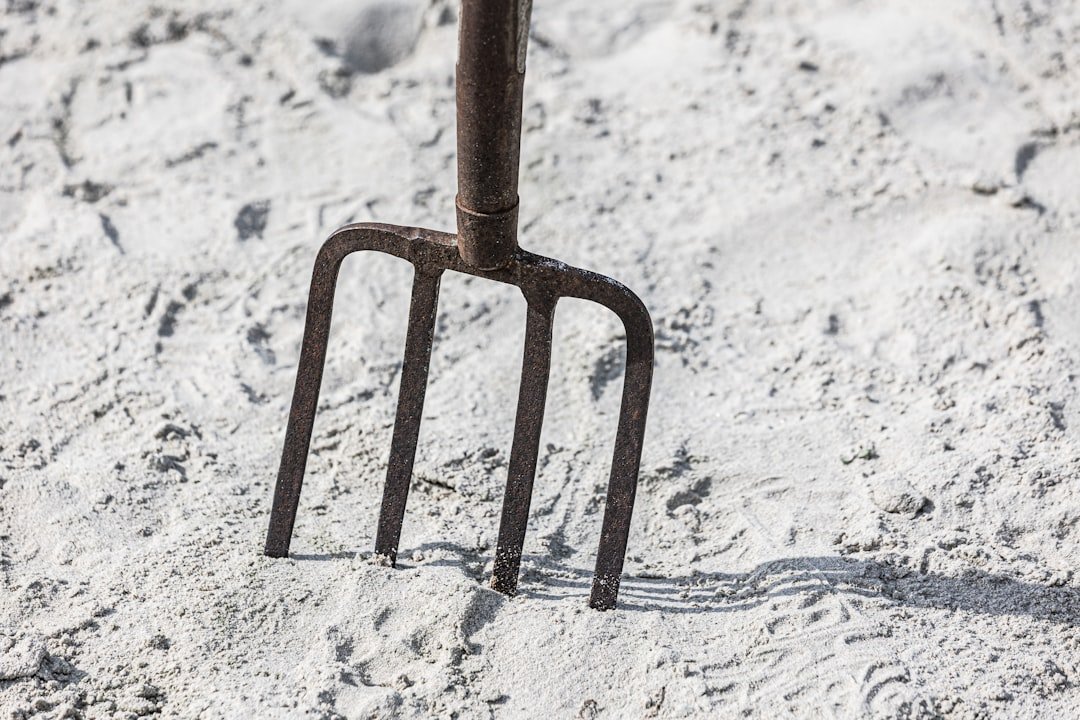
You can use a garden fork or a spade to break the soil before digging.
- Push the fork deep into the soil and pull up to break it.
- Repeat in small sections along the trench line.
- Work the soil until it feels crumbly and soft.
Watering Dry Soil
Dry soil can be very hard to dig. Watering it a day before digging softens the ground.
Wet soil is easier to cut through and remove with a spade.
- Water the trench area evenly but do not flood it.
- Allow water to soak in for several hours or overnight.
- Check soil moisture before starting to dig.

Credit: www.shutterstock.com
Digging Techniques
Digging trenches with a spade needs skill and good technique. It helps to work faster and avoid injury. You can dig straighter and deeper trenches with the right methods.
This guide covers key digging techniques. Learn how to hold the spade, cut into soil, and remove soil well. These tips suit beginners and those who want to improve.
Proper Spade Grip And Stance
Hold the spade firmly with both hands. One hand near the top of the handle and the other in the middle gives good control. Stand with feet shoulder-width apart for balance.
Bend your knees slightly and keep your back straight. This stance helps you use your leg strength and reduces strain on your back. Face the trench to dig in a straight line.
Cutting Into The Soil
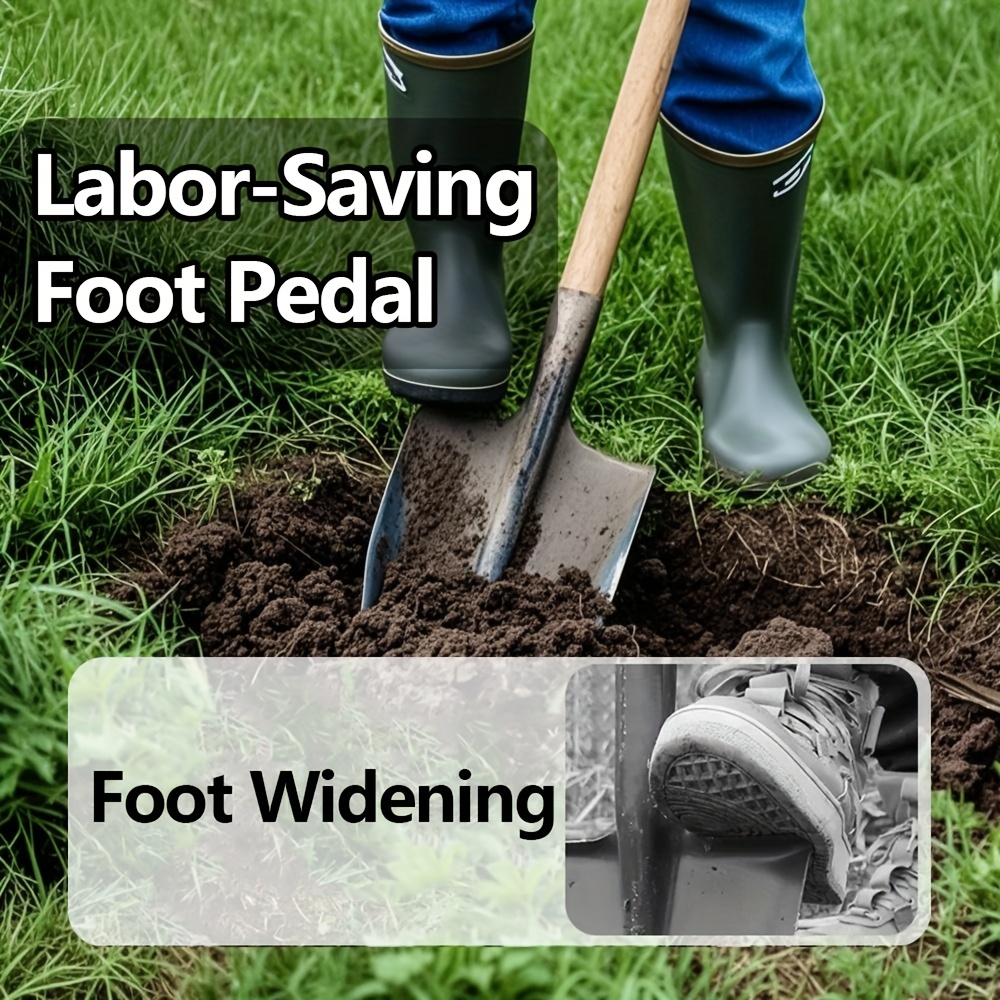
Push the spade blade straight down into the soil using your foot. Use steady pressure to cut through roots and hard soil. Avoid twisting the spade as you dig.
- Place the spade at the trench edge.
- Step down firmly on the blade with your foot.
- Push the blade down to the desired trench depth.
- Lift the spade to loosen the soil.
Removing Soil Efficiently
After cutting, lift the loosened soil out carefully. Place the soil to the side, keeping the trench clear. Move the soil further away if the trench is long.
| Tip | Reason |
| Lift with legs, not back | Prevents back strain |
| Keep soil piles neat | Makes trench work easier |
| Use the spade edge to break soil clumps | Speeds up digging |
Maintaining Trench Shape
Keeping a trench in good shape makes your work safer and neater. It helps water flow and stops the walls from falling in.
Using a spade well can keep the trench edges sharp and the depth even. This guide explains how to do it.
Keeping Straight Edges
To keep trench edges straight, dig along a guide line. Use string or stakes to mark the line before you start.
Cut the edges cleanly with the spade. Avoid digging too far outside the marked lines to keep the trench tidy.
- Place a string tightly along the trench path
- Dig close to the string for straight edges
- Use the spade’s flat side to smooth the edges
Managing Trench Depth
Keep the trench depth even by measuring often. Use a tape measure or a marked stick to check the depth.
Dig a little at a time and check the depth to avoid uneven spots. This helps keep the trench safe and stable.
- Mark the desired depth on a stick
- Insert the stick in the trench to check depth
- Remove soil evenly along the trench bottom
Handling Uneven Ground
Uneven ground makes trench digging harder. Start by clearing loose soil and rocks from the area.
Dig slowly and adjust the trench bottom to match the ground shape. Make small steps to keep the trench level.
- Remove loose debris before digging
- Work in small sections to manage slopes
- Use the spade to level the trench bottom
Safety Tips While Digging
Digging trenches with a spade can be hard work. Safety is very important to avoid accidents. Using the right methods helps keep you safe.
This guide covers key safety tips on protective gear, avoiding strain, and handling tools properly.
Protective Gear
Wearing protective gear protects your body from injuries. Always wear gloves to avoid blisters and cuts. Boots with strong soles protect your feet from sharp objects and heavy tools.
- Wear gloves to protect your hands
- Use sturdy boots for foot protection
- Wear long pants to guard your legs
- Use eye protection if dirt may fly
Avoiding Strain And Injury
Digging can hurt your back and muscles if you do not use the right method. Take breaks often and do not work too long without rest. Use your legs to lift dirt instead of your back. Keep your back straight while digging.
| Tip | Why It Helps |
| Take breaks every 30 minutes | Prevents tired muscles and injury |
| Bend your knees when lifting | Protects your back from strain |
| Keep tools close to your body | Reduces muscle strain |
| Switch tasks often | Prevents overuse of one muscle group |
Handling Tools Safely
Spades and other tools must be used carefully. Check tools before use to make sure they are not broken. Hold the spade handle firmly to avoid slipping. Keep the area clear of obstacles to avoid tripping.
- Inspect tool for cracks or loose parts
- Wear boots with good grip
- Store tools safely when not in use
- Do not throw or drop tools
After Digging Care
After digging trenches with a spade, proper care helps keep tools and soil healthy. This care makes your work easier next time.
Taking time to clean your spade and fix the trench protects your garden and tools. Follow simple steps to maintain everything well.
Cleaning And Storing The Spade
Remove dirt and mud from the spade right after use. This prevents rust and keeps the blade sharp.
Store the spade in a dry place to avoid damage. Hanging it up is a good way to keep it safe.
- Use water and a brush to clean the blade.
- Dry the spade with a cloth after washing.
- Apply oil on the metal parts to stop rust.
- Keep the handle smooth by sanding if rough.
- Store the spade off the ground in a dry area.
Filling Or Covering The Trench
Once the work is done, fill the trench carefully. This helps avoid accidents and soil erosion.
Use the same soil you dug out to cover the trench. Pack it down gently to keep the ground firm.
- Fill the trench with the original soil.
- Remove any large rocks or roots from the fill soil.
- Press the soil down with your feet or a tool.
- Make the surface level with the surrounding ground.
- Water the filled trench to help soil settle.
Soil Restoration Tips
After filling, restore the soil to keep plants healthy. Add nutrients if the soil looks poor.
Loosen the soil around the trench to help water and air reach roots. This supports plant growth.
- Add compost or organic matter to enrich the soil.
- Mix the new material gently into the soil surface.
- Avoid compacting the soil too hard after filling.
- Check soil moisture and water if dry.
- Plant grass or cover crops to protect soil from erosion.
Frequently Asked Questions
What Tools Are Needed To Dig Trenches?
To dig trenches, you’ll need a spade, gloves, measuring tape, and a wheelbarrow. A spade is essential for cutting and lifting soil. Gloves protect your hands, while a measuring tape ensures precise trench dimensions. A wheelbarrow helps transport soil away from the trench efficiently.
How Deep Should A Trench Be?
The depth of a trench depends on its purpose. For drainage, aim for 12-18 inches. Utility trenches may require greater depths, around 24-36 inches. Always check local regulations before digging. Ensuring the correct depth is crucial for effective functionality and safety.
How Do You Maintain A Spade?
Maintaining a spade involves regular cleaning and sharpening. After use, wash off dirt and dry thoroughly. Apply oil to prevent rust. Sharpen the blade periodically to ensure efficient digging. Proper maintenance extends the spade’s lifespan and enhances its performance.
Can You Dig Trenches In All Soil Types?
Yes, but different soil types require different techniques. Sandy soil is easier to dig, while clay is challenging. Use a sharp spade for clay and dampen it to soften. In rocky soil, remove large stones first. Adapting your approach ensures successful trenching.
Conclusion
Digging trenches with a spade takes patience and care. Stay steady and follow the steps closely. Take breaks to avoid getting too tired. Use the right tools to make the job easier. Keep your back straight to protect it from strain.
Remember, practice helps you dig better and faster. Soon, trench digging will feel like a simple task. Stay safe and enjoy the process.