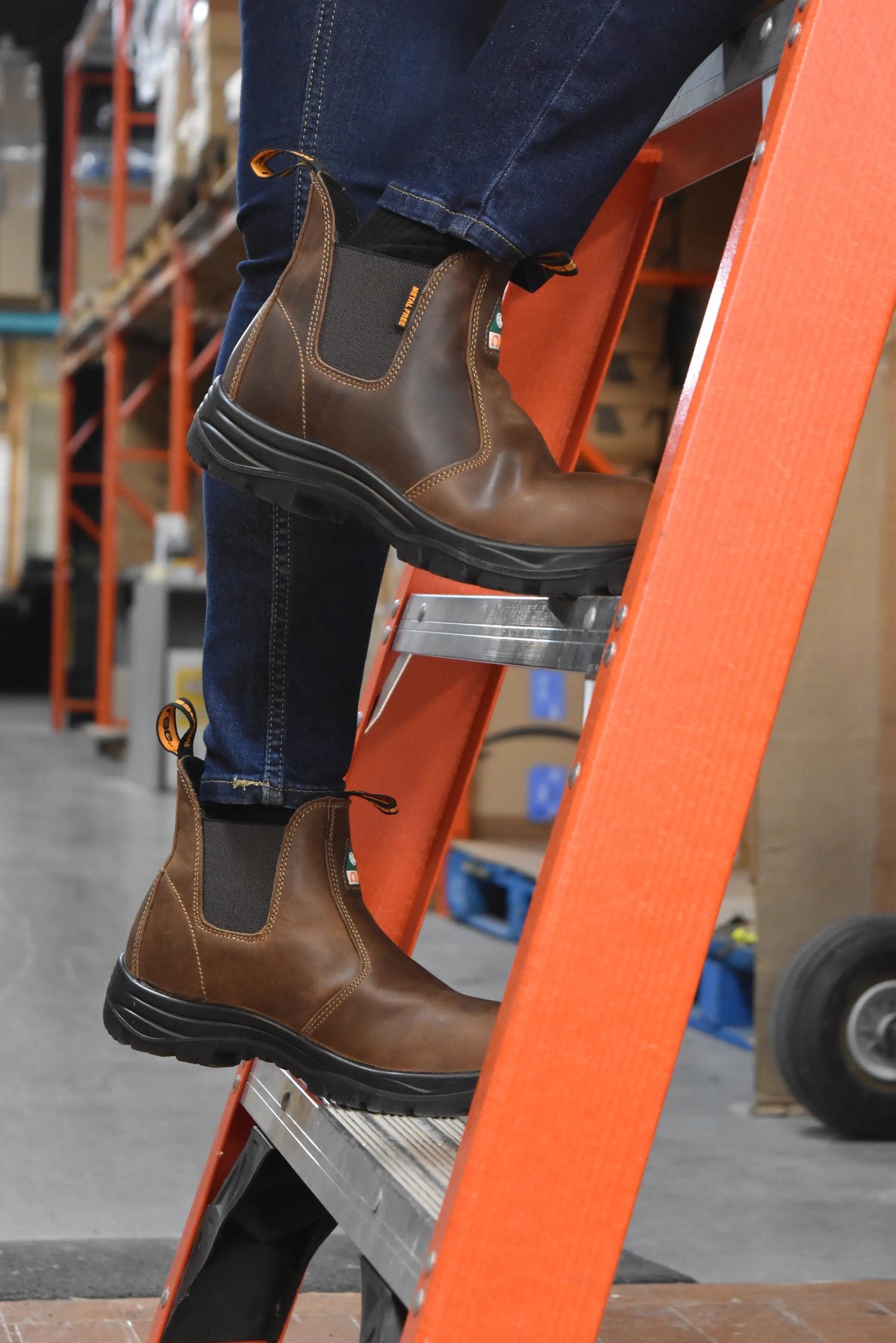
Are you ready to protect your feet without sacrificing comfort or style? Wearing safety boots with steel toes is essential if you work in tough environments, but knowing how to wear them right makes all the difference.
In this guide, you’ll discover simple tips to get the perfect fit, keep your feet comfortable all day, and make sure your boots do their job well. Keep reading to learn how to wear your steel-toe boots with confidence and safety.
Choosing The Right Steel Toe Boots
Wearing steel toe boots protects your feet in tough work areas. Picking the right pair helps you stay safe and comfortable.
Look for boots that fit well, feel light enough, and use strong materials. These factors keep you protected all day long.
Material Options And Benefits
Steel toe boots come in many materials. Each material has benefits for safety and comfort.
- Leather:Durable and water-resistant. It molds to your feet over time.
- Synthetic fabrics:Lightweight and breathable. They dry faster if wet.
- Rubber:Great for wet or slippery conditions. Easy to clean.
- Composite toes:Lighter than steel and do not conduct heat or cold.
Proper Fit And Sizing Tips
Good fit is key to wearing steel toe boots all day. Boots that are too tight or loose can cause blisters.
Try boots on with work socks. Check that toes have enough room but do not slip inside the boot.
- Measure your feet at the end of the day when they are largest.
- Leave about a half-inch space between your longest toe and the boot tip.
- Make sure the heel fits snugly without slipping.
- Walk around to test comfort and support.
Weight Considerations
Steel toe boots can be heavy. Heavy boots cause tired feet and slow you down.
Look for boots that balance protection with lightweight design. This helps you work longer without pain.
- Composite toes weigh less than steel but still protect well.
- Materials like synthetic fabrics reduce overall weight.
- Choose boots that feel comfortable during walking and standing.
Breaking In Steel Toe Boots
Steel toe boots protect your feet from heavy objects and sharp materials. They can feel stiff and tight at first. Breaking them in helps you wear them comfortably all day.
This process takes time and care. Follow simple steps to soften the material and reduce soreness.
Gradual Wear-in Techniques
Wear your steel toe boots for short periods at first. This helps the boots adjust to your feet slowly. Avoid wearing them for a full day right away.
Try these steps to break them in:
- Start by wearing them indoors for 1-2 hours.
- Increase wear time by one hour each day.
- Wear thick socks to protect your feet.
- Walk on different surfaces to soften the soles.
- Stop if you feel sharp pain or blisters.
Using Moisturizers And Conditioners
Leather steel toe boots need moisture to stay soft. Use leather moisturizers or conditioners to prevent cracking. Apply them regularly after cleaning your boots.
This care helps the leather stretch and fit better. It also keeps your boots looking good for a long time.
- Clean boots with a soft brush before applying.
- Use a small amount of conditioner.
- Rub it evenly on all leather parts.
- Let boots dry naturally away from heat.
Dealing With Initial Discomfort
Steel toe boots may cause soreness in the first days. Use padding or insoles to ease pressure points. Change socks to reduce friction and sweating.
If you get blisters, clean and cover them to avoid infection. Give your feet rest by taking breaks during long wear.
- Use gel or foam insoles for extra comfort.
- Wear moisture-wicking socks to keep feet dry.
- Apply blister pads on hot spots before wearing boots.
- Take off boots and massage feet after work.
Selecting Comfortable Socks
Wearing safety boots with steel toes can be tough on your feet. Choosing the right socks helps keep your feet comfortable all day.
Good socks protect your feet from rubbing and moisture. They also add extra support and cushioning inside your boots.
Moisture-wicking Fabrics
Socks made from moisture-wicking fabrics pull sweat away from your skin. This keeps your feet dry and prevents slipping inside your boots.
Materials like polyester, nylon, and merino wool are good at managing moisture. Avoid cotton socks because they hold sweat and can cause discomfort.
Cushioning And Thickness
Thicker socks provide more cushioning and absorb shock from walking or standing. Thin socks may not protect your feet well in steel toe boots.
Choose socks with padding on the heel and ball of the foot. This helps reduce pressure and makes your boots feel softer.
- Extra cushioning in high-impact areas
- Medium thickness for balance of comfort and fit
- Avoid socks that make boots too tight
Avoiding Blisters
Blisters happen when your skin rubs too much inside your boots. Well-fitting socks reduce this friction and protect your feet.
Look for socks with smooth seams and a snug fit. You can also wear double-layer socks that help stop rubbing between layers.
- Socks with flat or no seams
- Double-layer socks to reduce friction
- Proper sock size to avoid bunching
Lacing Techniques For Comfort
Wearing steel toe safety boots all day needs comfort and support. Lacing your boots the right way helps you stay comfortable and safe. Good lacing keeps your feet stable and stops pain.
This guide explains lacing methods that improve comfort. Learn how to lace your boots for better fit and less pressure.
Standard Vs. Alternative Lacing
The standard crisscross lacing is common and easy. It pulls the boot tight evenly but can cause some pressure points. Alternative lacing methods change how the pressure spreads across your foot.
- Standard Lacing:Cross the laces diagonally from bottom to top.
- Straight (European) Lacing:Laces run straight across the eyelets, reducing pressure on the top of the foot.
- Ladder Lacing:Creates a firm fit and reduces lace movement, good for ankle support.
- Skip Lacing:Skips some eyelets to relieve pressure in tight areas.
Adjusting Tightness For Support
Adjusting your laces lets you control support and comfort. Tighten the laces near your ankle for better hold. Loosen the top for more flexibility. Balance tightness to avoid pinching.
| Boot Area | Recommended Tightness | Effect |
| Toe Box | Comfortably snug | Prevents foot sliding |
| Midfoot | Firm but not tight | Supports arch and reduces strain |
| Ankle | Tight | Improves ankle stability |
| Top Eyelets | Looser | Allows flexibility and reduces pressure |
Preventing Pressure Points
Pressure points cause pain and blisters. Change lacing patterns or loosen tight spots to stop pressure. Use padding if needed to protect sensitive areas.
- Use skip lacing to reduce pressure on the top of the foot.
- Try wider laces to spread pressure evenly.
- Add gel pads or cushions inside boots.
- Check lacing tightness often during long wear.
Insoles And Footbeds
Wearing safety boots with steel toes is safer with the right insoles. Insoles add comfort and support. They help reduce foot fatigue during long work hours.
Choosing the right insole improves fit and protects your feet. This guide covers types of insoles, custom orthotics, and replacing factory insoles.
Types Of Insoles
Insoles come in different materials and designs. Each type serves a unique purpose for comfort and protection.
- Foam Insoles:Soft and cushiony, good for shock absorption.
- Gel Insoles:Provide extra padding and reduce pressure points.
- Leather Insoles:Durable and breathable, keep feet dry.
- Orthopedic Insoles:Designed to correct foot posture and support arches.
- Heat Moldable Insoles:Custom-fit by heating and shaping to your foot.
Custom Orthotics Options
Custom orthotics are made to fit your feet precisely. They help with specific foot problems like flat feet or plantar fasciitis.
| Type | Purpose | Material |
| Rigid Orthotics | Control motion and support arches | Plastic or carbon fiber |
| Soft Orthotics | Provide cushioning and shock absorption | Foam or gel |
| Hybrid Orthotics | Combine support and cushioning | Mixed materials |
Replacing Factory Insoles
Factory insoles in steel toe boots may wear out fast. Replacing them keeps boots comfortable and supportive.
- Remove the old insole carefully.
- Choose a replacement insole that fits your boot size.
- Consider insoles with extra arch support or cushioning.
- Insert the new insole firmly and check for comfort.
- Replace insoles regularly to maintain foot health.
Credit: veronicahanson.medium.com
Maintaining Foot Health
Wearing safety boots with steel toes can protect your feet from injuries. It is important to keep your feet healthy while using these boots.
Good foot care helps prevent problems like blisters, infections, and pain. Follow simple habits to keep your feet strong and comfortable.
Regular Foot Exercises
Doing foot exercises can improve blood flow and keep muscles flexible. These exercises reduce stiffness and soreness after long hours in boots.
- Rotate your ankles in circles for 30 seconds each way.
- Stretch your toes by spreading them apart.
- Lift your heels while keeping toes on the ground.
- Roll a small ball under your foot for massage.
- Flex and point your feet to increase movement.
Proper Hygiene Practices
Clean feet help stop bacteria and fungus from growing. Washing feet daily and drying them well is very important.
| Hygiene Tip | Why It Matters |
| Wash feet with soap and water | Removes dirt and sweat |
| Dry between toes carefully | Prevents fungal infections |
| Wear clean, dry socks | Keeps feet dry and fresh |
| Choose breathable socks | Allows airflow to skin |
| Change socks daily | Reduces odor and germs |
Monitoring For Injuries
Check your feet often for cuts, blisters, or swelling. Early care can stop small problems from getting worse.
- Look inside boots for sharp objects or rough spots.
- Inspect skin for redness or broken areas.
- Notice any pain or numbness in your toes or soles.
- Seek medical help if wounds do not heal.
- Keep nails trimmed to avoid injury.
Caring For Steel Toe Boots
Steel toe boots protect your feet in tough work conditions. Keeping them clean and cared for helps them last longer. Proper care also keeps them safe and comfortable to wear.
Learn simple ways to clean, waterproof, and store your boots. These tips help keep your boots strong and in good shape.
Cleaning And Conditioning
Clean your boots after each use to remove dirt and grime. Use a soft brush or cloth to wipe off mud. Avoid soaking boots in water.
Condition leather boots to keep them soft and prevent cracks. Use a leather conditioner made for work boots. Apply it evenly and let it dry naturally.
- Remove laces before cleaning
- Use mild soap with water for tough stains
- Dry boots away from direct heat
- Apply conditioner every few weeks
Waterproofing Tips
Waterproof your boots to protect them from water damage. Use a waterproof spray or wax that suits your boot material. This keeps your feet dry in wet conditions.
Reapply waterproofing products regularly, especially after cleaning. Check the product instructions for the best results.
- Choose waterproof products made for leather or fabric
- Apply evenly over the entire boot surface
- Let boots dry completely before use
- Repeat every few months or after heavy use
Storage Recommendations
Store your boots in a cool, dry place. Avoid damp areas that cause mold or mildew. Keep boots away from direct sunlight to prevent fading and cracking.
Use boot trees or stuff boots with paper to keep their shape. Store them upright to avoid bending or creasing.
- Clean boots before storing
- Use breathable storage bags or boxes
- Keep boots away from heat sources
- Check boots regularly for damage

Credit: www.shewear.com.au
Credit: ohsonline.com
Frequently Asked Questions
How Do Steel Toe Boots Protect Your Feet?
Steel toe boots protect by absorbing impact and preventing injuries from falling objects. They provide excellent protection in hazardous work environments. Their durable construction also safeguards against sharp tools and compression threats. Wearing them ensures safety and compliance with workplace safety standards.
Are Steel Toe Boots Comfortable For Daily Wear?
Steel toe boots can be comfortable with proper fit and support. Choose a pair with cushioned insoles and breathable materials. Ensure the size is correct to avoid discomfort. Regular breaks and wearing moisture-wicking socks can enhance comfort for daily use.
How To Choose The Right Size For Safety Boots?
To choose the right size, measure your foot accurately. Consider trying boots in the afternoon when feet are largest. Ensure there’s room for toes to move freely. Check for a snug fit around the heel and arch. Always try boots with the socks you intend to wear.
Can Steel Toe Boots Be Stylish?
Yes, steel toe boots can be both stylish and functional. Many brands offer fashionable designs that match various styles. Look for boots in colors and finishes that suit your wardrobe. Modern designs ensure you don’t have to compromise on style for safety.
Conclusion
Steel toe safety boots protect your feet and keep you comfortable. Choose boots that fit well and match your work needs. Pair them with the right socks and pants for better comfort. Clean and care for your boots to make them last longer.
Wear them confidently, knowing you are safe and prepared. Safety and style can go hand in hand. Keep these tips in mind every day. Stay safe and comfortable on the job.