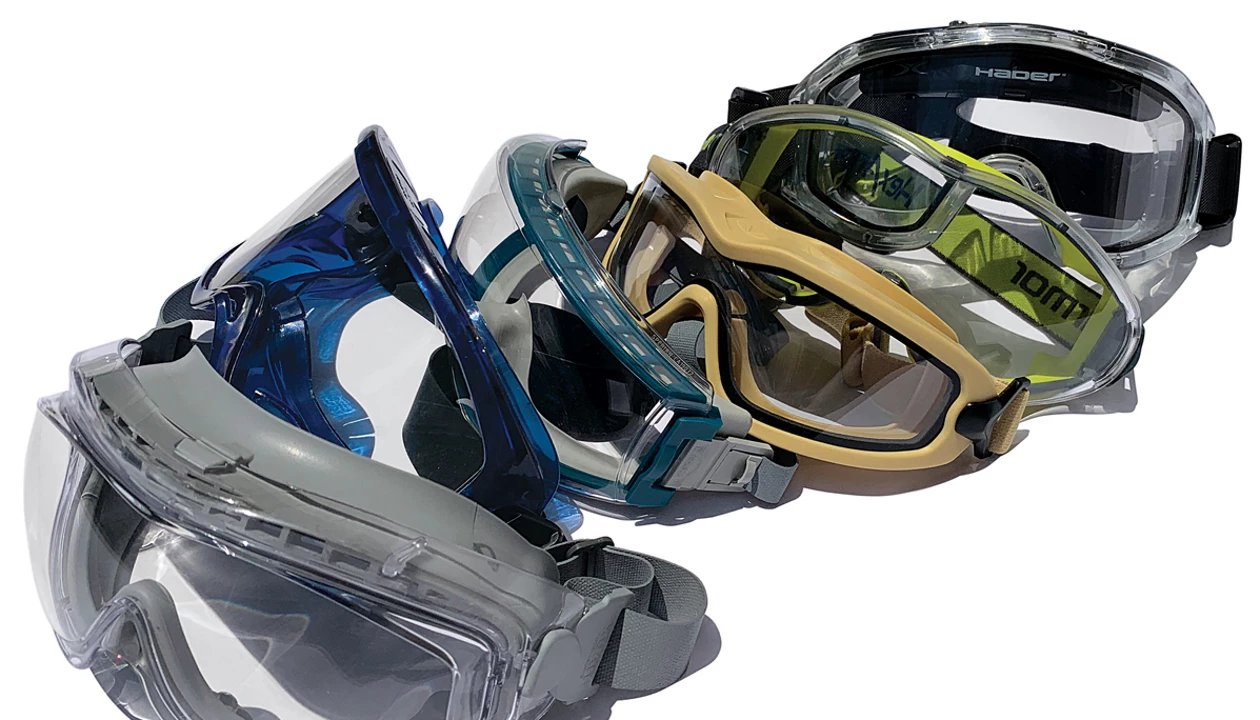
When you work in a lab, protecting your eyes is not just important—it’s essential. Chemical splash goggles shield you from harmful spills and dangerous fumes that can cause serious injury.
But with so many options out there, how do you pick the right pair for your needs? You want goggles that fit comfortably, provide clear vision, and offer the best protection. This guide will help you understand what to look for, so you can keep your eyes safe and focus on your work with confidence.
Keep reading to find out how to choose chemical splash goggles that truly work for you.

Credit: cen.acs.org
Importance Of Chemical Splash Goggles
Chemical splash goggles protect your eyes from harmful liquids. They stop dangerous chemicals from causing injury during lab work.
Wearing the right goggles helps keep your vision safe. It prevents accidents that can cause pain and long-term damage.
Protecting Your Eyes From Chemicals
Goggles shield your eyes from splashes, fumes, and dust. They cover the entire eye area, unlike regular glasses.
- Prevent chemical burns
- Block harmful vapors
- Keep out dust and debris
- Reduce risk of infections
Choosing Goggles With Proper Fit
A good fit stops chemicals from leaking in. Goggles should seal tightly around your eyes without causing pain.
| Fit Feature | Why It Matters |
| Adjustable straps | Secure hold on head |
| Soft seal | Comfort and tight closure |
| Wrap-around design | Full eye coverage |
Durability And Lens Quality
Strong lenses resist scratches and impacts. Clear lenses improve vision and reduce eye strain in the lab.
Choose goggles made with polycarbonate lenses. They offer high impact resistance and clear vision. Anti-fog coatings keep lenses clear during work.
Types Of Chemical Splash Goggles
Choosing the right chemical splash goggles is important for safety in the lab. Different types offer various protections and comfort features. Understanding the types helps you pick the best goggles for your needs.
Chemical splash goggles are designed to protect your eyes from hazardous liquids and vapors. Each type has unique ventilation styles to balance safety and comfort.
Indirect Ventilation Goggles
Indirect ventilation goggles have small vents covered by a barrier. This design allows air to flow but blocks splashes from entering. They help reduce fogging while keeping chemicals out.
These goggles are good for most lab work where chemical splashes are a risk. They provide good protection and comfort by allowing some airflow without direct exposure.
Direct Ventilation Goggles
Direct ventilation goggles have open vents that let air flow freely. They offer better breathability and reduce fogging quickly. But they do not block chemical splashes completely.
Use these goggles when working with non-hazardous chemicals or where splash risk is low. They are comfortable for long use but less protective against liquids.
Non-vented Goggles
Non-vented goggles have no vents, creating a sealed barrier around the eyes. They offer the highest protection against chemical splashes and vapors. These goggles can fog up more without airflow.
They are best for handling highly hazardous chemicals or in environments with toxic fumes. Anti-fog coatings or inserts help improve visibility with these goggles.
Key Features To Consider
Choosing the right chemical splash goggles is important for safety in the lab. Good goggles protect your eyes from harmful chemicals and splashes.
Look for features that ensure clear vision, comfort, and a secure fit. These help you work safely and without distractions.
Lens Material And Coatings
The lens material affects how well you see and how strong the goggles are. Polycarbonate lenses are popular because they resist impact and chemicals.
Coatings on the lenses can add extra benefits. Anti-fog coatings keep lenses clear in humid conditions. Scratch-resistant coatings help lenses last longer.
- Polycarbonate lenses: strong and clear
- Anti-fog coating: prevents fogging
- Scratch-resistant coating: protects lens surface
- UV protection: shields eyes from sunlight
Frame Design And Comfort
The frame holds the lenses and affects how the goggles fit your face. Soft, flexible frames improve comfort during long use.
Look for frames that allow good airflow to reduce fogging. Lightweight frames reduce pressure on your nose and head.
- Flexible frames fit many face shapes
- Ventilation holes improve airflow
- Lightweight materials reduce fatigue
- Padding adds comfort around eyes
Adjustable Straps
Straps keep goggles in place during lab work. Adjustable straps help you get a tight and comfortable fit.
Elastic straps stretch to fit different head sizes. Easy adjustment lets you tighten or loosen straps quickly.
- Elastic material stretches for comfort
- Adjustable buckles change strap length
- Wide straps prevent slipping
- Replaceable straps add durability
Seal And Fit
The seal stops chemicals from reaching your eyes. A good seal fits snugly against your skin without gaps.
Check for soft rubber or foam seals. These materials create a strong barrier and feel comfortable on your face.
- Soft rubber or foam seals for tight fit
- Full coverage around eyes and sides
- Test seal by checking for air leaks
- Proper fit prevents chemical splashes

Credit: cen.acs.org
Safety Standards And Certifications
Choosing the right chemical splash goggles is important for lab safety. Safety standards and certifications help you pick good goggles. They show the goggles meet certain safety rules.
These standards test the goggles for impact resistance, chemical protection, and comfort. Understanding them helps you keep your eyes safe during lab work.
Ansi Z87.1
ANSI Z87.1 is a safety standard in the United States. It sets rules for eye protection in workplaces. Goggles with this certification protect against impact and chemical splashes.
The standard tests goggles for strength and coverage. It also checks if they fit well and do not fog easily. Look for “Z87” marked on the goggles to know they meet this standard.
- Protects against flying particles and splashes
- Ensures good fit and comfort
- Checks for anti-fog and durability
Osha Requirements
OSHA sets rules to keep workers safe in the U.S. It requires employers to provide eye protection. The protection must meet ANSI Z87.1 or equivalent standards.
For lab work, OSHA requires goggles that protect from chemical splashes. Goggles must cover the eyes completely. They must fit securely and be easy to clean.
- Requires employers to provide proper eye protection
- Goggles must fully cover eyes
- Must meet recognized safety standards
En166 Standards
EN166 is a European safety standard for eye protection. It covers many types of hazards like chemicals, dust, and impact. Goggles with EN166 certification meet strict safety tests.
This standard checks the strength, field of vision, and resistance to chemicals. It also ensures the goggles fit well and stay secure during use. Look for EN166 marks on goggles sold in Europe.
- Tests for impact and chemical resistance
- Requires clear vision and wide field of view
- Ensures secure and comfortable fit
Compatibility With Other Ppe
Choosing chemical splash goggles means thinking about other protective gear. Goggles must fit well with your other PPE.
This helps keep you safe and comfortable during lab work. Poor fit can cause gaps and reduce protection.
Face Masks
Face masks cover your nose and mouth. Goggles should not push masks away from your face.
Look for goggles with a soft, flexible frame that seals well around the eyes. This prevents gaps near the mask.
- Check if goggles fit over mask straps comfortably
- Make sure no pressure points cause mask leaks
- Choose goggles that do not fog up when wearing masks
Respirators
Respirators cover the nose and mouth tightly. Goggles must fit without breaking the seal of the respirator.
Pick goggles that allow room for respirator straps. Avoid bulky designs that interfere with the respirator fit.
- Test goggles and respirator together before lab work
- Adjust straps for a secure, comfortable fit
- Look for anti-fog goggles to improve vision
Helmets
Helmets protect your head but can block the edges of goggles. Choose goggles that fit under or inside the helmet.
Goggles with low-profile frames work best. Make sure the helmet does not press the goggles into your face uncomfortably.
- Wear goggles first, then put on the helmet
- Check for tight seals and no gaps
- Pick goggles with adjustable straps for better fit
Maintenance And Cleaning Tips
Keeping chemical splash goggles clean is very important for safety. Dirt and chemicals can block your view and damage the goggles.
Good maintenance helps the goggles last longer and stay comfortable to wear.
Clean Goggles After Each Use
Always clean your goggles after using them in the lab. Use warm water and mild soap to remove dirt and chemicals.
Rinse well to avoid soap residue that can blur your vision.
- Use soft cloth or sponge for cleaning
- Do not use strong chemicals or solvents
- Air dry or use a clean towel
Inspect Goggles Regularly
Check your goggles for cracks, scratches, or damage before every use. Damaged goggles may not protect your eyes properly.
Replace goggles if you find any damage that affects visibility or safety.
Store Goggles Properly
Keep your goggles in a clean, dry place away from sunlight. Avoid storing them with sharp objects that can cause scratches.
Use a protective case or pouch to prevent dust and damage.
Avoid Touching The Inside Lens
Do not touch the inside of the goggles’ lens. Oils from your fingers can damage anti-fog coatings and reduce clarity.
If the inside lens gets dirty, clean it gently with a soft cloth and approved cleaner.
Replace Worn Parts Promptly
Replace worn-out straps or foam padding to keep goggles secure and comfortable. Old parts can cause goggles to fit poorly.
Check for replacement parts from the manufacturer or authorized suppliers.
Common Mistakes To Avoid
Choosing the right chemical splash goggles is very important for safety in the lab. Many people make simple mistakes when picking goggles. These errors can reduce protection and cause accidents.
This guide will explain common mistakes to avoid. Knowing these will help you pick goggles that keep your eyes safe.
Ignoring Proper Fit And Seal
One common mistake is picking goggles that do not fit well. If goggles are too loose or too tight, they will not protect your eyes properly.
A good seal around the eyes stops chemicals from splashing in. Make sure the goggles fit your face shape and size.
Overlooking Ventilation Features
Some goggles lack proper ventilation. Without vents, sweat and fog can build up inside the goggles. This makes it hard to see and work safely.
Choose goggles with indirect vents. These vents allow air flow but block chemical splashes.
Choosing The Wrong Lens Material
Not all lens materials protect against the same hazards. Some lenses scratch easily or do not resist chemicals well.
Pick lenses made from impact-resistant materials like polycarbonate. These offer strong protection and clear vision.
Ignoring Compatibility With Other Safety Gear
Failing to check if goggles fit well with other safety gear is a mistake. Goggles should work with masks, helmets, or respirators.
Test the goggles with your other equipment before lab work. This avoids gaps in protection.
Skipping Certification Checks
Some buyers ignore safety certifications. Certified goggles meet strict safety standards and offer reliable protection.
Look for labels like ANSI Z87.1 or EN166 on the goggles. These show the goggles passed important tests.
Budgeting And Cost Considerations
Choosing the right chemical splash goggles for lab work requires careful budgeting. Safety should not be compromised by cost, but spending wisely helps manage expenses.
This guide covers key points to consider about cost and budget when selecting goggles for your lab needs.
Initial Purchase Price
The first cost to check is the price of the goggles. Prices vary by brand, features, and certification. Higher prices often mean better protection or comfort.
Durability And Replacement Frequency
Durable goggles last longer and reduce how often you buy new ones. Consider materials and build quality. Spending more now can save money later.
Maintenance And Cleaning Costs
Some goggles need special cleaning solutions or parts. These add to the total cost. Choose goggles with easy maintenance to lower ongoing expenses.
Bulk Purchase Discounts
Buying in bulk can reduce the price per pair. This is useful for labs needing many goggles. Check if suppliers offer discounts for large orders.
Cost Comparison Table
| Goggle Type | Price Range | Durability | Maintenance Needed |
| Basic Splash Goggles | $10 – $20 | Low | Simple cleaning |
| Anti-Fog Goggles | $20 – $35 | Medium | Special cleaning solution |
| Ventilated Goggles | $25 – $40 | High | Regular filter replacement |
| Prescription Goggles | $40 – $60 | High | Simple cleaning |
Credit: www.flinnsci.com
Frequently Asked Questions
What Are Chemical Splash Goggles?
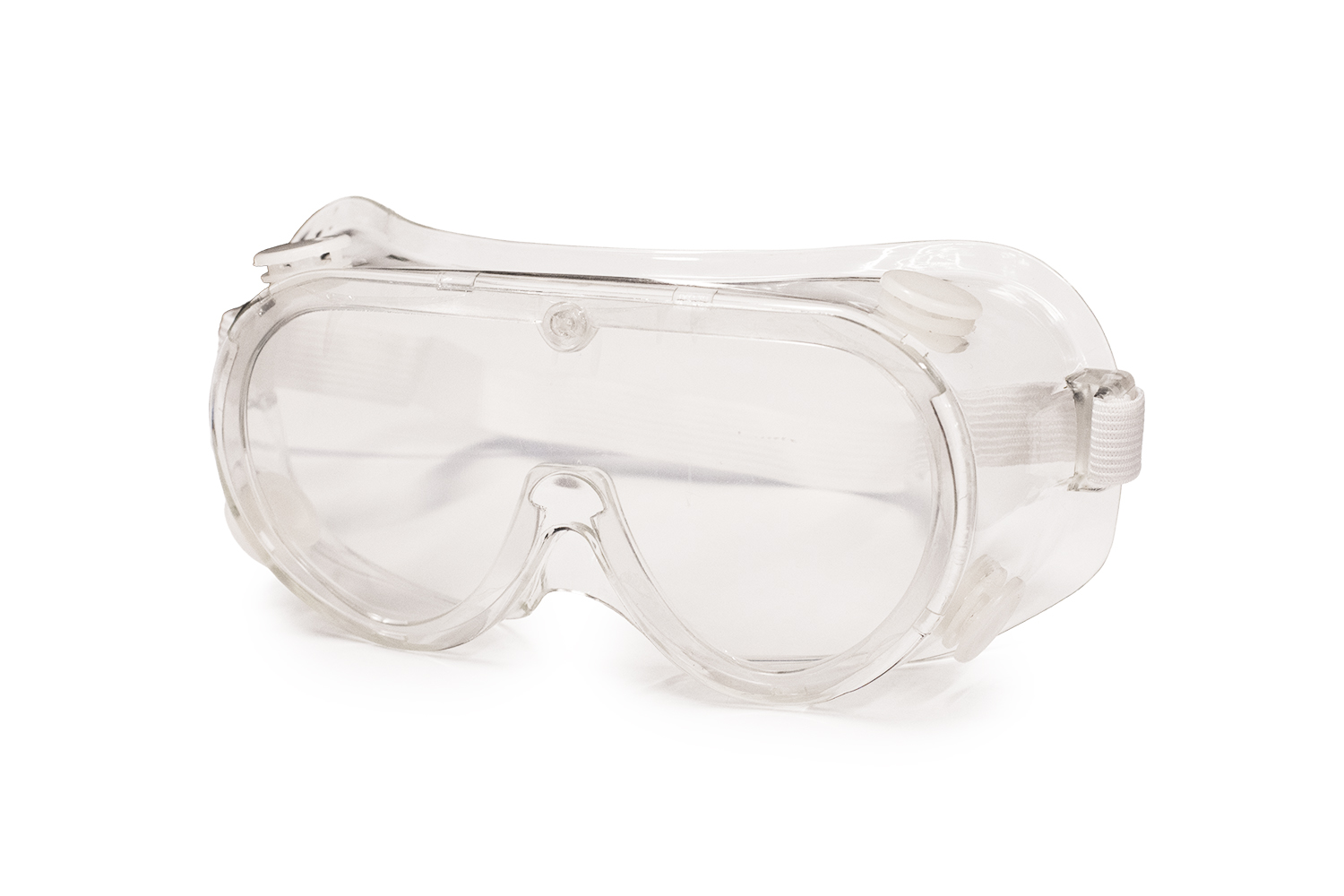
Chemical splash goggles are protective eyewear designed to shield your eyes from hazardous chemicals. They provide a tight seal around the eyes, preventing splashes and fumes from entering. These goggles are essential for lab work, ensuring safety while handling dangerous substances.
Always choose goggles that meet safety standards for optimal protection.
How To Identify Quality Splash Goggles?
Quality splash goggles should have anti-fog and anti-scratch coatings. Look for ANSI Z87. 1 certification for safety assurance. The goggles should provide a snug fit, with adjustable straps for comfort. Clear lenses and side shields enhance visibility and protection. Always check the material for chemical resistance before purchasing.
Why Are Vented Goggles Recommended?
Vented goggles help reduce fogging by allowing air circulation. They feature indirect vents that block liquid and chemical splashes. This design ensures clear vision during lab work. However, ensure they meet safety standards to prevent chemical exposure. Vented goggles offer comfort without compromising on protection.
Can Splash Goggles Fit Over Prescription Glasses?
Yes, many splash goggles are designed to fit over prescription glasses. Look for OTG (Over The Glasses) models. These goggles are spacious and adjustable, ensuring a comfortable fit. They provide the same level of protection without the need for separate prescription safety glasses.
Always verify compatibility before purchasing.
Conclusion
Choosing the right chemical splash goggles keeps your eyes safe in the lab. Check for a snug fit and clear lenses. Pick goggles that resist fog and chemicals well. Comfort matters for long work hours. Always replace damaged goggles immediately.
Safety starts with good eye protection. Stay alert and protect your vision every day. Your eyes deserve the best care during lab work. Stay safe, stay focused.