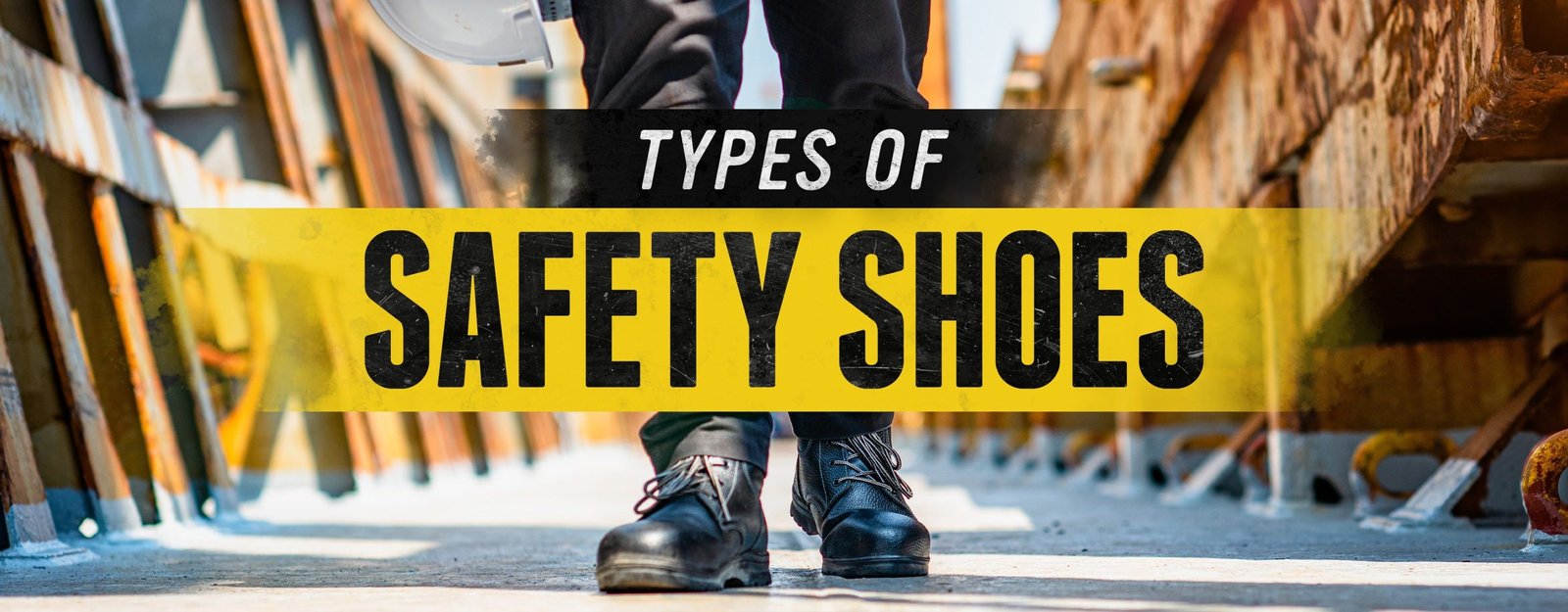
When you’re working on industrial projects, your safety should never be an afterthought. One of the most important ways to protect yourself is by choosing the right safety boots.
These boots do more than just cover your feet – they guard you against serious injuries, sharp objects, and slippery surfaces. But how do you pick the best pair? And how can you make sure you’re using them correctly to get the full protection you need?
This guide will walk you through everything you must know about safety boots so you can work confidently and stay safe every step of the way. Keep reading to discover tips that could save you from costly accidents and keep your workday running smoothly.
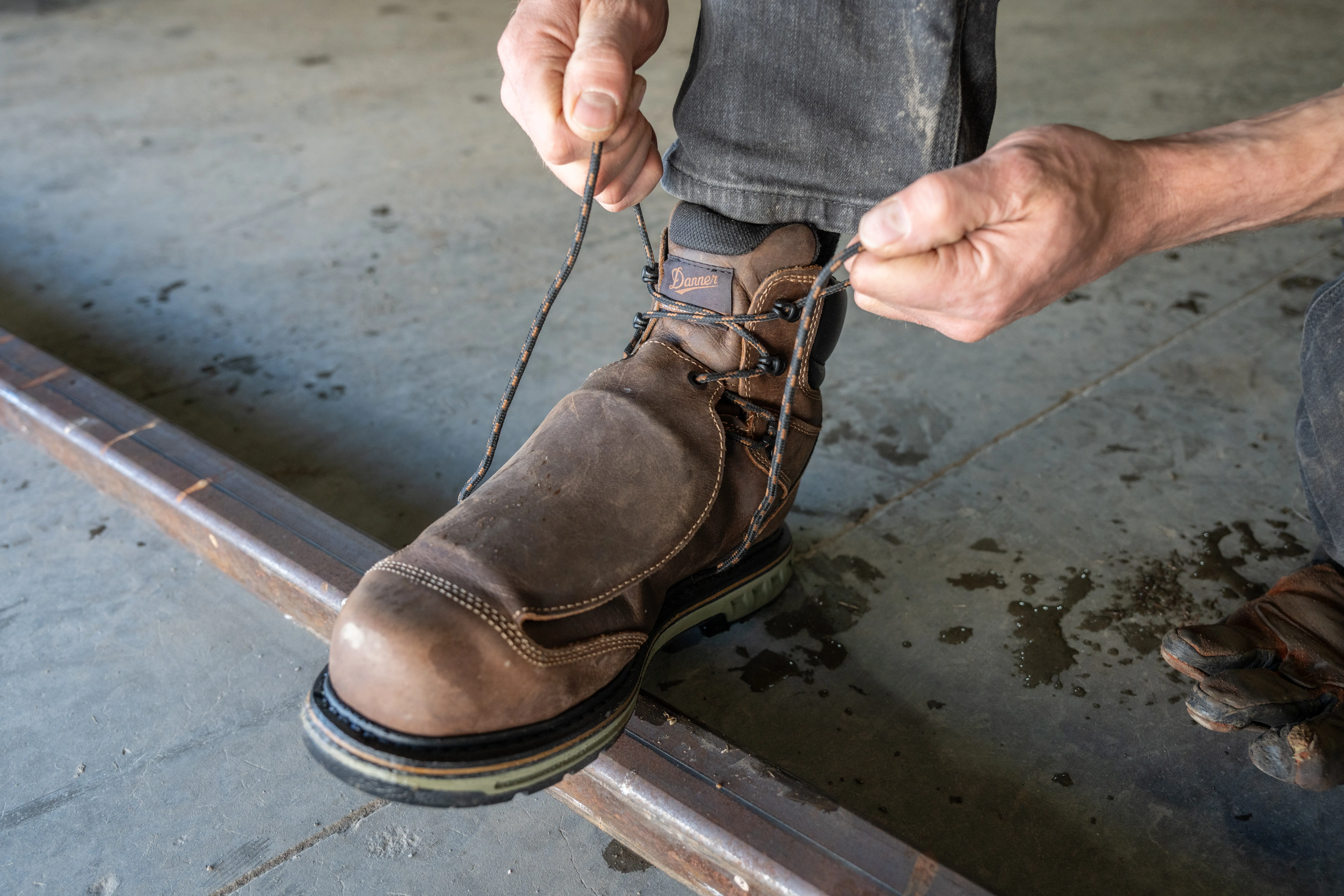
Credit: gearjunkie.com
Choosing The Right Safety Boots
Safety boots protect your feet during industrial work. Choosing the right boots helps keep you safe and comfortable all day.
Many factors affect your choice. Look at the job, environment, and fit before buying safety boots.
Types Of Safety Boots
Different safety boots suit different jobs. Some protect against heavy impacts, others against sharp objects or chemicals.
- Steel Toe Boots: Protect toes from heavy falling items.
- Composite Toe Boots: Lighter than steel and do not conduct electricity.
- Waterproof Boots: Keep feet dry in wet conditions.
- Slip-Resistant Boots: Prevent slipping on wet or oily floors.
- Puncture-Resistant Boots: Protect feet from sharp objects on the ground.
Material Considerations
Materials affect durability, comfort, and protection. Choose materials based on your work environment.
Leather is strong and lasts long. Synthetic materials are lighter and dry faster.
- Full-Grain Leather: Durable and water-resistant.
- Split Leather: More breathable but less water-resistant.
- Rubber: Great for wet or chemical environments.
- Polyurethane: Lightweight and shock-absorbing.
Sizing And Fit
Proper fit is key for comfort and safety. Boots that are too tight or loose can cause injuries.
Measure your feet at the end of the day when they are largest. Try boots with the socks you wear at work.
- Leave about a half-inch space between toes and boot tip.
- Ensure the heel fits snugly without slipping.
- Check that boots support your arches well.
- Walk in the boots to test comfort before buying.
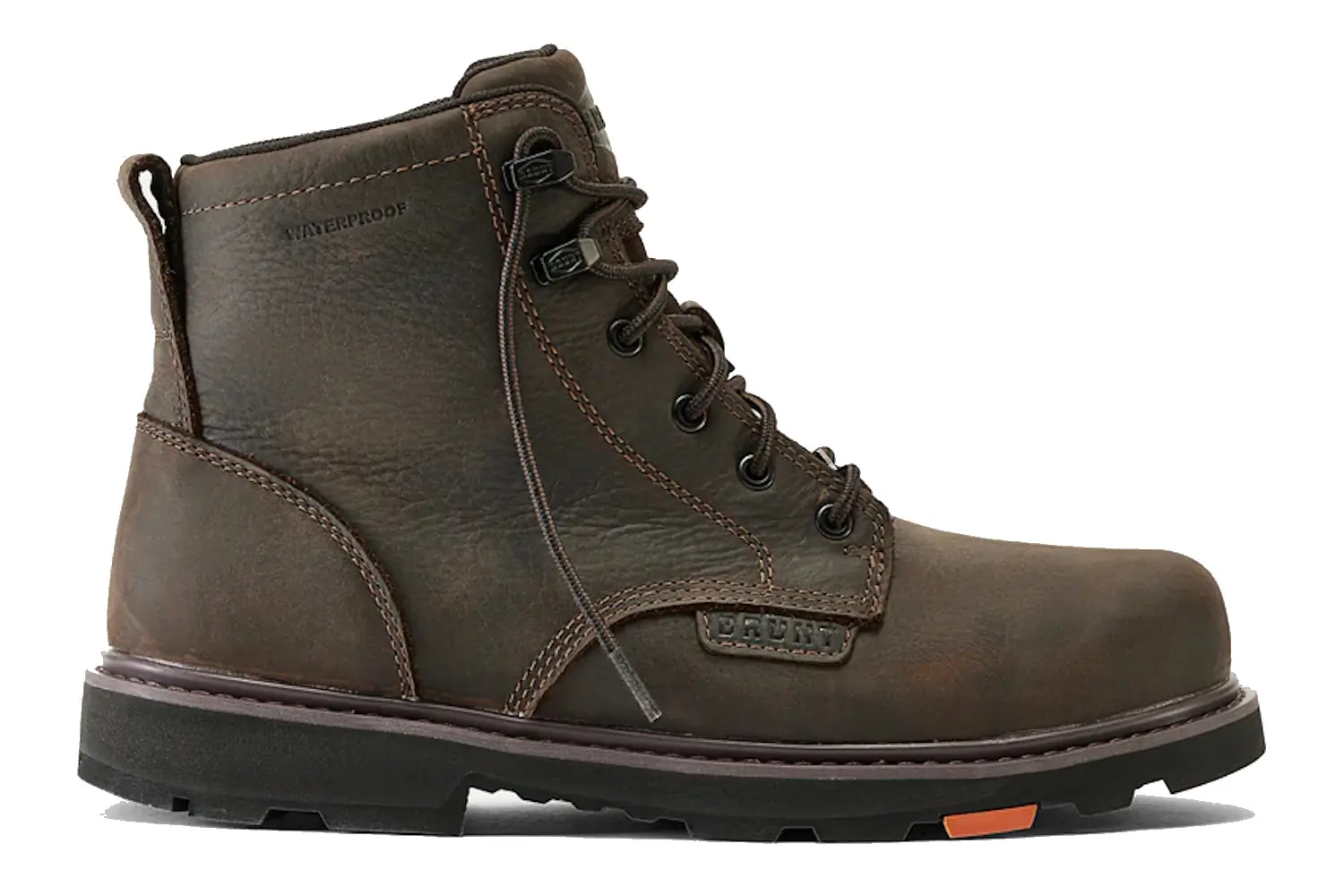
Credit: gearjunkie.com
Key Safety Features
Safety boots protect workers from many hazards on industrial sites. Choosing boots with the right features can prevent injuries. This guide explains key safety features to look for in safety boots.
Understanding these features helps you pick boots that keep your feet safe and comfortable all day. Focus on steel toe caps, slip-resistant soles, and waterproofing with breathability.
Steel Toe Caps
Steel toe caps protect your toes from heavy falling objects and sharp tools. They are strong and can absorb impact to reduce injuries. Most industrial boots include this feature for safety.
These caps also protect against compression and punctures. They are tested to meet strict safety standards for workplace protection.
Slip-resistant Soles
Slip-resistant soles help prevent falls on wet or oily surfaces. They have special treads to improve grip and stability. This feature reduces the risk of slipping accidents.
- Made from rubber or similar materials
- Designed with deep grooves or patterns
- Work well on slippery floors and uneven ground
- Help workers stay steady while moving
Waterproofing And Breathability
Waterproof boots keep feet dry in wet conditions. Breathability allows air to flow, stopping sweat build-up. This combination keeps feet comfortable and healthy.
| Feature | Benefit |
| Waterproof Material | Keeps water out during rain or spills |
| Breathable Lining | Allows moisture and heat to escape |
| Comfort | Prevents blisters and odor |
| Durability | Maintains protection over time |
Maintenance And Care
Safety boots protect your feet during industrial work. Taking care of them keeps them effective and lasts longer.
Good maintenance helps avoid injuries and saves money on replacements. Learn simple ways to clean, store, and know when to replace your boots.
Cleaning Techniques
Keep your safety boots clean to stop dirt and chemicals from damaging them. Clean boots also prevent bad smells and germs.
Use a soft brush to remove loose dirt. Wash with mild soap and water. Avoid harsh chemicals that can weaken materials.
- Remove laces before cleaning
- Use a damp cloth or soft brush
- Dry boots at room temperature, not near heat
- Apply leather conditioner if boots are leather
Storage Tips
Store safety boots in a cool, dry place. Avoid direct sunlight or damp areas to stop damage and mold growth.
Keep boots upright or use boot trees to hold shape. Store them away from chemicals or oily substances that can harm materials.
- Keep boots clean and dry before storing
- Use shoe trees or stuff with paper
- Store in a ventilated area
- Avoid stacking heavy items on boots
When To Replace Boots
Replace safety boots if they lose protection or comfort. Worn soles, broken toes, or torn materials reduce safety.
Check boots often for cracks, holes, or loose soles. Do not use boots with damaged safety features like steel toes or slip-resistant soles.
- Replace if soles wear thin or crack
- Replace if toe caps are dented or broken
- Replace if boots leak water
- Replace if boots cause pain or discomfort
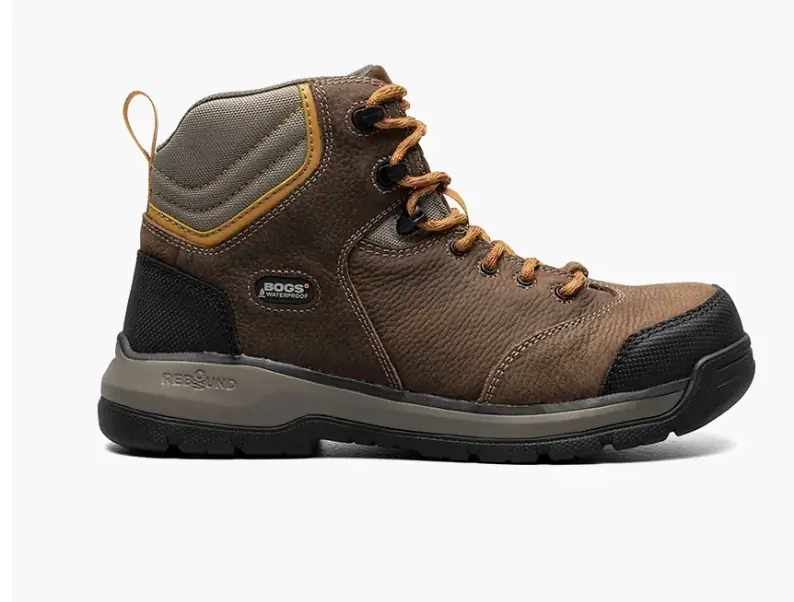
Credit: gearjunkie.com
Proper Usage On Site
Safety boots protect workers from injuries on industrial sites. Using them correctly helps prevent accidents.
Wearing safety boots properly keeps feet safe from sharp objects, heavy tools, and slippery floors.
Correct Wearing Practices
Always wear safety boots that fit well and are comfortable. Loose boots can cause slips or trips.
Check boots daily for damage like holes or worn soles. Replace damaged boots immediately.
- Wear boots with the right size and support
- Keep laces tied to avoid tripping
- Inspect boots before starting work
- Clean boots regularly to remove dirt and oil
Combining With Other Ppe
Safety boots work best when used with other personal protective equipment (PPE). This keeps the whole body safe.
Make sure boots fit well with socks and pants. Avoid tight cuffs that can cause discomfort or catch on objects.
- Wear safety boots with hard hats and gloves
- Use boots along with high-visibility vests
- Choose boots that fit under or over work pants
- Coordinate boots with waterproof or insulated PPE if needed
Adapting To Different Work Environments
Choose safety boots based on the work environment. Different sites have different hazards to protect against.
Use boots with steel toes for heavy lifting areas. Pick waterproof boots for wet or muddy sites.
- Wear insulated boots in cold conditions
- Pick slip-resistant soles for oily floors
- Use chemical-resistant boots if handling hazardous materials
- Choose breathable boots for hot environments
Common Mistakes To Avoid
Safety boots protect workers in tough industrial settings. Using them correctly keeps feet safe from injury.
Many people make mistakes that reduce the boots’ effectiveness. Avoiding these errors helps maintain safety and comfort.
Ignoring Fit And Comfort
Wearing boots that do not fit well causes pain and reduces protection. Boots that are too tight or too loose can cause blisters and foot fatigue.
- Always try on boots with the socks you will wear at work.
- Check that there is enough room for your toes to move.
- Make sure the heel does not slip when you walk.
- Choose boots with good arch support and cushioning.
Neglecting Regular Inspections
Safety boots can wear out or get damaged over time. Regular checks help spot problems before they cause injury.
| Inspection Point | What to Look For |
| Soles | Worn or cracked areas |
| Toe Caps | Dents or cracks |
| Stitching | Loose threads or tears |
| Laces | Fraying or broken parts |
Using Boots Beyond Their Limits
Each type of safety boot has a limit. Using boots outside their purpose lowers protection and may cause accidents.
Common misuse includes:
- Wearing electrical hazard boots in wet conditions without insulation
- Using lightweight boots for heavy machinery work
- Ignoring temperature ratings and wearing boots not suited for extreme heat or cold
Enhancing Safety With Additional Gear
Safety boots protect your feet in tough industrial environments. Using extra gear helps keep you safer and more comfortable.
This guide covers two important accessories to improve safety and support during your work.
Protective Socks
Protective socks add an extra layer of defense inside safety boots. They help reduce friction and prevent blisters.
- Made from moisture-wicking materials to keep feet dry
- Provide cushioning to absorb impact
- Offer thermal protection in cold or hot conditions
- Help prevent fungal infections by keeping feet ventilated
Insoles And Supports
Insoles improve foot comfort and reduce fatigue. Supports help maintain correct foot posture during long shifts.
| Type | Benefit | Best Use |
| Gel Insoles | Shock absorption | Heavy walking or standing |
| Arch Supports | Correct foot alignment | Flat feet or overpronation |
| Foam Insoles | Cushioning and comfort | Everyday use |
| Metatarsal Pads | Pressure relief | Forefoot pain |
Frequently Asked Questions
Why Are Safety Boots Important For Industrial Projects?
Safety boots protect feet from hazards like falling objects, chemical spills, and sharp materials. They provide essential support, reducing the risk of injury. Proper footwear ensures compliance with safety regulations, enhancing worker safety and productivity. Choosing the right safety boots is crucial for specific industrial tasks.
How Do I Choose The Right Safety Boots?
Choose safety boots based on the specific hazards of your workplace. Consider factors like material, sole type, and comfort. Ensure they meet industry safety standards. Proper fit is crucial to prevent discomfort and injuries. Consult safety guidelines to make an informed choice.
What Features Should Safety Boots Have?
Safety boots should have steel or composite toes for impact protection. They need slip-resistant soles for stability on wet surfaces. Look for puncture-resistant materials and ankle support. Waterproof and insulated features are beneficial for various environments. Always ensure they comply with safety standards.
How Often Should Safety Boots Be Replaced?
Replace safety boots every six to twelve months or when they show wear. Check for signs like sole wear, damage, or reduced comfort. Regularly inspect them for cracks, tears, or compromised safety features. Timely replacement maintains protection and compliance with safety regulations.
Conclusion
Safety boots protect your feet from many work hazards. They help prevent injuries and keep you safe. Choose boots that fit well and match your project needs. Regularly check your boots for damage or wear. Replace them when they no longer protect properly.
Wearing safety boots is a smart, simple step on any job site. Stay safe by using the right boots every day. Your feet will thank you.