Are you looking for the best way to protect your arms while working? Wearing cut-resistant sleeves can keep you safe from sharp tools and rough materials.
But simply putting them on isn’t enough—you need to wear them correctly to get the full benefit. You’ll discover easy tips on how to wear cut-resistant sleeves the right way. By the end, you’ll know exactly how to stay safe and comfortable during your tasks.
Keep reading to protect your arms and boost your confidence at work.
Choosing The Right Sleeves
Cut-resistant sleeves protect your arms from sharp objects. Choosing the right sleeves keeps you safe and comfortable. Consider material, size, and industry rules before buying.
Each workplace needs different sleeves. Knowing what fits your job helps you pick the best sleeves. Let’s look at important points to think about.
Material Types
Materials affect how well sleeves protect and feel. Common types include Kevlar, stainless steel, and high-performance fibers. Each has unique strengths and weaknesses.
- Kevlar:Lightweight and flexible. Good for heat resistance.
- Stainless Steel:Very strong and durable. Heavier but offers high cut resistance.
- High-Performance Fibers:Comfortable and breathable. Often used in food processing and light industry.
Size And Fit
Sleeves must fit well to protect properly. Too tight sleeves can cut circulation. Too loose sleeves can catch on machines or objects.
| Fit Type | Description | Safety Note |
| Snug | Close to skin but not tight | Best balance of comfort and safety |
| Loose | Extra space around arm | Risk of getting caught in equipment |
| Tight | Presses hard on skin | May reduce blood flow |
Industry Standards
Look for sleeves that meet safety rules. Standards help ensure sleeves protect well. Different industries use different standards.
Important standards include:
- ANSI/ISEA 105: Measures cut resistance level.
- EN 388: European standard for protective gloves and sleeves.
- OSHA guidelines: Set workplace safety rules.
Always check if sleeves have certification labels. Certified sleeves meet tested safety levels.

Credit: www.amazon.ca
Preparing For Use
Wearing cut-resistant sleeves helps protect your arms from sharp objects. Preparing these sleeves properly keeps you safe and extends their life.
Before putting on your sleeves, check them carefully. Also, clean and care for them regularly to keep their strength.
Inspecting For Damage
Look over your cut-resistant sleeves before each use. Check for cuts, tears, or holes that might lower protection.
- Examine the fabric for any rips or worn areas
- Check the seams to ensure they are intact
- Look for signs of stretching or thinning
- Discard sleeves that show significant damage
- Replace sleeves if they no longer fit snugly
Cleaning And Maintenance
Clean your sleeves after use to keep them working well. Follow care instructions to avoid damage during washing.
| Cleaning Step | Instructions |
| Hand Wash | Use mild soap and cold water. Gently rub and rinse well. |
| Machine Wash | Place sleeves in a laundry bag. Use gentle cycle with cold water. |
| Drying | Air dry flat. Avoid heat or direct sunlight to prevent damage. |
| Storage | Keep sleeves in a dry place. Avoid folding or crushing them. |
Proper Wearing Techniques
Cut-resistant sleeves protect your arms from sharp objects. Wearing them correctly keeps you safe and comfortable.
Follow these tips to position, secure, and layer your sleeves properly for the best protection.
Positioning On The Arm
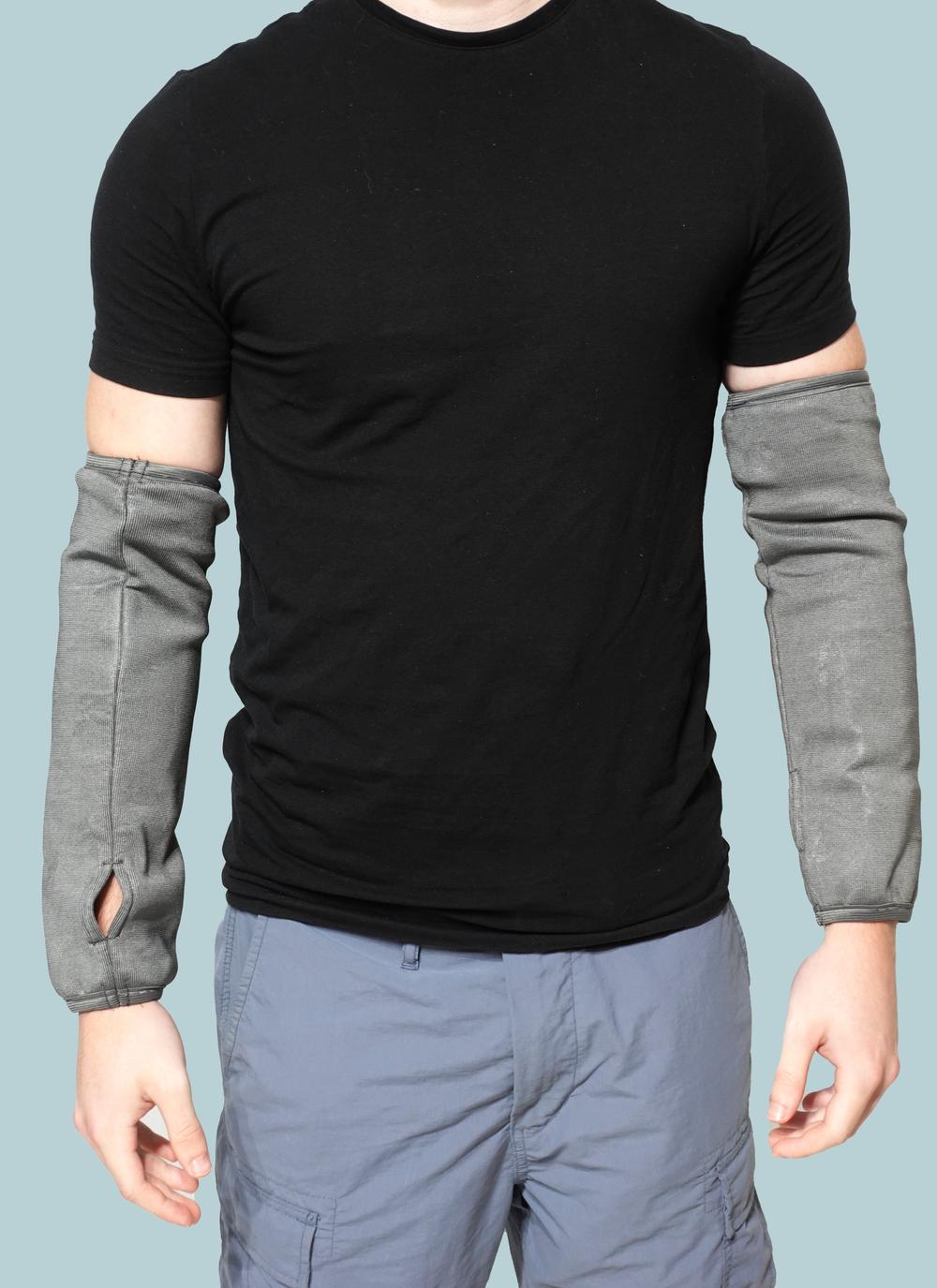
Place the sleeves so they cover your arms fully. The fabric should stretch from your wrist to just below your shoulder.
Make sure the sleeves fit snugly without cutting off circulation. The protective material must cover all areas at risk.
Securing The Sleeves
Keep the sleeves in place using straps or elastic bands. This stops them from slipping during work.
- Slide the sleeve over your hand and up your arm.
- Adjust the top elastic band to sit just below your shoulder.
- Fasten any straps tightly but comfortably.
- Check that the sleeve does not bunch or fold.
Layering With Other Gear
Wear cut-resistant sleeves under or over other protective gear depending on your job.
| Type of Gear | Layering Advice |
| Gloves | Wear sleeves under gloves to protect wrists. |
| Jackets | Sleeves can go under jackets for full arm coverage. |
| Arm Guards | Put sleeves first, then arm guards for extra protection. |
Credit: www.bodyarmourcanada.com
Common Mistakes To Avoid
Wearing cut-resistant sleeves protects your arms during work. Many people make mistakes that reduce this protection. Avoid these errors for better safety.
This guide shows common mistakes and how to avoid them when using cut-resistant sleeves.
Wearing Incorrect Size
Choosing the wrong size reduces comfort and safety. Sleeves that are too tight can limit movement. Sleeves that are too loose may slide down or catch on objects.
- Measure your arm size before buying sleeves.
- Pick sleeves that fit snugly without squeezing.
- Try sleeves on to check for proper fit.
- Avoid stretching sleeves beyond their limit.
Ignoring Wear And Tear
Cut-resistant sleeves wear out over time. Small cuts or holes reduce their protection. Ignoring damage can cause injuries.
| Signs of Wear | Action Needed |
| Holes or tears | Replace sleeves immediately |
| Frayed edges | Inspect sleeves carefully |
| Loss of elasticity | Choose new sleeves for proper fit |
| Discoloration or stains | Check if material is weakened |
Using In Unsuitable Conditions
Not all cut-resistant sleeves work well in every condition. Using them in wrong settings can lower protection or cause damage.
Common unsuitable conditions include:
- Exposure to chemicals that degrade fibers
- High heat or flames beyond sleeve rating
- Wet environments that reduce grip
- Contact with sharp edges not covered by sleeve
Always check the sleeve’s specifications before use.
Caring For Cut-resistant Sleeves
Cut-resistant sleeves protect your arms from sharp objects. Caring for them properly keeps them working well. This guide helps you wash, store, and know when to replace your sleeves.
Good care extends the life of your sleeves. Follow these simple tips to keep them safe and comfortable.
Washing Instructions
Clean your cut-resistant sleeves after each use to remove dirt and sweat. Use cold water and mild detergent. Avoid bleach or fabric softeners as they can damage the fibers.
- Hand wash or use a gentle machine cycle
- Do not use hot water
- Air dry by hanging, avoid direct sunlight
- Do not iron or tumble dry
Storage Tips
Store your sleeves in a clean, dry place. Keep them away from sharp objects and chemicals that can wear them out. Avoid folding them tightly to prevent damage to the fibers.
| Storage Condition | Effect on Sleeves |
|---|---|
| Dry and ventilated area | Prevents mold and odor |
| Away from direct sunlight | Maintains fiber strength |
| Separate from sharp tools | Avoids accidental cuts |
| Flat or loosely rolled | Keeps shape intact |
When To Replace
Replace your sleeves if you see signs of wear. Cuts, holes, or thinning reduce their protection. Also, change them if they feel less snug or if the fabric is stretched out.
- If sleeves have visible cuts or holes
- If the material feels thinner in spots
- If sleeves no longer fit tightly
- If the sleeves have lost their cut resistance after washing
- If you notice any discomfort during use
Enhancing Safety With Sleeves
Cut-resistant sleeves protect your arms from sharp objects. They reduce the risk of injury during work.
Using these sleeves helps keep your skin safe in tough work environments. They add a strong layer of defense.
Combining With Gloves
Wearing cut-resistant sleeves with gloves gives full protection. Your hands and arms stay safe from cuts and scratches.
Choose gloves that fit well and match your sleeves. This makes work easier and safer.
- Use gloves with similar cut resistance level
- Check for proper fit to avoid accidents
- Wear gloves and sleeves together for full arm coverage
- Replace damaged gloves or sleeves immediately
Workplace Safety Practices
Always follow safety rules at your workplace. Cut-resistant sleeves are one part of a safe routine.
Keep your work area clean and organized. This lowers the chance of accidents.
- Wear protective gear as required
- Inspect sleeves for damage before use
- Store sleeves in a clean, dry place
- Train workers on proper use of safety equipment

Credit: ironclad.com
Frequently Asked Questions
What Are Cut-resistant Sleeves?
Cut-resistant sleeves are protective gear made from materials like Kevlar or Dyneema. They safeguard arms from cuts and abrasions in hazardous environments. They are essential for workers in industries like glass handling or metalworking. Wearing them correctly ensures maximum protection and comfort.
How To Choose The Right Size?
To choose the right size, measure your arm’s circumference and length. Compare these measurements with the manufacturer’s sizing chart. A proper fit ensures comfort and optimal protection. Avoid sleeves that are too tight or too loose, as they may compromise safety and functionality.
Can You Wash Cut-resistant Sleeves?
Yes, you can wash most cut-resistant sleeves. Follow the manufacturer’s care instructions for best results. Generally, hand washing in mild detergent and air drying is recommended. Avoid bleach and high temperatures as they may degrade the material, reducing the sleeves’ effectiveness.
Why Wear Cut-resistant Sleeves At Work?
Wearing cut-resistant sleeves at work protects against cuts, abrasions, and injuries. They are essential in industries like construction, glass handling, and metalworking. Proper protection minimizes injury risk and ensures a safer working environment. Investing in quality sleeves enhances workplace safety and compliance with safety regulations.
Conclusion
Wearing cut-resistant sleeves keeps your arms safe during work. Choose the right size for comfort and protection. Slide them on before starting tasks with sharp tools. Check sleeves often for any damage or wear. Clean them as the instructions say to keep them effective.
Remember, safety gear helps prevent injuries and boosts confidence. Stay careful, and use sleeves correctly every time you work. Your arms will thank you later. Safety first—always.