If you want your power tools to last longer and work better, knowing how to lubricate them is key. Proper lubrication stops parts from wearing out too fast and keeps your tools running smoothly every time you use them.
In this guide, you’ll learn simple steps to keep your tools in top shape without any hassle. Ready to save time, avoid costly repairs, and get the most from your power tools? Keep reading—you’re about to discover everything you need to know.
Why Lubrication Matters
Lubrication helps power tools run smoothly. It reduces friction between moving parts.
Proper lubrication stops parts from wearing out too fast. This keeps tools working well for longer.
Effects On Tool Longevity
Lubrication protects tools from damage. It lowers wear and tear on metal parts.
Without lubrication, parts can rub and grind. This causes early breakdowns and more repairs.
- Prevents rust and corrosion
- Reduces heat build-up
- Keeps moving parts from seizing
- Extends overall tool life
Impact On Efficiency
Lubricated tools use less energy. They run smoother and need less effort to operate.
When tools are dry, they slow down. This makes jobs take longer and wastes power.
- Reduces friction for faster movement
- Prevents overheating during use
- Improves cutting and drilling speed
Common Signs Of Poor Lubrication
Tools that need lubrication often show warning signs. These help you know when to add oil or grease.
Ignoring these signs can cause serious damage and tool failure.
- Unusual noises like squeaking or grinding
- Tools getting hot quickly
- Stiff or jerky movements
- Reduced performance or slower operation
- Visible rust or dry parts
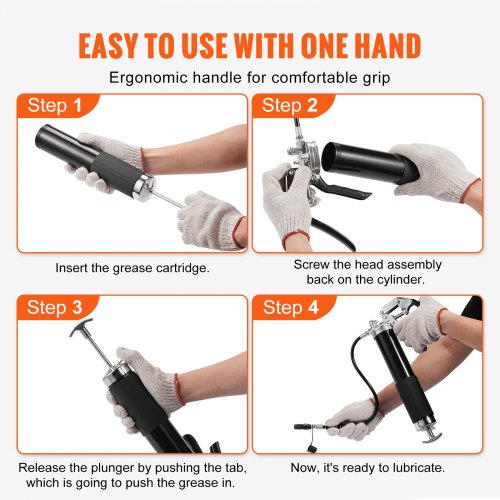
Credit: eur.vevor.com
Types Of Lubricants
Lubricants keep power tools running smoothly. They reduce wear and tear on moving parts. Choosing the right type helps tools last longer.
Different lubricants suit different parts and tasks. This guide explains the main types used for power tools.
Oils For Power Tools
Oils are thin liquids that spread easily. They reach tight spaces and reduce friction between parts. Many power tools use oil for bearings and motors.
- Machine oil: Light and thin, good for small motors.
- SAE 10W-30: Common engine oil for some power tool engines.
- Penetrating oil: Loosens rusted parts and lubricates joints.
Greases And Their Uses
Greases are thicker than oils. They stay in place longer and protect parts from dust and water. Grease is good for gears and bearings that need heavy lubrication.
| Type of Grease | Use | Properties |
| Lithium Grease | General purpose gears | Water resistant, thick |
| Calcium Grease | Outdoor tools | Good against moisture |
| Silicone Grease | Plastic parts, seals | Non-corrosive, smooth |
Specialized Lubricants
Some tools need special lubricants. These include dry lubricants and synthetic oils that work in extreme conditions.
Common specialized lubricants:
- Dry Teflon spray for dusty environments
- Synthetic oils for high heat and pressure
- Graphite powder for locks and hinges
Tools That Need Lubrication
Power tools need regular lubrication to work well. Lubrication helps reduce friction and wear on moving parts.
Keeping tools lubricated extends their life and keeps them safe to use.
Drills And Drivers
Drills and drivers have gears and bearings that need oil or grease. Lubrication keeps these parts running smoothly.
It also helps stop the motor from overheating and reduces noise during work.
- Lubricate the chuck and gear housing
- Use light machine oil or specific tool grease
- Check the user manual for exact spots to oil
Saws And Sanders
Saws and sanders have moving parts like blades, belts, and bearings. These parts need regular lubrication to work well.
Lubricating these parts stops them from wearing out too fast and keeps the machine running quietly.
- Apply grease to blade shafts and bearings
- Use oil on moving joints and pivot points
- Keep belts clean and lubricated if recommended
Grinders And Other Accessories
Grinders and their accessories have motors and gears that need lubrication. This keeps them powerful and safe.
Lubricating these parts reduces friction and heat, which protects the tool from damage.
- Lubricate bearings inside the grinder housing
- Use grease on gear assemblies and spindles
- Check accessories for specific lubrication needs

Credit: www.dropsana.com
Step-by-step Lubrication Process
Lubricating power tools keeps them running smoothly and lasts longer. This guide shows you how to do it carefully and safely.
Follow each part to prepare, apply lubricant, and test your tool after lubrication.
Preparing The Tool
Start by unplugging the tool or removing the battery. Clean the outside with a dry cloth. Remove any dust or dirt from moving parts.
- Unplug or remove the battery to avoid accidents.
- Use a brush or cloth to clean dust and debris.
- Take off any covers or guards to reach internal parts.
- Check the manufacturer’s manual for special instructions.
Applying The Lubricant
Use the right lubricant type for your tool. Avoid using too much oil to prevent mess and damage.
| Lubricant Type | Tool Type | Use |
| Light machine oil | Drills, saws | Lubricate moving joints |
| Grease | Heavy-duty tools | Protect gears and bearings |
| Spray lubricant | General use | Reach small or tight areas |
Apply lubricant carefully to all moving parts. Wipe off any excess oil with a clean cloth.
Reassembling And Testing
Put all covers and guards back in place. Tighten screws or bolts you removed earlier.
After reassembly, test the tool in a safe area:
- Reconnect power or battery.
- Turn on the tool briefly.
- Listen for smooth operation and no unusual noises.
- If the tool runs well, lubrication is complete.
Lubrication Frequency And Maintenance
Keeping power tools well-lubricated helps them run smoothly and last longer. Regular maintenance stops parts from wearing out too fast.
Knowing when and how often to lubricate your tools makes maintenance easier and safer.
Signs To Lubricate
Look for these signs to know when your power tools need lubrication. Acting early prevents damage and keeps tools working well.
- Tools making unusual noises like grinding or squeaking
- Parts feeling stiff or hard to move
- Visible rust or dry spots on metal parts
- Tools overheating during use
- Slower or uneven tool performance
Recommended Schedules
Follow a regular lubrication schedule based on how often you use your tools. This keeps parts protected and working well.
| Tool Type | Lubrication Frequency |
|---|---|
| Heavy-duty tools (e.g., saws, grinders) | After every 10 hours of use |
| Light-duty tools (e.g., drills, sanders) | After every 20 hours of use |
| Tools used in dusty or wet places | After each use |
| Tools in storage (not in use) | Lubricate before storage and monthly check |
Storing Tools Properly
Proper storage helps keep your power tools clean and lubricated. It stops dirt and moisture from causing damage.
- Clean tools before storing to remove dust and debris
- Apply a light coat of oil to metal parts
- Store tools in a dry, cool place
- Use cases or covers to protect from dust
- Check and lubricate tools monthly if unused
Common Mistakes To Avoid
Lubricating power tools helps them work smoothly and last longer. Many people make mistakes when applying lubricant. These errors can damage the tools or cause safety risks.
Learn about common mistakes to avoid when lubricating your power tools. This will keep your tools safe and working well.
Over-lubricating
Adding too much lubricant can attract dirt and dust. This buildup harms the tool’s parts and slows it down. Over-lubrication also causes leaks and messy work areas.
- Use only the amount recommended by the manufacturer.
- Apply lubricant to the exact spots needed.
- Wipe off any extra lubricant after application.
Using The Wrong Lubricant
Not all lubricants work for every tool. Using the wrong type can harm parts or reduce tool life. Choose the right lubricant based on your tool’s manual or labels.
| Tool Type | Recommended Lubricant |
| Electric drills | Light machine oil |
| Angle grinders | High-temperature grease |
| Chainsaws | Bar and chain oil |
| Air compressors | Compressor oil |
Neglecting Safety Precautions
Lubricating power tools without safety measures risks injury. Always follow safety rules to protect yourself and others.
- Unplug or disconnect the tool before lubricating.
- Wear gloves to avoid skin contact with lubricant.
- Work in a well-ventilated area.
- Keep lubricants away from flames or heat sources.
- Store lubricants in labeled, sealed containers.
Troubleshooting Lubrication Issues
Lubrication keeps power tools running smoothly. Problems with lubrication can cause damage and reduce tool life.
Knowing how to spot and fix lubrication issues helps keep your tools safe and working well.
Noise And Heat Problems
Strange noises or excess heat often mean lubrication is poor or missing. This can cause parts to rub too hard.
- Check if the lubricant is old or dirty.
- Apply fresh lubricant to moving parts.
- Look for worn or damaged bearings.
- Clean dust and debris from tool vents.
- Run the tool slowly after lubricating to spread it evenly.
Lubricant Leaks
Leaks cause loss of lubricant and can lead to tool damage. Seals or gaskets may be worn out or broken.
| Cause | Effect | Fix |
| Worn seals | Oil leaks out | Replace seals |
| Loose fittings | Grease escapes | Tighten fittings |
| Cracks in housing | Lubricant loss | Repair or replace housing |
Performance Drops
Tools that run slower or with less power may have lubrication problems. Dirt can block lubricant flow.
- Clean all lubrication points before adding new lubricant.
- Use the correct type of lubricant for your tool.
- Do not over-lubricate; too much can attract dust.
- Check moving parts for damage or wear.
- Test the tool after maintenance to ensure it works well.
Enhancing Tool Performance Beyond Lubrication
Lubricating power tools helps them run smoothly. It reduces friction and wear inside the tool.
But good tool care goes beyond lubrication. There are other ways to keep your tools working well for a long time.
Regular Cleaning
Cleaning your power tools often removes dust and debris. Dirt can cause parts to wear out faster.
Use a soft brush or compressed air to clean hard-to-reach areas. Wipe the outside with a damp cloth to remove grime.
- Clean vents to prevent overheating
- Remove sawdust or metal shavings
- Keep the battery contacts free of dirt
Proper Usage Techniques
Using your tools correctly helps them last longer. Avoid pushing tools beyond their limits.
Hold tools firmly and use the right speed for each job. Do not force the tool if it slows down or stops.
- Read the user manual carefully
- Use the correct attachments and blades
- Take breaks to avoid overheating
Upgrading Parts When Needed
Replacing worn parts keeps tools working at their best. Old parts can cause poor performance or damage.
Check parts like brushes, belts, and blades regularly. Swap them out with quality replacements when needed.
- Change carbon brushes before they wear out
- Replace belts that look cracked or loose
- Use sharp blades for cleaner cuts
Credit: tendsupplies.com
Frequently Asked Questions
How Often Should I Lubricate Power Tools?
Regular lubrication is crucial for power tools to function efficiently. Ideally, lubricate them every three months. However, if you use your tools frequently or in dusty environments, consider lubricating them more often. This practice helps in reducing wear and tear, ensuring longevity and optimal performance.
What Type Of Lubricant Is Best For Power Tools?
Using the right lubricant enhances tool performance. Silicone-based lubricants are excellent for their non-corrosive properties. They prevent rust and ensure smooth operation. Avoid using heavy oils or grease, as they can attract dust and debris. Always refer to the manufacturer’s guidelines for the best lubricant recommendations.
Can I Use Wd-40 On Power Tools?
Yes, WD-40 is a versatile lubricant suitable for power tools. It helps in displacing moisture, preventing rust, and ensuring smooth operation. However, it is best used for cleaning and loosening stuck parts. For long-term lubrication, consider using a silicone-based lubricant specifically designed for power tools.
What Signs Indicate A Power Tool Needs Lubrication?
Signs of a tool needing lubrication include unusual noises, increased vibration, and overheating. If the tool operates sluggishly, it likely requires lubrication. Regularly check for any visible rust or corrosion. Addressing these signs early helps prevent further damage and extends the lifespan of your power tools.
Conclusion
Regular lubrication keeps power tools running smooth and long. It stops parts from wearing out fast. Clean tools before applying oil or grease. Use the right lubricant for each tool type. Check the manual for specific instructions. Small efforts save big repair costs later.
Protect your investment and work safely. A little care goes a long way. Keep your tools ready for every job ahead.