Are your power tools scattered around, making your workspace messy and unsafe? Storing them properly isn’t just about keeping things tidy—it protects your tools and keeps you safe.
Imagine grabbing the right tool quickly without any frustration or risk. In this guide, you’ll discover simple, effective ways to store your power tools so they last longer and your work area stays hazard-free. Ready to transform how you handle your tools?
Let’s get started.
Choosing The Right Storage Space
Storing power tools properly keeps them safe and working well. The right place protects tools from damage and makes them easy to find.
Consider space features before storing. Think about temperature, dust, and how you organize your tools.
Temperature And Humidity Control
Power tools last longer in places with steady temperature. Extreme heat or cold can harm batteries and parts.
Keep tools in a dry area. High humidity causes rust and damage to metal parts.
- Store tools indoors, away from direct sunlight
- Use dehumidifiers if the area is damp
- Avoid storing in garages or sheds that get too hot or cold
Protection From Dust And Debris
Dust and dirt can clog tool parts and reduce their life. Choose a clean storage spot to keep tools ready to use.
Cover tools or use closed containers to stop dust from settling on them.
- Use plastic bins or toolboxes with lids
- Keep shelves dust-free with regular cleaning
- Store small parts in sealed containers
Accessibility And Organization
Store power tools where you can reach them easily. This saves time and keeps your workspace safe.
Organize tools by type or size. Label storage bins to find tools fast.
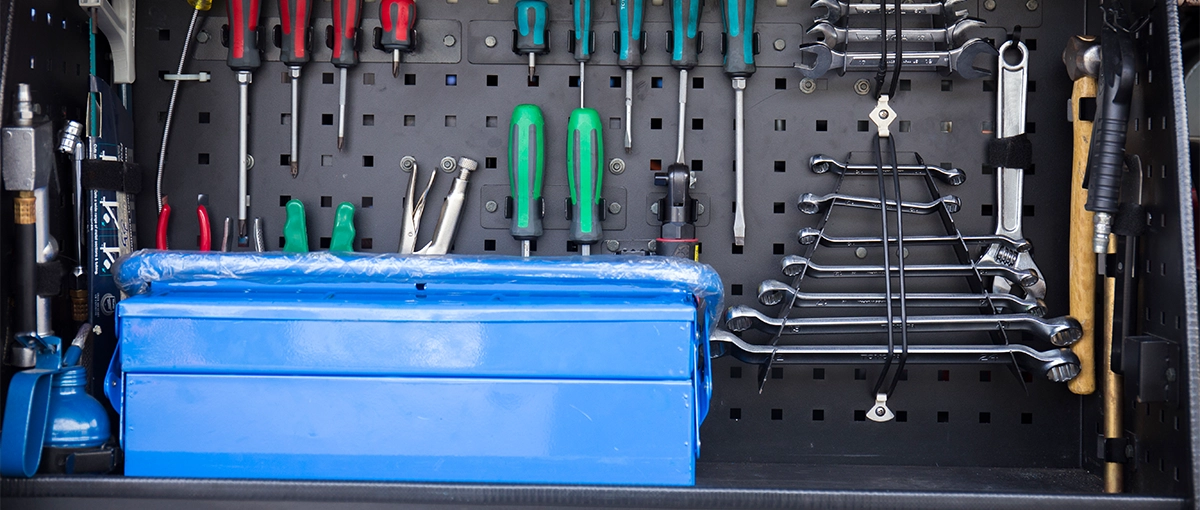
- Use wall racks or pegboards for hanging tools
- Keep frequently used tools at eye level
- Group similar tools together for quick access

Credit: www.amazon.ca
Preparing Power Tools For Storage
Storing power tools correctly keeps them safe and ready to use. Proper care stops damage and extends tool life.
Before storing, clean, check, and remove parts that can cause harm. This guide helps you prepare tools for storage.
Cleaning And Maintenance
Clean your power tools after each use. Dirt and dust can cause parts to wear out faster.
Use a soft brush or cloth to remove debris. Avoid water on electric parts to prevent damage.
- Wipe the tool body with a dry cloth
- Blow out dust from vents and crevices
- Apply light oil on moving metal parts
- Keep blades sharp and rust-free
Removing Batteries And Fluids
Take out batteries before storing power tools. Batteries may leak or lose charge over time.
Drain any fuel or fluids from tools that use gas or oil. Leftover liquids can cause damage or spills.
- Remove batteries and store them separately in a cool place
- Empty fuel tanks and run the engine until empty
- Dispose of old fluids safely according to local rules
Inspecting For Damage
Look over your tools for cracks, loose parts, or wear. Fix problems before storage to avoid bigger issues.
Check cords and plugs for cuts or frays. Damaged cords can be unsafe and should be repaired or replaced.
- Check tool body for cracks or broken parts
- Test switches and buttons for smooth operation
- Inspect power cords for damage
- Replace worn or broken parts before storing
Using Proper Storage Solutions
Keeping power tools safe helps them last longer and work better. Proper storage stops damage and keeps your workspace tidy.
Use the right storage solutions to protect your tools from dust, moisture, and accidents. Organized tools save time and effort.
Toolboxes And Cases
Toolboxes and cases offer portable and secure storage for power tools. They protect tools from dust and impact during transport.
- Choose a case with padded compartments to avoid scratches.
- Keep small accessories inside the toolbox to prevent loss.
- Label cases clearly for easy identification.
- Use waterproof cases if tools will be stored in damp areas.
Shelving And Cabinets
Shelving and cabinets help store multiple power tools in one place. They provide easy access and protect tools from dust and damage.
| Storage Type | Best For | Benefits |
|---|---|---|
| Open Shelves | Frequently used tools | Easy access, good visibility |
| Closed Cabinets | Long-term storage | Protection from dust and moisture |
| Lockable Cabinets | Expensive or dangerous tools | Added security |
Wall Mounts And Pegboards
Wall mounts and pegboards keep tools off the floor and within reach. They help save space and keep tools organized.
- Install pegboards in your workshop for hanging drills, saws, and other tools.
- Use hooks and brackets to hold tools securely.
- Arrange tools by size or type for quick access.
- Label each spot to keep tools in place.
Safety Measures To Prevent Accidents
Storing power tools safely is important to keep everyone in your home safe. Proper storage stops accidents and damage to tools.
This guide explains key safety steps to prevent accidents with power tools.
Locking Mechanisms And Childproofing
Use locks on toolboxes or cabinets to stop children from reaching power tools. Childproof locks add extra security.
- Install lockable storage boxes or cabinets
- Use childproof locks on tool handles
- Keep keys out of children’s reach
- Check locks regularly to ensure they work well
Safe Placement To Avoid Falls
Place power tools on stable shelves or racks. Avoid stacking tools where they might fall and cause injury.
| Storage Area | Safety Tip |
| Wall-mounted racks | Secure hooks tightly and check often |
| Low shelves | Keep heavy tools at bottom to avoid tipping |
| Tool chests | Close drawers fully after use |
Labeling And Signage
Clear labels help identify power tools and warn about hazards. Use signs to remind users of safety rules.
- Label each tool with its name and use instructions
- Use bright, visible warning signs near tool storage
- Place “Keep Out” signs if children are nearby
- Update labels and signs if tool use changes
Regular Checks And Maintenance
Keeping power tools safe needs regular checks and care. This helps tools last longer and stay safe to use.
Simple maintenance habits can stop accidents and costly repairs. Check tools often to find problems early.
Routine Inspections
Look over your power tools before each use. Check for cracks, loose parts, and worn wires. If you find damage, fix it before using the tool.
- Inspect cords and plugs for cuts or frays.
- Check moving parts for smooth operation.
- Test safety switches and guards.
- Clean dust and debris from vents.
- Look for unusual noises during operation.
Battery Care Tips
Keep batteries healthy to protect your tools. Store them in a cool, dry place and avoid full discharges. Charge batteries regularly but not overcharge them.
| Battery Care Step | What to Do |
| Storage | Keep batteries away from heat and moisture. |
| Charging | Use the correct charger and avoid overcharging. |
| Usage | Do not let batteries run completely dead. |
| Cleaning | Wipe contacts with a dry cloth before use. |
Updating Safety Equipment
Safety gear must be in good shape. Replace worn gloves, goggles, and masks. Keep fire extinguishers and first aid kits near your tool area.
- Check gloves for holes and tears.
- Ensure goggles have no cracks.
- Replace dust masks regularly.
- Test fire extinguisher pressure monthly.
- Restock first aid kit supplies as needed.

Credit: www.amazon.ca

Credit: www.ramblingrenovators.ca
Frequently Asked Questions
How Do I Store Power Tools Safely?
Storing power tools safely requires a dry, secure space to prevent damage. Use sturdy shelves or cabinets to organize tools. Ensure cords are coiled neatly to avoid tangling. Keep tools out of children’s reach, and always follow manufacturer guidelines for specific storage instructions.
What Is The Best Way To Organize Power Tools?
Organizing power tools efficiently involves categorizing them by type and size. Use pegboards, shelves, or toolboxes for easy access. Label shelves or bins for quick identification. Keep frequently used tools at eye level. Regularly declutter and clean the storage area to maintain order.
Can Humidity Damage My Power Tools?
Yes, humidity can severely damage power tools. Moisture can cause rust and corrosion, affecting performance. Always store tools in a dry environment. Consider using silica gel packs or dehumidifiers to control moisture levels. Regularly inspect tools for signs of rust and address issues promptly.
Should Power Tools Be Stored With Batteries?
It’s best to store power tools without batteries to prolong battery life. Remove batteries before storage to prevent leaks and damage. Store batteries in a cool, dry place. Regularly check battery charge levels and recharge as needed to maintain performance.
Conclusion
Storing power tools safely protects your tools and your home. Keep tools clean and dry before storing. Use cases or shelves to organize them well. Lock up dangerous tools away from children. Check tools regularly for damage or wear. Safe storage saves money and prevents accidents.
Small steps can make a big difference. Stay careful and keep your workspace tidy. Safe habits help tools last longer. Your safety is always worth the effort.