If you own more than one power drill, you know how quickly they can take over your workspace. Finding the right drill when you need it shouldn’t feel like a treasure hunt.
Imagine saving time and frustration by organizing your drills by type—making your projects smoother and your tools easier to access. You’ll discover simple, practical ways to sort and store your power drills so you can work smarter, not harder. Ready to transform your toolbox into a well-organized powerhouse?
Let’s get started!
Credit: www.ebay.com
Choosing The Right Storage Space
Organizing power drills by type helps you find the right tool fast. Choosing the right storage space is key to keep them safe and ready.
Good storage space protects drills from damage and keeps your workshop tidy. Think about your space before picking storage options.
Assessing Your Workshop Size
Look at how much room you have in your workshop. A small space needs compact storage solutions.
Large workshops offer more options like wall mounts or cabinets. Measure your space to plan well.
- Check floor space available for storage units
- Use vertical space with shelves or pegboards
- Consider mobile carts if space is tight
Considering Accessibility Needs
Think about how often you use each type of drill. Store frequently used drills where you can reach them easily.
Place heavy or large drills at waist height to avoid strain. Keep less used tools higher or lower.
- Store drills by type and frequency of use
- Use clear labels for quick identification
- Choose storage that allows easy grab-and-go access
Sorting Power Drills By Type
Organizing your power drills helps you find the right tool fast. Grouping drills by type keeps your workspace neat and efficient.
Different drills serve different purposes. Knowing their types makes storage and use easier.
Corded Vs Cordless Drills
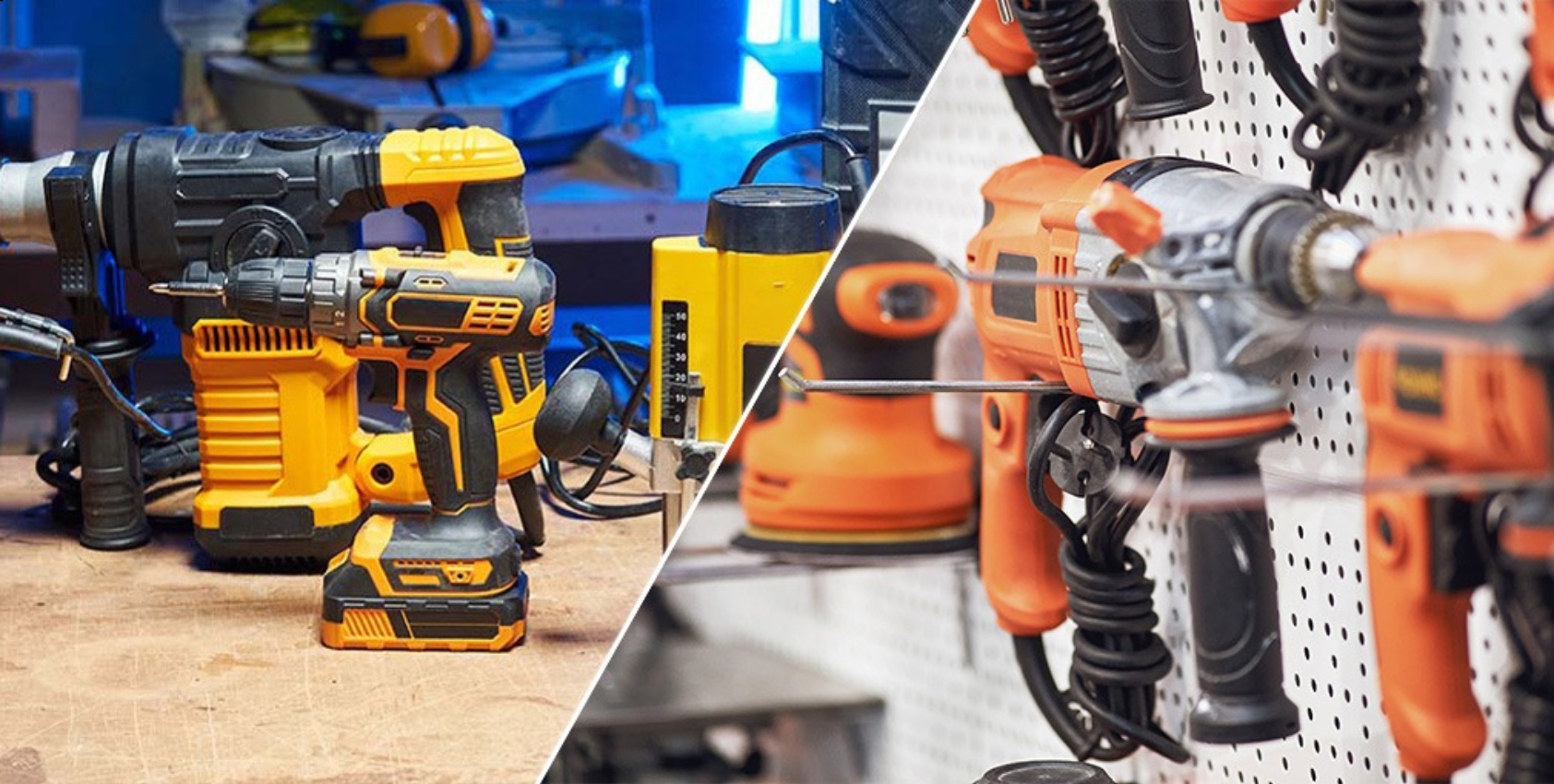
Corded drills need a power outlet. They offer constant power and are good for long jobs.
Cordless drills run on batteries. They are portable and easy to move around.
- Place corded drills near power sources
- Store cordless drills with chargers
- Keep batteries in a cool, dry place
- Label each drill type for quick access
Hammer Drills And Impact Drivers
Hammer drills add a pounding action for drilling into hard materials like concrete. Impact drivers use quick bursts of torque for driving screws.
| Drill Type | Main Use | Key Feature |
|---|---|---|
| Hammer Drill | Concrete and masonry | Hammering action |
| Impact Driver | Driving screws and bolts | High torque bursts |
Specialty Drills And Attachments
Specialty drills include right-angle drills and rotary hammers. Attachments like sanding pads and mixing paddles expand drill uses.
Tips to organize specialty drills and attachments:
- Use labeled bins for small attachments
- Hang drills on pegboards for visibility
- Keep manuals and parts together
- Group similar tools in one area
Storage Solutions For Power Drills
Organizing power drills by type helps keep your workspace tidy. It also makes finding the right drill quick and easy.
There are many ways to store power drills. Choose a method that fits your space and tool collection.
Wall-mounted Racks And Pegboards
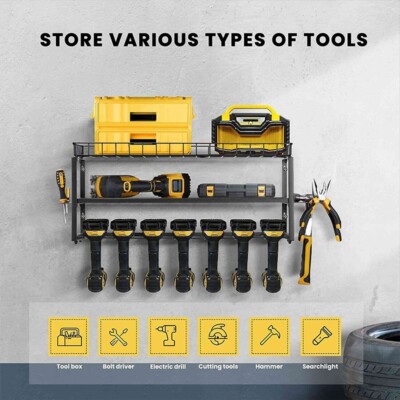
Wall-mounted racks and pegboards save floor space. They keep drills visible and easy to grab.
Use hooks or holders to secure each drill. Label spots to keep drills organized by type.
- Maximizes vertical space
- Keeps drills within reach
- Easy to customize and expand
Portable Cases And Toolboxes
Portable cases protect drills during storage and travel. They prevent dust and damage.
Toolboxes with compartments help sort drills by type. They also store drill bits and accessories.
- Good for keeping tools clean
- Easy to carry to job sites
- Organizes drills and small parts
Custom Shelving And Drawers
Custom shelves and drawers fit your exact needs. They offer a neat place for all power drills.
Add dividers to separate drills by type. Drawers keep tools hidden and dust-free.
- Fits any room size
- Protects drills from dust
- Organizes tools clearly

Credit: www.dreamstime.com
Labeling And Inventory Tips
Organizing power drills by type helps you find the right tool fast. Clear labels and good inventory keep your workspace tidy and efficient.
Using simple labeling and tracking methods saves time. It also protects your drills from getting lost or mixed up.
Using Clear Labels
Labels should be easy to read and placed on each drill or its case. Use large fonts and simple words for quick identification.
Color coding labels by drill type helps you spot tools at a glance. For example, red for cordless drills and blue for hammer drills.
- Use waterproof labels to avoid damage
- Include drill type and size on the label
- Place labels on both the tool and storage spot
- Keep labels consistent across all drills
Digital Inventory Tracking
Use a simple spreadsheet or app to track your power drills. Record details like type, brand, and location.
Regularly update your inventory when you add or remove drills. This keeps your records accurate and saves time searching.
- List drill type, model, and serial number
- Note storage location and last maintenance date
- Use checkboxes to mark drills in use or available
- Backup your inventory data to avoid loss
Maintaining Drill Organization
Keeping power drills organized helps you find the right tool fast. It also makes your workspace safe and neat.
Good organization protects your drills and extends their life. Here are tips for cleaning, inspecting, and storing batteries.
Regular Cleaning And Inspection
Clean your drills after each use to remove dust and dirt. Use a soft cloth and a small brush for tight spots.
Check for loose parts, worn cords, or cracks. Fix or replace damaged parts to keep drills working well.
- Wipe drill body with a dry cloth
- Use a brush to clear vents and crevices
- Inspect the chuck and tighten if loose
- Look for damage on cords and plugs
- Replace worn or broken parts immediately
Charging And Battery Storage
Charge batteries fully before storing them. Avoid leaving batteries on the charger for too long.
Store batteries in a cool, dry place. Keep them away from metal objects to prevent short circuits.
- Charge batteries in a well-ventilated area
- Remove batteries from drills if not in use
- Store batteries separately in a plastic case
- Keep battery contacts clean and dry
- Avoid extreme temperatures during storage
Credit: www.industrialsolution.ae
Frequently Asked Questions
How To Categorize Power Drills Effectively?
To categorize power drills, start by identifying their purpose: cordless, corded, hammer, or impact drills. Separate them based on power source and functionality. Use labeled bins or shelves for easy access. Regularly review and update your organization system to accommodate new tools or changes in your collection.
What Are The Main Types Of Power Drills?
Power drills primarily include cordless, corded, hammer, and impact drills. Cordless drills offer mobility, while corded ones deliver consistent power. Hammer drills are perfect for masonry tasks. Impact drills are ideal for driving screws. Understanding these types helps in organizing and selecting the right drill for specific tasks.
How To Maintain Organized Drill Storage?
Maintain organized drill storage by assigning dedicated spaces for each type. Use pegboards, shelves, or toolboxes with labels. Regularly clean and inspect your storage area. Ensure cords are neatly coiled and batteries are charged. This keeps your tools accessible and in good condition, enhancing their longevity and efficiency.
Why Is Organizing Power Drills Important?
Organizing power drills ensures easy access and efficient workflow. It prevents tool damage and reduces time spent searching. An organized system helps identify missing or broken tools quickly. This boosts productivity and ensures you have the right drill for every task, enhancing your overall work efficiency.
Conclusion
Organizing power drills by type saves time and space. It helps you find the right tool fast. Group drills by size, function, or brand. Store them where you use them most. Keep your workspace neat and safe. Regularly check and clean your drills.
This simple system keeps your tools ready. Start organizing today for easier projects tomorrow.