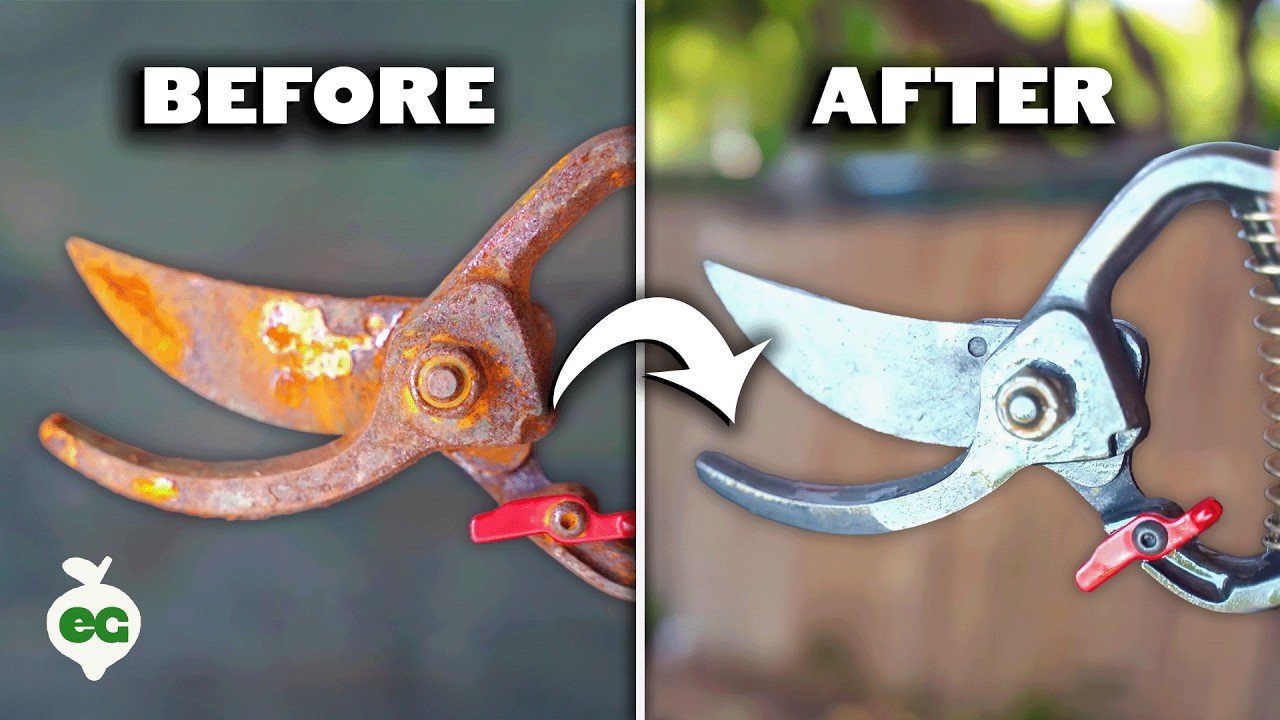
Your pruning shears are one of your most important gardening tools. But if you don’t take good care of them, they can become dull, rusty, and hard to use.
Imagine trying to prune your favorite plants with blunt blades—that frustration can ruin your whole day. The good news? With a few simple steps, you can keep your pruning shears sharp and working smoothly for years. Keep reading, and you’ll discover easy tips to protect your tool, save money, and enjoy gardening more than ever.
Credit: www.leaflimb.com
Choosing The Right Pruning Shears
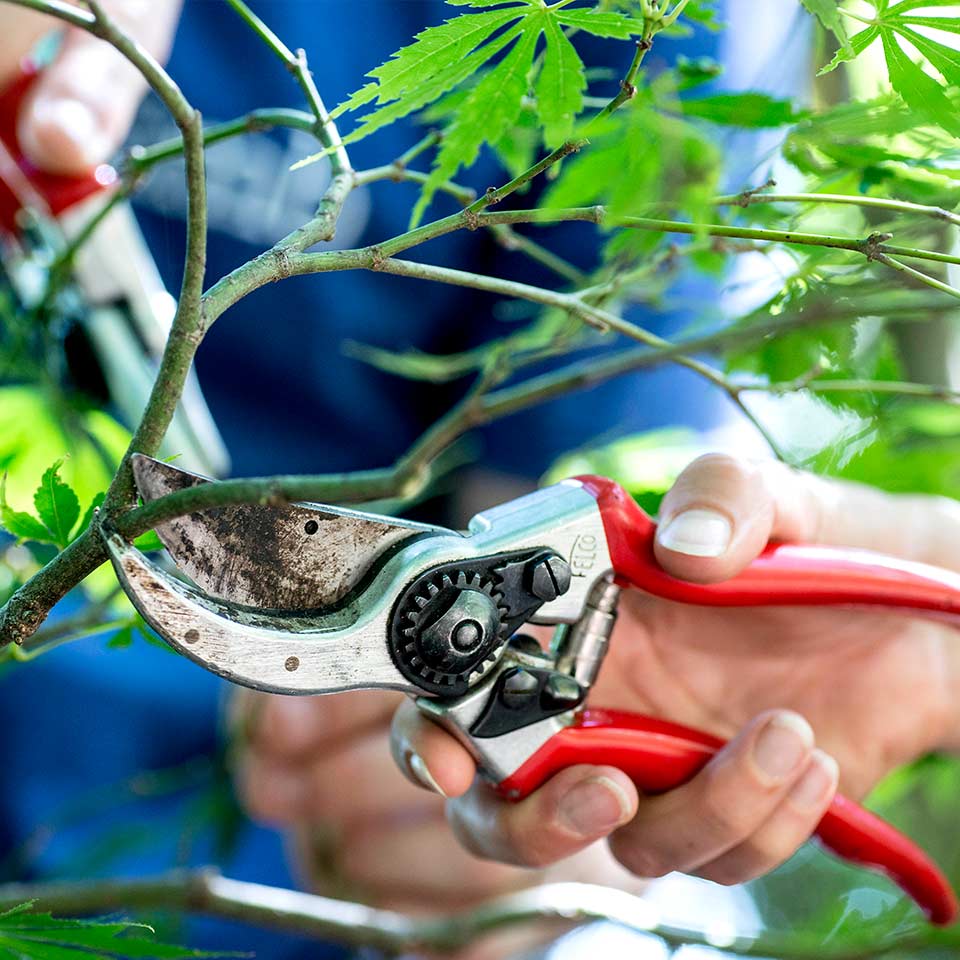
Pruning shears are key tools for gardeners. Picking the right shears helps keep plants healthy and makes work easier.
Good pruning shears last longer and need less repair. Choosing well means less effort and better cuts.
Types Of Pruning Shears
Different pruning shears fit different jobs. Some cut small stems, others handle thick branches.
- Bypass shears have two blades that pass each other. They make clean cuts on live plants.
- Anvil shears have one blade that cuts onto a flat surface. They work well on dead wood.
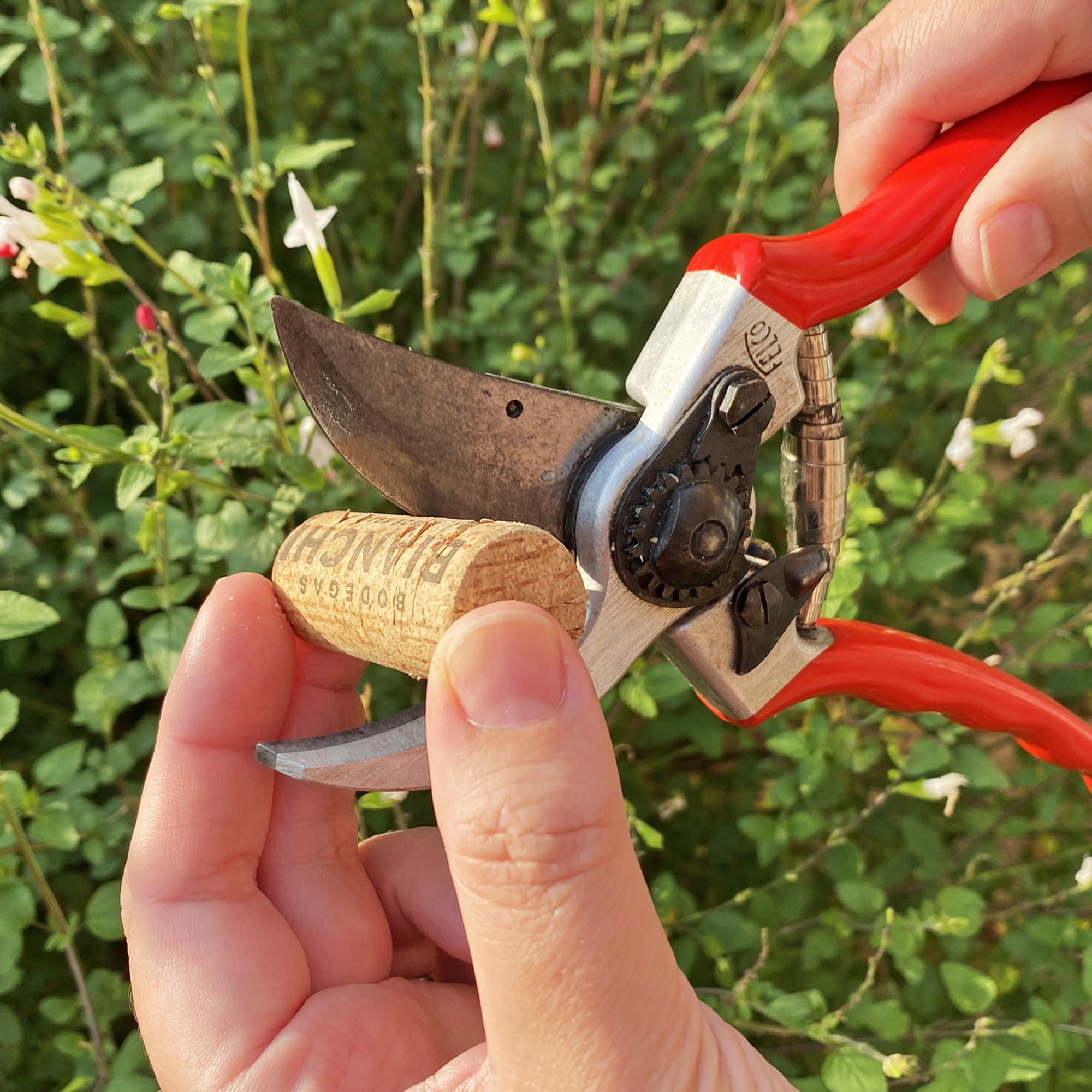
- Ratchet shears use a gear to help cut thick branches with less effort.
Materials And Build Quality
Strong materials make shears last longer. Look for steel blades that resist rust and stay sharp.
Good handles also matter. Metal or reinforced plastic handles hold up under pressure and last years.
- Carbon steel blades hold sharp edges well.
- Stainless steel resists rust and needs less care.
- Aluminum handles are light but strong.
- Plastic handles are cheaper but may break easier.
Ergonomic Considerations
Comfort is key for long use. Choose shears that fit your hand size and grip style well.
Look for cushioned handles and designs that reduce hand strain. This helps avoid pain during work.
- Soft grips reduce pressure on your hands.
- Curved handles fit natural hand shapes.
- Lightweight shears ease long jobs.
- Locking mechanisms improve safety.
Credit: www.gardeningknowhow.com
Cleaning After Each Use
Cleaning your pruning shears after every use keeps them sharp and rust-free.
Simple cleaning removes dirt and plant sap that can damage the blades.
Removing Plant Residue
Plant residue like sap and dirt sticks to blades. Use a stiff brush or cloth to wipe it off. Scrape off hardened sap gently with a plastic scraper or old credit card. Do this before cleaning with water or liquids.
Using Appropriate Cleaning Agents
Cleaning agents help remove sticky sap and kill germs. Use mild soap mixed with warm water to wash the blades. Avoid harsh chemicals that can damage the metal. After washing, rinse the shears in clean water to remove soap.
- Mild dish soap
- Warm water
- Rubbing alcohol for disinfecting
- Soft cloth or sponge
- Plastic scraper for sap removal
Drying Techniques
| Drying Method | Purpose |
| Wiping with dry cloth | Removes moisture quickly |
| Air drying in shade | Prevents rust formation |
| Applying light oil | Protects metal from rust |
After cleaning, dry pruning shears well. Use a dry cloth to wipe all parts. Let them air dry in a shaded place. Avoid leaving shears in sunlight or wet areas. Once dry, apply a thin layer of oil to protect the blades from rust.
Sharpening Blades Regularly
Pruning shears work best with sharp blades. Regular sharpening keeps cuts clean and plants healthy. It also extends the tool’s life.
Dull blades can crush stems and make pruning harder. Sharpening helps maintain the right edge for smooth cutting.
Tools For Sharpening
Use the right tools to sharpen pruning shears safely and effectively. Different tools suit different needs.
- Sharpening stones (whetstones) for fine edges
- Diamond files for quick sharpening
- Sharpening rods to smooth rough edges
- Sandpaper for light touch-ups
- Protective gloves for safety
Step-by-step Sharpening Process
Follow simple steps to sharpen pruning shears at home. Always clean the blades before sharpening.
- Remove any dirt or sap with a damp cloth
- Secure the shears in a clamp or hold firmly
- Use the sharpening stone at a 20-30 degree angle
- Move the stone along the blade edge in one direction
- Repeat until the blade feels sharp and smooth
- Wipe blades clean and apply light oil to prevent rust
Signs Blades Need Sharpening
Look for these signs to know when to sharpen your pruning shears. Timely sharpening saves effort and keeps plants safe.
- Blades tear or crush plant stems instead of clean cuts
- Extra force is needed to cut branches
- Edges look dull or rounded
- Blade slips off the branch while cutting
- Visible nicks or chips on the blade edge
Lubricating Moving Parts
Keeping your pruning shears working smoothly requires regular lubrication. This helps reduce friction and stops rust. Proper lubrication extends the life of your tool.
Focus on the moving parts where metal touches metal. Lubricating these areas keeps cutting clean and easy.
Choosing The Right Lubricant
Pick a lubricant made for garden tools or light machinery. Avoid thick greases that attract dirt. Light oils work best for pruning shears.
- Use lightweight machine oil or sewing machine oil
- WD-40 can work but is not a long-term lubricant
- Avoid heavy grease or cooking oils
- Choose rust-preventive lubricants for wet climates
Applying Lubricant Properly
Clean your shears before applying oil. Remove dirt and old grease with a cloth or brush. Apply a small amount of oil to the pivot and blade joints.
| Step | Action |
|---|---|
| 1 | Wipe blades and pivot clean |
| 2 | Place one or two drops of oil on the pivot |
| 3 | Open and close shears to spread oil evenly |
| 4 | Wipe off excess oil with a dry cloth |
Frequency Of Lubrication
Lubricate your pruning shears after every use if you prune often. For less frequent use, oil them once a month. This keeps parts moving freely and prevents rust.
- After daily or heavy use
- When blades begin to feel stiff
- Before storing for long periods
- After cleaning the shears
Storing Pruning Shears Safely
Proper storage helps keep pruning shears sharp and clean. It also stops damage and rust from forming.
Use safe storage methods to extend the life of your tools. This guide covers ideal storage conditions, protective covers, and ways to avoid damage.
Ideal Storage Conditions
Store pruning shears in a dry place to prevent rust. Keep them away from direct sunlight and moisture.
- Choose a cool, dry area like a shed or garage
- Avoid damp basements or outdoor areas
- Use shelves or hooks to keep shears off the ground
- Keep tools separate to avoid scratches
Using Protective Covers
Protective covers shield pruning shears from dust and accidental cuts. They also keep blades safe when stored.
| Cover Type | Benefits |
| Leather Sheath | Durable and protects blades well |
| Plastic Guard | Lightweight and easy to clean |
| Fabric Sleeve | Breathable but less durable |
Avoiding Damage And Rust
Clean and dry pruning shears before storing. This stops rust and damage.
- Wipe blades with a dry cloth after use
- Apply light oil to metal parts
- Store shears in a place with good air flow
- Check regularly for rust or damage
Regular Inspection And Repairs
Maintaining pruning shears helps them last longer and work better. Regular checks catch small issues early. This keeps your tools safe and sharp.
Fixing minor problems quickly avoids big repairs later. Follow these tips for inspecting and repairing your pruning shears.
Checking For Loose Screws And Bolts
Loose screws and bolts can make pruning shears unsafe and less effective. Check them often to keep the tool steady and sharp.
- Hold the shears firmly and look at each screw and bolt.
- Use a screwdriver or wrench to tighten any loose parts.
- Do not overtighten, as this can strip the threads.
- Check again after using the shears several times.
Replacing Worn Parts
Parts like blades and springs wear out with use. Replacing worn parts keeps your shears cutting smoothly and safely.
| Part | Signs of Wear | Replacement Tips |
|---|---|---|
| Blades | Dull edges, nicks, or rust | Sharpen or replace blades regularly |
| Springs | Loss of tension or breaks | Replace with exact spring size |
| Handles | Cracks or loose grips | Replace or tighten grips |
When To Seek Professional Repairs
Some damage needs expert help. Professionals can fix issues that are hard to repair at home.
- Blade alignment problems that affect cutting
- Severe rust or metal damage
- Broken parts that are not sold separately
- Complex joint or pivot repairs
Tips For Safe And Effective Use
Pruning shears help keep plants healthy and neat. Using them correctly keeps you safe.
Good care of shears makes them last longer and work better. Learn how to use them safely.
Proper Cutting Techniques
Cut branches at a clean angle to avoid crushing. This helps plants heal fast.
Use the right size shears for the branch thickness. This keeps blades sharp and prevents damage.
- Hold the branch steady before cutting
- Cut just above a bud or node
- Make smooth, firm cuts without twisting
Avoiding Overuse And Damage
Do not force shears to cut thick branches. This can bend or break the blades.
Clean your shears after each use. Dirt and sap can cause rust and dull blades.
- Sharpen blades regularly
- Oil moving parts to prevent rust
- Store shears in a dry place
Handling Sharp Blades Safely
Always close shears and lock the blades when not in use. This prevents accidents.
Wear gloves to protect your hands from cuts. Keep fingers away from the blade edge.
- Use a sheath or case for storage
- Keep blades away from children
- Check for loose screws or parts before use

Credit: www.familyhandyman.com
Frequently Asked Questions
How Often Should I Clean Pruning Shears?
Clean your pruning shears after each use to prevent rust and sap buildup. This regular maintenance helps in maintaining their cutting efficiency. Wipe the blades with a damp cloth and dry them thoroughly. Regular cleaning ensures longevity and optimal performance of the shears.
What Is The Best Way To Sharpen Pruning Shears?
Use a sharpening stone or file to sharpen your pruning shears. Ensure you follow the blade’s original angle while sharpening. Make smooth and even strokes for best results. Regular sharpening keeps the blades sharp, ensuring clean cuts and extending the tool’s life.
Can I Use Oil On Pruning Shears?
Yes, applying oil to pruning shears prevents rust and ensures smooth operation. Use light machine oil to lubricate the pivot points and blades. This simple maintenance step enhances tool longevity and functionality, keeping your shears in top condition.
How Should I Store Pruning Shears?
Store pruning shears in a dry place to prevent rust and damage. Use a sheath or protective cover for the blades. Proper storage ensures the tools remain sharp and ready for use, contributing to their long-term durability and effectiveness.
Conclusion
Caring for your pruning shears keeps them sharp and reliable. Clean blades after each use to stop rust and dirt. Oil the joints often to keep movements smooth and easy. Store shears in a dry place to protect them from moisture.
Regularly check for damage and fix small issues quickly. These simple steps help your tools last many years. Happy gardening with well-maintained pruning shears!