If you’re working with dowels, using a mallet the right way can make all the difference. A simple tap can turn into a frustrating struggle if you don’t know the best techniques.
How can you make sure your dowels fit perfectly without damaging them or your project? This guide will give you clear, easy tips to handle your mallet like a pro. Keep reading to save time, avoid mistakes, and get the strong, clean joints you want every time.
Choosing The Right Mallet
Using a mallet with dowels helps fit pieces without damage. Picking the right mallet makes your work easier and cleaner.
Different mallets offer various benefits. Knowing which one to use improves your woodworking results.
Types Of Mallets For Doweling
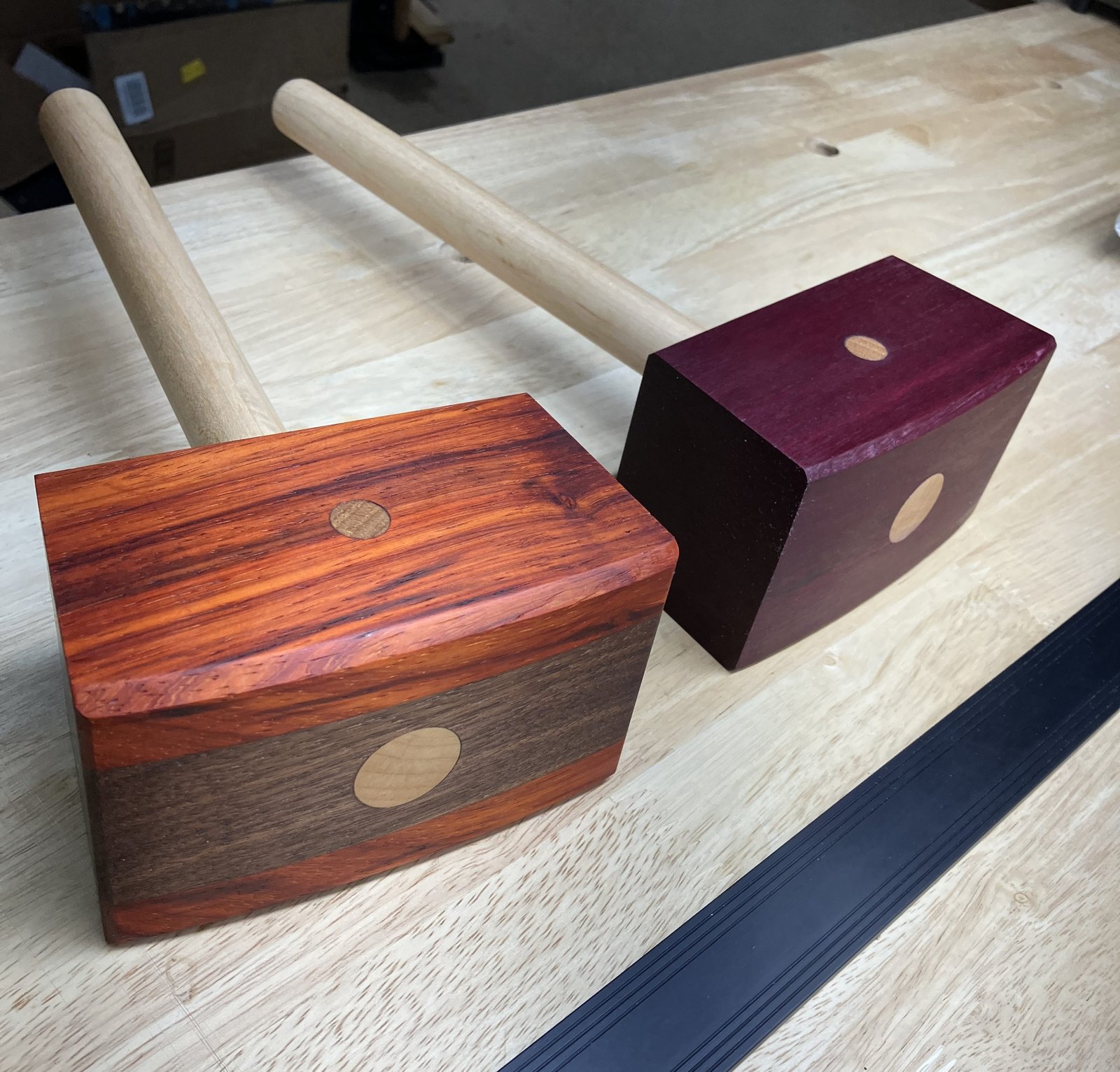
Wooden mallets are common and gentle on wood surfaces. They help avoid dents and marks on your project.
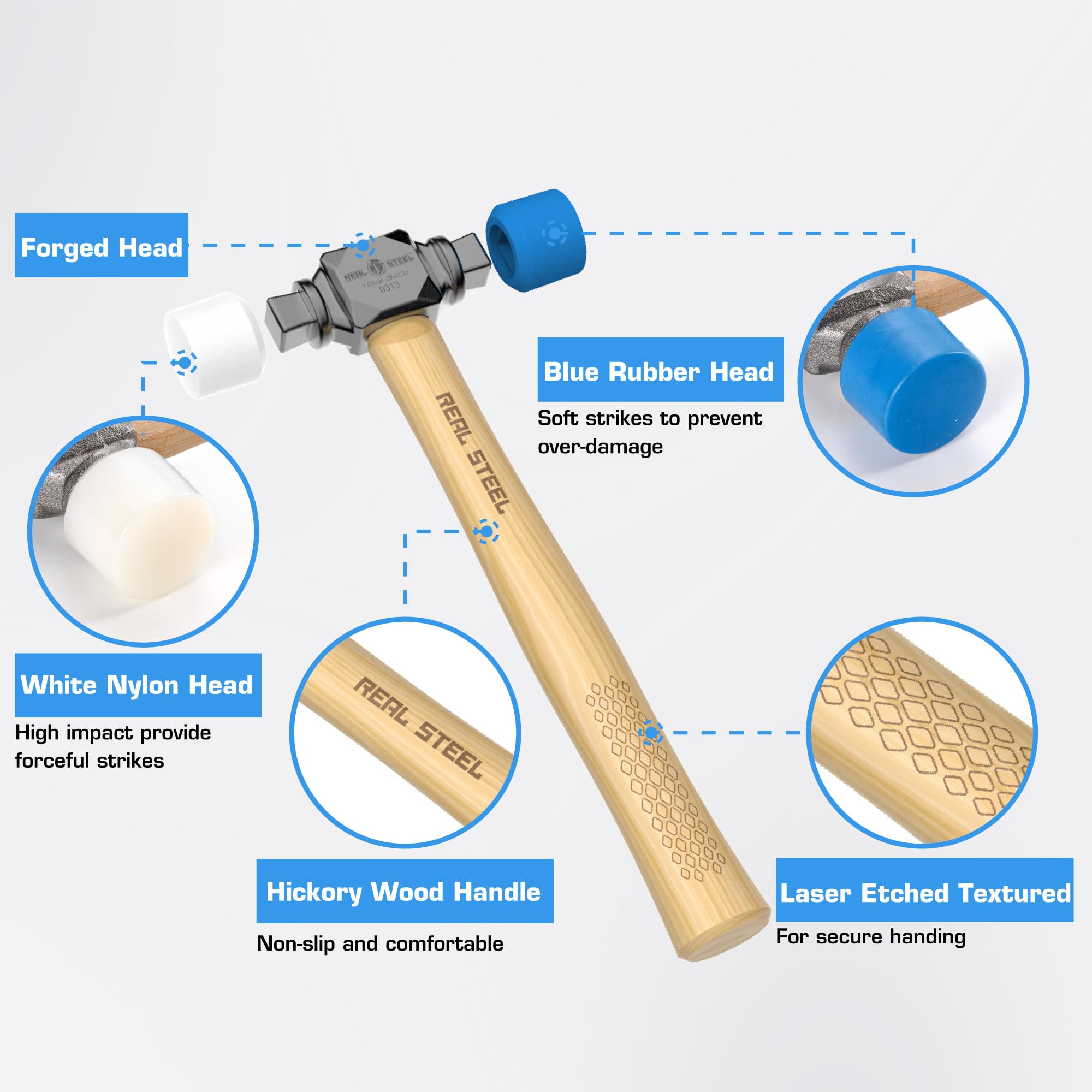
Rubber mallets give a softer hit and reduce damage risk. They are useful for delicate or finished wood pieces.
- Wooden mallets: traditional and easy to control
- Rubber mallets: soft impact, good for finished wood
- Rawhide mallets: very gentle, used for fine woodworking
Material And Weight Considerations
Choose a mallet material that suits your project’s needs. Heavy mallets give strong hits but need more control.
Lighter mallets offer better control but less force. Balance weight and material for the best fit and comfort.
- Wooden mallets: medium weight, good balance
- Rubber mallets: lighter, reduce damage
- Rawhide mallets: lightest, used for delicate tasks
Credit: www.amazon.sg
Selecting Appropriate Dowels
Using a mallet with dowels requires choosing the right type of dowels. Picking the right dowel helps you join wood pieces firmly.
Wrong dowels can split the wood or not hold well. Learn how to select dowels for best results.
Sizes And Materials
Dowels come in many sizes and materials. Size depends on the wood pieces you want to join.
Material affects strength and workability. Choose size and material that match your project needs.
- Sizes:Common diameters are 1/4″, 3/8″, 1/2″, and 3/4″. Length should be slightly less than combined thickness.
- Materials:Hardwood dowels are strong and durable.
- Softwood dowels are easier to shape but less strong.
- Plastic or metal dowels work for special projects.
Prepping Dowels For Use
Before use, check dowels for smoothness and straightness. Rough or warped dowels can cause poor fits.
Cut dowels cleanly and sand ends if needed. This helps the dowel fit well and prevents splitting.
- Trim dowel ends cleanly with a fine saw.
- Sand the ends lightly to remove splinters.
- Check dowels for bends and discard warped ones.
- Test fit dowels in holes before final assembly.
Preparing Your Workspace
Setting up your workspace helps you work safely and accurately. A clean and organized area reduces mistakes.
Make sure you have enough light and space to move tools freely. This makes using a mallet with dowels easier.
Securing Workpieces
Keep your workpieces steady before tapping dowels with a mallet. Movement can cause misalignment or damage.
Use clamps or a vise to hold wood pieces firmly. Check that the pieces do not shift during work.
- Place clamps evenly on the wood
- Use soft pads to avoid dents
- Test stability before starting
- Adjust clamps if pieces move
Marking And Aligning Dowels
Mark the exact spots for dowels on your wood pieces. Clear marks help line up dowels perfectly.
Use a ruler or marking gauge to measure and align dowel holes. Check marks on both pieces for a good fit.
- Draw marks lightly to avoid permanent scratches
- Double-check measurements before drilling
- Match marks on both joining pieces
- Use a square to keep lines straight
Techniques For Effective Striking
Using a mallet with dowels needs skill and care. Striking properly helps avoid damage and makes your work strong.
Focus on your grip, stance, and control. These help you hit accurately and with the right force.
Proper Grip And Stance
Hold the mallet firmly but not too tight. Your hand should be near the end of the handle for better control.
- Stand with feet shoulder-width apart for balance
- Keep your body relaxed to avoid tension
- Position the dowel securely before striking
- Use your wrist and forearm to guide the mallet
- Keep eyes on the target to improve accuracy
Controlling Force And Accuracy
Force control is key. Too hard can split the dowel; too soft may not join parts well.
| Force Level | When to Use | Effect |
| Light | Delicate or small dowels | Prevents damage, keeps joints tight |
| Medium | Standard doweling work | Good balance of control and strength |
| Hard | Large or tough materials | Ensures deep seating but risks splitting |
Avoiding Common Mistakes
Using a mallet with dowels needs care. Small mistakes can cause damage or poor fits.
Learn how to avoid common errors to keep your work neat and strong.
Preventing Dowels From Splitting
Dowels can split if you hit them too hard with a mallet. Use gentle taps instead of strong blows.
Make sure dowels fit well in the holes before tapping. Loose or tight fits can cause cracks.
- Check dowel size carefully
- Tap slowly and softly
- Use a wood block as a buffer
- Keep dowel ends smooth and clean
Minimizing Surface Damage
Direct hits from a mallet can leave marks on wood surfaces. Protect the surface with a soft material.
Use a scrap piece of wood or a leather pad between the mallet and the workpiece. This spreads the force evenly.
- Place a protective block on the surface
- Hold the workpiece steady
- Use a rubber or wooden mallet for less damage
- Avoid hitting edges directly

Credit: m.youtube.com
Maintaining Tools And Materials
Using a mallet with dowels works best when your tools and materials stay in good shape.
Proper care helps your mallet last longer and keeps dowels ready for use.
Caring For Your Mallet
Clean your mallet after each use to remove dirt and glue. This stops buildup that can damage the wood.
- Wipe the mallet with a dry cloth after use
- Use mild soap and water for sticky residue
- Dry the mallet fully before storing
- Apply wood oil to maintain the handle
- Check for cracks or splits regularly
Storing Dowels Correctly
Keep dowels straight and dry to prevent warping and cracking. Store them in a cool, dry place.
| Storage Method | Purpose |
| Vertical rack | Keeps dowels straight and easy to pick |
| Sealed container | Protects from moisture and dust |
| Separate by size | Makes finding the right dowel faster |
| Cool, dry area | Prevents warping and mold growth |
Advanced Tips For Precision
Using a mallet with dowels can be tricky if you want exact fits. Precision matters to avoid damaging the wood or dowels.
These tips help you work smarter and get better results when joining pieces with dowels and a mallet.
Using Jigs And Guides
Jigs and guides keep your dowel holes straight and aligned. They stop your mallet strikes from shifting the dowels sideways.
- Use a doweling jig to mark and drill holes evenly.
- Clamp the jig firmly to avoid movement during drilling.
- Check alignment before tapping dowels in with the mallet.
- Use a guide block to protect the wood surface from mallet hits.
- Test fit dowels in scrap wood to ensure the jig’s accuracy.
Combining Clamps With Mallet Use
Clamps hold pieces tightly together while you tap dowels with a mallet. This prevents gaps and misalignment.
| Clamp Type | Best Use | Benefit |
| Bar Clamp | Large panels or frames | Even pressure along the joint |
| C-Clamp | Small pieces or corners | Strong localized hold |
| Spring Clamp | Quick holds on light parts | Easy to apply and remove |
| Pipe Clamp | Long boards or irregular shapes | Adjustable length and pressure |
Always tighten clamps enough to hold parts firmly but not to squeeze out glue or damage wood.

Credit: www.mica.co.za
Frequently Asked Questions
How Do I Use A Mallet With Dowels?
Using a mallet with dowels requires precision. First, position the dowel correctly in the joint. Gently tap the dowel with a mallet to secure it. Ensure even pressure to avoid splitting. Repeat as necessary for a snug fit. This method ensures a strong and stable joint.
Why Choose A Mallet Over A Hammer?
A mallet is preferred for dowels due to its softer impact. It reduces the risk of damaging the wood or the dowel. This ensures a clean, professional finish. Using a mallet helps in maintaining the integrity of the joint. It’s an essential tool for woodworking projects.
What Type Of Mallet Is Best For Dowels?
Rubber or wooden mallets are ideal for dowels. They provide enough force without causing damage. These mallets distribute pressure evenly, protecting the dowel and wood surface. Choose a mallet with a comfortable grip for better control. This ensures precision and efficiency in your woodworking tasks.
Can A Mallet Prevent Dowel Damage?
Yes, a mallet can prevent dowel damage effectively. By providing controlled force, it minimizes the risk of splitting. A mallet’s softer head distributes pressure evenly. This maintains the integrity of both the dowel and the wood. Using a mallet is key to achieving a professional finish.
Conclusion
Using a mallet with dowels helps join wood parts tightly. Tap gently to avoid splitting the wood. Choose the right mallet size for your project. Practice steady, controlled hits for best results. Remember to align dowels carefully before tapping. This simple tool makes woodwork easier and stronger.
Keep your workspace clean and organized. Small tips like these improve your woodworking skills. Try these ideas next time you use dowels. Enjoy building with confidence and care.