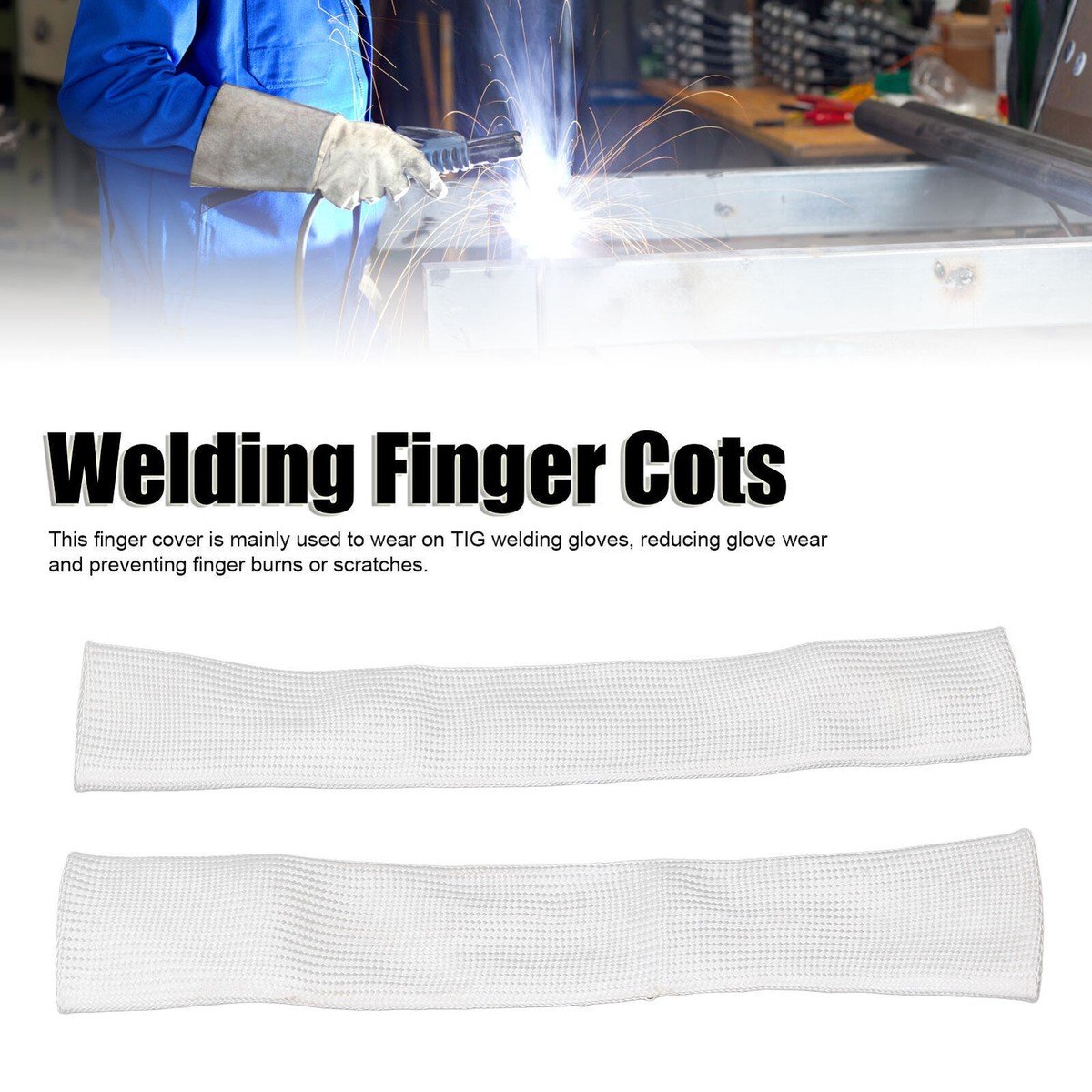
When you’re working with welding tools, your hands face intense heat and sparks every second. Using the right welding gloves isn’t just about comfort—it’s about protecting yourself from serious burns and injuries.
But simply wearing gloves isn’t enough; knowing how to use them correctly can make all the difference. You’ll discover practical tips that help you get the most heat protection from your welding gloves, keeping your hands safe and your work precise.
Keep reading to learn how to shield your hands like a pro.
Choosing The Right Welding Gloves
Welding gloves protect your hands from heat and sparks. Choosing the right gloves helps you work safely and comfortably.
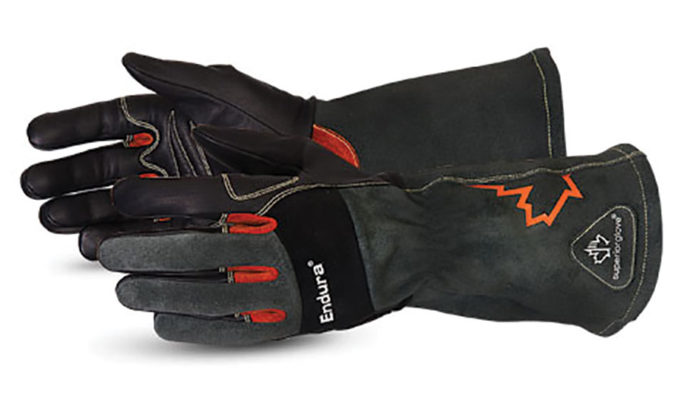
Consider the material, size, fit, and durability before buying welding gloves. These factors affect how well your gloves perform.
Material Types And Heat Resistance
Welding gloves come in different materials. Each type offers a different level of heat resistance and protection.
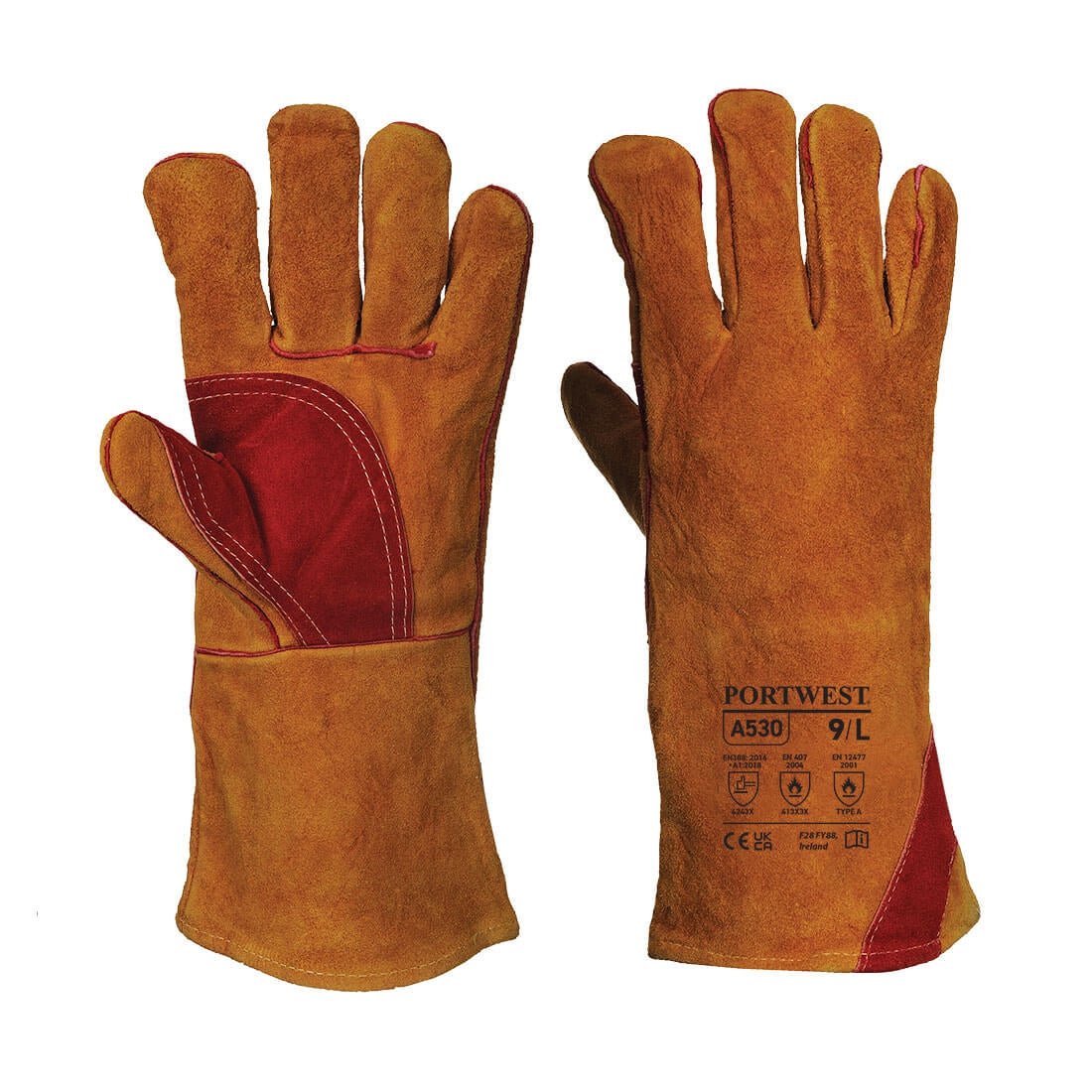
- Leather:Common and durable, resists heat well.
- Kevlar:Adds heat resistance and cut protection.
- Aluminized:Reflects heat and is best for high temperatures.
- Split Leather:Offers flexibility but less heat protection.
Size And Fit Considerations
Gloves must fit well to keep your hands safe. Too loose or tight gloves reduce control and comfort.
| Size | Fit Description | Effect on Safety |
| Small | Tight on fingers and palm | Limits movement, may tear |
| Medium | Snug but flexible | Good control and protection |
| Large | Loose, extra space | Less control, risk of snagging |
Durability And Comfort Factors
Durable gloves last longer and resist wear. Comfort keeps you working without pain or fatigue.
- Check for strong stitching and thick material.
- Look for gloves with soft lining to reduce sweating.
- Choose gloves that allow finger movement and flexibility.
- Consider gloves with reinforced palms for extra wear resistance.
Credit: www.ishn.com
Proper Glove Usage Techniques
Welding gloves protect your hands from heat and sparks. Using them the right way keeps you safe and comfortable. Learn how to wear and handle gloves correctly for the best protection.
Good glove habits help prevent injuries and improve your work quality. Follow these tips to use welding gloves safely and effectively.
Correct Wearing Practices
Always put on welding gloves before starting your work. Make sure they fit well and cover your wrists fully. Loose gloves can catch sparks; tight gloves may limit movement.
- Check gloves for tears or holes before wearing
- Wear gloves that match the heat level of your task
- Pull gloves over the sleeve of your jacket
- Replace gloves that are worn out or damaged
- Keep gloves dry to maintain heat resistance
Avoiding Common Mistakes
Many welders make simple errors that reduce glove safety. Avoid these to keep your hands protected and avoid accidents.
| Mistake | Effect |
| Wearing gloves with holes | Heat and sparks can burn skin |
| Using gloves not made for welding | Less protection from heat and cuts |
| Not removing gloves when handling hot metal | Increased risk of burns |
| Ignoring glove maintenance | Reduced durability and safety |
| Wearing wet gloves | Water can cause steam burns |
Maintaining Dexterity And Safety
Good dexterity helps you work faster and safer. Choose gloves that balance heat protection and hand movement. Keep your gloves clean and flexible.
Tips for better dexterity:
- Pick gloves with a snug but comfortable fit
- Use gloves with flexible materials in the fingers
- Keep gloves free of dirt and grease
- Practice hand movements while wearing gloves
- Take breaks to remove gloves and let hands breathe
Glove Maintenance And Care
Welding gloves protect your hands from heat and sparks. Keeping them clean and cared for extends their life. Proper maintenance helps keep your gloves safe and comfortable to wear.
Follow simple steps to clean, store, and inspect your gloves. This keeps them working well and prevents damage during use.
Cleaning Methods
Remove dirt and sweat from your gloves to keep the leather soft. Use gentle cleaning techniques to avoid damage.
- Brush off loose dirt with a soft brush.
- Use a damp cloth and mild soap for stains.
- Do not soak gloves in water.
- Let gloves air dry away from heat sources.
Storage Tips
Store gloves properly to keep their shape and protect them from damage. Avoid places that are hot or damp.
| Storage Condition | Why It Matters |
| Cool, dry place | Prevents leather from cracking and mold growth |
| Away from direct sunlight | Stops fading and material weakening |
| Flat or hung position | Keeps glove shape intact and ready to use |
Inspecting For Damage
Check your gloves before each use to find holes or worn areas. Damaged gloves do not protect you well.
- Look for cracks or tears in the leather.
- Check the stitching for loose threads.
- Feel for thin spots where heat could pass.
- Replace gloves if damage is found.

Credit: canadaweldingsupply.ca
Enhancing Heat Protection
Welding gloves help protect your hands from heat. Using them the right way keeps you safe.
There are ways to improve heat protection while working with welding gloves. This guide explains how.
Layering Gloves
Wearing two pairs of gloves adds extra heat protection. The inner glove can be thinner and comfortable.
The outer glove should be thicker and heat resistant. Layering helps stop heat from reaching your skin.
- Use a cotton glove inside for comfort
- Choose a leather or heat-proof glove outside
- Make sure gloves fit well to keep dexterity
Using Additional Protective Gear
Gloves alone cannot protect you fully from heat. Use other gear like sleeves and aprons for better safety.
Heat-resistant jackets, face shields, and welding helmets protect your whole body. They reduce the risk of burns.
- Wear a heat-resistant apron to protect your torso
- Use welding sleeves to cover arms
- Put on a helmet with a face shield
Handling High-temperature Materials Safely
Always use tools like tongs or clamps to hold hot materials. This keeps your gloves from direct contact with heat.
Work slowly and stay focused. Avoid rushing to prevent burns or accidents when moving hot objects.
- Use proper tools to pick up hot items
- Keep your gloves dry for better heat resistance
- Check gloves often for signs of wear or damage
Signs To Replace Welding Gloves
Welding gloves protect your hands from heat and sparks. Knowing when to replace them is very important. Old gloves can fail and cause injuries.
Look for clear signs that your gloves need replacement. This helps keep your hands safe during work.
Wear And Tear Indicators
Check your gloves regularly for visible damage. Cracks, holes, or thinning areas show wear and tear. These make gloves less effective at protection.
- Holes or tears in the fabric or leather
- Frayed seams or loose stitching
- Hard or stiff spots that reduce flexibility
- Discoloration or burnt patches
- Worn lining inside the glove
Compromised Heat Resistance
Heat resistance is the main job of welding gloves. If gloves feel thinner or warm quickly, they may no longer protect well. Heat damage can weaken materials.
| Heat Damage Signs | Effect on Gloves |
| Burn marks or melted spots | Reduced heat protection |
| Loss of glove thickness | Less insulation |
| Hard or brittle material | Increased risk of burns |
Impact On Safety And Performance
Damaged gloves can cause accidents. They reduce your grip and control. You may drop tools or get burned more easily. Safety and performance drop as gloves get worse.
- Gloves lose flexibility, making hand movement harder.
- Damaged gloves increase chance of sparks reaching skin.
- Worn gloves reduce your confidence and focus at work.
- Replacing gloves on time prevents injuries and delays.
Credit: mannsupply.com
Frequently Asked Questions
How Do Welding Gloves Protect Against Heat?
Welding gloves are designed with heat-resistant materials like leather. They provide insulation and protect hands from high temperatures. The gloves also offer dexterity and grip, essential for welding tasks. They cover the wrists and forearms, ensuring comprehensive protection. Regular maintenance and checking for wear enhance their effectiveness.
What Materials Are Best For Welding Gloves?
Leather is the most common material used for welding gloves. It is durable and heat-resistant, providing excellent protection. Types of leather include cowhide, goatskin, and pigskin. Each offers unique benefits like flexibility or enhanced dexterity. Choose based on the specific welding task and personal comfort.
How Often Should Welding Gloves Be Replaced?
Welding gloves should be replaced when they show signs of wear or damage. Regular inspection is crucial to ensure safety. Look for thinning areas, tears, or reduced heat resistance. Prompt replacement ensures optimal protection and performance. Frequent use might require more regular replacements compared to occasional use.
Can Welding Gloves Be Used For Other Tasks?
Yes, welding gloves can be used for tasks requiring heat protection. They are suitable for handling hot materials or working in high-temperature environments. However, ensure the gloves are appropriate for the specific task. Their bulkiness might limit dexterity for precision tasks outside welding.
Conclusion
Welding gloves protect your hands from heat and sparks. Choose gloves that fit well and feel comfortable. Check gloves often for wear or damage. Keep gloves clean and dry to last longer. Use gloves every time you weld for safety.
Safe hands mean better work and fewer injuries. Simple steps keep your hands safe and warm. Stay careful, stay protected, and weld with confidence.