
If you use a circular saw regularly, you know how important it is to keep your blades sharp and ready. But did you know that how you store your circular saw blades can make a big difference in their performance and lifespan?
If your blades get rusty, dull, or damaged, your cuts won’t be clean, and you might even risk your safety. You’ll discover simple and effective tips that will help you store your circular saw blades properly. By following these easy steps, you can save money, work faster, and get better results every time you pick up your saw.
Keep reading to learn how to protect your blades like a pro.
Choosing The Right Storage
Storing circular saw blades properly keeps them sharp and safe. The right storage prevents damage and rust.
Different storage options fit different needs. Choose one that matches your space and blade types.
Wall Mounts And Racks
Wall mounts and racks save space and keep blades visible. They allow quick access to blades of different sizes.
- Easy to install on any wall
- Keeps blades separate to avoid damage
- Allows good air circulation to prevent rust
- Works well in workshops with limited floor space
Blade Storage Cases
Blade storage cases protect blades from dust and moisture. They come in hard or soft designs and fit one or more blades.
| Type | Protection Level | Capacity |
| Hard Case | High | 1-5 blades |
| Soft Pouch | Medium | 1-3 blades |
| Multi-Blade Box | High | 5-10 blades |
Magnetic Holders
Magnetic holders keep blades fixed on metal surfaces. They save space but need careful handling to avoid blade contact.
Tips for using magnetic holders:
- Place blades with teeth facing away from each other
- Check magnets hold blades firmly
- Keep away from children and pets
- Regularly clean magnets to keep strong hold

Credit: www.klium.com
Cleaning Before Storage
Keeping circular saw blades clean before storing helps them last longer. Dirt and resin can cause damage over time.
Proper cleaning removes buildup and prevents rust. This makes blades ready for the next use.
Removing Resin And Pitch
Resin and pitch stick to blades after cutting wood. These sticky substances can slow the blade and cause damage.
Use a soft brush to scrub the blade gently. This helps break down the resin and pitch without harming the teeth.
- Apply a small amount of cleaner to the blade
- Let it sit for a few minutes to soften buildup
- Use a soft brush to scrub away the residue
- Wipe the blade with a clean cloth
Using Appropriate Cleaners
Choose cleaners made for saw blades or mild household solutions. Avoid harsh chemicals that can damage metal.
Simple cleaners include soapy water or a mix of water and vinegar. These safely remove dirt and grime.
- Use mild dish soap with warm water
- Try a vinegar and water mix for tough spots
- Avoid bleach or acidic cleaners
- Always test on a small area first
Drying Techniques
After cleaning, dry the blade thoroughly. Moisture can cause rust and reduce blade life.
Use a soft cloth to wipe off water. Let the blade air dry in a cool, dry place before storing.
- Wipe with a clean, dry cloth immediately
- Place blade on a towel to air dry fully
- Store blades in a dry area with low humidity
Protecting Blades From Damage
Circular saw blades need careful storage to keep them sharp and safe. Damaged blades can cause poor cuts and increase risk of injury.
Use simple methods to protect blades from scratches and bending. This guide covers key tips to help you store blades correctly.
Avoiding Blade Contact
Keep blades from touching each other or hard surfaces. Contact can dull teeth and cause chips or cracks.
- Store blades separately in individual sleeves or wrappers
- Use blade racks or pegboards to hang blades without touching
- Place soft cloth or foam between stacked blades
- Keep blades in a dry, clean area to prevent rust
Using Blade Guards
Blade guards protect sharp edges and prevent accidents during storage and transport. Always cover blades with proper guards.
| Type of Guard | Material | Use Case |
| Plastic Sheath | Hard plastic | General storage and shipping |
| Metal Cover | Light metal | Heavy-duty blades or long-term storage |
| Foam Sleeve | Foam or rubber | Extra cushioning for delicate blades |
| Custom Case | Plastic or metal box | Transport and storage combined |
Safe Handling Practices
Handle blades carefully to avoid damage and injury. Follow these safe practices every time you move or store blades.
- Wear cut-resistant gloves to protect your hands
- Hold blades by the center hole or flat sides, not the teeth
- Lift blades gently without dropping or banging them
- Inspect blades for damage before and after storage
- Clean blades and dry them to stop rust before storing
Maintaining Blade Sharpness
Keeping your circular saw blades sharp is key for safe and smooth cuts.
Proper care helps the blade last longer and work better every time.
Regular Inspection
Check your blades often for damage or dull edges before each use.
- Look for chipped or missing teeth
- Inspect for rust or corrosion
- Check if the blade is bent or warped
- Remove any resin or pitch buildup
Proper Lubrication
Lubricate blades to reduce friction and heat during cutting.
| Lubricant Type | Usage Tips |
| Dry lubricants | Apply lightly to avoid buildup |
| Oil-based lubricants | Wipe excess to prevent dirt attraction |
| Silicone sprays | Good for rust prevention |
When To Sharpen
Sharpen blades as soon as you notice reduced cutting performance.
- The blade cuts slower than usual
- Edges appear rounded or dull
- Burn marks appear on wood
- More force is needed to cut
- Blade vibrates or makes unusual noise
Environmental Considerations
Storing circular saw blades properly is important to keep them sharp and safe. Environmental factors like humidity and temperature affect blade condition. Taking care of these can prevent damage and extend blade life.
Below are key tips on how to control humidity, manage temperature, and avoid corrosion when storing circular saw blades.
Humidity Control
High humidity causes moisture to build up on blades, which can lead to rust. Keep blades in a dry place with low moisture. Use silica gel packs or a dehumidifier to reduce humidity in storage areas.
- Store blades in airtight containers
- Use moisture absorbers like silica gel
- Avoid damp basements or garages
- Check humidity levels regularly
Temperature Effects
Extreme temperatures can warp or weaken saw blades. Avoid storing blades in places with wide temperature changes. A stable, moderate temperature helps keep blades in good shape.
| Temperature Range | Effect on Blades |
| Below 32°F (0°C) | Metal contraction, possible brittleness |
| 32°F to 77°F (0-25°C) | Safe range, minimal risk |
| Above 77°F (25°C) | Metal expansion, potential warping |
Avoiding Corrosion
Corrosion damages blade teeth and reduces cutting power. Clean blades after use and apply a light oil coating before storing. This protects the metal from rust and corrosion.
- Wipe blades clean with a dry cloth
- Apply a thin layer of machine oil or blade protector
- Keep blades separated to avoid scratches
- Inspect blades regularly for rust spots

Credit: www.bosch-pt.co.in
Organizing For Easy Access
Keeping your circular saw blades organized helps you find the right blade fast. Proper storage protects blades from damage and saves time.
Use simple methods like labeling, sorting, and choosing the right storage spots. This keeps your workspace neat and efficient.
Labeling Blades
Label each blade clearly to know its purpose at a glance. Use tags or markers that stick well and do not fade easily.
- Write the blade size and type on the label
- Include the material it is best for cutting
- Use waterproof labels for durability
- Place labels near the center hole or on the blade case
Sorting By Size And Type
Group blades by size and type to avoid confusion. This helps you pick the right blade quickly and keeps your collection tidy.
| Blade Size | Type | Use |
| 7 1/4 inch | General Purpose | Wood Cutting |
| 10 inch | Fine Finish | Trim Work |
| 12 inch | Ripping | Cutting Along Grain |
| 4 1/2 inch | Metal Cutting | Metal Pipes and Sheets |
Storage Location Tips
Choose a dry and easy-to-reach place for your blades. Avoid spots where blades may get knocked or exposed to moisture.
- Use wall-mounted racks or pegboards for visibility
- Store blades in labeled cases or sleeves
- Keep blades off the floor to prevent rust
- Place frequently used blades near your workbench
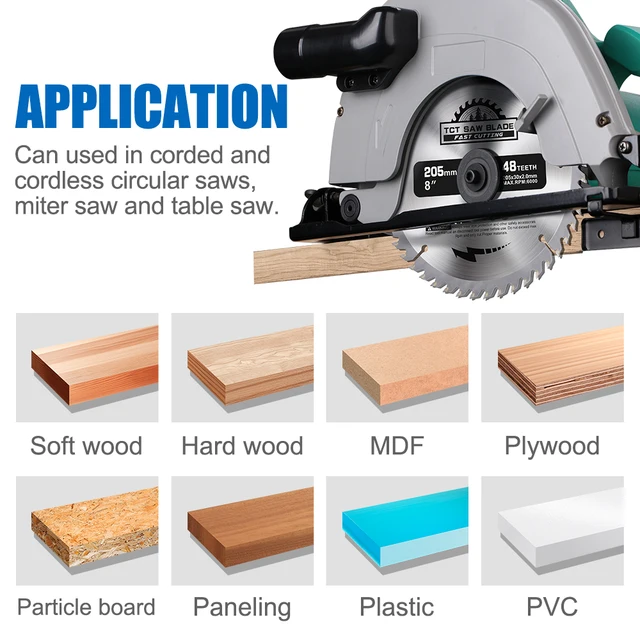
Credit: www.aliexpress.com
Frequently Asked Questions
How To Store Circular Saw Blades Safely?
Store circular saw blades in a dry, cool area to prevent rust. Use blade covers or cases for added protection. Hanging them on a pegboard or using blade storage containers keeps them organized. Always ensure blades are clean and dry before storage to maintain their quality and lifespan.
Can Humidity Damage Circular Saw Blades?
Yes, humidity can lead to rust and corrosion on circular saw blades. Store them in a climate-controlled area to avoid moisture exposure. Consider using silica gel packs in storage containers to absorb excess moisture. Regularly inspect blades for rust and clean them promptly to prevent damage.
What Is The Best Way To Organize Saw Blades?
Organize saw blades by size and type using labeled containers or pegboards. This method makes identification and access easy. Consider using blade storage racks for a more structured setup. Ensure blades are stored upright to prevent warping or bending, which can impact their performance.
Should Circular Saw Blades Be Cleaned Before Storage?
Yes, clean saw blades before storage to remove debris and resin. Use a soft brush and mild detergent for cleaning. Rinse and dry them thoroughly to prevent rust. Regular cleaning before storage extends the blade’s life and ensures optimal cutting performance when next used.
Conclusion
Storing circular saw blades properly keeps them sharp and safe. Use a dry, clean place to avoid rust and damage. Separate blades to stop them from scratching each other. Label each blade for easy finding when needed. Regular care extends blade life and improves cutting results.
Simple steps protect your tools and save money. Keep your workspace organized and efficient. Good storage makes your work easier and safer every time.