Have you ever faced the frustration of trying to loosen a tight bolt with a socket wrench, only to feel stuck and unsure of what to do next? You’re not alone.
Tight bolts can be tough, and using the right technique can save you time, effort, and even prevent damage to your tools or project. You’ll discover practical, easy-to-follow tips that will help you get those stubborn bolts moving smoothly. Keep reading, and you’ll gain the confidence to tackle tight bolts like a pro every time.
Choosing The Right Socket Wrench
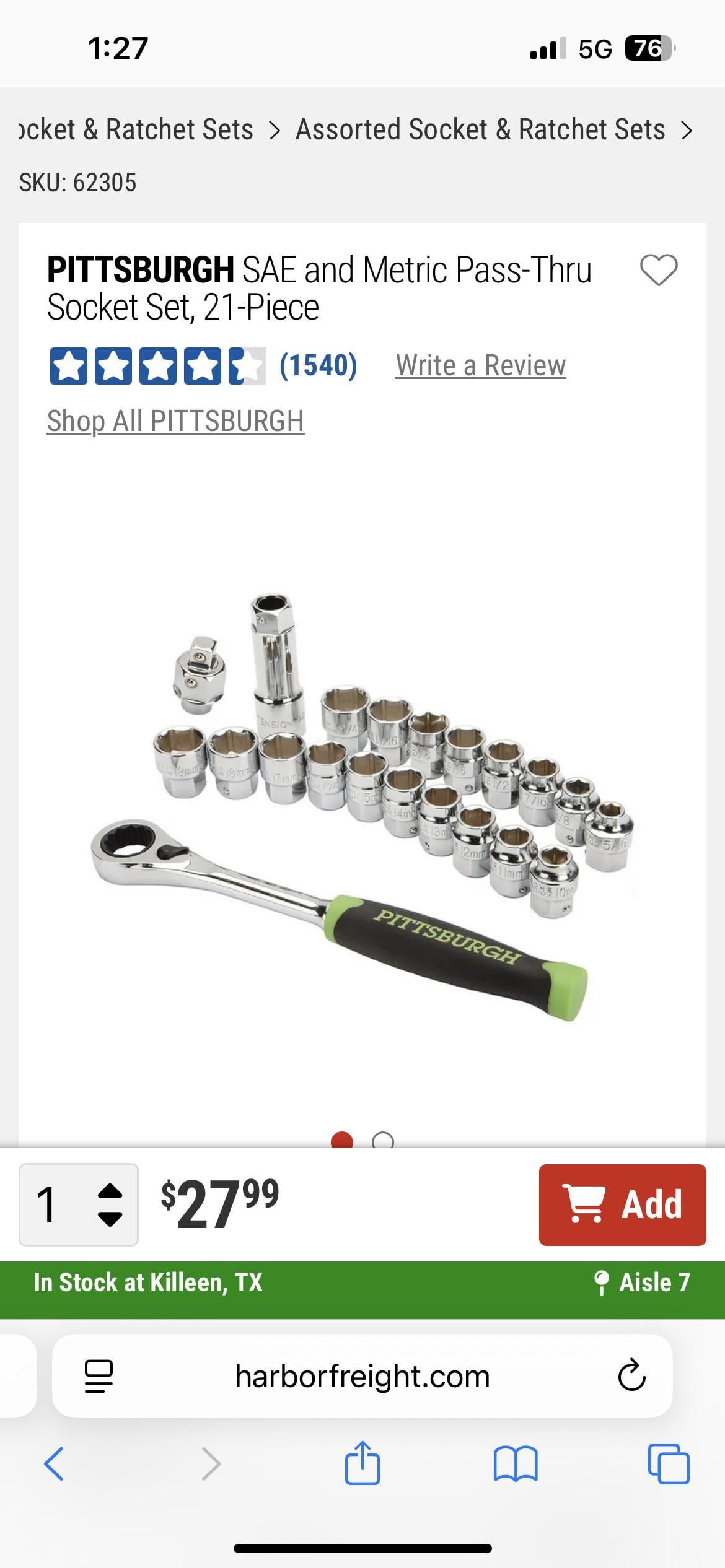
Using a socket wrench on tight bolts needs the right tools. Choosing the right socket wrench helps you work faster and safer.
This guide covers how to pick the best socket wrench by size, type, and quality. These tips will make your work easier.
Selecting Appropriate Socket Sizes
Pick a socket size that fits the bolt exactly. A tight fit stops the wrench from slipping and damaging the bolt.
Using the wrong size can strip the bolt head or make your job harder. Measure the bolt size if unsure.
- Use metric sockets for metric bolts
- Use standard sockets for inch-based bolts
- Check socket size marks before use
- Try the socket on the bolt before applying force
Types Of Socket Wrenches
There are many socket wrench types. Choose one that fits your work needs and space.
Ratchet wrenches are common and easy to use. Breaker bars give more power but need more space. Flex heads reach tight spots.
- Ratchet wrench: fast, good for most jobs
- Breaker bar: strong, for very tight bolts
- Flex head wrench: bends to reach tight places
- Torque wrench: tightens bolts to exact force
Material And Build Quality
Strong materials last longer and work better. Look for sockets made from chrome vanadium or steel.
Good build quality means smooth ratchet action and tight socket fit. Avoid cheap tools that can break or slip.
- Chrome vanadium steel resists rust and wear
- Polished finish makes cleaning easier
- Heat-treated tools are stronger
- Check for solid handle and ratchet mechanism

Credit: www.ebay.com
Preparing The Work Area
Using a socket wrench on tight bolts needs a clean and safe workspace. Preparing the area helps you work faster and avoid accidents.
Focus on clearing the space, improving visibility, and arranging your tools. These steps make the job easier and more efficient.
Cleaning The Bolt And Surrounding Area
Remove dirt and rust from the bolt and nearby surfaces. This prevents slipping and helps the wrench grip better.
- Use a wire brush to clean the bolt threads.
- Wipe away grease and dust with a rag.
- Apply a rust remover if the bolt is corroded.
- Clear any debris around the bolt to avoid distractions.
Ensuring Proper Lighting
Good lighting helps you see the bolt and wrench clearly. It reduces mistakes and speeds up your work.
| Lighting Type | Best Use |
| Overhead Light | General illumination of the work area |
| Portable LED Lamp | Focused light on hard-to-see bolts |
| Headlamp | Hands-free lighting for tight spaces |
Organizing Tools For Efficiency
Keep all needed tools close and easy to reach. This saves time and avoids frustration while working.
- Socket wrench with the correct socket size attached
- Extra sockets arranged by size
- Lubricant spray for stuck bolts
- Rags for cleaning
- Small container to hold removed bolts and nuts
Techniques For Loosening Tight Bolts
Tight bolts can be hard to loosen with a socket wrench. Using the right methods helps reduce effort and avoid damage. This guide covers three useful techniques.
Follow these tips to work safely and effectively when dealing with stuck bolts.
Applying Penetrating Oil
Penetrating oil helps loosen rust and dirt around the bolt threads. This makes turning easier. Spray the oil directly on the bolt and wait before trying to loosen it.
- Spray a generous amount of penetrating oil on the bolt and surrounding area.
- Wait at least 10 minutes for the oil to soak in.
- If possible, apply oil multiple times over an hour for very stuck bolts.
- Use a wire brush to clean rust before applying oil if needed.
- Try loosening the bolt gently after waiting.
Using Impact Socket Wrenches
Impact socket wrenches deliver strong, quick bursts of force. This helps break loose bolts that are stuck tight without slipping or rounding the bolt head.
| Tool Type | Best Use | Key Benefit |
| Manual Socket Wrench | Light to moderate bolts | Controlled torque |
| Impact Socket Wrench | Very tight or rusted bolts | High impact force |
| Breaker Bar | Extra leverage | More torque |
Tapping For Loosening Stuck Bolts
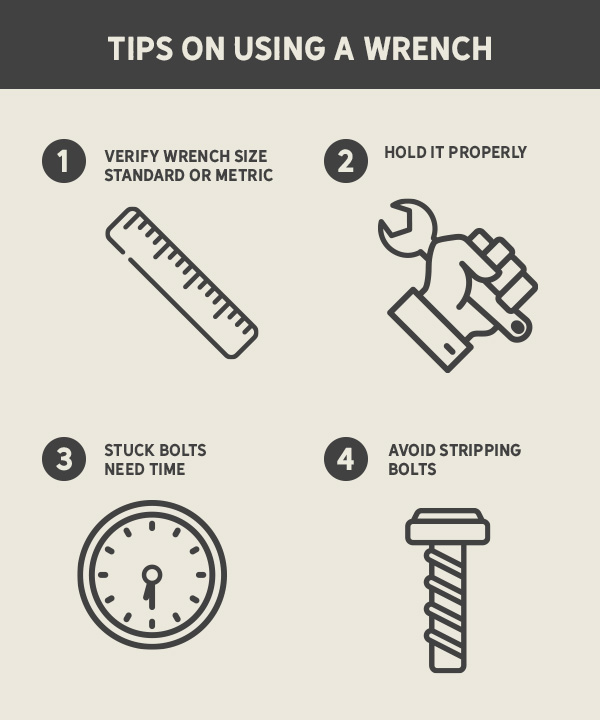
Tapping the bolt gently with a hammer helps break the rust or debris holding it tight. Use light taps to avoid damaging the bolt or threads.
Follow these tapping tips:
- Use a small hammer or mallet for control.
- Tap around the bolt head evenly to loosen stuck threads.
- Tap after applying penetrating oil for better results.
- Avoid heavy hits that can damage the bolt or tool.
Credit: www.mccoys.com
Maximizing Torque And Leverage
Using a socket wrench on tight bolts can be challenging. Increasing torque and leverage helps loosen stuck bolts faster.
Simple techniques and tools can improve your grip and turn power. This guide covers three key tips for better results.
Using Extension Bars
Extension bars add length to your socket wrench handle. This extra length increases leverage and torque.
Choose the right extension bar length. A longer bar means more turning power but less control.
- Attach the extension bar firmly to the wrench and socket.
- Use a bar that fits your workspace size.
- Keep the extension straight to avoid slipping.
Employing Cheater Bars Safely
A cheater bar is a strong pipe placed over the wrench handle. It increases leverage but requires care.
| Tip | Reason | Safety Note |
| Use a pipe that fits snugly over the handle | Prevents slipping and damage | Check pipe for cracks before use |
| Apply slow, steady force | Reduces risk of sudden breakage | Wear gloves to protect hands |
| Do not use on damaged or rusted tools | Prevents accidents from tool failure | Inspect tools regularly |
Proper Hand Positioning
Correct hand placement improves control and power when using a socket wrench.
- Hold the wrench near the end of the handle for more torque.
- Keep your wrist straight to avoid strain.
- Use your dominant hand to push or pull the wrench.
- Position your body to apply steady pressure.
Safety Tips During Operation
Using a socket wrench on tight bolts can be tough. Safety is very important to avoid injuries. Follow these tips to stay safe while working.
Always prepare before starting. This helps you work better and protects your body from harm.
Wearing Protective Gear
Wear gloves to protect your hands from cuts and bruises. Gloves also improve your grip on the wrench.
Safety glasses keep your eyes safe from flying debris or sparks. Use them every time you work with tools.
- Wear sturdy gloves
- Use safety glasses
- Consider wearing long sleeves
Avoiding Overexertion
Do not use too much force at once. Push steadily and take breaks if you feel tired.
Overexertion can cause muscle strain or loss of control. Work at a steady pace to stay safe.
- Apply steady pressure
- Take breaks when needed
- Ask for help if bolt is too tight
Checking Tool Condition Regularly
Inspect your socket wrench before use. Look for cracks, rust, or worn parts that could break.
A damaged tool can slip or break, causing injury. Keep tools clean and in good shape.
- Check for cracks or damage
- Clean tools after use
- Replace worn or broken parts
Maintaining Your Socket Wrench
Keeping your socket wrench in good shape helps it last longer. Proper care makes it easier to use on tight bolts.
Simple maintenance steps prevent damage and keep the wrench working smoothly every time.
Cleaning After Use
After using your socket wrench, clean it well. Dirt and grease can cause parts to stick or wear out.
Use a dry cloth to wipe off dirt. For tough grime, use a small brush and mild soap with water.
- Remove any grease or dirt
- Dry the wrench completely to avoid rust
- Check for any stuck debris in moving parts
Lubricating Moving Parts
Lubricate the socket wrench’s moving parts to keep them flexible. This reduces friction and wear.
Apply a small amount of machine oil or lubricant to the ratchet mechanism and joints. Wipe off excess oil.
- Use light machine oil for best results
- Apply lubricant regularly after cleaning
- Check for smooth movement after oiling
Storing Tools Properly
Store your socket wrench in a dry place to prevent rust. Avoid leaving it in damp or dirty areas.
Keep the wrench in a toolbox or on a rack. Organize sockets and wrenches to avoid damage and loss.
- Use a tool organizer or case
- Keep tools away from moisture
- Store sockets with the wrench to find them easily

Credit: www.reddit.com
Frequently Asked Questions
How Do I Loosen Tight Bolts With A Socket Wrench?
To loosen tight bolts, select the correct socket size for a snug fit. Apply steady pressure using a breaker bar for extra leverage if necessary. Ensure your grip is firm and the socket is securely on the bolt to avoid slipping.
What Causes Socket Wrench Slippage On Bolts?
Socket wrench slippage often occurs due to improper socket size or worn-out tools. Ensure the socket fits perfectly on the bolt and is in good condition. Always use quality tools to minimize slippage and enhance safety.
Can I Use Lubricants On Tight Bolts?
Yes, using lubricants like WD-40 can help loosen tight bolts. Spray the lubricant and let it penetrate for a few minutes. This reduces friction, making it easier to turn the bolt with a socket wrench.
What Socket Wrench Size Is Best For Tight Bolts?
The best socket size matches the bolt head exactly. Measure the bolt head or use a socket set that fits snugly. A proper fit ensures effective turning and reduces the risk of rounding the bolt head.
Conclusion
Tight bolts can be tough to loosen. Use the right socket size for a secure fit. Apply steady pressure to avoid slipping or damage. Try tapping the bolt gently to break rust or dirt. Use a longer wrench handle to gain more leverage.
Take your time and stay patient. These simple steps make your work easier and safer. Practice helps improve your skill and confidence. Keep your tools clean and in good shape. A little care goes a long way in fixing bolts.
