If you’re planning to cut plywood with a circular saw, you want to get it right the first time. Using a circular saw can feel tricky, but with the right tips, you’ll make clean, precise cuts every time.
Imagine saving time, avoiding splinters, and feeling confident in your work. This guide will walk you through simple, effective steps that anyone can follow. Keep reading, and you’ll learn how to handle your circular saw like a pro, making your plywood projects easier and more satisfying.

Credit: www.familyhandyman.com
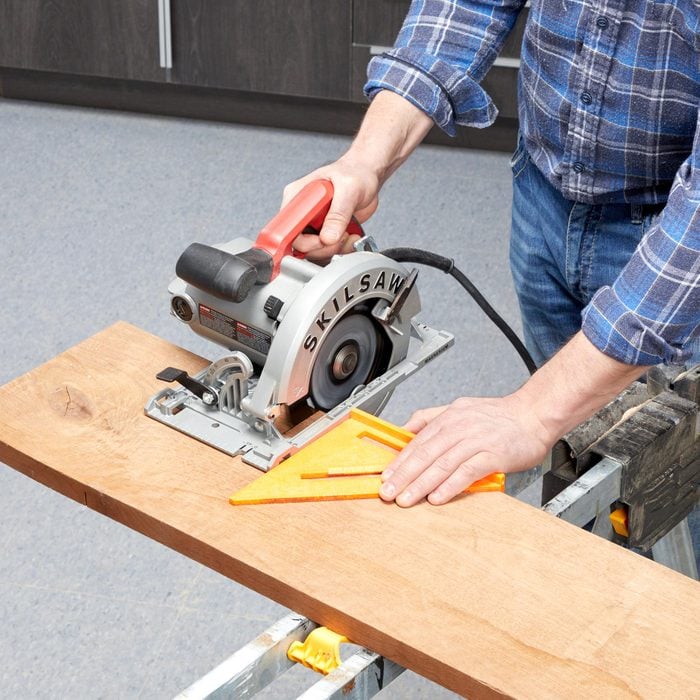
Choosing The Right Circular Saw
Using a circular saw for plywood cutting needs the right tool. Picking the correct saw helps you cut clean and safe.
This guide covers important points about blade types and power to help you choose well.
Blade Types For Plywood
The blade you use affects the cut quality and speed. Plywood needs blades with many teeth to reduce splintering.
- Use a fine-toothed blade with 60 to 80 teeth for smooth cuts.
- Look for carbide-tipped blades for longer life and sharpness.
- A thin-kerf blade helps reduce waste and makes cutting easier.
- A triple-chip grind (TCG) tooth shape works well on plywood.
Power And Speed Considerations
Choose a saw with enough power to cut plywood easily. Higher speed means cleaner cuts but can be harder to control.
| Power (Amps) | Speed (RPM) | Best Use |
| 12-15 | 4000-5500 | Standard plywood cutting |
| 15-18 | 5000-6000 | Thicker plywood or faster cuts |
| Under 12 | Below 4000 | Light DIY projects only |
Credit: www.familyhandyman.com
Preparing For Safe Cutting
Cutting plywood with a circular saw needs careful preparation. Safety helps prevent accidents and ensures clean cuts.
Two key areas to focus on are setting up a stable work surface and using safety gear properly.
Setting Up A Stable Work Surface
Make sure your work surface is steady and flat. This stops the plywood from moving during cutting.
- Use sawhorses or a strong workbench.
- Place clamps to hold the plywood firmly.
- Clear the surface of debris or tools.
- Check that the surface is level before starting.
Using Safety Gear Properly
Wear the right safety gear to protect yourself. It reduces the risk of injury while cutting plywood.
| Safety Gear | Purpose |
| Safety Glasses | Protect eyes from dust and wood chips |
| Ear Protection | Reduce noise from the saw |
| Dust Mask | Prevent inhaling sawdust |
| Gloves | Protect hands from splinters and cuts |
| Closed-Toe Shoes | Shield feet from falling objects |
Marking And Measuring Accurately
Cutting plywood with a circular saw needs careful marking and measuring. Accurate marks help you make clean, straight cuts.
Use the right tools and take your time to get the measurements right. This reduces mistakes and waste.
Tips For Straight Lines
Draw your cutting lines clearly with a sharp pencil or chalk. Use a straight edge like a ruler or square to guide your marks.
Check your lines twice before cutting. Straight lines make it easier to follow the saw blade and get smooth edges.
Using Guides And Clamps
Attach a guide board along the cutting line. This helps the saw move in a straight path and prevents wobbling.
Secure the plywood and guide with clamps. Clamps stop the wood from shifting and keep your hands safe during the cut.
- Use a straight piece of wood as a guide
- Clamp the guide firmly to the plywood
- Clamp the plywood to the work surface
- Ensure the saw blade aligns with the guide edge
Cutting Techniques For Clean Edges
Using a circular saw to cut plywood requires skill to get clean edges. Proper techniques help avoid splintering and rough surfaces.
This guide covers key tips to improve your cutting accuracy and edge quality.
Adjusting Blade Depth
Set the blade depth so it just clears the plywood thickness. Too deep cuts cause more splintering and waste power.
- Measure your plywood thickness before cutting.
- Adjust the blade to extend about 1/4 inch below the plywood.
- Check the depth by making a test cut on scrap wood.
- Readjust if the blade is too shallow or too deep.
Maintaining Steady Cutting Speed
Keep a steady speed while cutting to avoid rough edges and burning the wood. Moving too fast or too slow causes problems.
| Cutting Speed | Effect on Cut |
| Too Fast | Splintered edges, uneven cuts |
| Steady Moderate Speed | Clean edges, smooth cuts |
| Too Slow | Burn marks, blade binding |
Preventing Tear-out And Splintering
Cutting plywood with a circular saw can cause rough edges. Tear-out and splintering happen when the wood fibers break unevenly. Using simple techniques helps get cleaner cuts.
Two useful tips are scoring the cut line and using painter’s tape. These methods protect the plywood surface and improve the cut quality.
Scoring The Cut Line
Scoring means making a shallow cut along the line before the full cut. This weakens the fibers where the saw blade will pass.
- Use a utility knife to score the cut line deeply but not through the plywood.
- Follow the marked cut line carefully to keep it straight.
- Score both sides if possible to reduce splintering on the back.
- Then make the full cut slowly with the circular saw.
Using Painter’s Tape
Painter’s tape helps hold the wood fibers in place as you cut. It prevents tear-out by reducing splintering at the edges.
| How to Use Painter’s Tape | Reason |
|---|---|
| Apply tape along the cut line on the plywood surface | Secures fibers to avoid splintering |
| Mark the cut line on the tape | Allows clear visibility and accurate cutting |
| Cut through the tape and plywood slowly | Reduces rough edges and tear-out |
| Remove tape carefully after cutting | Leaves a clean edge |
Handling Curves And Complex Cuts
Cutting curves and complex shapes in plywood can be tricky. It needs careful control and the right tools.
A circular saw can cut curves if you follow the right steps and use the proper blade. This guide helps you do it well.
Choosing The Right Blade For Curves
Pick a blade made for fine, detailed cuts. A blade with more teeth gives a smoother edge on curves.
Use a thin kerf blade. It removes less material and lets the saw turn easier on tight curves.
- Blade with 40 to 60 teeth for smooth curves
- Thin kerf blade for easier maneuvering
- Carbide-tipped teeth for longer life and clean cuts
- Blade diameter that fits your saw for better control
Techniques For Smooth Curves
Mark your curve clearly on the plywood. Use a pencil or chalk for good visibility.
Start cutting slowly and keep the saw steady. Follow the line carefully to avoid rough edges.
- Make relief cuts to help the saw turn without binding
- Use both hands to control the saw firmly
- Keep the saw base flat on the plywood surface
- Go slow near tight curves for better accuracy
- Sand edges lightly after cutting for smoothness
Maintaining Your Circular Saw
Keeping your circular saw in good shape helps you cut plywood safely and smoothly. Regular care extends the tool’s life.
Focus on cleaning, blade care, and fixing common problems to keep your saw working well.
Cleaning And Blade Care
Remove dust and wood chips after each use. Clean the blade guard and base plate to prevent rust.
- Unplug the saw before cleaning.
- Use a brush or compressed air to clear dust.
- Wipe metal parts with a dry cloth.
- Sharpen or replace dull blades.
- Apply light oil to metal surfaces to stop rust.
Troubleshooting Common Issues
If your saw cuts unevenly or the blade binds, check these points. Fixing small issues prevents bigger problems.
| Issue | Possible Cause | Solution |
| Blade dulls quickly | Cutting nails or hard materials | Use the right blade and avoid nails |
| Motor overheats | Blocked vents or heavy use | Clean vents and rest the saw |
| Blade wobbles | Loose blade or arbor | Tighten blade and arbor nut |
| Cut is uneven | Wrong blade or guide off | Check blade type and align guide |

Credit: www.findbuytool.com
Expert Hacks For Efficiency
Using a circular saw for plywood cutting can save time and effort. Knowing the right techniques helps you work faster and cleaner.
These expert hacks focus on improving your cutting speed and accuracy. Follow these tips to get better results every time.
Batch Cutting Strategies
Cut multiple plywood pieces in one go to reduce setup time. Organize your cuts to use the full sheet efficiently.
- Measure and mark all pieces on the plywood before cutting.
- Clamp the plywood sheet securely to avoid movement.
- Use a straight edge guide to keep cuts clean and straight.
- Cut pieces in groups, following the marked lines closely.
- Check each piece after cutting for accuracy before moving on.
Using Jigs And Accessories
Jigs and accessories help improve cutting precision and repeatability. They make complex cuts easier and safer.
| Accessory | Purpose | Benefit |
| Rip Fence | Guide for straight rip cuts | Ensures consistent width on cuts |
| Crosscut Jig | Holds plywood for angled or crosscuts | Improves angle accuracy |
| Clamps | Secures plywood and guides | Prevents shifting during cutting |
| Blade Guard | Protects from blade contact | Increases user safety |
Frequently Asked Questions
How Do I Choose The Right Blade For Cutting Plywood?
Select a fine-toothed blade with 60-80 teeth for clean plywood cuts. A carbide-tipped blade ensures durability and smoother edges. Avoid blades meant for rough cuts to prevent splintering and tear-out.
What Safety Gear Is Essential When Using A Circular Saw?
Wear safety glasses, ear protection, and a dust mask. Use gloves to protect your hands. Ensure your workspace is clear and well-lit to avoid accidents.
How Can I Prevent Plywood From Splintering During Cuts?
Use painter’s tape along the cut line to reduce splintering. Cut with the good side down, as the blade cuts upward. Also, use a sharp blade and slow, steady cutting speed.
What Is The Best Technique For Straight Plywood Cuts?
Clamp a straight edge or guide to the plywood for precision. Keep the saw base flat and steady throughout the cut. Maintain a consistent speed without forcing the saw.
Conclusion
Using a circular saw for plywood cutting can be safe and easy. Always wear safety gear and check your blade before starting. Mark your cut line clearly for better accuracy. Keep the saw steady and move slowly along the line.
Support the plywood well to avoid splintering. Practice these tips to improve your cutting skills. Soon, you will feel more confident with your saw. Simple steps make a big difference in your work. Keep practicing and enjoy your woodworking projects.