When you work with electricity, your safety should be your top priority. One simple tool can make a huge difference: insulated gloves.
But do you really know how to use them correctly to protect yourself from electrical shocks? If you want to keep yourself safe and confident while handling electrical tasks, understanding how to use insulated gloves is a must. You’ll discover clear, practical steps to use these gloves effectively—so you can work smarter and safer every time.
Keep reading to learn the key tips that could protect your life.
Importance Of Insulated Gloves
Insulated gloves protect workers from electrical shocks. They act as a barrier between the hand and live wires.
Using the right gloves helps prevent accidents and injuries in electrical work. Safety should always come first.
Preventing Electrical Shocks
Insulated gloves stop electricity from passing through the skin. They reduce the chance of serious shocks.
Wearing gloves keeps workers safe while handling wires or electrical equipment. Always check gloves before use.
- Use gloves rated for the voltage level
- Inspect gloves for cuts or holes
- Keep gloves clean and dry
- Wear gloves along with other protective gear
Types Of Insulated Gloves
There are different types of insulated gloves for electrical work. Each type fits specific tasks and voltage levels.
Choose gloves based on the job’s voltage and environment. Using the wrong gloves can be dangerous.
| Type | Description | Voltage Rating |
|---|---|---|
| Class 00 | For low voltage work | Up to 500 volts |
| Class 0 | For low to medium voltage | Up to 1,000 volts |
| Class 1 | For medium voltage work | Up to 7,500 volts |
| Class 2 | For higher voltage work | Up to 17,000 volts |
| Class 3 | For very high voltage | Up to 26,500 volts |
| Class 4 | For highest voltage work | Up to 36,000 volts |

Credit: www.amazon.ca
Choosing The Right Gloves
Insulated gloves protect you from electrical shocks. Picking the right gloves is very important for safety.
Good gloves fit well and match the work you do. Use gloves made for electrical work only.
Voltage Ratings
Gloves have voltage ratings to show how much electricity they block. Always check the rating before use.
Choose gloves with a rating higher than the voltage you will work with. This keeps you safe from shocks.
- Class 00: Up to 500 volts
- Class 0: Up to 1,000 volts
- Class 1: Up to 7,500 volts
- Class 2: Up to 17,000 volts
- Class 3: Up to 26,500 volts
- Class 4: Up to 36,000 volts
Material Considerations
Most insulated gloves are made from rubber. Rubber stops electricity from passing through.
Some gloves have extra layers for durability. Make sure the material is flexible and strong.
- Natural rubber: Good for flexibility and protection
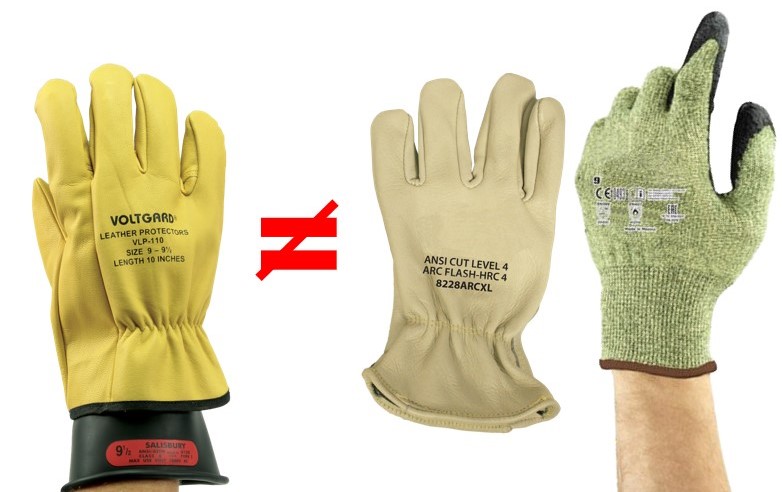
- Leather protectors: Worn over rubber gloves for extra safety
- Rubber thickness: Thicker gloves give more protection but less comfort
Size And Fit
Gloves must fit your hands well. Loose gloves can cause accidents. Tight gloves can reduce movement.
Try different sizes to find the best fit. The gloves should cover your wrists and allow easy finger movement.
- Measure your hand width and length
- Choose gloves that fit without stretching
- Check comfort with all hand movements
Inspection Before Use
Insulated gloves protect you from electric shocks. Checking gloves before use keeps you safe. Always inspect gloves carefully for any damage or faults.
Proper inspection helps find problems early. This prevents accidents and ensures the gloves work as they should.
Visual Checks
Look closely at the gloves before each use. Check for cuts, cracks, or holes. Make sure the gloves are clean and dry. Check the color and texture for any changes. Damaged gloves cannot protect you properly.
- Look for tears or punctures on the surface
- Check for dirt, oil, or grease on the gloves
- Inspect for hard or brittle areas on the material
- Look for any signs of discoloration or stains
- Verify that the gloves are the correct size and fit well
Leakage Testing
Leakage testing finds small holes or damage inside gloves. Use a testing device or inflate the gloves with air. Check if air escapes or if there is any wetness inside. This test shows if gloves still protect well.
| Leakage Test Method | What to Check |
| Inflate gloves with air | Look for air leaks or holes |
| Apply water or soap solution | Watch for bubbles showing leaks |
| Use electrical leakage tester | Measure insulation quality |
Credit: www.saftgard.com
Proper Wearing Techniques
Using insulated gloves is important for electrical safety. Wearing them correctly helps protect you from shocks.
Follow the right steps to put on gloves and keep them clean. This keeps you safe while working with electricity.
Donning Steps
Start by checking your gloves for any holes or damage. Only use gloves that are in good condition.
Make sure your hands are dry and clean before putting on the gloves. This helps the gloves fit better.
- Hold the glove by the cuff and slide your hand in slowly.
- Pull the glove up past your wrist for full coverage.
- Adjust the glove so it fits snugly without gaps or wrinkles.
- Check the glove’s surface for any tears after wearing.
Avoiding Contamination
Keep your gloves clean to avoid damage and reduce risk. Dirt or chemicals can weaken the glove material.
Do not touch dirty surfaces or chemicals with your gloves. If they get contaminated, clean or replace them right away.
- Store gloves in a dry, clean place away from sunlight.
- Inspect gloves before and after use for dirt or damage.
- Clean gloves with mild soap and water if they get dirty.
- Replace gloves if you find cracks, holes, or stiffness.
Maintenance And Storage
Insulated gloves protect you from electrical shocks. Proper care keeps them safe and lasting longer.
Cleaning and storing gloves right helps keep their strength and prevents damage.
Cleaning Methods
Clean insulated gloves after use to remove dirt and oils. Use mild soap and warm water only.
Do not use harsh chemicals or solvents. They can weaken the glove material and lower protection.
- Fill a basin with warm water and mild soap
- Gently rub the gloves to remove dirt
- Rinse with clean water to remove soap
- Dry gloves away from direct sunlight and heat
- Check for holes or cracks before storing
Safe Storage Practices
Store insulated gloves in a cool, dry place away from sunlight. Heat and light can damage the material.
Keep gloves away from sharp objects and chemicals. Use a dedicated storage box or bag to protect them.
- Do not fold or crease the gloves
- Store flat or hanging to keep shape
- Avoid storing near oils, grease, or solvents
- Inspect gloves before each use for damage
- Replace gloves if any damage is found
Credit: vvpintl.com
Limitations And Safety Precautions
Insulated gloves protect against electrical hazards but have limits. Knowing these limits helps keep you safe.
Always inspect gloves before use and follow safety rules. Use extra gear for better protection.
Wear And Tear Signs
Check gloves for damage before each use. Worn gloves may not protect well against electricity.
- Look for cracks, holes, or tears in the rubber surface.
- Check for stiffness or brittleness that shows aging.
- Note any discoloration or dirt that may hide damage.
- Feel for soft spots or thin areas by gently squeezing.
- Inspect seams for splits or openings.
Additional Protective Gear
Use more than just gloves to stay safe. Combine gear for full protection.
| Protective Gear | Purpose |
| Safety helmet | Protects head from impact and electrical shock |
| Insulating sleeves | Covers arms to prevent electrical contact |
| Rubber boots | Keeps feet insulated from electrical ground |
| Face shield | Guards face against sparks and flashes |
Frequently Asked Questions
What Are Insulated Gloves Used For In Electrical Work?
Insulated gloves protect workers from electric shocks and burns. They prevent current flow through the hands when handling live wires. These gloves are essential for safety in electrical installations and repairs. Using them reduces accident risks significantly.
How Do I Choose The Right Insulated Gloves?
Select gloves based on voltage rating and task type. Check for proper sizing to ensure comfort and dexterity. Verify the gloves meet industry safety standards like ASTM or IEC. Always inspect gloves for damage before use.
How Should Insulated Gloves Be Maintained?
Clean gloves with mild soap and water after each use. Store them away from sunlight, oils, and chemicals. Regularly inspect for cracks or punctures. Conduct electrical testing periodically to confirm insulation integrity.
Can Insulated Gloves Protect Against All Electrical Hazards?
Insulated gloves protect against electric shock but not mechanical injuries. They must be used with other safety gear like helmets and boots. Always follow workplace safety protocols for comprehensive protection.
Conclusion
Insulated gloves are vital for electrical safety. They protect you from shocks. Always inspect your gloves for damage. Replace them if you find any tears. Wear them properly to ensure maximum protection. Choose the right size for comfort and effectiveness.
Store them in a cool, dry place. Regular maintenance keeps them in good condition. Proper usage keeps you safe at work. Practice these tips to avoid electrical hazards. Stay alert and prioritize safety with every task. Your well-being matters. Protect yourself with insulated gloves.