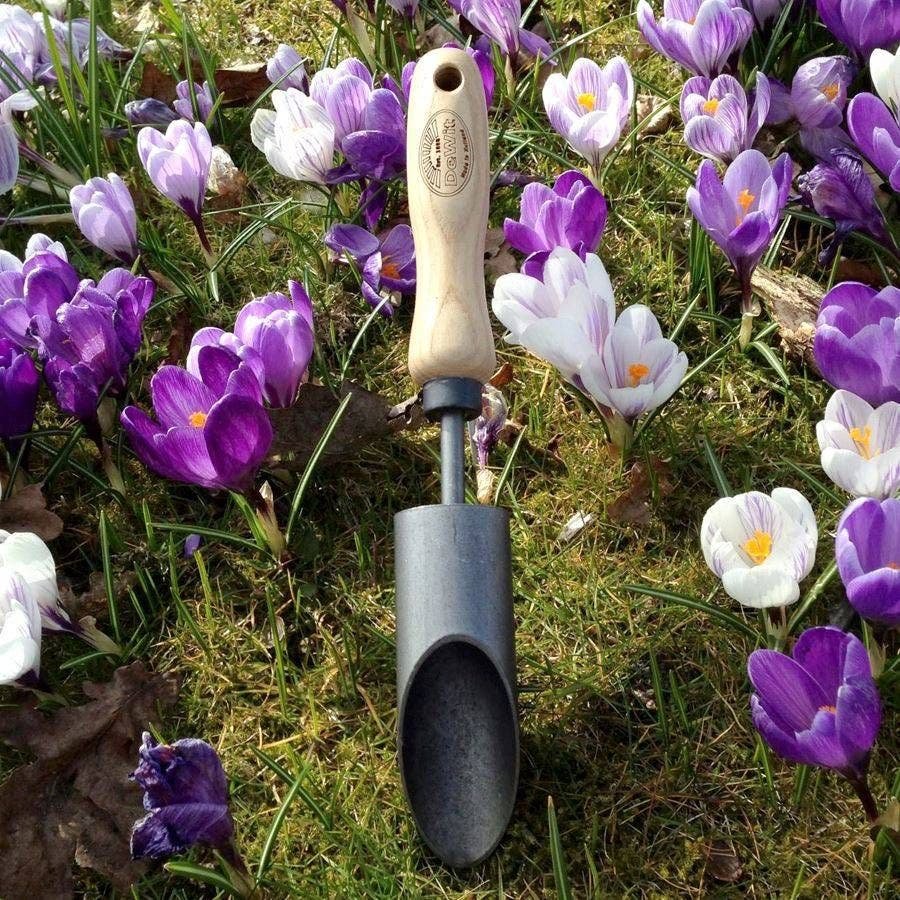
If you want your garden to burst with colorful blooms, planting bulbs the right way is key. A garden trowel is one of the simplest tools you can use to make this task easier and more effective.
But are you sure you’re using it correctly? In this guide, you’ll discover easy steps to master your garden trowel for planting bulbs like a pro. By the end, you’ll save time, protect your plants, and enjoy a thriving garden that turns heads.
Ready to get your hands dirty and see your garden flourish? Let’s dive in!
Credit: www.bloomingbackyard.com
Choosing The Right Trowel
A garden trowel is a small tool used for digging holes to plant bulbs. Choosing the right trowel makes planting easier and faster.
Different trowels serve different purposes. Knowing which type to pick helps you work comfortably and safely.
Types Of Garden Trowels
There are several types of garden trowels. Each type is designed for specific tasks like digging, transplanting, or weeding.
- Digging Trowels:Have pointed blades to dig deep holes for bulbs.
- Transplanting Trowels:Narrow blades help move plants without damage.
- Weeding Trowels:Flat blades remove weeds and loosen soil.
Materials And Durability
Trowels are made from different materials. The material affects how long the tool lasts and how much effort you need to use it.
Steel blades are strong and last long. Plastic blades are light but may break easily.
- Stainless Steel:Resists rust and stays sharp.
- Carbon Steel:Very strong but may rust without care.
- Plastic:Lightweight and cheap but less durable.
Ergonomic Features
Ergonomic trowels reduce hand strain. They fit well in your hand and make digging easier.
Look for handles with soft grips and a shape that matches your hand size. This helps prevent blisters and pain.
- Soft rubber or foam grips improve comfort.
- Curved handles fit the natural hand shape.
- Non-slip handles provide better control.
Credit: www.hillier.co.uk
Preparing The Soil
Good soil helps bulbs grow strong roots. Preparing the soil is an important first step before planting.
A garden trowel is a handy tool for working the soil and making planting easier.
Loosening Soil With A Trowel
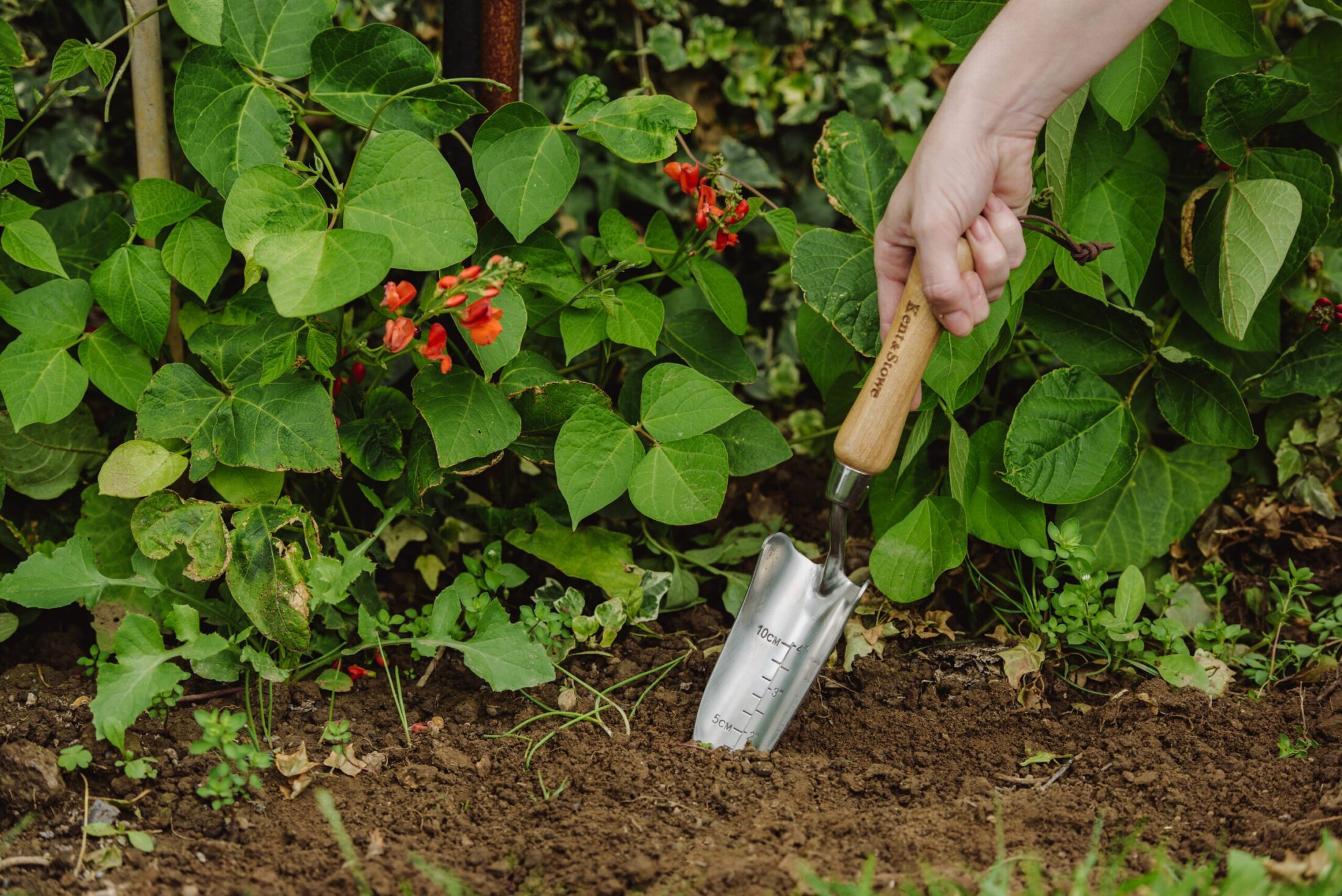
Use your trowel to break up hard soil. This makes space for the bulbs to grow roots easily.
- Push the trowel into the soil about 6 inches deep.
- Lift and turn the soil over gently.
- Repeat until the soil feels loose and crumbly.
Removing Debris And Weeds
Clear the soil surface of leaves, stones, and weeds. These can block the bulbs from growing well.
- Use your trowel to dig out weeds by the roots.
- Pick up sticks, stones, and dead leaves.
- Dispose of the debris away from the planting area.
Adding Fertilizer Or Compost
Adding fertilizer or compost gives bulbs the nutrients they need to grow healthy.
| Type | Benefits |
| Compost | Improves soil texture and adds nutrients |
| Bone Meal | Supports strong root growth |
| Balanced Fertilizer | Feeds bulbs with nitrogen, phosphorus, and potassium |
Mix the fertilizer or compost into the loosened soil with your trowel before planting bulbs.
Planting Bulbs Efficiently
Using a garden trowel helps plant bulbs quickly and with less effort. Proper planting ensures healthy growth and bright blooms.
Follow simple steps to measure depth, space bulbs, and position them correctly for the best results.
Measuring Proper Depth
Plant bulbs at the correct depth to protect them and support root growth. Most bulbs need to be planted two to three times as deep as their size.
Use your garden trowel to dig holes deep enough for the bulbs. Check the package for specific depth instructions.
Spacing Bulbs Correctly
Give bulbs enough space to grow without crowding. Proper spacing helps air flow and reduces disease risk.
- Small bulbs: plant 2 to 3 inches apart
- Medium bulbs: plant 4 to 6 inches apart
- Large bulbs: plant 6 to 8 inches apart
Positioning Bulbs For Growth
Place bulbs with the pointed end facing up and the roots down. This helps shoots grow toward the surface and roots go down into the soil.
| Bulb Type | Position |
| Tulip | Pointed end up |
| Daffodil | Pointed end up |
| Crocus | Pointed end up |
Maintaining Your Trowel
Keeping your garden trowel in good shape helps it last longer. Proper care makes planting bulbs easier and more effective.
Regular maintenance prevents rust and damage. This guide covers cleaning, sharpening, and storing your trowel.
Cleaning After Use
Clean your trowel right after gardening. Dirt can harden and cause rust if left on the blade.
- Rinse the blade with water to remove soil.
- Use a brush or cloth to scrub off stubborn dirt.
- Dry the trowel completely to prevent rust.
- Apply a light coat of oil on the metal to protect it.
Sharpening The Blade
A sharp blade cuts through soil easily and helps you plant bulbs precisely. Dull blades slow you down.
| Sharpening Tool | Use | Tip |
|---|---|---|
| Metal file | Manual sharpening | Hold at a 45-degree angle |
| Sharpening stone | Fine edge finish | Use with water or oil |
| Electric sharpener | Quick sharpening | Use low speed for control |
Storage Tips
Store your trowel in a dry and safe place. This stops damage and keeps it ready for your next use.
- Hang your trowel on a hook to avoid dulling the blade.
- Keep it away from moisture to prevent rust.
- Store with other garden tools in a shed or garage.
- Wrap the blade in cloth if you store it in a toolbox.
Troubleshooting Common Issues
Using a garden trowel for planting bulbs can be easy. Still, some problems may arise. This guide helps solve common issues quickly.
Knowing how to handle hard soil, protect bulbs, and care for your trowel keeps planting smooth. Read on for helpful tips.
Dealing With Hard Or Rocky Soil
Hard or rocky soil makes digging with a trowel tough. It can slow planting and damage your tool.
- Soften soil by watering a day before digging.
- Remove large rocks by hand before using the trowel.
- Use a sturdy trowel with a strong blade for tough soil.
- Dig smaller holes and break up soil clumps carefully.
- Wear gloves to protect your hands from sharp rocks.
Avoiding Damage To Bulbs
Bulbs can get hurt if you dig too deep or scrape the sides of the hole. Handle bulbs gently to keep them healthy.
| Common Mistakes | How to Avoid |
| Digging too deep | Measure depth before planting |
| Scraping bulb skin | Use smooth trowel edges |
| Dropping bulbs | Hold bulbs close to the ground |
| Planting upside down | Check bulb orientation before planting |
Handling Trowel Wear And Tear
Your trowel wears out with use. Rust, loose handles, or bent blades make work harder.
Follow these tips to keep your trowel in good shape:
- Clean the blade after each use to stop rust.
- Tighten screws or bolts on the handle regularly.
- Sharpen the blade for easier digging.
- Store the trowel in a dry place.
- Replace the trowel if the handle cracks or blade bends badly.
Credit: www.gardeningknowhow.com
Frequently Asked Questions
How Do You Use A Garden Trowel For Planting Bulbs?
To use a garden trowel for planting bulbs, start by digging a hole twice the bulb’s depth. Place the bulb with the pointed end facing up. Cover it with soil and gently pat down. Water the area to settle the soil and encourage root growth.
What Is The Best Time To Plant Bulbs With A Trowel?
The best time to plant bulbs with a trowel is during fall. This allows the bulbs to establish roots before winter. Planting in fall ensures spring blooms. Choose a sunny spot with well-draining soil for optimal growth.
How Deep Should You Plant Bulbs Using A Trowel?
When using a trowel, plant bulbs at a depth twice their height. This ensures proper root growth and protection. For larger bulbs, dig deeper. For smaller ones, dig shallower. Depth is crucial for healthy and strong growth.
Can A Garden Trowel Be Used In All Soil Types?
A garden trowel is versatile and works in most soil types. It excels in loose, well-draining soils. For compact or rocky soils, choose a sturdy trowel. Its design helps break up soil and create planting holes effectively.
Conclusion
Using a garden trowel makes planting bulbs easier and more precise. It helps dig the right hole size and depth for each bulb. With practice, you save time and protect your plants. Keep your trowel clean and sharp for best results.
Enjoy watching your bulbs grow into beautiful flowers. Gardening with simple tools brings great satisfaction. Give it a try and see the difference yourself.