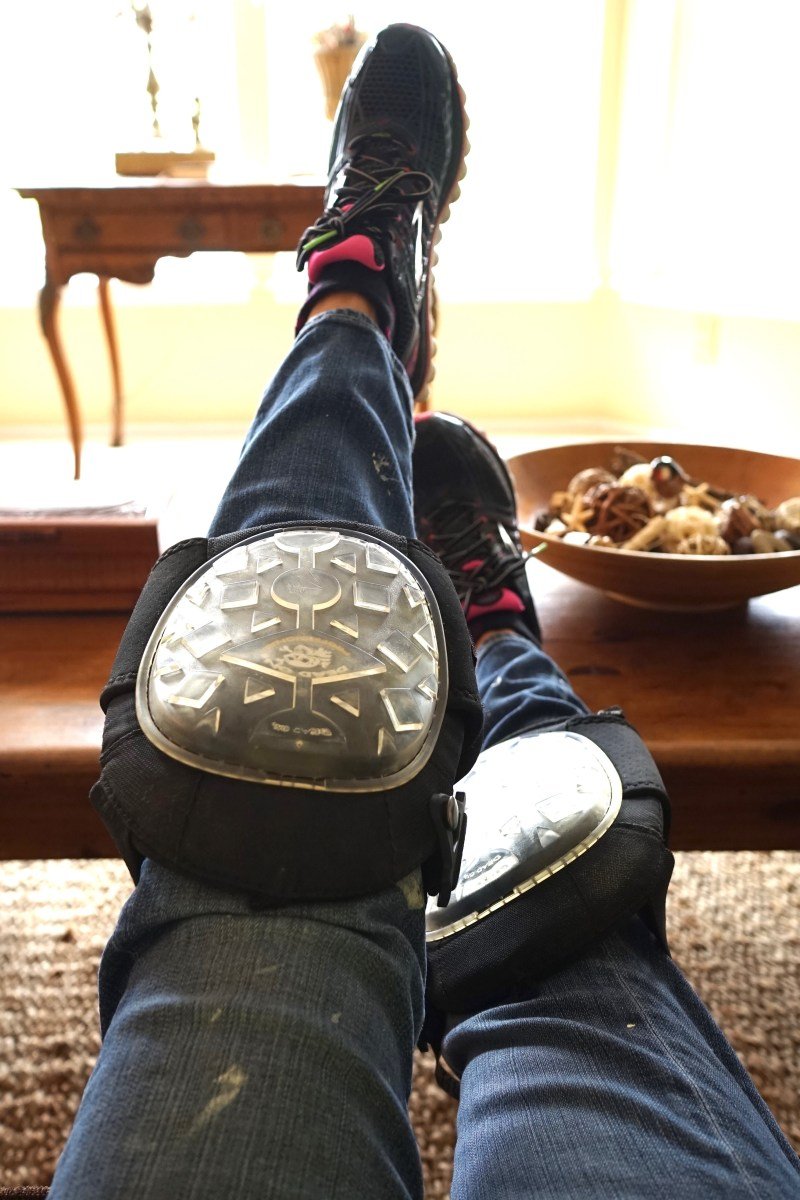
If you spend hours working on carpentry projects, you know how tough it can be on your knees. Using knee pads can make a huge difference, but only if you use them the right way.
Are you ready to protect your knees and work more comfortably? You’ll discover simple tips that will help you get the most out of your knee pads. Keep reading, and you’ll learn how to stay safe, avoid pain, and finish your projects with ease.
Your knees will thank you!

Credit: www.amazon.co.uk
Choosing The Right Knee Pads
Knee pads protect your knees during carpentry work. Choosing the right pair makes your job easier and safer.
Consider materials, fit, and protection to find knee pads that suit your needs well.
Materials And Padding Types
Knee pads come in many materials. Foam padding is soft and comfortable but may wear quickly. Gel padding offers better shock absorption and lasts longer.
- Foam padding: lightweight, less durable
- Gel padding: absorbs impact, more durable
- Plastic caps: protect from sharp objects
- Fabric covers: add breathability
Size And Fit Considerations
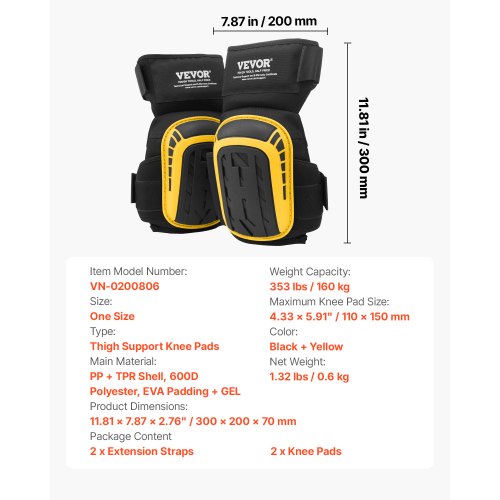
Proper fit prevents slipping and discomfort. Measure your knee circumference and check strap adjustability.
| Feature | Importance |
| Adjustable straps | Keep pads secure |
| Padding thickness | Comfort and protection |
| Weight | Ease of movement |
| Size options | Better fit for different knees |
Durability And Protection Levels
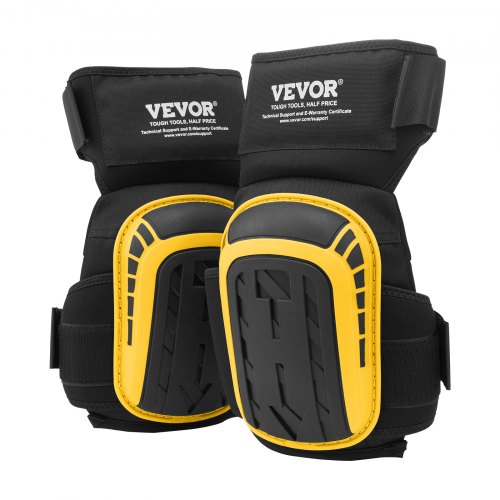
Durable knee pads protect against rough surfaces and sharp objects. Look for strong outer shells and high-quality stitching.
- Hard plastic shells resist cuts and scrapes
- Reinforced seams prevent tearing
- Water-resistant materials extend pad life
- Replace worn pads to keep protection high
Credit: www.vevor.com
Preparing Your Knees For Work
Using knee pads is important for carpentry jobs that need kneeling. Preparing your knees before wearing them helps prevent pain and injuries.
Simple actions like stretching and protecting your skin make a big difference. These steps help keep your knees comfortable all day.
Stretching And Warm-up Exercises
Stretching your knees and legs loosens muscles and improves blood flow. Warming up prepares your body for kneeling and hard work.
Try easy exercises before starting your carpentry project. This reduces stiffness and lowers the chance of injury.
- Do gentle knee bends to stretch the joint.
- Try calf stretches to loosen lower leg muscles.
- Perform light walking to increase circulation.
- Rotate your ankles to warm up surrounding areas.
Skin Care And Protection
Carpentry work can irritate your skin where your knees touch the ground. Protecting your skin helps avoid cuts, scrapes, and dryness.
Use moisturizers and clean the skin before and after work. This keeps your skin healthy and less sensitive under the knee pads.
- Wash your knees with mild soap before starting.
- Apply a gentle moisturizer to prevent dryness.
- Check your skin for cuts or bruises daily.
- Wear clean, well-fitting knee pads to avoid rubbing.
Proper Placement And Adjustment
Knee pads protect your knees during carpentry work. Proper placement and adjustment ensure comfort and safety. Wearing them right reduces strain and helps you work longer without pain.
This guide covers how to position knee pads correctly and adjust straps so they stay secure without causing discomfort.
Positioning For Maximum Comfort
Place the knee pads so the cushioned part covers your kneecap fully. The pad should sit flat against your skin or work pants without sliding down. Proper positioning helps absorb shock and prevents injury.
- Center the pad on your kneecap, not above or below it.
- Make sure the pad edges do not dig into your skin.
- Check that the pads allow full knee bending without slipping.
- Wear thin socks or pants to reduce bulk under the knee pad.
Securing Straps Without Restriction
Adjust the straps so the knee pads stay in place but do not cut off circulation. Tight straps can cause discomfort and reduce blood flow. Loose straps let the pads move, reducing protection.
| Strap Tightness | Effect |
| Too Tight | Skin irritation, poor blood flow |
| Too Loose | Pad slips, less protection |
| Just Right | Secure fit, good comfort |
Credit: www.vevor.com
Maintaining Knee Pads For Longevity
Knee pads protect your knees during carpentry projects. Taking care of them helps them last longer. Proper maintenance keeps the pads comfortable and safe to use.
Regular cleaning and correct storage prevent damage. This guide gives simple tips to keep your knee pads in good shape.
Cleaning And Drying Tips
Clean your knee pads after each use to remove dirt and sweat. Use mild soap and warm water. Avoid harsh chemicals that can damage the material.
Dry the pads completely before storing. Air dry them in a shaded area. Do not use direct heat or a dryer, which may shrink or warp the pads.
- Wipe off excess dirt with a soft cloth
- Use a gentle brush for tough spots
- Rinse with clean water
- Hang or lay flat to air dry
- Avoid sunlight and heaters
Storage Recommendations
Store knee pads in a dry, cool place. Keep them away from moisture to stop mold and bad smells. Do not place heavy items on top of the pads.
Use a dedicated storage bag or box to protect the pads. This keeps them clean and ready for your next project.
- Choose a ventilated storage area
- Keep knee pads away from direct sunlight
- Do not fold or crush the pads
- Store with straps loose to avoid damage
- Check pads regularly for wear and tear
Enhancing Comfort During Long Projects
Using knee pads is important for carpentry work that takes a long time. They protect your knees from hard floors and sharp objects.
To stay comfortable during long projects, you can add extra support and take care of your body. This helps reduce pain and tiredness.
Using Cushions Or Inserts
Cushions or soft inserts inside your knee pads add extra padding. They make kneeling less painful and reduce pressure on your knees.
You can buy gel inserts or foam cushions. Choose the ones that fit well and do not make your knee pads too tight.
- Gel inserts absorb shock and reduce strain
- Foam cushions provide soft support
- Replace worn-out inserts for better comfort
- Check fit to avoid slipping or tightness
Taking Breaks And Changing Positions
Take regular breaks to stand or walk. This helps your knees rest and improves blood flow.
Change your position often. Avoid staying in one kneeling spot for too long to stop soreness.
- Stand up every 30 minutes
- Stretch your legs and knees during breaks
- Alternate between kneeling and squatting
- Use a small stool to sit if needed
Common Mistakes To Avoid
Using knee pads is important for carpentry work. They protect your knees from hard surfaces. But some mistakes can reduce their effectiveness.
Learn which errors to avoid to keep your knees safe and comfortable during projects.
Wearing Worn-out Pads
Old knee pads lose their cushioning and support. Wearing them can cause pain and injury. Check your pads often to see if they need replacing.
- Look for cracks or tears in the padding.
- Check if the straps are still tight and hold well.
- Notice if the pads feel flat or hard instead of soft.
- Replace pads that no longer protect your knees.
Ignoring Pain Or Discomfort
Feeling pain or discomfort while using knee pads is a warning sign. Ignoring it can cause long-term damage to your knees.
| Warning Signs | Actions to Take |
| Sharp knee pain | Stop work and rest immediately |
| Constant ache or soreness | Adjust or change your knee pads |
| Skin irritation or redness | Check for proper fit and padding |
| Numbness or tingling | Consult a doctor if it continues |
Frequently Asked Questions
Why Are Knee Pads Essential For Carpentry?
Knee pads protect your knees from strain and injury during carpentry work. They provide cushioning and support, reducing the impact on your joints. This helps prevent long-term damage and discomfort, allowing you to work longer and more comfortably. Investing in quality knee pads can significantly enhance your carpentry experience.
How To Choose The Right Knee Pads?
Select knee pads based on comfort, fit, and protection level. Look for adjustable straps and durable materials. Consider the type of carpentry work you do and choose pads with the appropriate level of cushioning. Testing for comfort and trying them on before purchase is recommended to ensure the best fit.
Can Knee Pads Improve Carpentry Efficiency?
Yes, knee pads can enhance carpentry efficiency by reducing knee fatigue and discomfort. This allows you to maintain focus and productivity. Comfortable knee pads enable you to work in kneeling positions for longer periods, minimizing breaks and interruptions. Overall, they contribute to a more efficient and enjoyable carpentry experience.
How Often Should Knee Pads Be Replaced?
Replace knee pads when they show signs of wear or lose cushioning. Regular inspection ensures optimal protection. If straps become loose or the material tears, it’s time for a replacement. Depending on use frequency, knee pads may last from several months to a few years.
Proper care extends their lifespan.
Conclusion
Using knee pads keeps your knees safe and comfortable. They help reduce pain during long work hours. Choose pads that fit well and offer good cushioning. Clean and check them often for best results. Wearing knee pads helps you focus on your carpentry work.
Protect your knees to work longer and better. Small effort, big difference. Keep your knees happy with the right knee pads.