Are you looking to keep your small trees healthy and thriving? Pruning is one of the easiest and most effective ways to do just that.
But if you’re unsure when or how to prune, you might worry about harming your tree instead of helping it. Don’t worry—this guide will show you simple, step-by-step tips to prune your small trees the right way. By learning these easy techniques, you’ll encourage strong growth, avoid common mistakes, and enjoy a beautiful, vibrant yard.
Keep reading, and discover how a little careful pruning can make a big difference for your trees.
Benefits Of Pruning Small Trees
Pruning small trees helps them grow strong and healthy. It removes dead branches and lets sunlight reach inside the tree.
Regular pruning also keeps trees looking nice and stops problems before they start. This guide explains key benefits of pruning small trees.
Enhancing Tree Health
Pruning improves air flow and sunlight inside the tree. This helps leaves grow better and reduces pests and fungus.
- Removes dead or broken branches
- Encourages new, strong growth
- Prevents crowded branches
- Improves air circulation
- Increases sunlight exposure
Shaping For Aesthetic Appeal
Pruning small trees lets you shape them for a neat, balanced look. It keeps trees from growing too tall or wide.
| Pruning Goal | Effect on Tree |
| Trim to shape | Creates a uniform and pleasing form |
| Remove crossing branches | Prevents damage and clutter |
| Cut back long shoots | Keeps tree size manageable |
Preventing Disease And Damage
Removing weak or damaged branches stops disease from spreading. It also protects your tree during storms.
Key pruning actions to prevent problems:
- Cut off branches with signs of disease
- Remove branches that rub or touch each other
- Clear dead wood to reduce pests
- Trim low branches to avoid damage from lawn tools
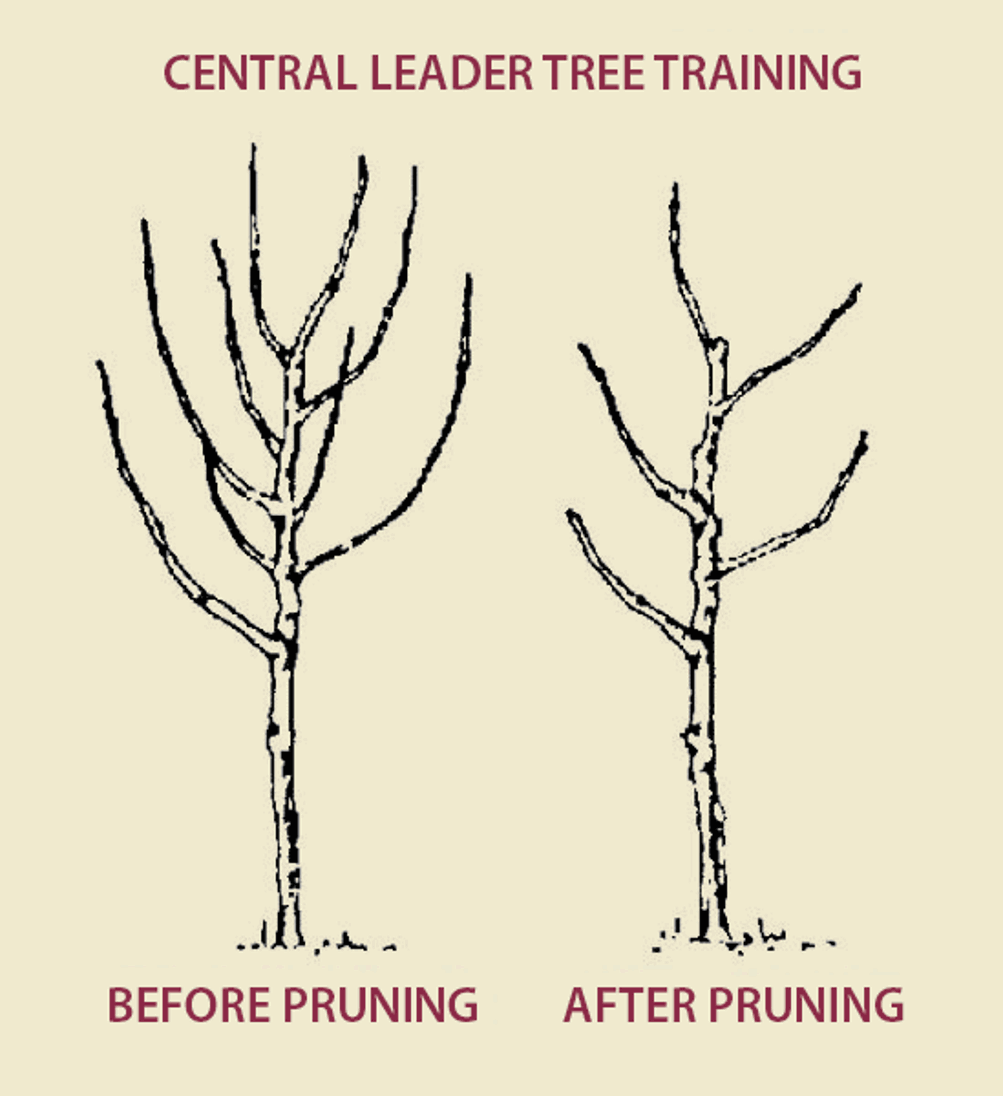
Credit: www.starkbros.com
Best Time To Prune
Pruning small trees at the right time helps them grow strong and healthy. It also prevents damage and disease. Knowing when to prune is very important for the tree’s health.
Timing depends on the tree type and the season. Pruning at the wrong time can harm the tree or reduce fruit and flower production.
Seasonal Considerations
Each season affects pruning needs differently. Choosing the best season helps trees heal faster and grow better.
- Winter:Prune during dormancy to shape the tree and remove dead branches.
- Spring:Avoid heavy pruning as trees start to grow new leaves and flowers.
- Summer:Light pruning can help control growth and remove damaged branches.
- Fall:Prune lightly to prepare the tree for winter, but avoid heavy cuts.
Signs Tree Needs Pruning
Watch for signs that show your small tree needs pruning. Removing problem areas early keeps the tree healthy.
| Sign | What It Means | Action |
| Dead branches | Branches that do not grow or have no leaves | Remove to prevent disease |
| Crossing branches | Branches rubbing or crossing each other | Prune to avoid damage |
| Dense canopy | Too many branches blocking sunlight | Thin the canopy to improve air flow |
| Broken limbs | Branches damaged by wind or animals | Cut back to healthy wood |
Essential Tools For Pruning
Pruning small trees helps them grow strong and healthy. Using the right tools makes pruning easier and safer. This guide covers the essential tools you need.
Each tool has a special job. Knowing how to use them will protect your tree and yourself.
Hand Pruners And Loppers
Hand pruners cut small branches and stems. Loppers reach thicker branches that are hard to cut with pruners. Both tools help keep your tree tidy.
- Hand Pruners:Best for branches less than ¾ inch thick.
- Loppers:Handle branches up to 2 inches thick.
- Sharp Blades:Make clean cuts to avoid tree damage.
- Comfort Grips:Reduce hand strain during use.
Pruning Saws And Safety Gear
Pruning saws cut thick branches that pruners and loppers cannot handle. Safety gear protects you from accidents and injury while pruning.
| Tool | Use | Safety Tips |
| Pruning Saw | Cut branches over 2 inches thick | Keep blade sharp and use steady strokes |
| Gloves | Protect hands from cuts and splinters | Choose thick, durable gloves |
| Safety Glasses | Shield eyes from debris | Wear every time you prune |
| Helmet | Protect head from falling branches | Use when working on tall trees |

Credit: citrusindustry.net
Step-by-step Pruning Process
Pruning small trees helps keep them healthy and strong. It improves their shape and lets sunlight in.
Follow simple steps to prune your tree carefully. This will support good growth for years.
Assessing The Tree Structure
Look at the tree from all sides before you start. Notice the main branches and how they grow.
Check if some branches cross or grow inward. These branches can cause problems later.
- Find a strong central leader (main trunk)
- Identify competing branches to remove
- Spot crowded areas that need thinning
Removing Dead And Diseased Branches
Cut off branches that look dead or sick. These can spread disease to the whole tree.
Look for dry, cracked bark or branches with no leaves. Remove these carefully with clean tools.
- Use sharp pruning shears or saw
- Cut back to healthy wood
- Dispose of removed branches away from the tree
Thinning For Airflow And Light
Thin crowded branches to let air and sunlight reach inside the tree. This helps prevent pests.
Remove smaller branches that grow inward or cross others. Keep space between branches.
- Cut branches at their base or where they join a bigger limb
- Keep the tree balanced on all sides
- Do not remove more than 20% of the canopy at once
Shaping The Canopy
Shape the tree by trimming branches to keep a neat, natural look. Avoid cutting too much.
Focus on removing branches that change the tree’s natural form or create uneven growth.
- Cut back long branches to a side shoot or bud
- Maintain a rounded or slightly spreading canopy
- Check your work from different angles
Common Pruning Mistakes To Avoid
Pruning small trees helps them grow strong and healthy. But many people make mistakes that can harm the tree. Learning what to avoid will keep your tree safe.
This guide covers two common pruning errors. Avoid these to protect your small trees and encourage good growth.
Over-pruning Risks
Removing too many branches weakens the tree. It loses leaves that make food through photosynthesis. This can slow growth and make the tree sick.
- Over-pruning reduces the tree’s energy supply.
- It can cause stress and make the tree vulnerable to disease.
- Too much pruning may lead to sunburn on exposed bark.
- The tree may grow weak branches that break easily.
Incorrect Cuts And Their Impact
Wrong cuts cause wounds that do not heal well. This opens the tree to pests and diseases. It also affects the tree’s shape and strength.
| Incorrect Cut | Effect on Tree |
| Cutting too close to the trunk | Damages the branch collar, slows healing |
| Leaving a long stub | Dead wood attracts pests and disease |
| Cutting flush with the trunk | Removes protective tissue, causes decay |
| Using dull tools | Crushes branches, delays healing |
Aftercare For Pruned Trees
Taking care of small trees after pruning helps them grow healthy. Proper aftercare reduces stress and supports healing.
This guide covers watering, mulching, and watching for pests or diseases after pruning.
Watering And Mulching Tips
Water pruned trees deeply but less often to encourage strong roots. Mulch keeps soil moist and controls weeds.
- Water trees once or twice a week, depending on weather.
- Apply 2 to 4 inches of mulch around the tree base.
- Keep mulch 3 inches away from the trunk to avoid rot.
- Check soil moisture before watering again.
- Use organic mulch like bark or wood chips.
Monitoring For Pests And Diseases
After pruning, watch your tree closely for signs of pests or diseases. Early detection helps protect the tree.
| Signs to Watch | Action to Take |
| Discolored or spotted leaves | Remove affected parts and treat with safe pesticide |
| Sticky residue or holes in leaves | Check for insects and spray insecticidal soap |
| Wilting or dead branches | Prune dead wood and improve tree health |
| Fungus or mold on bark | Remove fungus and improve air flow |

Credit: www.yahoo.com
Frequently Asked Questions
What Tools Are Needed To Prune Small Trees?
To prune small trees effectively, use bypass pruners for precision cuts. Loppers are ideal for thicker branches, while a pruning saw is useful for larger limbs. Always ensure your tools are sharp and clean to promote healthy tree growth and prevent disease spread.
When Is The Best Time To Prune Small Trees?
The best time to prune small trees is late winter or early spring. During this period, trees are dormant, minimizing stress and disease risk. Avoid pruning during the growing season to prevent sap loss and potential damage to the tree’s structure.
How Often Should Small Trees Be Pruned?
Small trees should be pruned annually to maintain their shape and health. Regular pruning encourages strong growth and prevents overcrowding. Adjust the frequency based on the tree species and growth rate, ensuring optimal health and appearance.
What Are Common Mistakes In Pruning Small Trees?
Common mistakes include over-pruning and using dull tools. Cutting too much can stress the tree, while dull tools cause ragged cuts. Always prune with clean, sharp tools and make precise cuts to promote healthy regrowth and avoid tree damage.
Conclusion
Pruning small trees helps them grow strong and healthy. Cut away dead or weak branches carefully. This lets sunlight and air reach inside the tree. Use sharp tools and prune at the right time. Regular pruning keeps trees shaped and balanced.
Watch your trees often to spot any problems early. A little care goes a long way. Healthy trees make your garden look beautiful. Start pruning today to enjoy better tree growth. Simple steps bring lasting benefits for your small trees.