Your face shield is more than just a clear barrier—it’s your daily armor against germs, dust, and other hazards. But how well you take care of it can make all the difference in how effective and comfortable it stays.
If you want your face shield to stay crystal clear, last longer, and protect you better every time you wear it, you need to know the right ways to clean and maintain it. Keep reading, and you’ll discover simple, practical tips that will help you get the most out of your face shield without wasting time or money.
Your safety and comfort depend on it!
Credit: www.bookaneyetest.co.uk
Choosing The Right Face Shield
Face shields protect your face from splashes and particles. Picking the right shield helps keep you safe and comfortable.
Consider the material, fit, and protection level before buying a face shield. These factors affect how well it works.
Material Types
Face shields come in different materials. Each material offers different durability and clarity.
Common materials include plastic, polycarbonate, and acetate. Polycarbonate is strong and clear. Acetate resists fogging.
- Plastic: Affordable but may scratch easily
- Polycarbonate: Strong and clear, good for impact
- Acetate: Clear and resists fogging
Fit And Comfort
A face shield should fit your head well. It must stay in place without feeling tight.
Look for adjustable straps and padded headbands. These features improve comfort for long use.
- Adjustable straps fit different head sizes
- Padded headbands reduce pressure points
- Lightweight shields cause less fatigue
Protection Levels
Different face shields offer different protection levels. Choose one that fits your work or activity needs.
Some shields cover the full face, while others protect only the eyes. Look for shields that meet safety standards.
- Full face shields protect eyes, nose, and mouth
- Eye shields protect only the eyes
- Certified shields meet industry safety rules
Credit: kleenshieldz.com
Cleaning Techniques
Face shields need regular cleaning to stay clear and safe to use. Dirt and germs can build up after each use.
Cleaning them properly keeps the shield strong and your vision clear. Use gentle methods to avoid damage.
Safe Cleaning Agents
Use mild soap and water to clean face shields. Avoid harsh chemicals that can harm the plastic.
Isopropyl alcohol works well but use it in low concentration. Avoid bleach or ammonia-based cleaners.
- Mild dish soap with warm water
- Low concentration isopropyl alcohol (70% or less)
- Avoid bleach, ammonia, or abrasive cleaners
Step-by-step Cleaning Process
First, rinse the face shield with lukewarm water to remove loose dirt. Use a soft cloth for cleaning.
Apply mild soap solution and gently wipe the shield. Rinse again and dry with a soft towel or air dry.
- Rinse with lukewarm water
- Use soft cloth and mild soap
- Gently wipe all surfaces
- Rinse off soap completely
- Dry with soft towel or air dry
Avoiding Damage
Do not use rough cloths or paper towels. These can scratch the shield’s surface.
Avoid strong chemicals and heat. They can make the plastic cloudy or brittle over time.
- Use only soft, non-abrasive cloths
- Keep away from strong chemicals
- Do not expose to high heat or sunlight
- Store shield in a clean, dry place
Proper Storage Methods
Keeping face shields safe is important to keep them clear and useful. Proper storage helps avoid damage and extends their life.
Learn simple ways to store face shields right. This keeps them clean and ready to use anytime.
Preventing Scratches
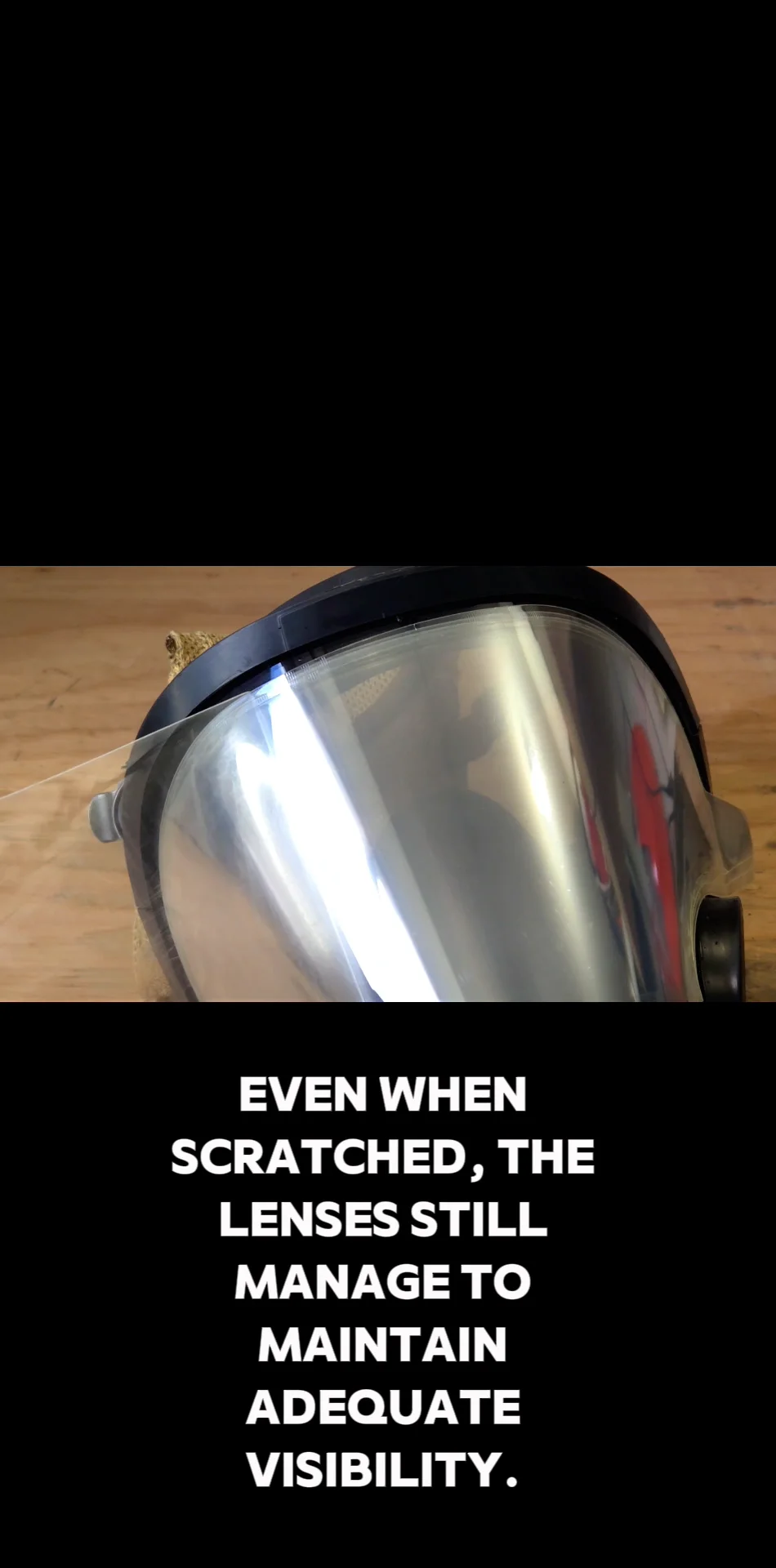
Scratches can block your view and reduce protection. Store face shields carefully to stop scratches from happening.
- Always place shields with the visor side up or inside a soft pouch.
- Do not stack shields on top of each other without protection.
- Use a clean, dry cloth to cover the shield when not in use.
- Keep shields away from sharp objects and rough surfaces.
Ideal Storage Conditions
Choose the right place to keep your face shield. The right environment keeps it safe from damage and dirt.
| Condition | Recommended Setting |
| Temperature | Room temperature (15-25°C or 59-77°F) |
| Humidity | Low to moderate humidity to avoid fog and mold |
| Light Exposure | Stored away from direct sunlight to prevent discoloration |
| Placement | On a clean, flat surface or hung on a hook |

Credit: stand.ngo
Inspecting For Wear And Tear
Face shields protect your face from splashes and debris. Regular checks keep them safe and effective.
Look closely for any damage or signs of wear. This helps you know when to clean or replace them.
Signs Of Damage
Damaged face shields can cause poor protection. Watch for cracks, scratches, or cloudiness on the shield.
Check the headband and fasteners for breaks or weakness. Loose parts reduce the shield’s fit and security.
- Cracks or deep scratches on the shield
- Cloudy or foggy surface reducing visibility
- Broken or loose headbands and straps
- Discoloration from exposure to sunlight or chemicals
When To Replace
Replace face shields if damage blocks your view or weakens the shield. Do not use cracked or cloudy shields.
Also, replace shields with broken parts that cannot hold the shield in place. Safety depends on a secure fit.
- Shield has cracks or deep scratches
- Visibility is reduced by cloudiness
- Headband or straps are broken or loose
- Shield is discolored or warped
Handling Tips For Longevity
Face shields protect your face and eyes from splashes and droplets. Proper care helps them last longer and stay clear.
Follow easy steps to avoid damage and keep your face shield clean every day.
Avoiding Common Mistakes
Many people make simple errors that reduce the life of their face shields. Avoid these mistakes to keep your shield safe and useful.
- Do not use harsh chemicals or abrasive cleaners on the shield surface.
- Never wipe the shield when it is dry; always rinse with water first.
- Store the shield in a clean, dry place away from direct sunlight.
- Avoid bending or folding the shield as it can cause cracks or breaks.
- Do not share your face shield with others to prevent contamination.
Daily Usage Practices
Use these simple daily habits to keep your face shield clear and strong for repeated use.
| Practice | Tip |
| Cleaning | Rinse with warm water, then use mild soap and a soft cloth. |
| Drying | Pat dry with a microfiber cloth. Avoid paper towels or tissues. |
| Storage | Place on a flat surface or hang to avoid scratches. |
| Handling | Hold the shield by the straps or edges, not the visor. |
| Inspection | Check daily for cracks or cloudiness and replace if damaged. |
Disinfection Best Practices
Keeping face shields clean is key to staying safe. Proper disinfection stops germs from spreading. It also keeps the shield clear and comfortable.
Use the right cleaning methods to protect the shield’s material. Follow these simple tips to disinfect your face shield correctly.
Effective Disinfectants
Choose disinfectants that kill viruses and bacteria without damaging the shield. Avoid harsh chemicals that can cloud the plastic or weaken it.
- Use alcohol solutions with at least 70% alcohol content.
- Diluted bleach solutions can disinfect but rinse well after use.
- Soap and water are good for daily cleaning but do not replace disinfectants.
- Avoid ammonia or abrasive cleaners that scratch the surface.
- Use disinfectant wipes that are safe for plastics.
Frequency Of Disinfection
How often you clean your face shield depends on use and exposure. Clean it regularly to keep it safe and clear.
| Use Case | Disinfection Frequency |
|---|---|
| Daily use in public places | After each use |
| Used in healthcare or high-risk areas | After every patient or contact |
| Used occasionally or at home | At least once a day |
| Face shield stored unused | Disinfect before first use |
Frequently Asked Questions
How Often Should You Clean Face Shields?
Clean face shields daily or after each use, especially in high-risk environments. Use mild soap and water or an alcohol-based disinfectant. Ensure thorough drying before storing. Regular cleaning prevents contamination and ensures optimal visibility and protection.
Can Face Shields Be Reused After Cleaning?
Yes, face shields can be reused after proper cleaning. Ensure they are disinfected and dried completely before reuse. Follow manufacturer guidelines for specific cleaning instructions. Regular inspection for damage or wear is important to maintain effectiveness.
What Cleaning Solution Is Best For Face Shields?
A mild soap and water solution is effective for cleaning face shields. Alternatively, an alcohol-based disinfectant can be used. Avoid harsh chemicals that may damage the material. Always follow the manufacturer’s instructions for specific cleaning recommendations to ensure longevity and safety.
How To Store Face Shields Properly?
Store face shields in a clean, dry place away from direct sunlight. Use a protective cover or pouch to prevent scratches. Avoid stacking heavy objects on them. Proper storage maintains their shape and clarity, ensuring effective protection when needed.
Conclusion
Maintaining face shields keeps them clear and safe to use. Clean them gently with mild soap and water. Avoid harsh chemicals that can damage the shield. Store shields in a dry, cool place after use. Check for cracks or scratches regularly.
Replace shields if they become too worn or cloudy. Proper care helps shields last longer and protect better. Take a few minutes daily to keep your shield ready. Safe and clear shields make a big difference in protection.