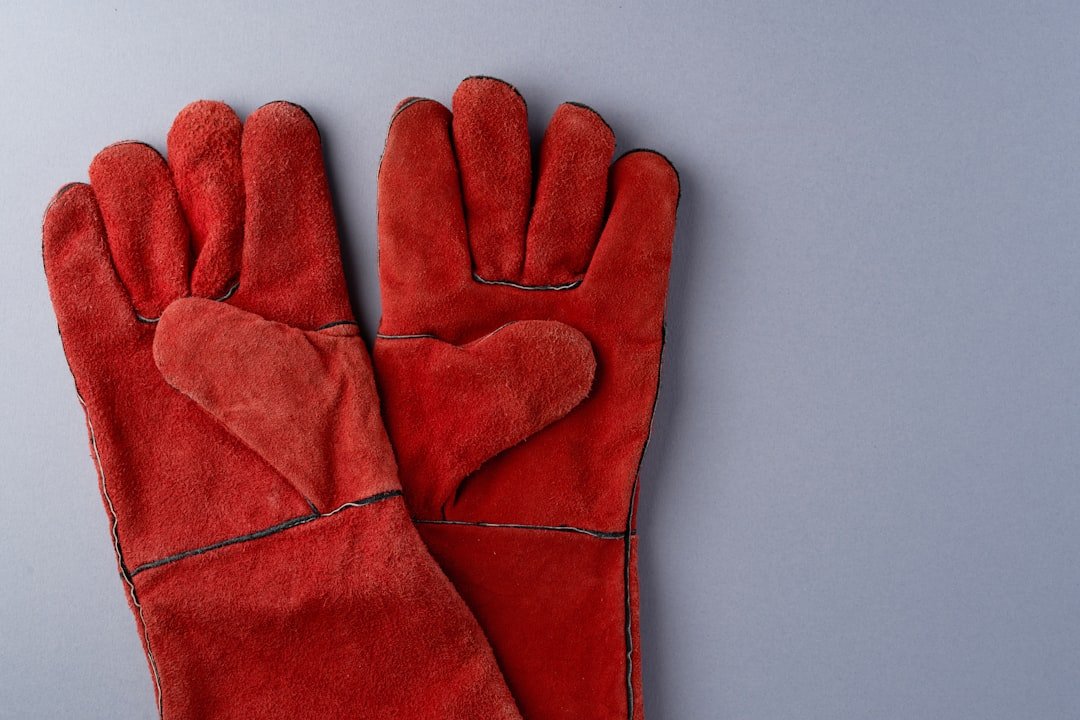
When you’re working with electrical repairs, your safety should always come first. Insulated gloves are a must-have tool to protect you from dangerous shocks and accidents.
But just wearing them isn’t enough—you need to know how to use them the right way. You’ll discover simple yet powerful tips that can keep you safe and make your job easier. Keep reading to learn how to get the most out of your insulated gloves every time you work with electricity.
Your hands—and your life—depend on it.
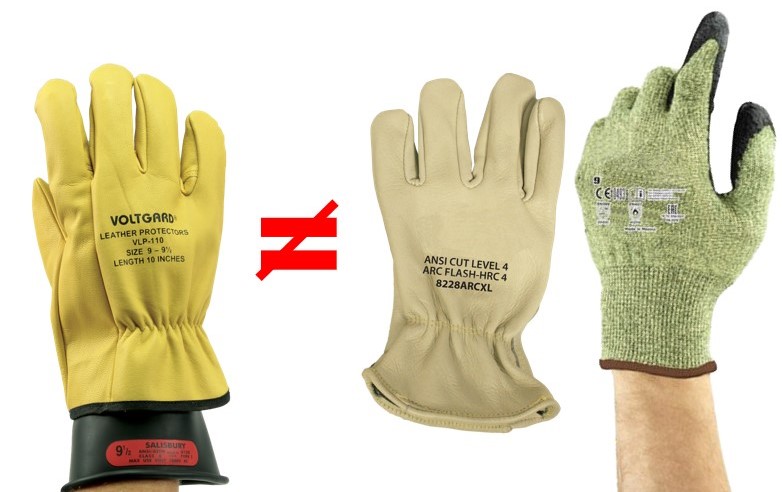
Credit: www.saftgard.com
Choosing The Right Gloves
Using insulated gloves is vital for safe electrical repairs. The right gloves protect you from electric shocks and injuries.
Choose gloves based on their type, size, and material. These factors help ensure safety and comfort.
Types Of Insulated Gloves
There are several types of insulated gloves. Each type suits different electrical tasks and voltage levels.
- Class 0 gloves protect up to 1,000 volts.
- Class 1 gloves protect up to 7,500 volts.
- Class 2 gloves protect up to 17,000 volts.
- Class 3 gloves protect up to 26,500 volts.
- Class 4 gloves protect up to 36,000 volts.
Sizing And Fit
Gloves must fit well to provide full protection. Too tight gloves can tear easily. Too loose gloves reduce control.
| Size | Hand Circumference (inches) | Hand Length (inches) |
| Small | 7-8 | 6.5-7.5 |
| Medium | 8-9 | 7.5-8.5 |
| Large | 9-10 | 8.5-9.5 |
| Extra Large | 10-11 | 9.5-10.5 |
Material Considerations
Most insulated gloves use rubber for electric protection. Some gloves have an outer leather layer for durability.
- Natural rubber offers good insulation and flexibility.
- Leather covers protect against cuts and abrasions.
- Check gloves for cracks or holes before use.
- Store gloves away from heat and sunlight.
Inspecting Gloves Before Use
Insulated gloves protect you from electric shocks. Checking them before use keeps you safe.
Look carefully for damage and test gloves to ensure they work well. Do not skip inspection.
Visual Damage Checks
Check gloves for cracks, holes, or tears. Even small damage can cause electric shock.
Look for dirt, oil, or chemicals on the gloves. These can weaken the material.
- Check the surface for cuts or punctures
- Look inside for holes or damage
- Make sure gloves are clean and dry
Leakage Testing
Leakage tests find tiny holes you cannot see. Use a proper tester for this check.
Follow the test instructions carefully. If gloves fail the test, do not use them.
- Use an air or water leak tester
- Inspect gloves under pressure
- Look for bubbles or air escaping
Expiration And Certification
Gloves have expiration dates. Old gloves may lose protection and become unsafe.
Check the certification label to ensure gloves meet safety standards. Use only certified gloves.
- Find the expiration date on the glove or packaging
- Check for certification marks like ASTM or IEC
- Replace gloves after the expiration date
Proper Glove Maintenance
Insulated gloves protect you from electric shocks during repairs. Proper care keeps them safe and effective. Regular maintenance extends their life and ensures safety.
Follow simple steps to clean, store, and repair your gloves. This helps avoid damage and reduces risks while working with electricity.
Cleaning Techniques
Clean your insulated gloves after each use. Use mild soap and lukewarm water. Avoid harsh chemicals that can weaken the glove material.
- Gently rub the gloves with a soft cloth or sponge.
- Rinse thoroughly to remove all soap.
- Dry gloves naturally away from direct sunlight or heat sources.
- Do not use abrasive brushes or solvents.
Storage Tips
Store insulated gloves properly to keep them in good condition. Avoid folding or compressing them. Keep gloves in a cool, dry place.
| Storage Condition | Recommended Practice |
| Temperature | Between 50°F and 86°F (10°C – 30°C) |
| Humidity | Low humidity to prevent mold and mildew |
| Light | Store away from direct sunlight and UV rays |
| Position | Flat or hanging without folds |
Repair And Replacement
Inspect gloves before each use. Look for cuts, cracks, or holes. Do not try to repair damaged insulated gloves yourself.
Replace gloves immediately if you find any damage. Using damaged gloves can cause serious injuries during electrical work.

Credit: www.reddit.com
Safe Handling Practices
Using insulated gloves correctly is vital for electrical repairs. Safe handling helps protect you from shocks and accidents.
Follow clear steps to keep gloves in good condition and ensure your safety during work.
Donning And Doffing
Put on insulated gloves carefully to avoid damage. Remove them slowly to prevent contact with contaminants.
- Inspect gloves for tears or holes before use.
- Wear gloves over clean, dry hands.
- Pull gloves on gently without stretching.
- After work, remove gloves by peeling them off from the wrist.
- Avoid touching the outside of gloves with bare hands.
Avoiding Contamination
Keep gloves clean to avoid hazards. Dirt, oil, and chemicals can reduce glove protection.
| Contaminant | Effect on Gloves | Cleaning Method |
| Dirt and Dust | Reduces insulation | Wipe with damp cloth |
| Oils and Grease | Causes material breakdown | Use mild soap and water |
| Chemicals | Weakens glove fibers | Rinse thoroughly and air dry |
Using Gloves With Other Ppe
Insulated gloves work best with other protective gear. Proper fit and layering keep you safe.
- Wear gloves under leather or rubber outer gloves.
- Make sure gloves fit well with sleeves and cuffs.
- Check all PPE before starting work.
- Replace damaged gloves or gear immediately.
Limitations And Precautions
Using insulated gloves for electrical repairs helps protect you from shocks. It is important to know their limits and use them safely.
Ignoring precautions can lead to accidents. Always handle gloves with care and follow safety rules.
Voltage Ratings
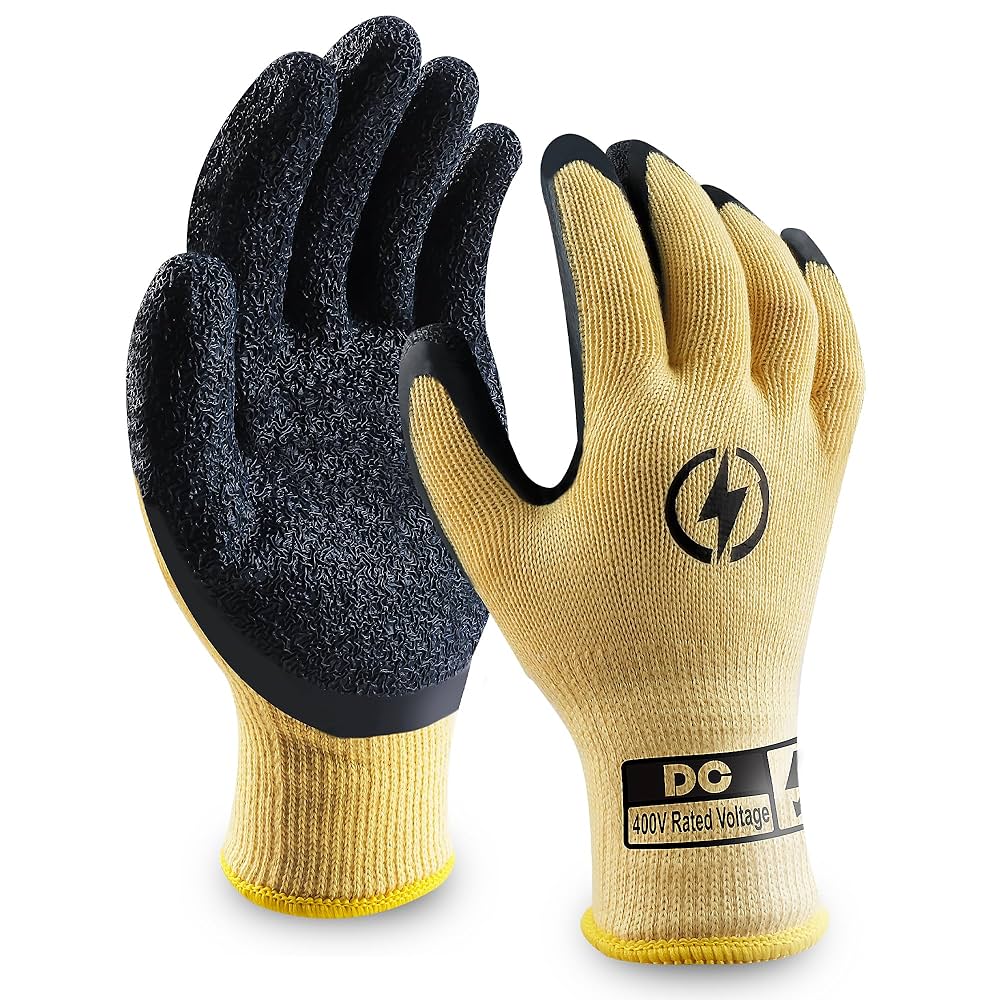
Insulated gloves have voltage ratings that show the highest voltage they can handle. Using gloves beyond their rating is unsafe.
Check the glove’s rating before starting work. Choose gloves that match or exceed the voltage you will face.
- Do not use gloves with a lower rating than the voltage present
- Wear gloves with proper inspection tags
- Replace gloves that show wear or damage
Environmental Factors
Heat, moisture, and dirt can reduce glove protection. Wet gloves can conduct electricity and cause shocks.
Keep gloves clean and dry. Avoid working with gloves that are cracked or torn.
- Store gloves away from direct sunlight and chemicals
- Inspect gloves for cracks or holes before use
- Do not use gloves in wet conditions without extra protection
Avoiding Overconfidence
Gloves help reduce risk but do not make you invincible. Stay alert and follow safety procedures at all times.
Never touch live wires without proper training and tools. Gloves are one part of a safety plan, not a guarantee.
- Use gloves with other protective gear
- Do not take shortcuts or rush repairs
- Keep focused and avoid distractions
Credit: www.amazon.com
Training And Compliance
Using insulated gloves correctly is vital for electrical safety. Proper training helps workers avoid accidents.
Compliance with safety rules ensures protection and meets legal requirements. Training and records support these goals.
User Education
Workers must learn how to inspect gloves before use. They should know the signs of damage or wear.
- Teach proper glove selection for different tasks
- Show correct methods to put on and remove gloves
- Explain the limits of glove protection
- Practice safe handling and storage
Regulatory Standards
Follow local and international safety standards. These rules set the minimum requirements for glove use.
| Standard | Description | Key Requirement |
| IEC 60903 | Electrical insulating gloves | Testing every 6 months |
| OSHA 1910.137 | Protective gloves for electrical work | Use gloves rated for voltage |
| ASTM D120 | Specification for rubber insulating gloves | Regular inspection and replacement |
Record Keeping
Keep detailed records of glove training and inspections. This helps track compliance and safety history.
- Log training dates and topics covered
- Document glove inspection results
- Record glove replacements and retirements
- Store records securely for audits
Frequently Asked Questions
What Are Insulated Gloves Used For?
Insulated gloves are essential for electrical repairs. They protect against electric shocks and burns. These gloves are made from non-conductive materials. They ensure safety when working with live electrical circuits. Always choose the right glove class based on voltage levels.
How To Choose The Right Insulated Gloves?
Select gloves based on the voltage level you’ll work with. Check for ASTM standards compliance. Ensure the gloves fit well without being too tight. Inspect gloves for any damage before use. Regularly test gloves for insulation effectiveness.
How Often Should Insulated Gloves Be Tested?
Insulated gloves should be tested every six months. Regular testing ensures they’re safe for use. Always check the manufacturer’s guidelines. Look for signs of wear and tear before each use. Testing helps maintain safety standards during electrical repairs.
Can Insulated Gloves Protect Against All Voltages?
Insulated gloves are designed for specific voltage levels. They don’t protect against all voltages. Always check the glove’s class and rating. Use gloves suitable for the voltage you’re working with. Never assume all gloves offer the same protection.
Conclusion
Using insulated gloves protects you from electrical shocks. Always check gloves for damage before starting work. Keep gloves clean and dry to ensure safety. Replace gloves if you find any cracks or tears. Follow safety rules and use the right gloves for each job.
Staying careful helps prevent accidents and injuries. Trust your gloves but stay alert while working. Safety first—every time you handle electrical repairs.