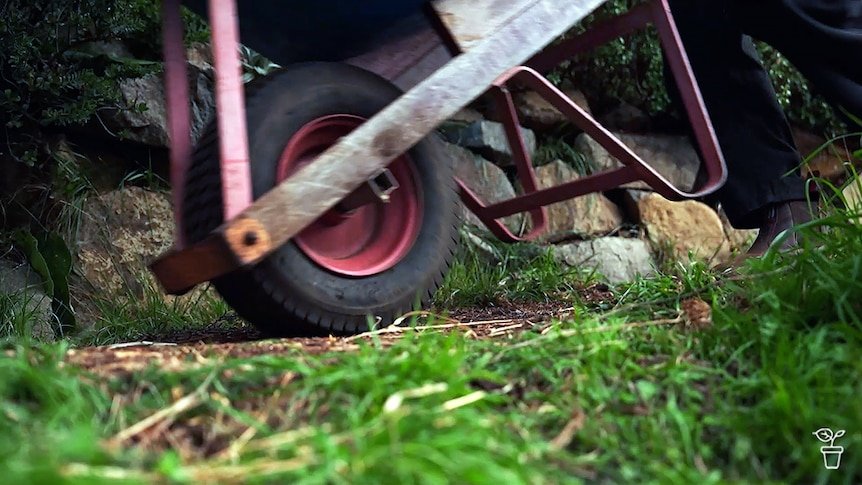
Using a wheelbarrow on a sloped garden can quickly become tricky and even dangerous if you’re not careful. You might worry about losing control or straining your back while trying to move soil, plants, or tools uphill or downhill.
But with the right tips, you can make your work easier, safer, and more efficient. Keep reading to discover simple tricks that will help you handle your wheelbarrow like a pro, no matter how steep your garden is. Your next gardening task will feel smoother and less stressful than ever before.
Choosing The Right Wheelbarrow
Using a wheelbarrow in a sloped garden can be tough. Picking the right wheelbarrow makes your work easier and safer.
Think about the wheel type, weight, and handle design. These features help you move soil, plants, and tools smoothly on hills.
Single Vs. Dual Wheel Options
Single-wheel wheelbarrows are easier to steer on slopes. They can balance better on uneven ground.
Dual-wheel wheelbarrows offer more stability. They are less likely to tip over but can be harder to turn on hills.
- Single wheel: easier to maneuver on slopes
- Dual wheels: more stable on flat or gentle slopes
- Choose based on your garden’s steepness and your strength
Weight And Capacity Considerations
Lighter wheelbarrows are easier to push uphill. Heavy ones can tire you quickly on slopes.
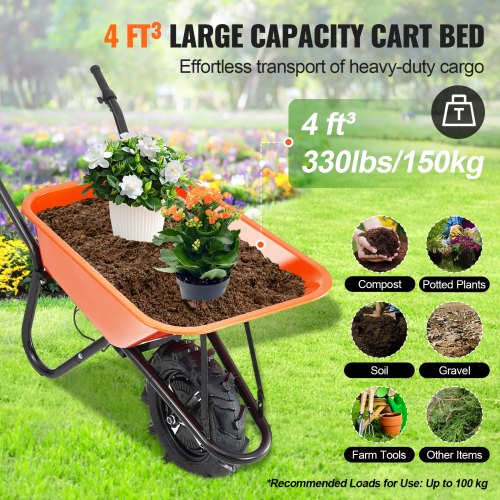
Capacity matters too. Pick a size that fits your load without making it too heavy to control on a hill.
- Smaller loads reduce strain on sloped paths
- Larger capacity means fewer trips but more effort
- Balance weight with how steep your garden is
Ergonomic Handles And Grip
Good handles help you hold and control the wheelbarrow on slopes. Look for grips that feel comfortable and firm.
Ergonomic designs reduce hand and wrist strain. They make pushing and steering easier when going uphill or downhill.
- Rubber grips prevent slipping
- Handles that fit your hand size improve control
- Raised handles can help with better leverage on slopes
Preparing The Sloped Garden Path
Using a wheelbarrow on a sloped garden needs careful path preparation. A well-prepared path makes moving materials easier and safer.
Focus on clearing obstacles, creating good traction, and marking safe routes. These steps help prevent accidents and protect your garden.
Clearing Obstacles And Debris
Remove rocks, sticks, and fallen leaves from the path. These can block or tip your wheelbarrow on a slope.
- Pick up large stones and branches.
- Rake loose dirt to smooth the surface.
- Trim overhanging plants to widen the path.
- Check for hidden holes and fill them.
Creating Stable Traction Surfaces
Good traction stops the wheelbarrow from slipping. Use materials that give grip and keep the path firm.
| Material | Purpose | Notes |
| Gravel | Improves grip | Use small, sharp stones |
| Wood Chips | Prevents mud | Replace if it rots |
| Paving Stones | Provides firm surface | Place evenly with gaps |
| Rubber Mats | Increases traction | Good for steep areas |
Marking Safe Routes
Mark the safest way to wheel your load. Clear signs help avoid risky spots and keep you on track.
Tips for marking routes:
- Use stakes with bright tape on each side of the path.
- Place signs at turns or tricky spots.
- Keep the route as straight as possible.
- Check markers regularly and replace if faded.
Loading And Balancing Techniques
Using a wheelbarrow on sloped gardens can be tricky. Proper loading and balancing help keep control and avoid spills.
Focus on how you place the load and keep it steady. This makes moving soil or plants easier and safer.
Distributing Weight Evenly
Place heavy items in the center of the wheelbarrow. This keeps the load balanced and easier to push uphill.
Spread lighter materials around the heavier parts. This prevents tipping and keeps the wheelbarrow steady on slopes.
- Put heavy soil or rocks near the wheel
- Fill gaps with lighter materials like leaves
- Keep the load low to maintain balance
Avoiding Overloading
Don’t put too much weight in the wheelbarrow. Overloading makes it hard to control on a slope.
Use smaller loads and make more trips. This reduces strain and keeps you safe while working.
- Check the wheelbarrow’s weight limit
- Lift carefully to avoid injury
- Unload if the load feels too heavy
Securing Loose Materials
Loose materials can fall off when going up or down slopes. Secure them to avoid mess and waste.
Use a tarp or net to cover the load. This keeps soil, mulch, or plants from spilling out.
- Wrap loose items in a cloth or tarp
- Tie materials with rope or bungee cords
- Check the load before moving on slopes

Credit: www.youtube.com
Safe Maneuvering On Slopes
Using a wheelbarrow in a sloped garden needs care and attention. Slopes can make it harder to control the wheelbarrow. This guide helps you move safely on hills and uneven ground.
Follow these tips to avoid accidents and make your work easier. Keep control and balance as you move uphill, downhill, and around corners.
Maintaining Control Going Uphill
Push the wheelbarrow slowly and steadily when going uphill. Keep your body close to the handles to keep balance. Use your legs more than your arms to avoid tiring quickly.
Keep the load light and centered over the wheel. This helps prevent tipping backward or losing control.
- Keep the wheelbarrow close to your body
- Push with steady, even force
- Distribute the load evenly
- Use your legs to power the movement
Techniques For Descending Safely
When going downhill, slow down and keep a firm grip on the handles. Let the wheelbarrow roll, but stay ready to stop it if it speeds up too much. Lean slightly back to balance the weight.
Do not let the wheelbarrow pull you forward. Walk carefully and keep your feet steady to avoid slipping.
- Hold handles tightly
- Walk slowly and carefully
- Keep your weight balanced
- Stop if the wheelbarrow moves too fast
Handling Turns And Corners
Take turns slowly to keep the wheelbarrow stable. Avoid sharp turns that can tip it over. Shift the load slightly if needed to keep balance while turning.
Look ahead to plan your path. Clear obstacles before turning to make the move smoother and safer.
- Slow down before turning
- Avoid sharp or sudden turns
- Shift load to keep balance
- Plan your path ahead
- Clear obstacles in advance
Personal Safety Gear
Using a wheelbarrow on sloped gardens can be risky without the right safety gear. Wearing proper equipment helps prevent injuries and improves control.
Always prepare with safety gear before moving heavy loads on uneven ground. This keeps you steady and protects your body.
Footwear For Grip And Stability
Wear shoes that have good grip to stop slipping on slopes. Boots with non-slip soles work best on wet or loose soil.
Choose sturdy footwear that supports your ankles. This helps keep balance when pushing a wheelbarrow uphill or downhill.
- Shoes with deep treads for better traction
- Waterproof material to keep feet dry
- High ankle support to prevent twists
- Comfortable fit to avoid blisters
Gloves And Protective Clothing
Gloves protect your hands from blisters and sharp objects. Choose thick gloves that offer good grip and comfort.
Wear long sleeves and pants to guard your skin against scratches and insect bites. Durable fabrics last longer during garden work.
- Leather or heavy-duty gloves
- Breathable long-sleeve shirts
- Durable garden pants
- Hats for sun protection
Using Supportive Braces If Needed
If you have weak wrists or knees, wear braces for extra support. They help reduce strain when moving heavy loads.
Braces improve stability and lower the chance of injury on sloped surfaces. Use them especially during long or tough work sessions.
- Wrist braces to protect joints
- Knee supports for added stability
- Back braces to help posture
Credit: www.theempowerededucatoronline.com
Maintenance Tips For Longevity
Using a wheelbarrow on sloped gardens can be tough on the tool. Proper care helps it last longer. Regular maintenance keeps it working well and safe.
Check your wheelbarrow often to spot small problems early. Fixing issues quickly saves money and effort later on.
Regular Tire Checks And Inflation
Check the tire pressure before every use. Proper inflation makes pushing easier on slopes. Underinflated tires can damage the wheel and tire.
Look for cracks or worn areas on the tire. Replace the tire if it shows serious damage. Well-maintained tires improve stability on uneven ground.
- Check tire pressure weekly
- Use a hand pump to inflate tires
- Replace tires with cracks or dry rot
- Keep spare inner tubes for quick fixes
Lubricating Moving Parts
Keep the wheel axle and other moving parts lubricated. This reduces friction and prevents rust. Use a light oil or grease for best results.
Clean the moving parts before adding lubricant. Dirt and dust can wear down parts faster. Lubricate every few weeks if used often.
- Wipe dirt from the axle
- Apply oil or grease evenly
- Spin the wheel to spread lubricant
- Repeat lubrication monthly or as needed
Inspecting Handles And Frame Integrity
Check handles for cracks or splinters. Smooth handles prevent blisters and improve grip. Replace or sand down damaged handles to stay safe.
Look over the frame for rust or bent areas. Rust weakens the frame and can cause failure on slopes. Clean and paint rust spots promptly.
- Look for loose bolts and tighten them
- Sand and paint rusted frame parts
- Replace broken or split handles
- Check frame straightness before use
Troubleshooting Common Issues
Using a wheelbarrow on a sloped garden can be tricky. Some problems often come up that slow you down.
Knowing how to fix these issues makes your work easier and safer on hills and uneven ground.
Dealing With Wheel Slippage
Wheel slippage happens when the wheel spins but the wheelbarrow does not move forward. This is common on wet or loose soil.
To stop wheel slippage, slow down and push with steady force. Avoid quick, sharp pushes that cause the wheel to spin out.
- Check tire pressure; inflate to the right level.
- Use tires with good tread for better grip.
- Add sand or gravel on the path for traction.
- Push straight uphill, not at an angle.
Fixing Imbalanced Loads
An imbalanced load makes the wheelbarrow hard to control. It can tip over easily on slopes.
Place heavy items near the wheel to keep balance. Spread the load evenly to avoid tilting.
- Put heavy tools or soil close to the wheel.
- Distribute weight evenly on both sides.
- Do not overload the wheelbarrow; keep loads manageable.
- Check balance before moving uphill or downhill.
Managing Difficult Terrain
Sloped gardens often have rocky or uneven ground. This makes pushing a wheelbarrow harder and less stable.
Choose paths that avoid large rocks or holes. Take slow, careful steps to keep control.
- Clear large stones or debris from the path.
- Use a wheelbarrow with a wide tire for better balance.
- Walk beside the wheelbarrow, not behind it, for better control.
- Rest frequently to avoid fatigue on tough terrain.
Credit: www.vevor.ca
Frequently Asked Questions
How To Safely Use A Wheelbarrow On Slopes?
To safely use a wheelbarrow on slopes, maintain a firm grip and avoid overloading. Always push, don’t pull, and keep your body behind the wheelbarrow for control. Use slow, steady movements to prevent tipping. Consider using wheelbarrows designed for uneven terrain for added stability.
What Type Of Wheelbarrow Is Best For Sloped Gardens?
For sloped gardens, choose a wheelbarrow with pneumatic tires and a sturdy frame. A single-wheel design offers better maneuverability, while two-wheel models provide more stability. Look for models with ergonomic handles for better control on uneven surfaces. Consider the load capacity to match your gardening needs.
Can Wheelbarrows Handle Heavy Loads On Slopes?
Wheelbarrows can handle heavy loads on slopes if used correctly. Ensure the load is balanced and not too high. Overloading can lead to tipping, especially on uneven terrain. Distribute weight evenly and maintain control with both hands. Consider multiple trips if the load is too heavy.
Are There Techniques For Easier Uphill Pushing?
To push uphill easily, lean slightly forward and use your legs for power. Keep the wheelbarrow close to your body for better control. Use short, controlled steps to maintain balance and prevent strain. If the slope is steep, consider using a partner to assist with the load.
Conclusion
Using a wheelbarrow on sloped gardens takes care and focus. Keep your balance and go slow on hills. Load the wheelbarrow evenly to avoid tipping over. Choose paths that are stable and clear of obstacles. These tips help you work safely and easily.
Practice makes handling slopes less tricky over time. Keep these ideas in mind for your next garden task. A smooth ride makes gardening more enjoyable and less tiring.