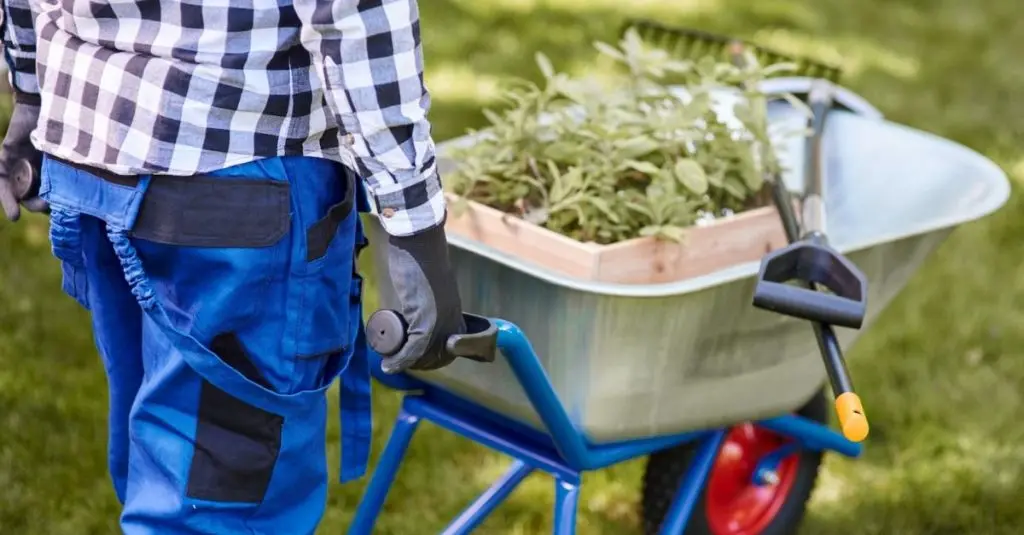
Your garden wheelbarrow is more than just a tool—it’s your reliable partner for every planting, hauling, and digging task. But if you don’t take care of it, rust, flat tires, and squeaky handles can slow you down and make your work harder than it needs to be.
Imagine finishing your gardening chores quickly and smoothly, with your wheelbarrow ready to go every time you step outside. You’ll discover simple, practical steps to keep your wheelbarrow in top shape, so it lasts longer and works better. Ready to make your gardening easier?
Let’s dive in.
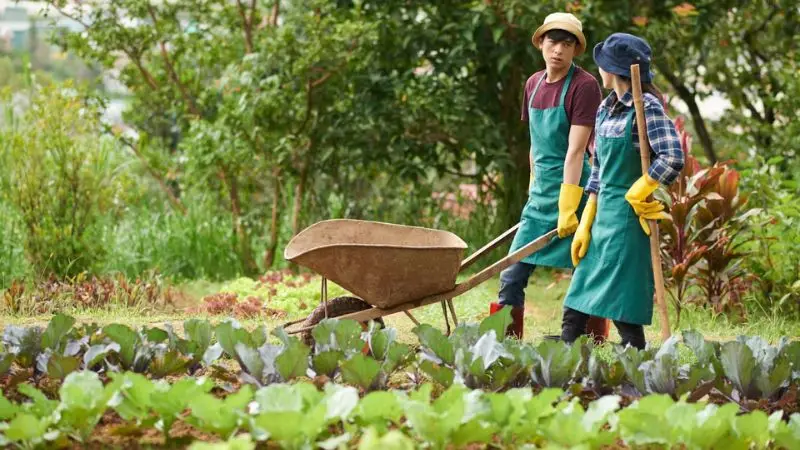
Credit: www.vevor.com
Choosing The Right Wheelbarrow
Picking the right wheelbarrow helps you work better in the garden. It makes moving soil and plants easier and faster.
Look at the wheelbarrow’s parts before buying. Materials, wheels, and handles matter for your tasks.
Materials And Durability
Wheelbarrows come in different materials like steel, plastic, and wood. Steel is strong but heavy. Plastic is light and rust-free. Wood looks nice but can wear out faster.
Choose a material that lasts and fits your garden work. Think about weight and how often you will use it.
- Steel: strong and durable, but heavy
- Plastic: light and rust-resistant
- Wood: good for light work, less durable
Wheel Types And Benefits
Wheelbarrows usually have one or two wheels. Single wheels turn easily but need balance. Two wheels offer more stability but are less nimble.
Wheels also come in different styles. Pneumatic tires give a smooth ride on rough ground. Solid tires need less care but are harder on bumpy paths.
- Single wheel: easy to steer, needs balance
- Two wheels: stable, good for heavy loads
- Pneumatic tires: smooth ride, soft on ground
- Solid tires: no flats, rough on uneven ground
Handle Styles
Handles affect how comfortable the wheelbarrow feels. Some have straight handles, while others have loop handles for better grip.
Choose handles that fit your hand size and strength. Good handles reduce strain and help you control the load better.
- Straight handles: classic design, easy to grip
- Loop handles: better control and comfort
- Wood handles: strong but may need care
- Metal handles: durable but can be cold
Cleaning After Each Use
Cleaning your garden wheelbarrow after every use keeps it in good shape. Dirt and debris can cause damage over time.
Regular cleaning helps the wheelbarrow last longer and work better for your garden tasks.
Removing Dirt And Debris
Start by removing loose dirt and debris from the wheelbarrow. Use a stiff brush or a scraper to clean the tray and wheels.
Check the corners and underneath for stuck soil or leaves. Clearing these spots prevents rust and damage.
Using Appropriate Cleaning Tools
Use tools that suit the dirt type on your wheelbarrow. A garden hose, brush, and mild detergent work well for cleaning.
- A garden hose helps wash away loose soil.
- A stiff brush scrubs away dried mud.
- Mild detergent removes stubborn stains.
- A scraper clears stuck debris in tight spots.
Avoid harsh chemicals that can damage the wheelbarrow’s paint or metal.
Drying Techniques
Dry the wheelbarrow after cleaning to stop rust from forming. Use a dry cloth or let it air dry in the sun.
Make sure to dry all parts, including handles and wheels. Proper drying keeps the wheelbarrow ready for the next use.
Lubricating Moving Parts
Keeping your garden wheelbarrow in good shape means regular care. Lubricating its moving parts helps it work smoothly. This reduces wear and tear.
Focus on parts that move or spin. These parts need oil or grease to stop rust and friction.
Wheel Bearings
Wheel bearings allow the wheel to turn with little effort. Dirt and water can damage them over time. Lubricate bearings to keep them spinning freely.
Remove the wheel if possible. Clean the bearings with a rag. Apply grease evenly around the bearing before putting the wheel back.
Axles And Joints
The axle holds the wheel in place and lets it turn. Joints connect moving parts like handles and the wheel. These spots also need oil to move well.
Use a few drops of oil on the axle and joints. Move the parts back and forth to spread the lubricant. Check for rust and clean if needed.
Recommended Lubricants
Choose lubricants that suit garden tools. Grease works well for wheel bearings. Oil is good for axles and joints. Avoid thick grease on joints.
- Grease: Use for wheel bearings to stop wear
- Light machine oil: Best for axles and joints
- Penetrating oil: Helps loosen rusty parts before lubrication
Protecting Against Rust
Rust can damage your garden wheelbarrow and shorten its life. Keeping it free from rust helps it work better for longer.
Regular care and simple steps can stop rust from forming. Let’s look at how to protect your wheelbarrow from rust.
Applying Protective Coatings
Use paint or special sprays to cover metal parts. These coatings block water and air, which cause rust.
Choose coatings made for outdoor metal tools. Reapply them every year or after heavy use.
- Clean the wheelbarrow before applying coatings
- Use rust-resistant paint or spray
- Cover all metal surfaces evenly
- Let the coating dry completely
- Repeat as needed to keep protection strong
Storage Tips To Prevent Moisture
Store the wheelbarrow in a dry place. Moisture causes rust to form quickly on metal parts.
Keep it off the ground and cover it with a waterproof tarp if stored outside. Good airflow helps keep it dry.
- Store inside a shed or garage if possible
- Use a cover that blocks rain but allows air
- Keep wheelbarrow tilted to drain water
- Avoid storing near damp soil or plants
- Check storage area regularly for leaks or moisture
Handling Rust Spots
Remove rust spots quickly to stop them from spreading. Use sandpaper or a wire brush to clean the area.
After cleaning, apply a rust converter or primer before painting. This stops rust from coming back.
- Wear gloves and safety glasses
- Sand or brush the rust until metal is smooth
- Clean dust and debris from the surface
- Apply rust converter or metal primer
- Paint over treated area to seal it
Checking Tire Pressure And Condition
Maintaining your garden wheelbarrow is important for easy use. Checking the tire pressure and condition helps avoid problems.
Good tires make pushing the wheelbarrow smoother and safer. It also helps protect the wheelbarrow parts.
Inflation Guidelines
Check the tire pressure regularly to keep it at the right level. Use a tire gauge to measure the air pressure.
Most garden wheelbarrow tires need 20 to 30 PSI. Do not overinflate or underinflate the tires.
- Check pressure before each use
- Inflate to the number on the tire sidewall
- Use an air pump with a pressure gauge
- Release air if the tire feels too hard
Repairing Punctures
Fix small holes quickly to avoid tire damage. You can repair punctures with a patch kit or replace the tube.
First, remove the tire from the wheelbarrow. Find the hole by inflating the tire and listening for air leaks.
- Remove the tire carefully from the rim
- Locate the puncture by inflating the tire
- Use a patch kit to seal small holes
- Replace the inner tube if patching fails
- Reinstall the tire and inflate properly
Replacing Worn Tires
Change tires when the tread is worn or the rubber cracks. Worn tires reduce traction and can cause accidents.
Buy the right size tire for your wheelbarrow. Remove the old tire and install the new one carefully to avoid damage.
- Check tire size printed on the sidewall
- Remove the old tire by loosening the rim
- Fit the new tire evenly on the rim
- Inflate the new tire to the correct pressure
- Test the wheelbarrow before use

Credit: thegardencrafter.com
Storing The Wheelbarrow Properly
Keeping your garden wheelbarrow in good shape means storing it correctly. Proper storage stops rust and damage. It also makes the wheelbarrow last longer.
Here are tips on how to store your wheelbarrow. Learn about indoor and outdoor storage, positioning, and seasonal care.
Indoor Vs Outdoor Storage
Storing a wheelbarrow indoors protects it from rain, sun, and cold. Indoor storage helps stop rust and paint fading. A garage or shed is best.
Outdoor storage is okay if you cover the wheelbarrow well. Use a waterproof tarp to keep off water and dirt. But outdoor storage may cause faster wear.
- Indoor storage protects from weather damage
- Outdoor storage needs good covering
- Indoor spots keep the wheelbarrow cleaner
- Outdoor storage can cause rust if not covered
Positioning To Avoid Damage
Place the wheelbarrow upside down when storing. This prevents rainwater from collecting inside. Keep it on a flat, dry surface to avoid wobbling.
Keep the wheelbarrow away from sharp objects and heavy tools. Avoid leaning it against walls in a way that bends the handles or frame.
- Store wheelbarrow upside down to stop water buildup
- Use a flat, dry surface for stability
- Keep away from sharp tools or heavy items
- Do not lean in a way that bends parts
Seasonal Storage Tips
Before winter or long breaks, clean the wheelbarrow well. Remove dirt, mud, and plant matter. Dry it completely to avoid rust.
Lubricate the wheel axle and moving parts before storage. Check tire pressure and inflate if needed. Cover or store it indoors during harsh seasons.
- Clean and dry the wheelbarrow before storing
- Oil moving parts to prevent rust
- Check and inflate tires if needed
- Cover or move indoors in winter or rain
Regular Inspections And Repairs
Keeping your garden wheelbarrow in good shape helps it last longer. Regular checks catch problems early. Fixing small issues prevents bigger damage later.
Inspect your wheelbarrow often. Look for signs of wear and tear. Tighten loose bolts and replace broken parts quickly. This keeps the wheelbarrow safe and easy to use.
Identifying Wear And Tear
Wear and tear show as rust, cracks, or bent parts. Check the tray, handles, and wheel regularly. Early signs may be small but grow over time.
- Look for rust spots on metal parts
- Check wooden handles for splinters or cracks
- Inspect the wheel for flat spots or wobbling
- Examine the tray for dents or holes
Tightening Loose Bolts
Loose bolts make the wheelbarrow unstable. Tighten bolts with a wrench or pliers. Check all bolts on the frame and handles.
| Part | Check | Action |
| Wheel axle | Loose or moving | Tighten bolt firmly |
| Handle brackets | Wobbly or loose | Tighten all bolts |
| Tray mounts | Shifting or loose | Secure bolts firmly |
Replacing Damaged Parts
Replace parts that are cracked or broken. Use parts that fit well. Fixing parts keeps the wheelbarrow safe and useful.
- Wheel or tire
- Handles
- Tray or tub
- Bolts and washers
Credit: thegardencrafter.com
Frequently Asked Questions
How Often Should I Clean My Garden Wheelbarrow?
Regularly clean your garden wheelbarrow after each use to prevent rust and debris buildup. Wash it with water and mild soap. Ensure it is thoroughly dried before storing. This will extend its lifespan and maintain its efficiency. A clean wheelbarrow also reduces the chances of transferring plant diseases.
What Is The Best Way To Store A Wheelbarrow?
Store your wheelbarrow in a dry, sheltered place like a garage or shed. Keep it upside down to prevent water accumulation. Ensure it is elevated off the ground to avoid rust. Use a wheelbarrow cover for added protection. Proper storage can significantly prolong its life and effectiveness.
How Do I Prevent My Wheelbarrow From Rusting?
To prevent rust, clean your wheelbarrow after each use and dry it thoroughly. Apply a rust-resistant spray or oil on metal parts. Store it in a dry place, away from moisture. Regularly inspect for rust spots and treat them immediately.
These steps will help maintain your wheelbarrow’s condition.
Why Is Tire Maintenance Important For Wheelbarrows?
Proper tire maintenance ensures smooth operation and prolongs your wheelbarrow’s life. Check tire pressure regularly and inflate as needed. Inspect for punctures and replace damaged tires promptly. Well-maintained tires provide stability and reduce strain during use, making garden tasks easier and more efficient.
Conclusion
Caring for your garden wheelbarrow keeps it working well. Clean it after each use to prevent rust and dirt build-up. Tighten bolts and check the tire pressure often. Store it in a dry place to avoid damage. Small steps like these save money and time later.
A well-kept wheelbarrow makes gardening easier and more fun. Keep up with simple maintenance and enjoy your garden tools longer. Easy habits lead to better results.