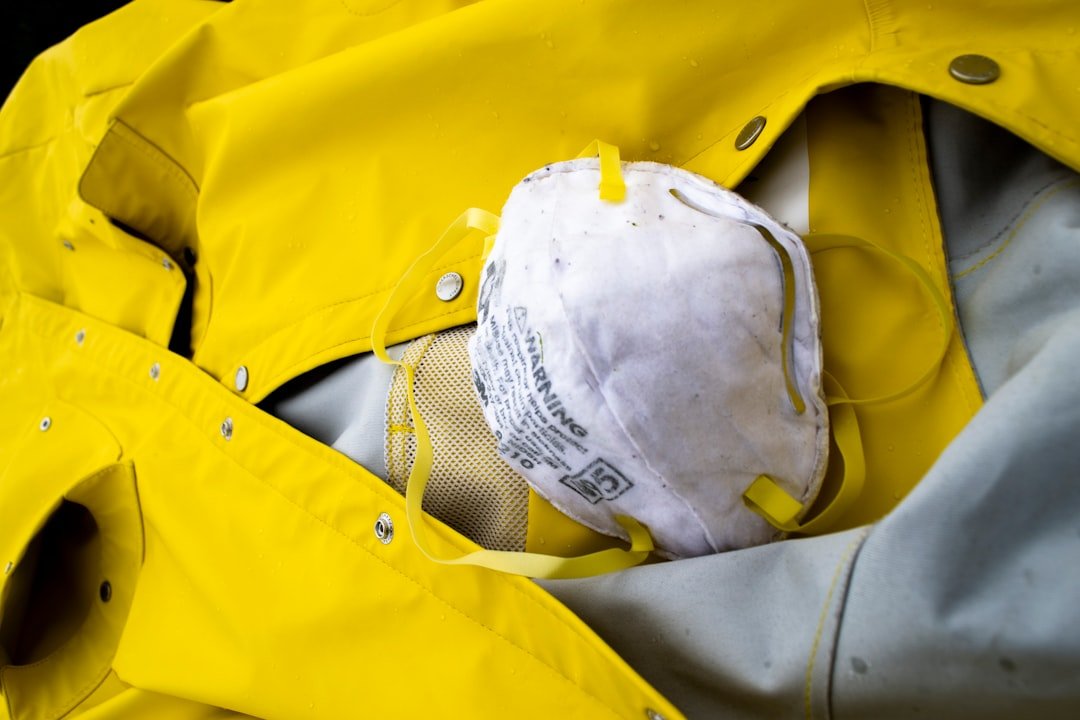
When you handle chemicals, your safety depends on more than just knowing the right procedures. Wearing the right protective clothing can be the difference between staying safe and facing serious harm.
But how do you make sure you’re putting it on correctly? This guide will show you exactly how to wear protective clothing for chemical handling, step by step. By following these simple tips, you’ll protect yourself better and work with confidence.
Keep reading to learn how to gear up the right way and keep risks far away.
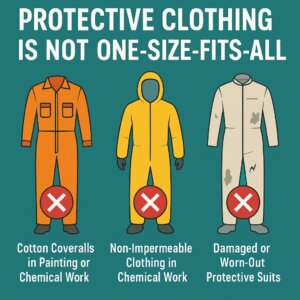
Credit: www.cheamyppe.com
Types Of Protective Clothing
Protective clothing keeps workers safe from chemicals. It prevents skin contact and reduces injury risks.
Different tasks need different protective gear. Choose clothing based on the chemicals and work environment.
Chemical-resistant Suits
Chemical-resistant suits cover the whole body. They block harmful liquids and gases from touching skin.
These suits come in many materials like PVC, neoprene, and Tyvek. Each suits different chemical types.
- PVC suits are good for acids and alkalis
- Neoprene suits resist oils and solvents
- Tyvek suits protect from dust and light sprays
Gloves And Hand Protection
Gloves protect hands from chemicals and cuts. Choose gloves that fit well and match the chemicals handled.
Materials include nitrile, latex, and neoprene. Each protects against different chemical types and dangers.
- Nitrile gloves resist oils and solvents
- Latex gloves protect against mild chemicals
- Neoprene gloves guard against acids
Footwear Options
Protective boots stop chemicals from reaching feet. They also prevent slips and injuries.
Boots often have rubber or PVC covers. Some have steel toes for extra safety.
- Rubber boots resist water and many chemicals
- PVC boots protect against acids and bases
- Steel-toe boots prevent foot crush injuries
Eye And Face Protection
Goggles and face shields protect eyes and face. They stop splashes and fumes from causing harm.
Choose gear that fits well and offers clear vision. Different types protect against different risks.
- Safety goggles block splashes and dust
- Face shields cover the whole face
- Chemical splash goggles resist liquid penetration
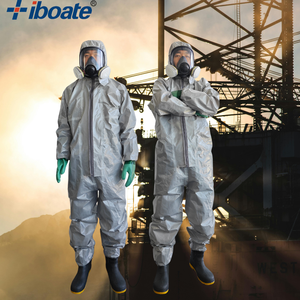
Credit: www.alibaba.com
Selecting The Right Gear
Wearing protective clothing is important when handling chemicals. Choosing the right gear keeps you safe from spills and splashes.
Different chemicals need different types of clothing. Learn how to pick the best gear for your work.
Assessing Chemical Hazards
First, know what chemicals you will handle. Check their labels and safety data sheets.
Look for hazards like toxicity, flammability, and corrosiveness. This helps decide the level of protection needed.
- Identify chemical type and concentration
- Note possible health effects
- Check if chemicals cause skin burns or irritation
- Understand exposure risks (splashes, fumes, contact)
Matching Materials To Chemicals
Choose clothing material that resists the chemicals you handle. Some materials block acids, others block solvents.
Use the safety data sheet to find chemical compatibility charts. These charts show which materials work best.
| Chemical Type | Recommended Material |
|---|---|
| Acids and Alkalis | Butyl Rubber, Neoprene |
| Solvents | Polyvinyl Alcohol (PVA), Nitrile |
| Oils and Greases | Nitrile, PVC |
| Strong Oxidizers | Hypalon, Viton |
Sizing And Fit Considerations
Protective clothing must fit well. Too tight gear can tear. Too loose gear can catch on objects.
Check sizes for your body shape. Make sure you can move freely and use tools easily.
- Measure chest, waist, and arm length
- Try on clothing with gloves and boots
- Ensure no gaps where chemicals can enter
- Consider adjustable features like straps or elastic bands
Proper Donning Techniques
Wearing protective clothing correctly is key for safety when handling chemicals. It keeps harmful substances away from your skin and clothes.
Follow clear steps to put on your gear properly. This reduces risk and ensures the clothing works well.
Preparing The Clothing
Check your protective clothing for damage before use. Look for holes, tears, or worn areas that can let chemicals through.
Make sure the clothing is clean and dry. Dirty or wet clothing can reduce protection and cause skin irritation.
- Inspect seams and fabric for holes
- Check zippers, buttons, or Velcro fasteners
- Confirm the clothing fits your body size
- Wear clean gloves and boots if part of the gear
Step-by-step Wearing Process
Put on your protective clothing in a clean area. Avoid touching outside surfaces after you wear it.
Start with inner layers if needed, then the main protective suit. Use both hands to avoid stretching or tearing.
- Step into pants or coveralls carefully
- Pull sleeves and legs fully over your arms and legs
- Put on gloves after the sleeves are secure
- Wear boots before sealing the suit if separate
Ensuring Secure Closures
Close all fasteners tightly to stop chemicals from entering. Check zippers, buttons, and Velcro strips.
Seal any gaps around wrists, ankles, and neck. Use tape if needed to cover openings and improve safety.
- Zip up all zippers completely
- Fasten all buttons or snaps securely
- Adjust Velcro straps for a snug fit
- Use tape on suit edges if recommended
Safe Use Practices
Protective clothing is essential for handling chemicals safely. It helps shield skin and clothes from harmful substances. Following safe use practices reduces risks and keeps you protected.
This guide covers key tips on avoiding cross-contamination, maintaining comfort, and checking clothing for damage. Use these to stay safe during chemical handling tasks.
Avoiding Cross-contamination
Cross-contamination happens when chemicals spread from one surface to another. This can cause unexpected exposure and accidents. Prevent this by handling clothing and equipment carefully.
- Remove protective clothing before touching clean areas or personal items.
- Use separate storage for clean and used clothing.
- Clean gloves and boots regularly to remove residues.
- Change clothing immediately if it becomes contaminated.
- Wash hands thoroughly after removing protective gear.
Maintaining Mobility And Comfort
Protective clothing should fit well to allow easy movement. Comfort helps you work safely and focus on tasks. Choose the right size and adjust clothing to prevent strain.
| Tip | Explanation |
| Choose proper size | Too tight restricts movement; too loose can catch on objects. |
| Use adjustable fasteners | Velcro or straps improve fit and comfort. |
| Wear breathable materials | Prevents overheating and sweating during work. |
| Layer clothing properly | Allows flexibility and temperature control. |
Monitoring Clothing Integrity
Check protective clothing before and after use. Small tears or holes can let chemicals through. Regular inspection keeps your gear effective and safe.
- Look for holes, tears, or worn areas.
- Check seams and fasteners for damage.
- Replace clothing that shows signs of wear.
- Keep a record of inspection dates and results.
- Report any defects to supervisors immediately.
Removing Protective Clothing
Protective clothing keeps you safe from chemicals. Removing it carefully stops contamination. Follow rules to protect yourself and others.
Take off protective gear in a safe place. Avoid touching your skin or clothes with contaminated parts.
Safe Removal Procedures
Remove protective clothing slowly and carefully. Start with gloves, then goggles, and finally the suit. Avoid sharp movements to prevent spreading chemicals.
- Untie or unzip clothing without touching outside
- Pull clothing away from your body
- Turn clothing inside out as you remove it
- Remove gloves last to avoid hand contamination
Decontamination Steps
Clean any chemical residue before removing clothing. Use water or special solutions to wash exposed areas. Follow your workplace guidelines for safe cleaning.
- Rinse skin and clothing with clean water
- Use soap or approved cleaning agents if needed
- Check for chemical spots on clothing
- Repeat washing if contamination remains
Disposal And Cleaning
Dispose of single-use protective gear safely. Clean reusable items before storage. Use proper containers for chemical waste to protect the environment.
- Place disposable clothing in labeled hazardous waste bags
- Wash reusable clothing according to instructions
- Store clean items in a dry, safe place
- Report damaged or heavily contaminated gear for replacement

Credit: www.chemicals.co.uk
Training And Compliance
Wearing protective clothing is key for safe chemical handling. Proper training helps workers understand why and how to use this gear.
Following rules and keeping up with changes keeps everyone safe and meets legal requirements.
Regular Safety Training
Training should happen often to remind workers about safe clothing use. It builds habits that reduce risks.
- Teach how to put on and take off protective gear
- Explain which clothing suits different chemicals
- Show how to check for damage or contamination
- Practice emergency removal of clothing
- Discuss how to store and clean protective items
Following Regulatory Standards
Compliance with laws ensures protection and avoids fines. Different chemicals need specific clothing types.
| Standard | Requirement | Purpose |
| OSHA | Proper PPE use | Worker safety |
| NIOSH | Respiratory protection | Prevent inhalation |
| ANSI | Material resistance | Protection from splash |
Keeping Up With Updates
Safety rules change as new risks appear. Workers must know about updates fast.
Ways to stay updated:
- Subscribe to safety newsletters
- Attend refresher training sessions
- Check government websites regularly
- Join safety meetings at work
Frequently Asked Questions
What Protective Clothing Is Best For Chemical Handling?
Chemical-resistant suits made from materials like Tyvek or PVC provide excellent protection. Choose clothing that resists specific chemicals used. Ensure the suit covers all exposed skin areas to prevent contact and contamination.
How Do You Properly Wear Chemical Protective Gear?
Wear the suit over regular clothing and secure all closures tightly. Use gloves, goggles, and boots designed for chemical resistance. Check for gaps or tears before entering hazardous areas to ensure full protection.
Can I Reuse Protective Clothing After Chemical Exposure?
Most chemical protective clothing is designed for single use. Reusing can risk contamination and exposure. Always follow manufacturer guidelines and dispose of contaminated gear safely to maintain safety standards.
How Do I Maintain Chemical Protective Clothing?
Store protective clothing in a clean, dry place away from sunlight. Inspect regularly for damage or wear before use. Clean according to manufacturer instructions to prolong lifespan and maintain protection quality.
Conclusion
Wearing protective clothing keeps you safe from harmful chemicals. Always choose the right gear for the job. Check for damage before use. Wear gloves, goggles, and suits properly. Clean and store your clothing after handling chemicals. Stay alert and follow safety rules every time.
Protecting yourself helps prevent accidents and health issues. Safety is in your hands. Stay safe, stay prepared.