When you start painting, protecting yourself is just as important as choosing the right colors. Wearing the right protective clothing can save you from harmful chemicals, stains, and accidents.
But how do you make sure you’re dressed properly for the job? You’ll discover simple, practical tips to wear protective clothing the right way. By the end, you’ll feel confident, safe, and ready to tackle any painting project without worry.
Keep reading to learn how to protect yourself and make your painting experience smooth and stress-free.

Credit: www.amazon.com
Choosing The Right Protective Clothing
Wearing the right protective clothing is important for painting. It keeps you safe from paint, chemicals, and dust.
Choosing the right gear helps you work comfortably and avoid injuries.
Types Of Protective Gear
There are many types of protective gear for painting. Each type protects different parts of your body.
- Coveralls or painting suits protect your whole body.
- Gloves keep your hands safe from chemicals and paint.
- Goggles or safety glasses protect your eyes from splashes.
- Masks or respirators stop you from breathing harmful fumes.
- Boots or shoe covers protect your feet and shoes.
Material Considerations
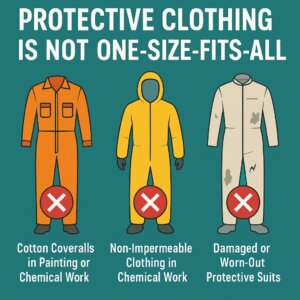
Materials of protective clothing affect safety and comfort. Choose materials that block paint but let air pass.
Look for materials that resist tears and chemicals. Lightweight fabrics help you stay cool while working.
- Polypropylene suits are light and block liquids.
- Cotton is comfortable but may absorb paint.
- Tyvek material is strong and chemical resistant.
- Rubber gloves protect well from liquids and chemicals.
- Breathable fabrics reduce sweating during long jobs.
Proper Fit And Comfort
Protective clothing should fit well. Loose clothes can catch on tools or surfaces.
Clothes that are too tight can limit movement and cause discomfort. Choose the right size for easy work.
- Try clothes before buying to check fit.
- Check if you can move your arms and legs freely.
- Look for adjustable features like elastic wrists and ankles.
- Choose lightweight gear for better comfort.
- Wear layers if you work in cold places.
Essential Safety Equipment
Wearing the right protective clothing is key for safe painting. It helps protect your skin, eyes, and lungs.
Use safety gear every time you paint to avoid injuries and health problems.
Gloves And Hand Protection
Gloves protect your hands from chemicals and paint. Use gloves made of nitrile or latex. They stop paint from touching your skin.
- Choose gloves that fit well and feel comfortable.
- Change gloves if they get torn or dirty.
- Wash your hands after removing gloves.
Eye And Face Shields
Paint can splash into your eyes. Wear goggles or a face shield to protect your eyes and face. Make sure the shield fits securely.
| Type | Use | Key Feature |
| Safety Goggles | Protect eyes from splashes | Seals around eyes |
| Face Shield | Protect face and eyes | Full face coverage |
| Safety Glasses | Protect eyes from dust | Side shields |
Respirators And Masks
Paint fumes can harm your lungs. Use a respirator or mask for fresh air. Choose the right type for the paint you use.
- Disposable Masks:Good for light dust and fumes.
- Half-Face Respirators:Use cartridges for organic vapors.
- Full-Face Respirators:Protect eyes and lungs fully.
Dressing For Different Painting Jobs
Protective clothing is important for every painting task. Different jobs need different gear. Choosing the right clothes keeps you safe and clean.
Understanding how to dress helps you work better. This guide covers indoor and outdoor painting, handling chemicals, and spray painting gear.
Indoor Vs Outdoor Painting
Indoor painting needs clothes that protect from splashes but stay light. Outdoor painting requires warmer and more durable gear for weather changes.
- Indoor: Wear breathable coveralls or old clothes.
- Indoor: Use shoe covers to avoid dirt indoors.
- Outdoor: Choose water-resistant jackets and pants.
- Outdoor: Wear hats and gloves for sun and wind.
- Outdoor: Use sturdy boots for rough surfaces.
Handling Solvents And Chemicals
Solvents and chemicals can harm your skin and clothes. Use special protective gear to stay safe while working with them.
| Clothing Item | Purpose | Material |
| Gloves | Protect hands from chemicals | Nitrile or rubber |
| Coveralls | Full body protection | Chemical-resistant fabric |
| Goggles | Shield eyes | Plastic with seal |
| Boots | Protect feet | Rubber or waterproof |
Spray Painting Gear
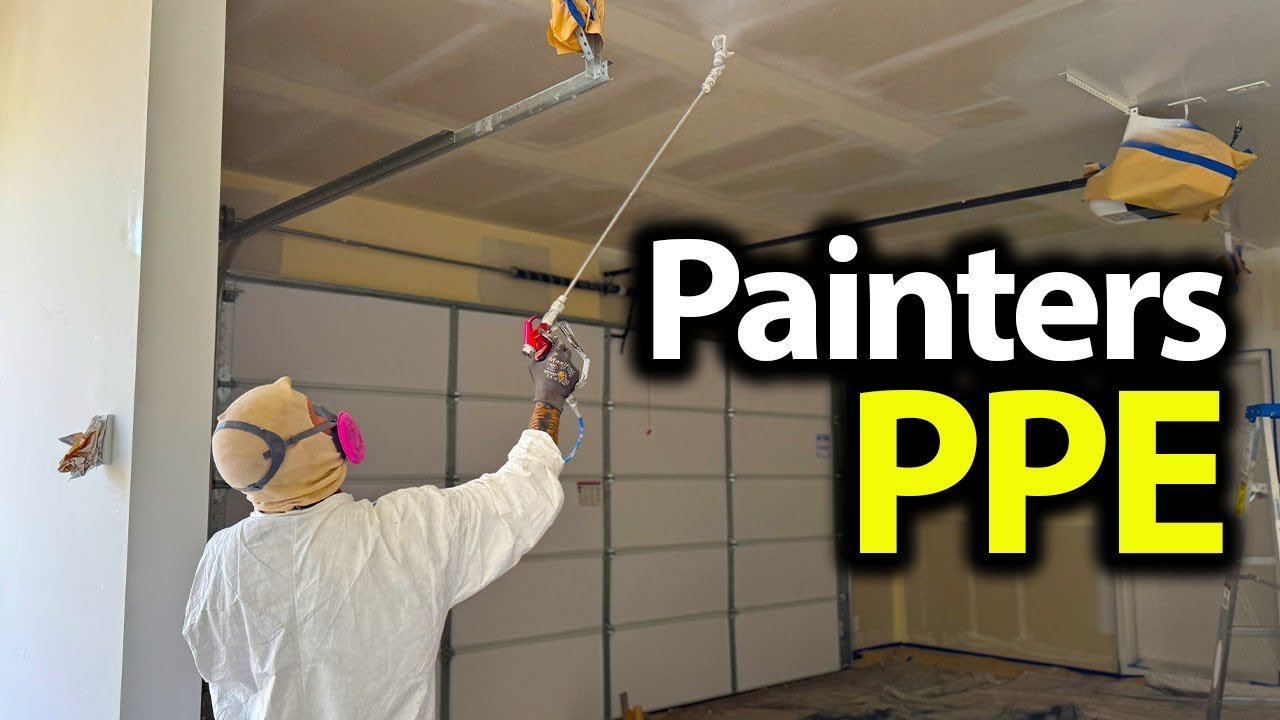
Spray painting spreads paint in tiny drops. You need full coverage to avoid inhaling paint or getting it on your skin.
- Wear a respirator mask to protect lungs.
- Use a hooded coverall to cover head and body.
- Wear gloves and goggles for hand and eye safety.
- Choose disposable shoe covers to keep shoes clean.
Credit: www.cheamyppe.com
Maintenance And Care Of Protective Clothing
Protective clothing keeps you safe during painting jobs. Taking care of it helps keep it working well.
Good maintenance makes your gear last longer and protects you better from paint and chemicals.
Cleaning After Use
Clean your protective clothing right after painting. Removing paint and dirt stops damage and stains.
Use mild soap and water for washing. Avoid harsh chemicals that can weaken the fabric.
- Rinse off paint before it dries
- Hand wash or use a gentle machine cycle
- Air dry away from direct sunlight
- Check labels for special cleaning instructions
Storing Protective Gear
Store your protective clothing in a clean, dry place. Keep it away from heat and sunlight.
Proper storage stops mold and keeps fabric strong. Hang or fold gear carefully to avoid wrinkles.
- Use hooks or hangers for suits and coveralls
- Keep gloves and masks in sealed containers
- Store boots in a cool, ventilated area
- Separate clean and dirty gear to avoid contamination
Replacing Worn-out Equipment
Check your protective clothing for holes, tears, or wear before each use. Replace damaged gear quickly.
Worn-out gear may not protect you well. Keep a schedule to inspect and replace old equipment regularly.
- Look for holes in fabric and worn seams
- Replace gloves if they become stiff or cracked
- Change masks if straps or filters are damaged
- Buy new boots if soles wear thin or crack
Additional Safety Tips
Wearing protective clothing while painting is important. You also need to follow safety steps. These tips help keep you safe and clean.
These tips focus on stopping paint from spreading, keeping air fresh, and checking your safety gear often.
Avoiding Cross-contamination
Keep paint and dirt from spreading to other places. Use different clothes for painting and for other tasks.
Change gloves and clean tools before touching clean areas. This stops paint from moving to your skin or clothes.
- Use disposable gloves and change them often
- Keep painting clothes separate from daily wear
- Clean brushes and rollers after use
- Wash hands before eating or drinking
Working In Well-ventilated Areas
Good airflow helps remove paint fumes. Always paint in rooms with open windows or use fans.
If you paint indoors, use an exhaust fan or air purifier. This keeps the air fresh and safe to breathe.
- Open doors and windows while painting
- Use fans to move air outside
- Wear a mask if fumes are strong
- Take breaks outside to breathe fresh air
Regular Safety Checks
Check your protective clothing for damage before you start. Torn or worn clothes do not protect well.
Look at your gloves, masks, and goggles. Replace them if they are dirty or broken to stay safe.
- Inspect clothing for holes or tears
- Check gloves for cracks or stickiness
- Ensure masks fit well and are clean
- Replace safety gear regularly

Credit: chinacoverall.en.made-in-china.com
Frequently Asked Questions
What Is The Best Protective Clothing For Painting?
The best protective clothing includes coveralls, gloves, and safety goggles. These items protect your skin and eyes from paint splatters and harmful chemicals. Ensure the clothing is made of non-absorbent material and fits comfortably. Wearing a face mask can also prevent inhalation of fumes.
Why Wear Protective Clothing While Painting?
Wearing protective clothing prevents skin contact with harmful chemicals and paint splatters. It minimizes the risk of allergic reactions and skin irritation. Proper attire also ensures safety from inhaling toxic fumes. Protective gear is essential for maintaining health and safety during painting tasks.
How To Choose Protective Clothing For Painting?
Choose protective clothing that is comfortable, durable, and non-absorbent. Ensure it covers all exposed skin to prevent contact with paint. Look for items that allow easy movement and ventilation. Consider disposable options for easy cleanup after completing the painting project.
Can I Use Regular Clothes For Painting?
Regular clothes are not recommended for painting. They do not provide adequate protection against paint splatters and chemicals. Protective clothing is designed to withstand the demands of painting tasks. It ensures safety and maintains the longevity of your everyday wardrobe.
Conclusion
Wearing protective clothing keeps you safe and clean during painting. Choose the right gear to avoid stains and skin irritation. Make sure your clothes fit well for easy movement and full coverage. Clean your protective wear after each use to keep it effective.
Stay comfortable by selecting breathable materials for long painting sessions. Protecting yourself helps you focus on your work and get better results. Safety and comfort go hand in hand while painting. Keep these tips in mind for every painting project.