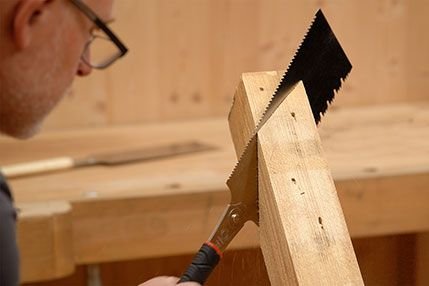
Cutting wood with a hand saw might seem simple, but doing it right can save you time, effort, and frustration. Whether you’re working on a DIY project or just need to trim a piece of wood, knowing how to use a hand saw properly will make your work smoother and more precise.
In this guide, you’ll discover clear, step-by-step tips that anyone can follow. By the end, you’ll feel confident handling your saw like a pro and getting perfect cuts every time. Ready to sharpen your skills and get started? Let’s dive in!

Credit: www.youtube.com
Choosing The Right Hand Saw
Using a hand saw correctly starts with picking the right one. The right saw makes cutting wood easier and safer.
There are many types of hand saws. Each type works best for certain tasks and wood types.
Types Of Hand Saws
Different hand saws have different shapes and teeth. This affects how they cut wood.
- Crosscut saws cut across the grain.
- Rip saws cut along the grain.
- Back saws have a stiff edge for precise cuts.
- Keyhole saws are for small or curved cuts.
Choose the saw type based on the cut you need to make.
Selecting Based On Wood Type
Softwood and hardwood require different saws. Softwood is easier to cut, so you can use a saw with fewer teeth.
Hardwood needs a saw with more teeth for a smooth cut. Using the wrong saw can damage the wood or tire you out.
- Softwood: Use saws with fewer teeth per inch (TPI).
- Hardwood: Use saws with more teeth per inch.
- Plywood or thin wood: Use fine-toothed saws to avoid splintering.
Blade Size And Teeth Per Inch
Blade length affects how deep you can cut. Longer blades cut larger wood pieces.
Teeth per inch (TPI) affects the cut speed and smoothness. Lower TPI cuts faster but rougher. Higher TPI cuts slower but smoother.
| Blade Size | Use | Teeth Per Inch (TPI) |
|---|---|---|
| 12-15 inches | Small to medium wood pieces | 6-10 (fast, rough cut) |
| 18-24 inches | Large wood pieces | 10-14 (slower, smoother cut) |
| Short blades (6-10 inches) | Fine or curved cuts | 15-20 (very smooth cut) |
Preparing For The Cut
Using a hand saw to cut wood needs careful preparation. Getting ready helps make a clean, safe cut.
This section guides you through marking the cut line, securing the wood, and safety gear essentials.
Marking The Cut Line
Mark the exact line where you want to saw. Use a pencil and a ruler or square for accuracy.
- Place the ruler on the wood edge.
- Draw a straight line where you want to cut.
- Double-check the line before cutting.
Securing The Wood
Hold the wood firmly so it does not move while sawing. Clamps work best for this job.
| Method | Description |
| Bench Vise | Grips wood tightly for stable cutting |
| Bar Clamp | Holds wood pieces on a workbench |
| Hands | Only for small pieces, less stable |
Safety Gear Essentials
Wear safety gear to protect yourself from wood dust and sharp edges.
- Safety glasses to protect your eyes
- Gloves for hand protection
- Dust mask to avoid breathing sawdust
- Hearing protection if using power tools nearby
Proper Hand Saw Techniques
Using a hand saw safely and effectively needs good technique. Proper skills help cut wood smoothly and prevent mistakes.
Learn the right way to hold the saw, start your cut, keep the line straight, and control speed and pressure.
Correct Grip And Stance
Hold the saw handle firmly but not too tight. Your hand should feel relaxed to avoid tiredness.
Stand with your feet shoulder-width apart. Keep your body balanced and face the wood directly.
- Use your dominant hand to hold the saw.
- Place your other hand to steady the wood.
- Keep your back straight for comfort.
Starting The Cut
Begin the cut slowly to create a small groove. This helps guide the saw during the rest of the cut.
Use short, gentle strokes at first. Do not press hard or rush the start.
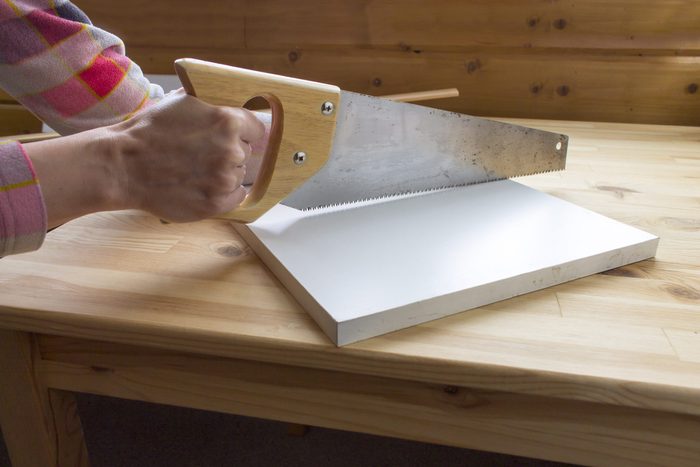
- Place the saw teeth on the mark.
- Pull the saw backward slightly to start the groove.
- Move the saw forward with light pressure.
Maintaining A Straight Line
Keep your eyes on the cut line while sawing. This helps you stay accurate and avoid mistakes.
Use your whole arm to guide the saw, not just your wrist. This keeps the saw steady and straight.
- Check the line often during the cut.
- Adjust your angle if the saw drifts away.
- Keep the saw blade flat against the wood.
Controlling Saw Speed And Pressure
Use smooth, even strokes to control the saw speed. Avoid fast, jerky movements.
Apply gentle pressure. Let the saw teeth do the cutting, not your force.
- Start slow to keep control.
- Increase speed only if the cut is steady.
- Reduce pressure if the saw binds or stalls.

Credit: www.youtube.com
Handling Common Challenges
Using a hand saw to cut wood can be tricky at times. You may face problems like hard wood, blade sticking, or uneven cuts.
Learning how to handle these issues helps you cut better and safer. Here are tips for common challenges.
Dealing With Stubborn Wood
Some wood is very hard or knotty, making it tough to saw through. This can slow you down or break your blade.
Use slow, steady strokes and apply even pressure. Let the saw do the work without forcing it. Mark the cutting line clearly before you start.
- Choose a saw with sharp, fine teeth for hard wood
- Keep the blade straight and steady
- Take breaks if you feel the blade heating up
Avoiding Blade Binding
Blade binding happens when the saw blade gets stuck inside the wood. This can stop your cut and damage the blade.
To prevent binding, keep the cut narrow and remove sawdust often. Use a wedge to keep the cut open if the wood starts to pinch the blade.
- Cut along the wood grain, not against it
- Pull the saw back to clear sawdust regularly
- Insert a small wedge in the cut to hold it open
Fixing Uneven Cuts
Uneven cuts happen when the saw slips or you lose control. This makes the wood edges rough or crooked.
Keep your body and saw steady. Use a guide or clamp the wood to hold it still. Check your cutting angle often and correct it early.
- Hold the saw handle firmly but not too tight
- Use a straight edge or guide to follow the line
- Clamp the wood to prevent movement while cutting
- Stop and adjust if the saw veers off the line
Maintaining Your Hand Saw
Keeping your hand saw in good shape helps you cut wood easily. Proper care makes your saw last longer.
Regular maintenance keeps the blade sharp and the tool safe to use. Follow these tips to care for your saw.
Cleaning And Storage Tips
After each use, clean the saw blade to remove sawdust and resin. Use a brush or cloth to wipe it down.
Store your saw in a dry place to prevent rust. Hang it or keep it in a toolbox to protect the blade.
- Wipe blade with a dry cloth after use
- Remove resin with a small amount of oil or solvent
- Keep saw away from moisture and humidity
- Store saw in a protective cover or case
Sharpening The Blade
A sharp blade cuts wood cleanly and safely. Sharpen your saw when the teeth look dull or cutting slows down.
Use a triangular file to sharpen each tooth. File at the same angle as the original teeth for best results.
- Secure the saw in a clamp or vise
- File each tooth evenly on both sides
- Check the blade regularly for dullness
- Do not over-sharpen or change the tooth shape
When To Replace Your Saw
Replace your saw if the blade is bent or broken. A damaged saw can be unsafe and hard to use.
If sharpening no longer improves cutting, it may be time to get a new saw. Check the handle for cracks too.
- Blade bent beyond repair
- Missing or broken teeth
- Handle is cracked or loose
- Sharpening does not restore cutting ability
Credit: www.familyhandyman.com
Frequently Asked Questions
How Do I Choose The Right Hand Saw?
Choosing the right hand saw depends on the type of wood and the cut you need. For straight cuts, use a crosscut saw. A rip saw is ideal for cutting along the grain. Consider the saw’s teeth-per-inch (TPI) for a smoother finish.
Higher TPI means finer cuts.
What Safety Gear Is Needed For Using A Hand Saw?
When using a hand saw, wear safety goggles to protect your eyes from sawdust. Use gloves to prevent blisters and improve grip. Ensure your work area is clear to avoid tripping hazards. Always maintain a firm stance and keep your non-cutting hand away from the blade.
How Can I Maintain My Hand Saw?
To maintain your hand saw, regularly clean the blade with a dry cloth. Sharpen the teeth using a saw file for efficient cutting. Store the saw in a dry place to prevent rust. Regular maintenance ensures a longer lifespan and better performance of your hand saw.
Can I Use A Hand Saw On Hardwood?
Yes, you can use a hand saw on hardwood. Choose a saw with fewer teeth per inch for hardwood. This allows for easier cutting through dense material. Ensure your saw is sharp to minimize effort and achieve a cleaner cut.
Cutting slowly helps maintain control and precision.
Conclusion
Using a hand saw can be simple and safe with practice. Always keep the wood steady and saw along the marked line. Take your time and let the saw do the work. Remember to wear safety gear to protect your hands and eyes.
Each cut helps you improve your skill and confidence. Soon, cutting wood will feel natural and easy. Keep these tips in mind for your next project. Enjoy the satisfaction of working with your hands.
