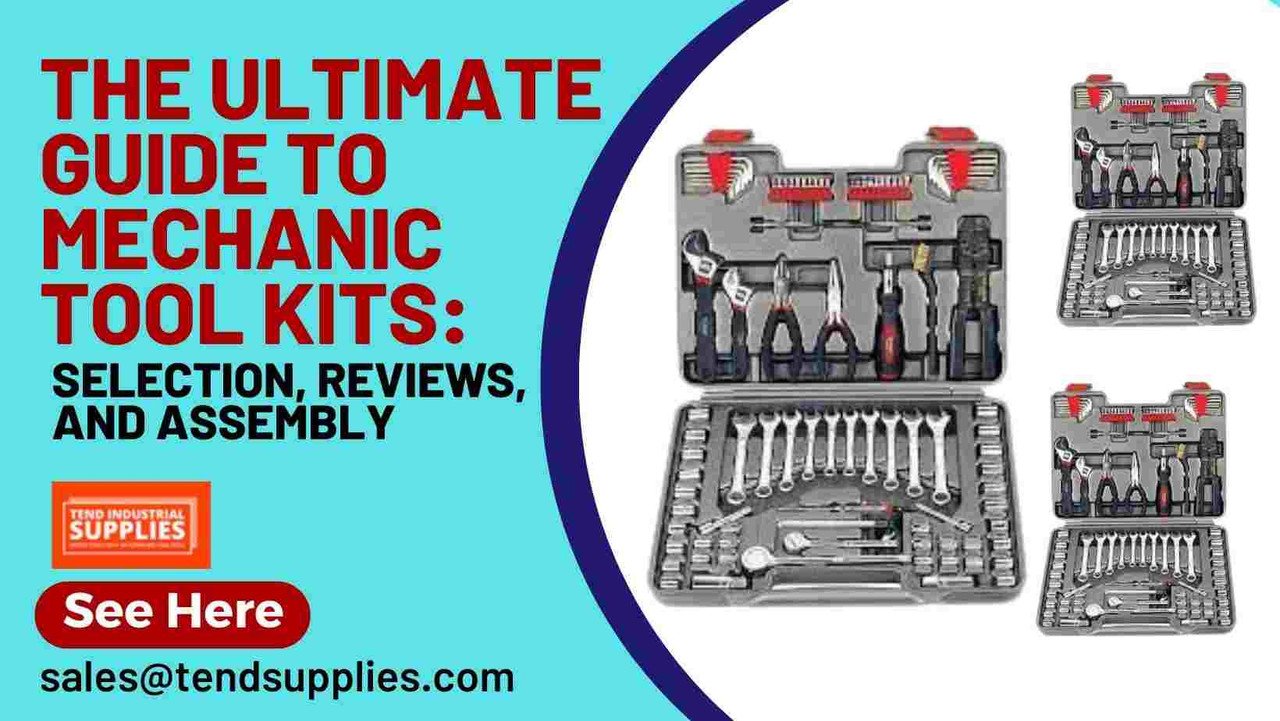
Are you ready to unlock the full potential of your mechanical skills? Whether you’re a seasoned mechanic or a DIY enthusiast, mastering the use of a ratchet can transform your work.
Imagine the satisfaction of completing tasks with precision, efficiency, and ease. In this guide, you’ll discover the secrets of using a ratchet like a pro. No more struggling with stubborn bolts or wasting time on inefficient methods. We’ll walk you through everything you need to know, step by step.
Get ready to enhance your toolkit and elevate your mechanical projects. Stay with us, because this might just be the most valuable tool skill you’ll ever acquire.
Choosing The Right Ratchet
A ratchet is a useful tool for many mechanical jobs. Picking the right ratchet makes work faster and easier.
Different ratchets fit different tasks. Learn about types, sizes, and materials to choose well.
Types Of Ratchets
Ratchets come in several types. Each type suits certain jobs and spaces.
- Standard ratchets have a simple handle and a rotating head.
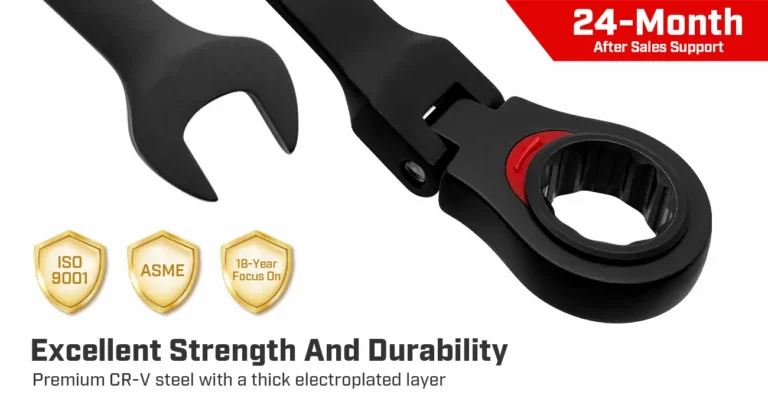
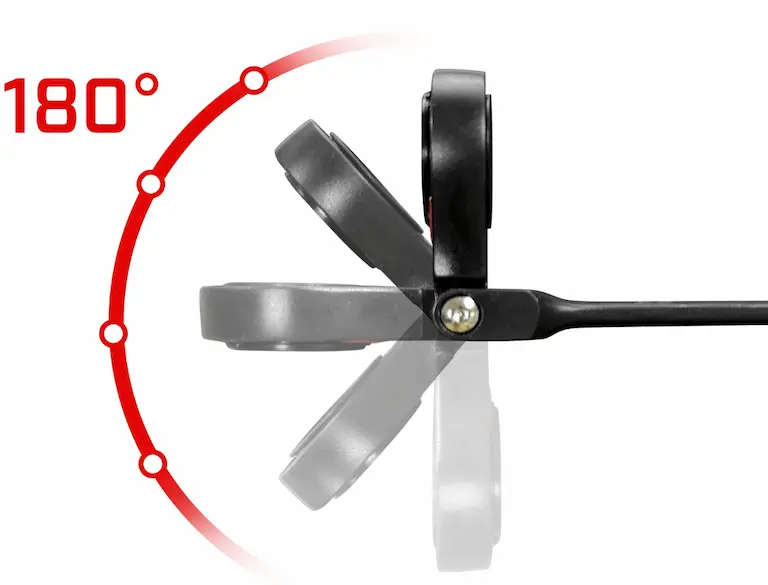
- Flex-head ratchets have a movable head for tight spots.
- Quick-release ratchets let you change sockets fast.
- Gearless ratchets offer smooth turns without clicks.
Choose a type based on space and ease of use needed.
Size And Drive Considerations
Ratchets come in different drive sizes. The drive size is the part that fits the socket.
- 1/4-inch drive is good for small bolts and tight spaces.
- 3/8-inch drive is common and fits most jobs.
- 1/2-inch drive works for bigger bolts and heavy work.
- 3/4-inch and larger drives are for very heavy tasks.
Pick a drive size that matches the bolts you work with most.
Material And Build Quality
Good materials make a ratchet last longer. Look for strong metals and solid construction.
- Chrome vanadium steel is strong and resists rust.
- Chrome plating helps prevent corrosion.
- Comfort grips reduce hand fatigue.
- Quality ratchets have tight gears for smooth action.
Choose a ratchet built well for safety and durability.
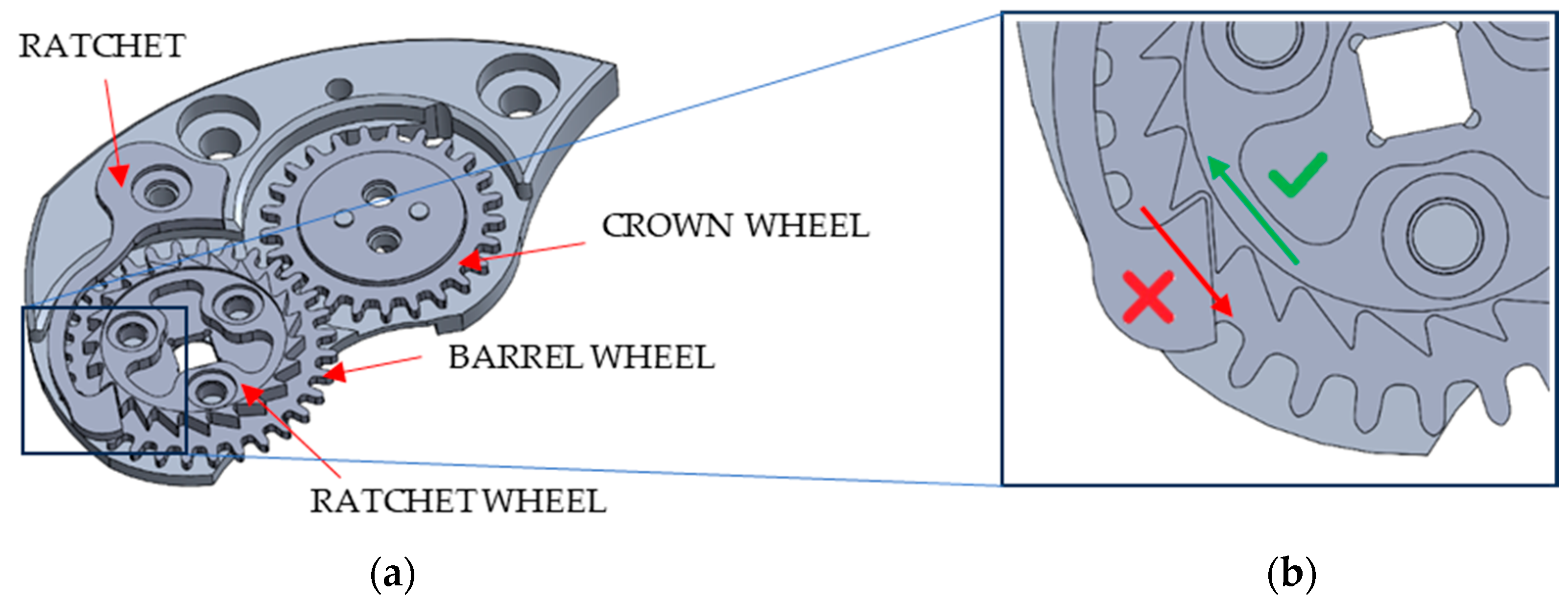
Credit: www.mdpi.com
Essential Ratchet Accessories
A ratchet is a key tool for mechanical work. To get the best results, using the right accessories is important. These accessories help you reach tight spaces and work more efficiently.
This guide covers three essential ratchet accessories. Each plays a role in making mechanical tasks easier and faster.
Sockets And Extensions
Sockets fit onto the ratchet and come in various sizes and shapes. Extensions are long bars that connect to the ratchet and socket. They help reach bolts in hard-to-access areas.
- Sockets come in metric and standard sizes.
- Extensions range from a few inches to over a foot long.
- Use extensions to avoid removing parts in tight spaces.
- Deep sockets allow access to bolts on long studs.
Adapters And Universal Joints
Adapters change the drive size of your ratchet. They let you use sockets of different sizes with one ratchet. Universal joints bend to reach bolts at angles that are hard to get to.
| Accessory | Purpose | Use Case |
| Adapter | Change drive size | Use 1/4″ socket on 3/8″ ratchet |
| Universal Joint | Flexible angle | Reach bolts behind obstacles |
Torque Wrenches Compatibility
Torque wrenches control the tightness of bolts. Many ratchets work with torque wrenches. Check the drive size and connection type to be sure they fit together.
- Match the drive size between ratchet and torque wrench.
- Use adapters if sizes do not match.
- Ensure secure fit to avoid slipping and errors.
- Regularly calibrate torque wrenches for accuracy.
Basic Ratchet Techniques
Using a ratchet tool correctly helps you work faster and safer. This guide shows simple ways to handle a ratchet during mechanical tasks.
Learn how to hold the ratchet, change directions, and get the most power from it. These tips will improve your mechanical work skills.
Proper Grip And Handling
Hold the ratchet handle firmly but comfortably. Keep your wrist straight to avoid strain. Use your whole hand, not just your fingers, to control the tool.
- Grip the handle near the end for better leverage.
- Keep your thumb on top to guide the ratchet.
- Do not squeeze too hard to prevent hand fatigue.
- Use your arm to move the ratchet, not just your wrist.
Direction Switching Tips
Ratchets have a switch to change the turning direction. It is important to switch it correctly to loosen or tighten bolts.
| Action | Switch Position |
| Tightening | Switch lever to the right |
| Loosening | Switch lever to the left |
| Check before use | Move ratchet handle slightly to ensure correct direction |
Maximizing Torque Efficiency
Torque means the force that turns a bolt. Using the ratchet properly helps you apply more torque with less effort.
| Tip | How It Helps |
|---|---|
| Use a longer handle or extension | Increases leverage for more torque |
| Keep the socket tight on the bolt | Prevents slipping and damage |
| Apply steady, even pressure | Reduces risk of stripping the bolt |
| Position your body correctly | Improves control and strength |
Advanced Ratchet Uses
Ratchets are common tools for mechanical work. They help tighten and loosen fasteners quickly.
Beyond basic use, ratchets have advanced uses. These improve work in tricky spots and complex tasks.
Working In Tight Spaces
Ratchets work well in tight spaces where other tools cannot fit. Their compact heads allow easy turning.
Use a ratchet with a short handle or a flexible extension. This helps reach bolts in narrow areas.
- Choose a small-head ratchet for cramped spots
- Use extension bars to reach deep fasteners
- Swivel sockets help angle the tool
Applying Controlled Torque
Controlled torque prevents damage to bolts and parts. Ratchets can apply steady force without slipping.
Use a torque wrench with a ratchet head for exact tightness. This is important for sensitive mechanical parts.
- Turn slowly for better control
- Stop when you feel resistance
- Use torque-limiting attachments if needed
Combining Tools For Complex Jobs
Ratchets work well with other tools for tough tasks. Combining tools can solve difficult mechanical problems.
Attach adapters or use multiple ratchets of different sizes. This lets you switch between fasteners quickly.
- Use socket sets with various sizes
- Add universal joints for angled turns
- Pair with breaker bars for extra force
Maintenance And Care
Taking good care of your ratchet keeps it working well for a long time. Regular maintenance stops damage and saves money.
Simple cleaning and proper storage help your ratchet stay in top shape. Fix small problems early to avoid big repairs.
Cleaning And Lubrication
Clean your ratchet after each use. Dirt and grease can build up and block its parts.
Lubricate the moving parts regularly. This keeps the ratchet running smoothly and stops rust.
- Use a brush to remove dirt and dust.
- Wipe the ratchet with a clean cloth.
- Apply light machine oil to the gear and pawl.
- Work the ratchet back and forth to spread the oil.
- Remove extra oil to avoid attracting more dirt.
Storage Best Practices
Store your ratchet in a dry place to prevent rust. Keep it away from moisture and dirt.
Use a toolbox or a storage case to protect the ratchet from damage. Organize tools to find them easily.
- Keep the ratchet in a clean, dry toolbox.
- Use silica gel packs to reduce moisture.
- Store the ratchet with sockets to avoid losing parts.
- Do not leave the ratchet in harsh weather conditions.
Troubleshooting Common Issues
If the ratchet stops working smoothly, check for dirt or lack of oil. Clean and lubricate it again.
Listen for unusual sounds or feel for stiffness. These signs mean you need to check the mechanism.
- Ratchet slips: Clean and oil the gear and pawl.
- Handle feels stiff: Remove dirt and add lubricant.
- Ratchet does not switch directions: Inspect the lever and clean it.
- Parts are loose: Tighten screws or replace worn components.
Credit: ironcubeworks.com
Safety Tips When Using Ratchets
Using a ratchet safely is important for any mechanical work. It helps prevent injuries and keeps your tools in good shape.
This guide shares key safety tips to follow when working with ratchets. These tips focus on injury prevention, tool care, and work setup.
Preventing Injuries
Always wear safety glasses to protect your eyes from flying debris. Use gloves to avoid cuts or bruises on your hands.
- Check the ratchet and socket for cracks before use.
- Do not apply extra force beyond the tool’s limit.
- Keep your hands clear of pinch points.
- Use the correct size socket to avoid slipping.
- Work slowly and carefully on tight bolts.
Avoiding Tool Damage
Proper care extends the life of your ratchet. Clean it after use and store it in a dry place.
| Common Cause | Prevention |
| Overloading | Use the right size and avoid extra force |
| Dirt and debris | Clean and lubricate regularly |
| Rust | Store in dry areas and apply oil |
| Dropping | Handle carefully and use protective cases |
Proper Work Environment Setup
Set up a clean and well-lit workspace. This helps you see what you are doing and reduces accidents.
Keep these points in mind:
- Clear your workbench of clutter.
- Ensure good lighting over your work area.
- Wear non-slip shoes to avoid falls.
- Keep tools organized and within reach.
- Have a first aid kit nearby for emergencies.
Credit: ironcubeworks.com
Frequently Asked Questions
What Is A Ratchet And How Does It Work?
A ratchet is a hand tool used to tighten or loosen bolts. It has a gear mechanism that allows one-way rotation. This feature makes mechanical work faster and reduces effort. Ratchets are essential for efficiency in automotive and mechanical repairs.
How Do I Choose The Right Ratchet Size?
Select a ratchet size based on bolt dimensions and workspace. Common sizes include 1/4″, 3/8″, and 1/2″ drive. Smaller sizes fit tight spaces; larger ones provide more torque. Choosing correctly improves precision and prevents tool damage.
Can A Ratchet Be Used For Both Tightening And Loosening?
Yes, most ratchets have a switch to change rotation direction. This lets you tighten or loosen bolts easily. The reversible mechanism saves time and effort during mechanical tasks. Always confirm the switch position before use for safety.
How Do I Maintain My Ratchet For Longevity?
Keep your ratchet clean and lubricated regularly. Wipe off dirt and debris after each use. Apply light machine oil to the gear mechanism. Proper maintenance prevents rust and ensures smooth operation over time.
Conclusion
Using a ratchet makes mechanical work quicker and easier. It saves effort and helps tighten or loosen bolts fast. Practice with different sizes to find what fits best. Always choose the right socket for the job. Keep your tools clean and check for damage often.
This guide gives you the basics to start using a ratchet confidently. Small steps lead to better skills and safer repairs. Keep trying, and you will get better every time. A good ratchet is a helpful tool in any mechanic’s kit.
