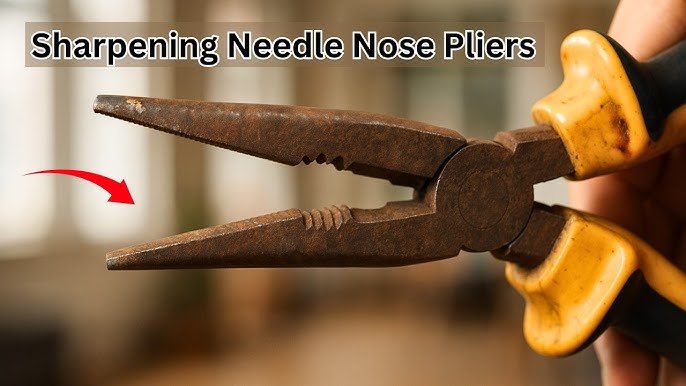
Are your pliers not gripping or cutting like they used to? When your tools lose their edge, it can slow down your work and cause frustration.
But what if you could bring them back to life quickly and easily? Sharpening your pliers for mechanical use is a simple skill that can save you time and money while making your tasks much smoother. You’ll discover clear, step-by-step tips to sharpen your pliers safely and effectively.
Keep reading, and soon your tools will feel as good as new.
Choosing The Right Pliers
Selecting the right pliers is important before sharpening. Not all pliers need or can be sharpened.
Using the right type ensures better results and longer tool life. Understand which pliers fit your task.
Types Suitable For Sharpening
Some pliers have cutting edges that can be sharpened. These include wire cutters and combination pliers.
Pliers without cutting edges, like slip-joint or needle-nose pliers, usually do not need sharpening.
- Diagonal Cutting Pliers: Designed to cut wire, can be sharpened.
- Combination Pliers: Have gripping and cutting edges, sharpening improves cuts.
- End Cutting Pliers: Used for cutting nails or wires, sharpening restores sharpness.
- Wire Strippers with Cutting Blades: Some can be sharpened for better cuts.
Identifying Wear And Damage
Check pliers for dull or chipped cutting edges before sharpening. This helps know what to fix.
Look for cracks, rust, or bending. These problems may need repair or replacement, not sharpening.
- Dull edges: Cuts become harder and less clean.
- Chipped blades: Small breaks that reduce cutting ability.
- Rust spots: Can weaken metal and affect performance.
- Bent tips: Misalign cutting edges, need straightening first.

Credit: www.youtube.com
Tools Needed For Sharpening
Sharpening pliers helps keep them working well for mechanical jobs. You need the right tools to do this safely and correctly.
This guide covers the common tools used to sharpen pliers. Knowing these tools will make sharpening easier and better.
Files And Stones
Hand files and sharpening stones are basic tools for sharpening pliers. They help remove rust and smooth the edges.
Use a fine file for small areas and a coarse file for rough edges. Sharpening stones come in different grits for smooth finishes.
- Flat file for general sharpening
- Needle file for detailed edges
- Coarse sharpening stone for heavy rust
- Fine sharpening stone for polishing
Power Tools Options
Power tools can speed up the sharpening process. They are good for quick and even sharpening.
Common power tools include bench grinders and rotary tools. Use them with care to avoid damaging your pliers.
- Bench grinder for fast edge shaping
- Rotary tool with grinding bit for precision
- Sandpaper discs for smoothing edges
Safety Gear Essentials
Safety gear protects you while sharpening pliers. Always wear the right equipment to avoid injuries.
Use gloves to protect hands and goggles to shield eyes. A dust mask helps when working with power tools.
- Protective gloves to avoid cuts
- Safety goggles to protect eyes
- Dust mask to prevent inhaling particles
- Hearing protection if using loud power tools
Preparing Pliers For Sharpening
Before sharpening pliers, prepare them well. Proper preparation makes sharpening easier and safer.
This includes cleaning the pliers and securing them firmly. These steps protect your tools and yourself.
Cleaning And Inspection
Start by cleaning the pliers. Dirt and rust can block the sharpening process.
Use a wire brush or cloth to remove grease and rust. Check the pliers for cracks or damage.
- Remove dirt with a wire brush
- Wipe off grease using a clean cloth
- Check cutting edges for chips or cracks
- Look over handles for cracks or looseness
Securing The Pliers
Place the pliers in a vise or clamp. This keeps them steady while sharpening.
Make sure the cutting edges face upward and are easy to reach. Do not tighten too hard to avoid damage.
- Use a bench vise or clamp
- Hold pliers with jaws open slightly
- Align cutting edges for easy access
- Tighten securely but avoid crushing the tool

Credit: www.amazon.com
Sharpening Techniques
Keeping pliers sharp is important for mechanical work. Sharp pliers cut better and last longer. This guide covers basic ways to sharpen pliers safely.
Use these techniques to restore the cutting edges and keep the tool ready for use. Proper sharpening makes your work easier and more precise.
Filing The Cutting Edges
Use a flat file to sharpen the edges of your pliers. Hold the pliers steady and file in one direction along the edge. Avoid filing back and forth.
- Clamp pliers in a vise for stability
- Use a fine or medium file
- File away from the cutting edge
- Check the sharpness often
- Stop when the edge is smooth and even
Using A Grinding Wheel
A grinding wheel speeds up sharpening. Use it carefully to avoid overheating the metal. Keep the pliers moving to cool the edge.
| Tip | Details |
| Speed | Use a slow to medium wheel speed |
| Pressure | Apply light, even pressure |
| Cooling | Dip pliers in water often |
| Angle | Keep consistent angle while grinding |
Maintaining Proper Angle
Keep the correct angle to preserve the cutting edge. Most pliers need an angle between 15 and 20 degrees. Use a protractor or angle guide if needed.
Tips to maintain angle:
- Mark the original angle with a marker before sharpening
- Use a guide tool or jig for consistent filing
- Check the angle often during sharpening
- Do not over-sharpen or change the edge shape
Finishing Touches
Sharpening pliers is only part of the process to keep them in good shape. Finishing touches improve their performance and lifespan. This guide covers two key steps after sharpening.
These steps help your pliers work smoothly and safely for your mechanical tasks.
Smoothing Rough Edges
After sharpening, pliers may have tiny burrs or sharp spots on the edges. These can cause damage or discomfort during use. Smoothing these rough edges makes your tool safer and easier to handle.
- Use a fine-grit sharpening stone or sandpaper.
- Gently rub the edges to remove burrs.
- Check edges by running your finger lightly across them.
- Stop once the edges feel smooth and even.
- Wipe the pliers clean with a cloth to remove dust.
Lubricating Moving Parts
Lubrication keeps the pliers’ joint working smoothly. It reduces wear and prevents rust. Regular oiling extends the tool’s life and makes handling easier.
| Type of Lubricant | Purpose |
| Light machine oil | Reduces friction in the joint |
| Penetrating oil | Frees stuck or rusted parts |
| Grease | Offers longer-lasting lubrication |
Apply a small drop of oil on the joint. Open and close the pliers several times to spread the lubricant. Wipe off any extra oil to avoid dirt buildup.
Testing Sharpness And Performance
Testing pliers after sharpening is important to ensure they work well. Sharpness affects how cleanly and easily the pliers cut or grip materials. Checking performance helps you know if more adjustments are needed.
Use different materials to test the pliers. This shows how they handle real tasks. Also, fine-tune the pliers for the best function.
Cutting Sample Materials
Try cutting various materials to check sharpness. Test soft wires, plastic, and thin metal sheets. Each material gives different feedback about the pliers’ edges.
- Soft copper or aluminum wire
- Plastic zip ties or tubing
- Thin steel or aluminum sheets
- Rubber or leather strips
Sharp pliers should cut cleanly without much force. If cutting is hard or rough, sharpen the edges more.
Adjusting For Optimal Function
Adjust the pliers to improve cutting and gripping. Check the joint tightness and alignment. Proper adjustments help the pliers work smoothly and last longer.
| Adjustment | Purpose | How to Check |
| Joint Tightness | Controls movement smoothness | Open and close; should not be too loose or stiff |
| Blade Alignment | Ensures even cutting edges | Look for even contact when closed |
| Handle Grip | Improves user comfort | Check for comfortable hold and no slipping |
Maintenance Tips For Longevity
Keeping your pliers sharp and in good shape helps them work better. Regular care can make them last a long time.
Simple maintenance steps protect your pliers from damage and wear. Follow these tips to keep them ready for mechanical use.
Regular Cleaning
Clean your pliers after each use to remove dirt and grease. This stops rust and keeps the cutting edges sharp.
Use a soft cloth and mild soap with water. Dry them completely before storing to avoid moisture damage.
- Wipe off dust and debris
- Remove grease with soap and water
- Dry thoroughly to prevent rust
- Use a wire brush for tough grime
Proper Storage Practices
Store pliers in a dry, clean place. Avoid places with high humidity to stop rust from forming.
Use toolboxes or pegboards to keep pliers organized. This stops damage from dropping or rubbing against other tools.
- Keep pliers in a dry area
- Use protective cases or holders
- Organize tools to avoid scratches
- Check storage spots often for moisture

Credit: www.tataagrico.com
Frequently Asked Questions
How Do I Sharpen Pliers Effectively?
To sharpen pliers effectively, use a fine file or sharpening stone. Gently file the cutting edges, maintaining the original bevel angle. Ensure even pressure and stroke consistency. After sharpening, clean the pliers to remove filings. Lubricate the joint for smooth operation.
What Tools Are Needed To Sharpen Pliers?
To sharpen pliers, you’ll need a fine file or sharpening stone. These tools help refine the cutting edges. A clean cloth and some lubricant are also essential. They ensure the pliers are free from debris and operate smoothly after sharpening.
Can I Sharpen Pliers At Home?
Yes, you can sharpen pliers at home using basic tools. A fine file or sharpening stone suffices. Follow proper technique to maintain the original bevel. Regular maintenance ensures your pliers remain efficient for mechanical tasks. Always prioritize safety during the sharpening process.
Why Is Sharpening Pliers Important?
Sharpening pliers is crucial for maintaining their efficiency. Dull pliers require more force, increasing the risk of injury. Regular sharpening ensures clean cuts, prolonging tool life. It also enhances precision in mechanical tasks, making work easier and more effective.
Conclusion
Sharpening pliers keeps them working well and safe to use. A sharp edge helps grip and cut better. Regular care extends the tool’s life. Use the right tools and take your time. Small steps make a big difference in results.
Keep practicing to improve your sharpening skills. Good pliers mean easier work on any project. Try these tips and see the change yourself. Simple actions lead to better tools every day.