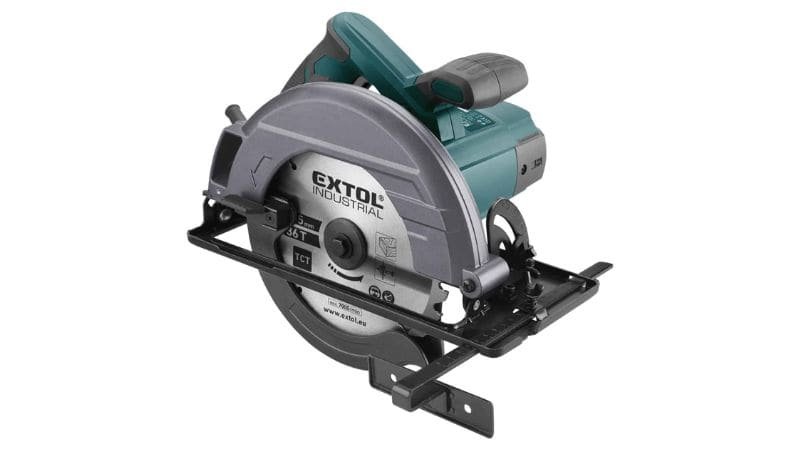
If you want your circular saw to work smoothly and last longer, knowing how to lubricate its components is key. Proper lubrication reduces friction, prevents wear, and keeps your saw running like new.
You’ll discover simple and effective tips that make the process quick and easy. By following these steps, you’ll save time, avoid costly repairs, and get the best performance from your tool every time you use it. Keep reading to learn exactly what you need to do to protect your circular saw and keep it cutting perfectly.
Choosing The Right Lubricant
Lubricating your circular saw helps it run smoothly and last longer. Picking the right lubricant is important for the tool’s performance.
Different parts of the saw may need different types of lubricants. Using the wrong one can cause damage or reduce efficiency.
Types Of Lubricants For Circular Saws
There are many lubricants used for circular saws. Each type works best for certain parts and conditions.
- Oil-based lubricants:These are common and easy to apply. They reduce friction well but may attract dust.
- Grease:Thick and stays in place longer. Good for bearings and gears.
- Dry lubricants:These include graphite or silicone sprays. They do not attract dirt and work well in dusty places.
- WD-40 or multi-purpose sprays:Useful for cleaning and light lubrication but not ideal for heavy use.
Factors To Consider When Selecting Lubricants
Choose a lubricant based on the saw’s parts and work conditions. Some lubricants work better in heat or dust.
- Temperature resistance:Pick lubricants that handle the saw’s operating heat.
- Dust and dirt exposure:Use dry lubricants if the saw works in dirty places.
- Type of movement:Grease suits slow, heavy parts; oil suits fast-moving parts.
- Ease of application:Choose lubricants that are easy to apply and clean.
- Compatibility:Make sure the lubricant does not harm plastic or rubber parts.

Credit: cisivistools.com
Preparing The Saw For Lubrication
Lubricating your circular saw helps it run smoothly and last longer. Proper preparation makes the process safer and more effective.
Before applying any lubricant, clean the saw and follow safety steps to avoid damage or injury.
Cleaning The Components
Remove dust, dirt, and old grease from the saw parts. Clean parts allow the lubricant to work well.
- Unplug the saw from power.
- Use a brush or compressed air to clear dust.
- Wipe metal parts with a clean cloth.
- Remove stuck debris with a soft brush.
- Check for rust and clean it off gently.
Safety Precautions Before Lubrication
Follow these safety rules to protect yourself and the saw before lubrication.
| Safety Step | Reason |
| Disconnect power supply | Prevent accidental startup |
| Wear safety gloves | Protect hands from sharp parts |
| Work in a well-lit area | See all parts clearly |
| Use proper lubricant | Avoid damage to the saw |
| Allow saw to cool | Prevent burns during lubrication |
Key Components To Lubricate
Lubricating your circular saw keeps it running smoothly. It reduces wear and tear on important parts.
Focus on key components to extend the tool’s life and improve performance.
Blade Arbor And Bearings
The blade arbor holds the saw blade in place. Bearings allow the arbor to spin freely. Both need lubrication to avoid friction and damage.
- Use light machine oil on the arbor shaft.
- Apply grease to the bearings for smooth rotation.
- Clean old grease and dirt before applying new lubricant.
Gear Mechanisms
Gears transfer power from the motor to the blade. Lubricated gears reduce noise and wear.
| Gear Part | Recommended Lubricant |
| Spur Gears | Light grease |
| Bevel Gears | High-quality gear oil |
| Gear Shafts | Machine oil |
Pivot Points And Moving Parts
Pivot points include handles and guards. Moving parts like triggers also need lubrication to work smoothly.
Apply lubricant at these points:
- Handle pivots
- Blade guard hinges
- Trigger mechanisms
Use a spray lubricant for hard-to-reach areas.
Step-by-step Lubrication Process
Keeping your circular saw well-lubricated helps it run smoothly and last longer. This guide shows you how to lubricate its key parts safely and effectively.
Follow these steps carefully to avoid damage and keep your saw working at its best.
Applying Lubricant Correctly
Use the right type of lubricant and apply it in the correct spots. This prevents wear and reduces friction in the saw’s moving parts.
- Clean the saw parts to remove dust and old grease.
- Apply a small amount of lubricant to the blade shaft and gears.
- Use a brush or cloth to spread the lubricant evenly.
- Wipe away excess lubricant to avoid attracting dirt.
- Check moving parts and apply more lubricant if needed.
- Reassemble the saw and test it before use.
Avoiding Common Mistakes
Lubrication errors can damage your saw or reduce its efficiency. Watch out for these common problems.
| Common Mistake | Why It’s Bad | How to Fix |
| Using too much lubricant | Attracts dust and clogs parts | Apply small amounts and wipe excess |
| Choosing the wrong lubricant | Can harm materials or cause buildup | Use saw-specific lubricants or light oil |
| Skipping cleaning before lubrication | Old dirt mixes with new lubricant | Always clean parts first |
| Lubricating electrical parts | May cause short circuits | Avoid applying lubricant near wires |
Maintenance Tips To Extend Saw Life
Keeping your circular saw in good condition helps it last longer. Regular maintenance stops damage and keeps parts working well.
Lubricating the saw parts reduces friction. This prevents wear and makes the saw run smoothly.
Regular Lubrication Schedule
Lubricate your circular saw often to keep it in top shape. Check the manual for recommended intervals.
Apply lubricant to moving parts like the blade shaft and gears. This lowers heat and wear.
- Clean parts before applying lubricant
- Use the right lubricant type for your saw
- Lubricate after every 10 hours of use
- Wipe off excess lubricant to avoid dirt build-up
Storage And Handling Best Practices
Store your circular saw in a dry place to stop rust. Handle it carefully to avoid damage.
Keep the saw covered and away from dust. Avoid dropping or banging it during storage.
- Use a protective case or cover
- Store in a cool, dry area
- Keep away from moisture and dirt
- Check the saw for damage before use

Credit: www.findbuytool.com
Troubleshooting Lubrication Issues
Proper lubrication keeps your circular saw running smoothly. Without it, parts may wear out fast. Sometimes, too much lubricant causes problems too.
Here are signs to watch for and ways to fix issues caused by over-lubrication and build-up.
Signs Of Over-lubrication
Too much lubricant can cause more harm than good. Watch for these signs to know if you have over-lubricated your saw parts.
- Grease leaking from seals or joints
- Excess oil attracting dirt and dust
- Parts feeling sticky or gummy to touch
- Unusual noises from moving components
- Reduced cutting performance or overheating
Dealing With Lubricant Build-up
Lubricant can collect dirt and cause build-up on your saw parts. Cleaning and maintenance help prevent damage and keep your saw working well.
| Problem | Cause | Solution |
| Sticky blade shaft | Old grease mixed with dust | Clean with solvent and reapply fresh lubricant |
| Clogged bearings | Excess lubricant trapping debris | Remove bearings and clean thoroughly |
| Overheated motor | Lubricant build-up causing friction | Inspect and clean all moving parts regularly |
Credit: www.gz-supplies.com
Frequently Asked Questions
How Often Should I Lubricate My Circular Saw?
Lubricate your circular saw every 20 hours of use. Regular maintenance ensures smooth operation and prolongs the tool’s life. Check the manufacturer’s manual for specific guidelines. Regular lubrication prevents rust, reduces friction, and enhances cutting performance. Always clean the saw before applying lubricant for optimal results.
What Type Of Lubricant Is Best For Saws?
Use a light machine oil or specialized saw lubricant. These lubricants reduce friction and prevent rust. Avoid using heavy oils as they attract dust. Ensure the lubricant is compatible with your saw’s components. Always check the manufacturer’s recommendations for the best results and optimal performance.
Can I Use Wd-40 On My Circular Saw?
Yes, WD-40 can be used for cleaning and lubrication. It helps remove grime and provides temporary lubrication. However, it’s not a long-term solution for heavy-duty lubrication. For best results, use a lubricant specifically designed for saws. Always ensure the saw is clean before applying any product.
Why Is My Saw Blade Getting Sticky?
A sticky saw blade indicates a buildup of resin or sawdust. Regular cleaning and lubrication prevent this issue. Use a suitable cleaner to remove the buildup. After cleaning, apply a light lubricant to ensure smooth operation. Regular maintenance helps maintain blade efficiency and prolongs its lifespan.
Conclusion
Proper lubrication keeps your circular saw running smoothly. It stops parts from wearing out too fast. Clean the saw before applying oil or grease. Use the right lubricant for each component. Regular care saves money and prevents breakdowns. Small efforts extend your tool’s life.
Keep your saw sharp and well-maintained. Enjoy safer, better cuts every time you work. Simple habits protect your investment long-term. Trust these tips to keep your saw ready.