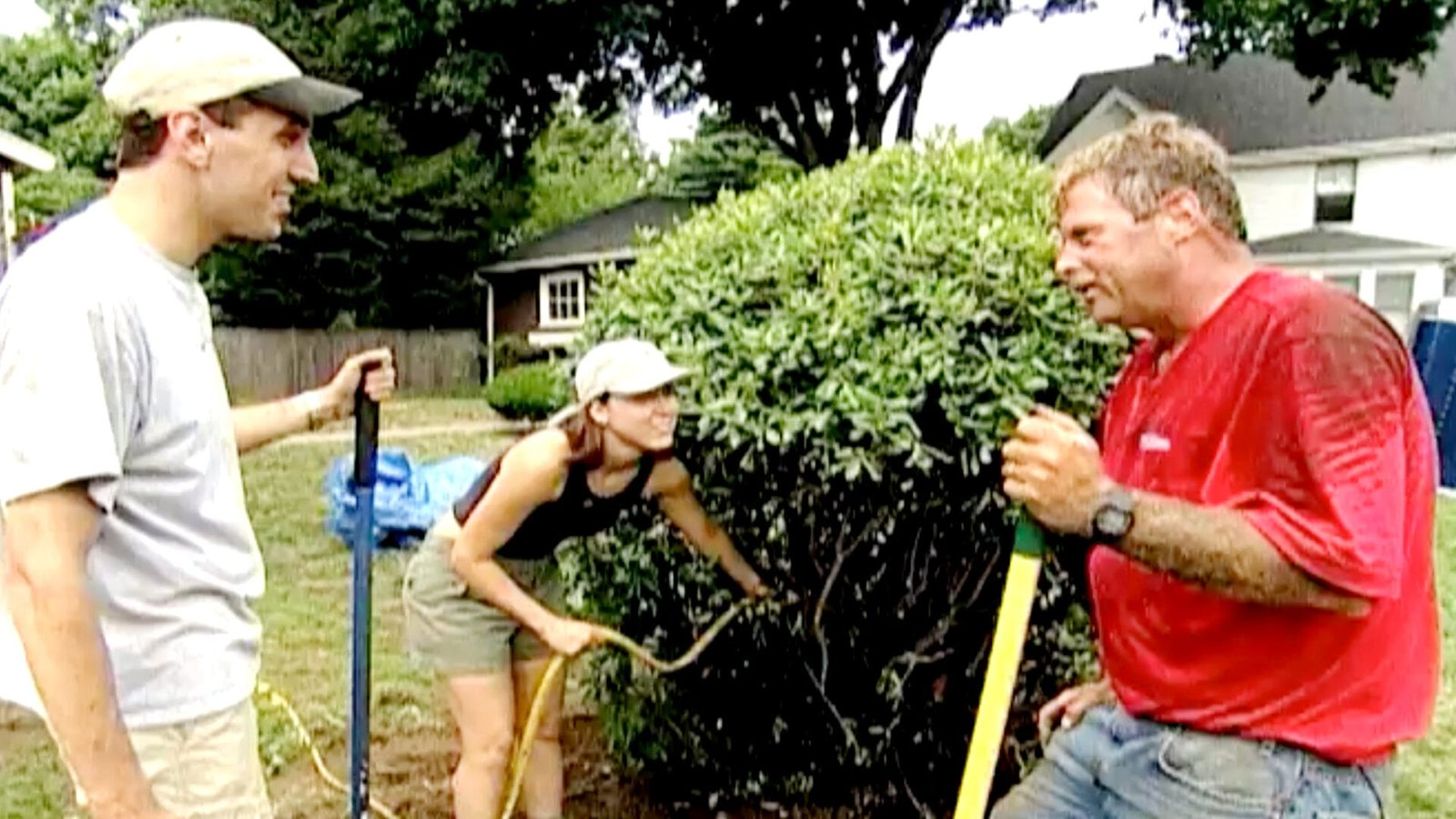
Are you ready to give your garden a fresh new look by moving your shrubs? Transplanting shrubs might sound tricky, but with the right steps, you can do it safely and successfully.
Imagine watching your plants thrive in their new spot, adding beauty and life to your outdoor space. In this guide, you’ll discover simple, practical tips that protect your shrubs and help them settle in quickly. Keep reading to learn how you can make your transplanting process smooth and stress-free—your garden will thank you!
Choosing The Right Shrubs
Transplanting shrubs can help your garden grow and stay healthy. Picking the right shrubs is key to success. Good choices make the process easier and improve plant survival.
This guide focuses on choosing healthy plants and the best shrubs for transplanting. Follow these tips to select shrubs that will thrive in their new spot.
Selecting Healthy Plants
Look for strong shrubs with healthy leaves and stems. Avoid plants with yellow or brown spots. Check for signs of pests or disease before you buy or dig up shrubs.
- Choose shrubs with green, full foliage
- Avoid plants with broken or dry branches
- Check the root ball for firmness and moisture
- Pick shrubs that are not too large for easy transplanting
- Inspect for insects or fungus on leaves and stems
Best Shrubs For Transplanting
| Shrub Type | Reason to Choose | Transplant Season |
| Boxwood | Hardy and adapts well | Early spring or fall |
| Hydrangea | Strong root system | Late fall or early spring |
| Azalea | Resistant to transplant shock | Early spring |
| Spirea | Fast growing and tough | Spring or fall |
| Juniper | Drought tolerant | Early spring |
Timing Your Transplant
Choosing the right time to transplant shrubs helps them grow well. Moving shrubs at the best time reduces stress and damage.
Understanding the ideal seasons and weather conditions is key to a safe transplant. This guide explains when to move your shrubs.
Ideal Seasons
Spring and fall are the best seasons to transplant shrubs. These seasons have mild temperatures and good soil moisture.
- Spring: Transplant before new growth starts to avoid shock.
- Fall: Transplant after leaves fall but before the ground freezes.
- Avoid summer: Heat and dry soil stress plants.
- Avoid winter: Frozen ground can damage roots.
Weather Considerations
Check the weather before transplanting. Ideal weather helps shrubs settle quickly and reduces transplant shock.
| Weather Factor | Best Condition |
| Temperature | 50°F to 70°F (10°C to 21°C) |
| Soil Moisture | Moist but not waterlogged |
| Rainfall | Light rain or dry day after watering |
| Wind | Calm or low wind |
Preparing The New Location
Transplanting shrubs needs a good new spot. Preparing the area helps the shrub grow well.
Focus on soil and the site. These affect the health of your shrub after transplant.
Soil Preparation
Good soil helps roots settle and take in nutrients. Test the soil to check its quality.
- Remove weeds and debris from the area.
- Loosen soil to a depth of about 12 inches.
- Add compost or organic matter to improve soil texture.
- Mix soil amendments evenly with the native soil.
- Ensure the soil drains well but holds some moisture.
Site Selection
Pick a spot with enough sunlight and space. Avoid places with strong winds or poor drainage.
| Factor | What to Look For |
| Sunlight | At least 4-6 hours of direct sun daily |
| Drainage | Soil that does not hold water after rain |
| Space | Room for shrub to grow without crowding |
| Wind Protection | Location shielded from strong winds |
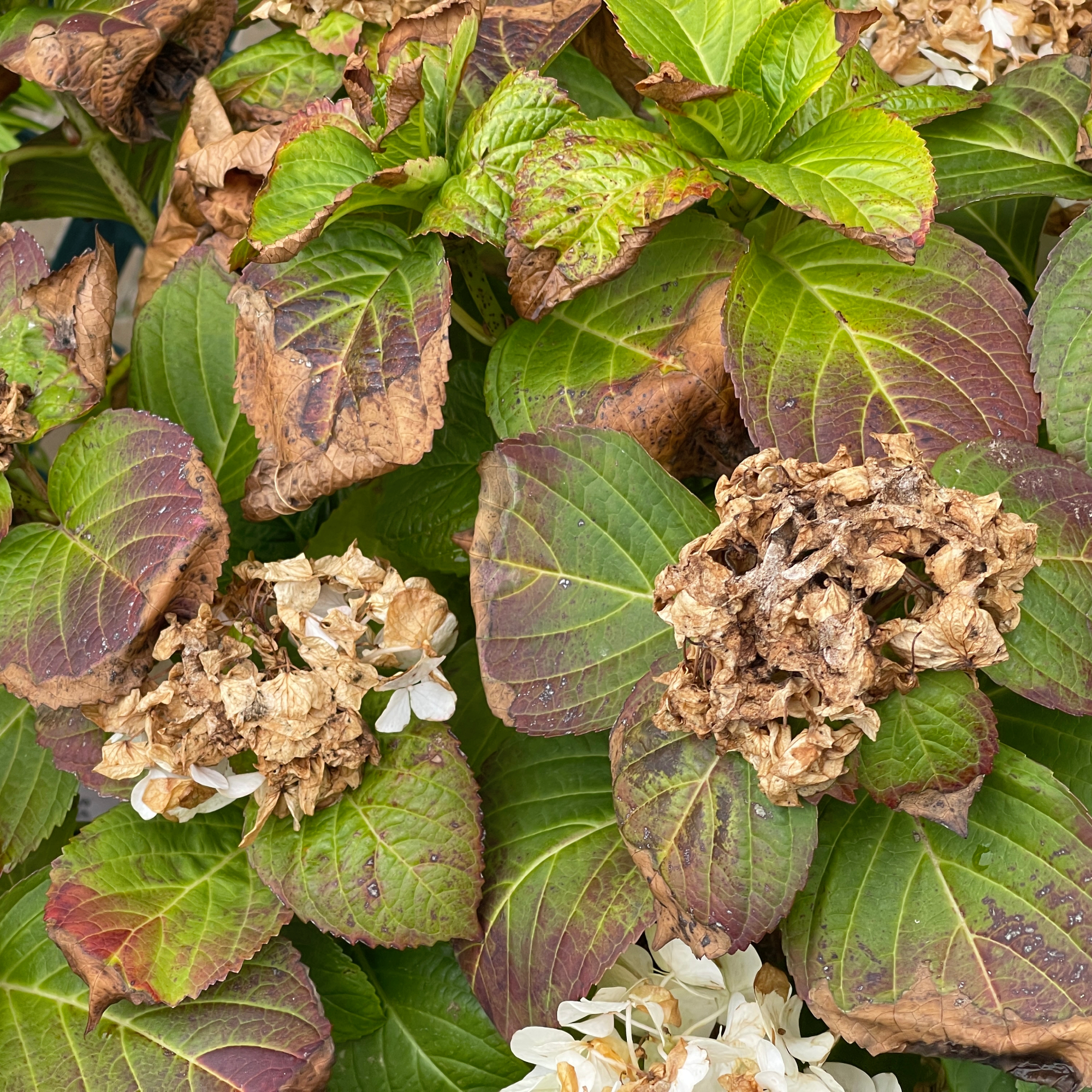
Credit: www.gardeningknowhow.com
Digging Up Shrubs
Digging up shrubs carefully helps them survive in a new place. You must protect their roots and keep the plant healthy.
This guide shows the tools and techniques for digging up shrubs safely.
Tools Needed
- Sharp spade or shovel
- Hand trowel for small roots
- Pruning shears to trim branches
- Garden gloves to protect hands
- Bucket or tarp to carry soil
- Water source for moistening roots
These tools make digging easier and reduce damage to the shrub.
Techniques To Minimize Root Damage
| Technique | How to Do It | Why It Helps |
| Water the shrub | Water the soil a day before digging | Keeps soil soft and roots moist |
| Dig a wide circle | Dig 12–18 inches away from trunk | Protects the main roots from cutting |
| Cut roots carefully | Use sharp tools to trim tough roots | Reduces injury and helps quick healing |
| Keep soil around roots | Lift the root ball with soil intact | Protects fine roots and moisture |
| Wrap the root ball | Use burlap or plastic to cover roots | Prevents drying during moving |
Transporting Shrubs Safely
Moving shrubs from one place to another needs care. Proper transport keeps plants healthy and strong.
This guide helps you move shrubs without damaging roots or stems.
Protecting Roots
Roots are the most fragile part when moving shrubs. Keep them moist and covered to avoid drying out.
Wrap roots with damp burlap or cloth. This keeps soil around roots intact and prevents damage.
- Water shrubs before digging to keep roots hydrated
- Dig a wide root ball to protect enough roots
- Wrap root ball tightly with burlap or cloth
- Keep wrapped roots in shade during transport
Handling Tips
Handle shrubs gently to avoid breaking branches or roots. Use both hands and hold the root ball firmly.
Lift shrubs from the base, not from the branches or trunk. Support the root ball during all moves.
- Wear gloves to protect your hands and the plant
- Use a wheelbarrow for heavy shrubs
- Avoid dragging shrubs on the ground
- Transport shrubs in a stable, shaded area

Credit: www.youtube.com
Planting Procedures
Transplanting shrubs is a delicate task. Proper planting ensures they grow strong and healthy. Follow these steps carefully for best results.
Each part of the process plays a key role. From digging the hole to watering, every detail matters.
Digging The Hole
Dig a hole wider than the shrub’s root ball. The depth should match the root ball’s height. This allows roots to spread easily.
- Clear the area of grass and weeds.
- Dig a hole at least twice as wide as the root ball.
- Make the hole just as deep as the root ball’s height.
- Loosen soil around the hole edges.
Positioning The Shrub
Place the shrub gently in the hole. Make sure it sits upright. The top of the root ball should be level with the ground surface.
| Action | Purpose |
| Place shrub in hole | Prevents leaning or damage |
| Keep root ball level | Ensures proper root growth |
| Check shrub orientation | Makes shrub look natural |
Backfilling And Watering
Fill the hole with soil carefully. Avoid air pockets by pressing soil gently. Water the shrub deeply to settle soil and hydrate roots.
- Fill hole halfway with soil and press lightly.
- Add remaining soil and press again firmly.
- Water the shrub slowly and deeply.
- Apply mulch around base to retain moisture.
Post-transplant Care
Taking care of shrubs after transplanting is key to their survival. Proper care helps them adjust to their new location. This guide covers important steps to protect your shrubs.
Watering, mulching, and watching for signs of stress are critical parts of the process. Each step supports healthy growth and reduces transplant shock.
Watering Schedule
Water your transplanted shrubs deeply to help roots settle. Keep soil moist but not soggy. The right watering schedule keeps roots healthy and encourages growth.
- Water immediately after transplanting.
- Check soil moisture every 2-3 days for the first two weeks.
- Water twice a week for the next month if there is no rain.
- Reduce watering as the shrub establishes, usually after six weeks.
- Adjust watering if weather is unusually hot or dry.
Mulching Benefits
Mulch helps keep soil moist and cool. It also stops weeds from growing near the shrub. Mulching protects roots and keeps the plant safe.
| Mulch Type | Benefits | Notes |
|---|---|---|
| Wood chips | Retains moisture, improves soil | Use 2-3 inch layer, keep away from trunk |
| Straw | Keeps soil cool, easy to remove | Check for weed seeds before use |
| Compost | Adds nutrients, improves soil structure | Use aged compost to avoid burning roots |
Monitoring For Stress
Watch your shrub for signs of stress like wilting or yellow leaves. Early detection helps you act fast to save the plant.
- Look for drooping or dry leaves.
- Check for discoloration or spots on leaves.
- Notice if new growth is slow or missing.
- Inspect roots if possible for damage or rot.
- Adjust watering and mulching based on these signs.

Credit: www.gardeningknowhow.com
Troubleshooting Common Issues
Transplanting shrubs can be tricky. Some problems may show up after you move them.
Knowing how to fix these issues helps your shrubs grow strong and healthy.
Dealing With Wilting
Wilting happens when shrubs lose too much water. This can occur after transplanting.
Check the soil moisture often. Keep the soil moist but not soaked.
- Water shrubs deeply once or twice a week
- Avoid watering leaves directly
- Use mulch to keep soil moist
- Protect shrubs from hot sun and wind
Pest And Disease Management
Pests and diseases can attack shrubs after transplanting. Watch for signs of damage.
Early detection helps you stop problems before they spread.
- Look for holes, spots, or webs on leaves
- Remove damaged or infected parts carefully
- Use safe insecticides or natural remedies if needed
- Keep area around shrubs clean and free of debris
Frequently Asked Questions
How Do I Prepare The Soil For Transplanting Shrubs?
To prepare soil, first, remove weeds and debris. Loosen the soil with a shovel. Mix in organic compost to improve fertility and drainage. Ensure the soil is moist but not soggy. This preparation ensures the shrub roots establish quickly in the new location.
When Is The Best Time To Transplant Shrubs?
The best time to transplant shrubs is during the dormant seasons, fall or early spring. During these periods, shrubs are less stressed. They can focus on root establishment rather than growth. Avoid transplanting during extreme weather conditions to ensure successful adaptation.
How Deep Should I Dig When Transplanting Shrubs?
Dig a hole twice as wide and the same depth as the root ball. This provides ample space for the roots to spread out. Ensure the shrub sits at the same depth as in its original location. Proper depth is crucial for healthy growth and stability.
How Do I Minimize Transplant Shock For Shrubs?
To minimize transplant shock, water the shrub thoroughly before and after moving. Trim any damaged roots or branches. Use mulch around the base to retain moisture. Avoid fertilizing immediately after transplanting, as it can stress the plant further. These steps help the shrub adjust smoothly.
Conclusion
Transplanting shrubs needs care and patience. Choose the right time and prepare the soil well. Dig carefully to keep roots safe. Water the shrub soon after moving it. Watch for signs of stress in the plant. Give the shrub space to grow in its new spot.
Follow these steps to help your shrubs thrive. Gardening becomes easier with careful transplanting. Your shrubs will thank you with healthy growth. Keep learning and enjoy your green space.