Is your tool workshop often cluttered and hard to navigate? Imagine finding the exact tool you need in seconds, every time you work.
Keeping your workshop organized not only saves you time but also boosts your productivity and reduces frustration. You’ll discover simple, practical tips that make maintaining an organized tool workshop easy and even enjoyable. Ready to transform your workspace into a model of order and efficiency?
Let’s dive in!
Workspace Layout
Keeping your tool workshop organized starts with a smart workspace layout. A well-planned layout helps you work faster and keeps your tools easy to find.
Think about how you move around your workshop and arrange your tools to support your work flow. This makes your space safer and more efficient.
Optimizing Work Zones
Divide your workshop into zones based on the type of work you do. For example, create separate areas for cutting, assembling, and finishing.
- Place frequently used tools near their work zones
- Keep heavy machinery in one area to reduce moving parts
- Set up a clear space for measuring and planning projects
- Store safety gear close to the entrance or main work areas
Maximizing Floor Space
Use vertical space and smart storage solutions to keep the floor clear. This gives you more room to move and work safely.
| Storage Type | Benefits | Best Use |
|---|---|---|
| Wall-mounted racks | Saves floor space, easy to access tools | Hand tools, power tools |
| Overhead shelves | Uses ceiling space, keeps items out of the way | Boxes, rarely used equipment |
| Rolling carts | Flexible, easy to move between zones | Small tools, parts, supplies |
Ergonomic Considerations
Arrange your workspace to reduce strain and improve comfort. This helps prevent injuries and keeps you productive longer.
Keep these ergonomic tips in mind:
- Set workbench heights to fit your height
- Use anti-fatigue mats where you stand often
- Keep tools within easy reach to avoid stretching
- Ensure good lighting to reduce eye strain
- Take breaks to stretch and rest muscles

Credit: www.ramblingrenovators.ca
Tool Storage Solutions
Keeping your tool workshop neat helps you work faster and safer. Good storage solutions save space and protect tools.
Organizing tools is easier when you have the right place for each item. This guide covers simple ways to store your tools well.
Choosing The Right Storage Units
Select storage units based on your tool types and workshop size. Use shelves, cabinets, or drawers to keep tools tidy.
Metal cabinets work well for heavy tools. Plastic bins suit small parts. Open shelves give quick access to frequently used items.
- Use sturdy shelves for heavy tools
- Choose clear bins to see small parts easily
- Pick cabinets with locks for valuable tools
- Drawer units help separate tool types
Labeling And Categorizing Tools
Label storage spots to find tools fast. Group similar tools together to keep your workshop orderly.
Use tags, stickers, or printed labels. Categorize by tool size, function, or project to avoid clutter.
- Label drawers and bins clearly
- Sort tools by type or use
- Keep fasteners and small parts in separate containers
- Update labels if you move tools
Using Pegboards And Magnetic Strips
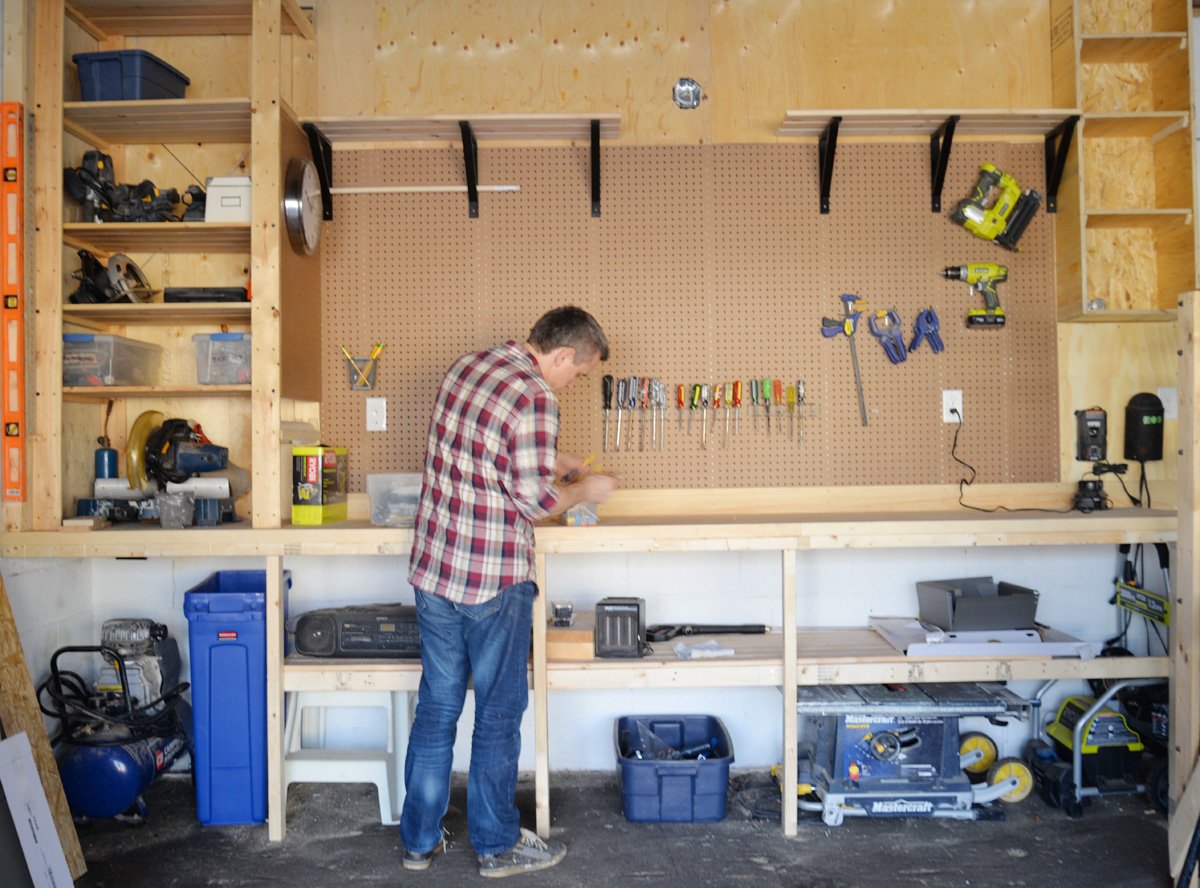
Pegboards let you hang tools on the wall for easy reach. Hooks can hold hammers, wrenches, and screwdrivers.
Magnetic strips are perfect for metal tools. They keep tools visible and off surfaces, saving space.
- Install pegboards above workbenches
- Use different hook sizes for various tools
- Place magnetic strips for quick tool grab
- Arrange tools by frequency of use
Inventory Management
Keeping an organized tool workshop starts with good inventory management. It helps you find tools quickly and saves time.
Managing your tools well also prevents losing or damaging them. It keeps your workshop safe and efficient.
Tracking Tool Usage
Track how often and who uses each tool. This helps to know which tools are used most and which are not.
Write down tool checkouts or use a simple log book to record usage. This keeps your tools in control.
- Note the user’s name
- Record the date and time of use
- Track the tool’s condition after use
Regular Inventory Checks
Check your tool inventory at set times, like weekly or monthly. This prevents missing or broken tools.
Count all tools and compare with your list. Fix any errors to keep your inventory accurate.
- Look for missing tools
- Check if tools are in the right place
- Note any damaged tools
Replacing And Repairing Tools
Fix broken tools quickly to keep your workshop running well. Replace tools that cannot be repaired.
Keep a list of tools that need repair or replacement. This helps you plan purchases and avoid delays.
- Inspect tools during regular checks
- Set aside broken tools for repair
- Buy new tools when repairs are not possible

Credit: www.reddit.com
Cleaning And Maintenance
Keeping your tool workshop clean and well-maintained helps you work safely and efficiently. Regular care extends the life of your tools and workspace.
Simple daily habits and proper maintenance prevent damage and keep your workshop ready for any project.
Daily Cleanup Routines
Clean your workshop every day to avoid clutter and hazards. Pick up scraps, dust, and dirt before starting work.
Put tools back in their places after use. This makes it easy to find them next time and keeps the area safe.
- Sweep the floor to remove dust and debris
- Wipe down workbenches and surfaces
- Organize tools on racks or in drawers
- Empty trash bins and dispose of waste properly
Tool Care Tips
Keep tools clean and dry to stop rust and damage. Clean them after use with a soft cloth or brush.
Sharpen blades and oil moving parts often. This keeps tools working smoothly and safely.
- Check tools for damage regularly
- Use the right storage to avoid dropping or banging tools
- Apply oil or rust protectant to metal parts
- Store sharp tools with blade covers
Maintaining Workshop Surfaces
Keep your work surfaces clean and smooth. This helps you work better and protects your tools.
Fix any cracks or damage on tables and benches right away. Use protective mats or covers when needed.
- Clean surfaces with mild soap and water regularly
- Use sandpaper to smooth rough spots
- Apply sealant or paint to protect wood or metal surfaces
- Place mats to catch spills and prevent scratches
Safety Practices
Keeping your tool workshop safe is very important. Good safety habits help prevent accidents and injuries.
Follow simple safety rules to protect yourself and others while working with tools.
Proper Tool Handling
Always use tools the right way to avoid injury. Read instructions before using new tools.
Hold tools firmly and keep your hands dry. Wear gloves if needed to improve grip.
- Check tools for damage before use
- Use tools only for their intended purpose
- Keep sharp tools away from your body
- Turn off power tools when not in use
Safe Storage Methods
Store tools properly to keep your workshop neat and safe. Put tools back after each use.
Use shelves, racks, or pegboards to organize tools. Keep heavy tools low to avoid falls.
- Lock away sharp or dangerous tools
- Label storage areas for easy finding
- Keep flammable materials in safe containers
- Keep walkways clear of tools and clutter
Emergency Preparedness
Be ready for accidents by keeping safety equipment nearby. Know what to do in case of injury.
Have a first aid kit and fire extinguisher in your workshop. Make sure they are easy to reach.
- Keep a list of emergency phone numbers
- Wear protective gear like goggles and masks
- Clear exits and paths for quick evacuation
- Learn basic first aid and fire safety skills

Credit: www.lemonthistle.com
Time-saving Techniques
Keeping your tool workshop organized saves time and reduces stress. Simple methods help you find tools quickly and work efficiently.
Use smart habits and tools to keep your workspace neat. This way, you spend less time searching and more time working.
Quick Access Strategies
Arrange your tools so you can reach them easily. Store frequently used tools within arm’s reach to avoid extra steps.
- Use pegboards for hanging tools on the wall
- Label drawers and bins clearly
- Keep similar tools grouped together
- Store heavy tools at waist height for easy lifting
- Use magnetic strips for small metal tools
Workflow Optimization
Create a work zone that flows smoothly. Designate separate areas for cutting, assembly, and finishing tasks.
| Task | Recommended Area | Tip |
| Cutting | Near power outlets | Keep saws and clamps handy |
| Assembly | Large flat surface | Clear space before starting |
| Finishing | Well-ventilated spot | Store paints and brushes nearby |
Using Technology For Organization
Use simple apps and devices to track your tools and tasks. Digital records reduce time spent looking for items.
Try these tech ideas:
- Inventory apps to log tool locations
- Barcode labels for quick scanning
- Reminder apps for maintenance schedules
- Voice notes to record project details
Frequently Asked Questions
How Do I Organize My Tool Workshop Efficiently?
Start by categorizing tools based on their function. Use pegboards and shelves for visibility. Label storage containers clearly. Regularly declutter and maintain a designated place for each tool to ensure easy accessibility and efficiency in your workshop.
What Are The Benefits Of A Tidy Tool Workshop?
A tidy tool workshop boosts productivity and reduces time spent searching for tools. It enhances safety by minimizing hazards. An organized space also prolongs tool lifespan by preventing damage and loss, ensuring an efficient and pleasant working environment.
How Often Should I Reorganize My Tool Workshop?
Reorganize your tool workshop every six months. This helps maintain order and allows you to assess tool conditions. Regular reorganization ensures that your workshop remains efficient, safe, and clutter-free, adapting to any new tools or changing needs you may have.
What Tools Help In Organizing A Workshop?
Use pegboards, magnetic strips, and labeled bins for organization. Shelving units and tool chests maximize space. Drawer organizers keep small items sorted. These tools help maintain an orderly workshop, ensuring every tool has a designated place, which enhances efficiency and accessibility.
Conclusion
Keeping your tool workshop tidy saves time and reduces stress. Sort tools by type and size for easy access. Use shelves, hooks, and bins to store items neatly. Clean your workspace regularly to avoid clutter buildup. Label storage spots so tools always return to their place.
A well-organized workshop helps you work faster and enjoy projects more. Small steps daily lead to a clean, efficient space. Stay consistent, and your tools will always be ready when needed. Simple habits make a big difference in your workshop’s order.