Is your drill chuck stuck or not holding the bit properly? You don’t have to buy a new drill just yet.
Knowing how to repair drill chucks can save you time, money, and frustration. In this guide, you’ll discover simple steps to fix common problems quickly, even if you’re not a tool expert. By the end, your drill will feel like new again—and you’ll gain confidence to tackle future repairs on your own.
Keep reading to unlock easy solutions that anyone can do!

Credit: www.youtube.com
Types Of Drill Chucks
Drill chucks hold drill bits tightly while working. Different types fit different tasks and drills.
Knowing the types helps you repair or replace them correctly. This guide explains the main types.
Keyed Chucks
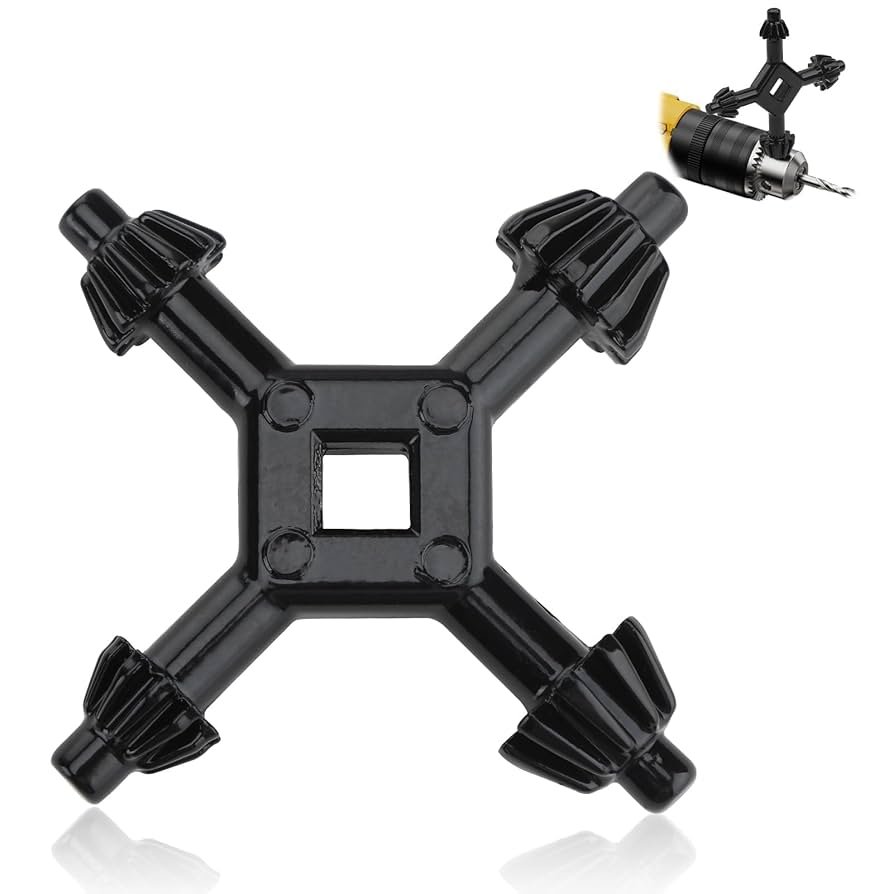
Keyed chucks use a special key to tighten or loosen the drill bit. The key turns gears inside the chuck.
This type holds bits very firmly. It is common in older drills and heavy-duty tools.
- Requires a chuck key to adjust
- Offers strong grip on bits
- Good for heavy or precise drilling
- More parts can wear out and need repair
Keyless Chucks
Keyless chucks can be tightened by hand without a key. They use a sleeve that you twist to lock the bit.
These chucks are easy to use and quick to change bits. They are common in cordless and light drills.
- No need for a separate chuck key
- Faster bit changes
- Grip may be weaker than keyed chucks
- Parts can wear, causing slipping
Specialty Chucks
Specialty chucks are designed for specific jobs or drill types. They may hold different shapes of bits.
Examples include SDS chucks for hammer drills and pin chucks for small bits. These need special care when repairing.
- SDS chucks allow quick bit changes with locking
- Pin chucks hold very small drill bits
- Some specialty chucks use unique locking systems
- Repair may need special tools or parts
Credit: www.weldingweb.com
Common Drill Chuck Issues
Drill chucks can have problems that stop them from working well. Fixing these problems can save money and time.
Knowing the common issues helps you repair the drill chuck correctly. Here are the most frequent problems with drill chucks.
Loose Grip
A loose grip happens when the chuck cannot hold the drill bit tightly. This causes the bit to slip during use.
Loose grip is often due to worn or damaged jaws inside the chuck. Dirt and debris can also stop the jaws from closing fully.
- Clean the chuck thoroughly with a brush and solvent
- Check the jaws for damage or wear
- Tighten the chuck properly after cleaning
- Replace jaws if they are too worn
Jammed Chuck
A jammed chuck will not open or close easily. This problem stops you from changing drill bits quickly.
Jams often happen because of rust, dirt, or dried grease inside the chuck mechanism. Lack of lubrication can cause parts to stick.
- Use penetrating oil to loosen stuck parts
- Clean the chuck inside and out
- Apply light machine oil to moving parts
- Work the chuck back and forth to free it
Worn Teeth
Worn teeth on the chuck gears make it hard to tighten or loosen the chuck. The chuck may slip under pressure.
Teeth wear out from long use or using the wrong tools on the chuck. This damage reduces the chuck’s grip strength.
- Inspect the gear teeth for signs of wear or damage
- Replace the chuck if teeth are badly worn
- Use correct tools to avoid damage
- Keep the chuck clean and lubricated
Tools Needed For Repair
Repairing drill chucks requires a few essential tools. These tools help you take apart, clean, and fix the chuck properly.
Having the right tools makes the repair process easier and safer. Below are the main categories of tools you will need.
Basic Hand Tools
Basic hand tools allow you to disassemble and reassemble the drill chuck. You will need screwdrivers and wrenches to handle screws and nuts.
- Flathead screwdriver
- Phillips screwdriver
- Adjustable wrench
- Pliers
- Allen keys (hex wrenches)
Lubricants
Lubricants reduce friction inside the drill chuck. They help parts move smoothly and prevent rust buildup. Use light machine oil or grease made for metal parts.
| Type | Purpose |
| Light machine oil | Lubricates moving parts gently |
| Grease | Provides thicker, longer-lasting lubrication |
| WD-40 or penetrating oil | Helps loosen stuck parts before repair |
Replacement Parts
Sometimes, you need to replace worn or broken parts in the drill chuck. It is good to have common replacement parts ready before starting the repair.
- Chuck key (if your chuck uses one)
- New jaws or jaw springs
- Retaining rings or clips
- Replacement screws and washers

Credit: www.reddit.com
Step-by-step Repair Process
Fixing a drill chuck can save money and extend the tool’s life. Follow clear steps to repair it safely.
This guide shows how to take apart, clean, and fix common drill chuck problems.
Removing The Chuck
Start by unplugging the drill or removing its battery. This stops the drill from turning on.
Use a wrench or chuck key to loosen the jaws. Hold the drill firmly and turn the chuck counterclockwise.
- Remove the drill bit from the chuck
- Turn chuck counterclockwise with chuck key or wrench
- Pull the chuck off the drill spindle
Cleaning And Inspecting
Clean dirt, dust, and grease from the chuck. Use a brush and cloth to reach all areas.
Check for damage like cracks, rust, or worn parts. Look closely at the jaws and springs.
- Use a wire brush to remove rust
- Wipe with a clean cloth
- Inspect jaws for chips or cracks
- Check springs for wear or breakage
Lubricating Moving Parts
Apply light machine oil to the chuck’s moving parts. This helps the jaws move smoothly.
Use a small brush or cloth to spread oil inside the chuck. Avoid over-oiling to prevent dirt buildup.
- Put oil on jaws and sliding surfaces
- Work the chuck jaws by opening and closing
- Wipe off extra oil with a cloth
Replacing Damaged Components
Remove broken or worn parts carefully. Use pliers or screwdrivers to take out springs and jaws.
Match new parts exactly to the old ones. Replace damaged jaws, springs, or screws as needed.
- Remove damaged jaws or springs
- Find replacement parts that fit your chuck model
- Install new parts securely
Reassembling The Chuck
Put all parts back in order, starting with the jaws and springs. Make sure each part fits well.
Tighten the chuck back onto the drill spindle. Test by opening and closing the jaws several times.
- Insert jaws and springs in correct order
- Secure all screws and parts
- Attach chuck to drill spindle clockwise
- Check smooth operation of jaws
Testing And Maintenance Tips
Keeping your drill chuck in good shape helps it work better and last longer. Testing and maintenance are key to avoid problems.
Simple checks and cleaning keep the chuck gripping tightly and running smoothly. Proper storage also stops damage and dirt.
Checking Grip Strength
Test the chuck’s grip by inserting a drill bit and tightening it. Make sure the bit does not slip during use.
If the chuck does not hold well, it may need adjustment or repair. Weak grip can cause unsafe work and damage bits.
Regular Cleaning
Remove dust, dirt, and grease from the chuck often. Use a brush and a cloth to clean inside and outside parts.
Cleaning stops build-up that can block the jaws or cause rust. Use light machine oil to keep parts moving freely.
- Brush out debris from the jaws
- Wipe the outside with a clean cloth
- Apply a drop of oil to moving parts
Proper Storage
Store the drill and chuck in a dry place to avoid rust. Keep the chuck closed when not in use to protect the jaws.
Use a toolbox or case to keep dust away. Avoid places with high humidity or dirt to extend chuck life.
When To Replace The Drill Chuck
A drill chuck holds the drill bit in place. Over time, it can wear out or break. Knowing when to replace it keeps your tool safe and working well.
Some problems can be fixed by repair. Other times, the damage is too bad. Replacing the chuck is the best choice then.
Signs Of Irreparable Damage
Look for cracks or deep rust on the chuck body. These issues weaken the chuck and are hard to fix.
If the jaws do not grip tightly or move unevenly, the chuck may be beyond repair. Worn teeth or stripped threads also mean it should be replaced.
- Cracks in the chuck body
- Heavy rust or corrosion
- Jaws not gripping drill bits firmly
- Uneven jaw movement
- Worn or stripped teeth
- Damaged or stripped threads
Cost Vs. Repair Benefits
Repairing a drill chuck may cost less if damage is small. Repairs take time and sometimes parts are hard to find.
Buying a new chuck often saves money and effort. New chucks work better and last longer than repaired ones.
- Repair may be cheaper if damage is minor
- Repairs can take time and need special parts
- New chucks offer better grip and durability
- Replacing saves long-term costs and hassle
Frequently Asked Questions
How Do I Remove A Stuck Drill Chuck?
To remove a stuck drill chuck, first, unplug the drill. Use a wrench to grip the chuck tightly. Turn it counterclockwise to loosen. If it’s still stuck, apply some penetrating oil and let it sit for a few minutes. Try again, and it should come off easily.
What Tools Are Needed To Repair A Drill Chuck?
To repair a drill chuck, you’ll need a wrench, screwdriver, and penetrating oil. A hammer might be necessary for stubborn chucks. Ensure you have the correct size tools for your drill model. Safety goggles are also recommended to protect your eyes during the repair process.
How Can I Fix A Wobbly Drill Chuck?
To fix a wobbly drill chuck, first, check if it’s properly tightened. Use a wrench to ensure it’s secure. If wobbling persists, inspect for debris or damage. Clean the chuck and check for worn-out parts. Replace any damaged components to ensure smooth operation and stability.
Why Won’t My Drill Chuck Tighten?
A drill chuck may not tighten due to debris or wear. Clean the chuck thoroughly and inspect for damage. Ensure the chuck key or tightening mechanism is functioning correctly. If necessary, replace worn parts. Proper maintenance and cleaning can prevent this issue in the future.
Conclusion
Fixing drill chucks can save time and money. Follow clear steps to clean and tighten parts. Check for worn pieces and replace them carefully. Keep tools in good shape to avoid future problems. Regular care helps drills work smoothly and last longer.
Small repairs make a big difference in tool performance. Try these tips and keep your drill ready for any job. Simple fixes bring back the drill’s strong grip and easy use.