Pruning roses in winter might sound tricky, but it’s one of the best things you can do for your garden. If you want your roses to grow strong, bloom beautifully, and stay healthy, knowing the right way to prune is key.
You don’t need to be an expert or have fancy tools—just a little know-how and the right timing. Keep reading, and you’ll discover simple steps to give your roses the perfect winter trim. Your garden will thank you with vibrant blooms when spring arrives.

Credit: www.reddit.com
Timing For Winter Pruning
Pruning roses in winter helps keep plants healthy and strong. Knowing the right time to prune is important for good growth in spring.
This guide explains the best months to prune and the weather conditions to watch before cutting your roses.
Best Months To Prune
Winter pruning usually happens when roses are dormant. This period varies by location but generally falls in the cold months.
- Late January to early March in colder climates
- December to February in milder areas
- Avoid pruning during heavy frost or snow
- Check local gardening calendars for exact timing
Weather Conditions To Watch
| Condition | Pruning Advice |
| Freezing temperatures | Do not prune; wait for warmer days |
| Dry weather | Best time to prune; cuts heal faster |
| Wet or rainy days | Avoid pruning; risk of disease rises |
| Strong winds | Delay pruning; can damage plants |
Credit: www.yates.com.au
Tools Needed
Pruning roses in winter helps keep the plants healthy. Using the right tools makes the job easier and safer.
Gather your tools before starting. This saves time and helps you prune correctly.
Essential Pruning Tools
Good pruning tools cut cleanly and prevent damage to rose bushes. Keep them sharp and clean for best results.
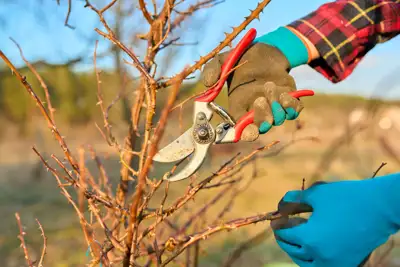
- Pruning shears for small branches
- Loppers for thicker stems
- Gloves to protect your hands from thorns
- Disinfectant to clean tools between cuts
Safety Gear
Wear safety gear to avoid injuries while pruning. Roses have sharp thorns that can scratch or poke skin.
| Gear | Purpose |
|---|---|
| Thick gardening gloves | Protect hands from thorns and cuts |
| Long sleeves | Shield arms from scratches |
| Safety glasses | Guard eyes from flying debris |
Preparing Your Roses
Pruning roses in winter helps keep them healthy. Preparing your roses properly makes pruning easier and more effective.
Start by cleaning and checking your plants. This care ensures your roses grow strong in the spring.
Clearing Dead Leaves
Remove all dead leaves from around and on the rose bushes. Dead leaves can hold diseases and pests that harm your plants.
- Wear gloves to protect your hands.
- Use garden scissors or your hands to pick off dead leaves.
- Collect the leaves in a bag for disposal.
- Do not compost the leaves if they show signs of disease.
- Clear the ground around the base of the rose bush as well.
Inspecting Plant Health
Check your roses carefully for signs of damage or disease before pruning. Early detection helps protect your plants.
| Sign | What to Look For | Action |
| Brown or black spots | Spots on leaves or stems | Remove affected parts and dispose |
| Wilting | Drooping leaves or stems | Check soil moisture and root health |
| Unusual growths | Bumps or cankers on stems | Cut out affected areas carefully |
| Insect presence | Holes in leaves or bugs | Use safe insect control methods |
Pruning Techniques
Pruning roses in winter helps keep plants healthy. It prepares them for strong growth in spring. Using the right techniques protects your roses from damage.
Focus on cutting angles, removing dead wood, and shaping the plant. Each step improves air flow and sunlight exposure for better blooms.
Cutting At The Right Angle
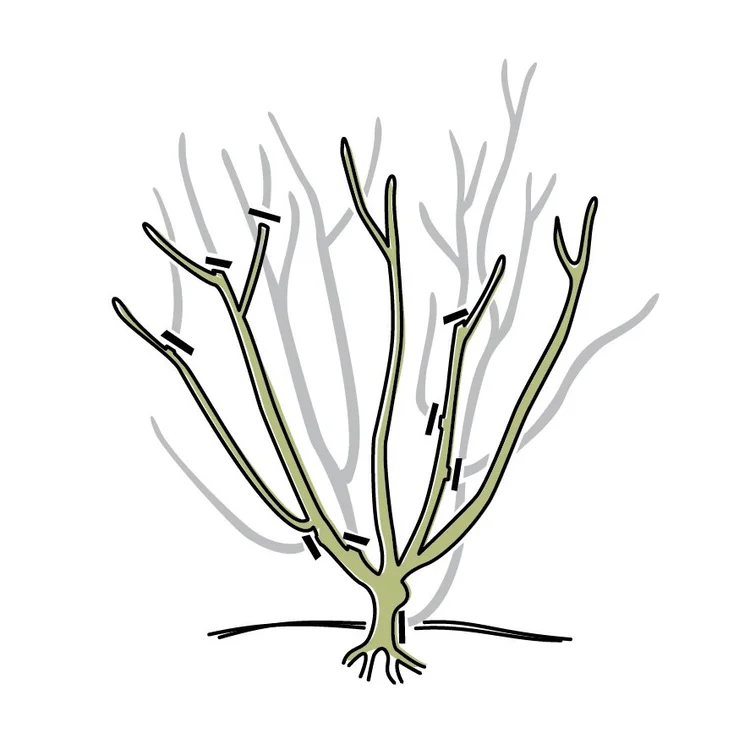
Make cuts at a 45-degree angle. This angle helps water run off and stops rot. Cut just above an outward-facing bud to direct growth away from the center.
- Use sharp, clean pruning shears
- Cut about ¼ inch above the bud
- Angle the cut so water drains away from the bud
- Avoid flat cuts that trap water
Removing Dead And Diseased Wood
Look for branches that are brown, black, or shriveled. These branches do not produce flowers and can spread disease. Remove all dead and diseased wood to keep the plant healthy.
| Type of Wood | How to Identify | Action |
| Dead Wood | Brittle, dry, no green inside | Cut back to healthy wood |
| Diseased Wood | Discolored, spots, or fungus | Remove and destroy immediately |
| Healthy Wood | Green inside when scratched | Leave for growth |
Shaping The Plant
Shape your rose bush to keep it balanced and open. This helps sunlight reach all parts and improves air circulation. A good shape supports strong blooms and reduces disease risk.
- Remove crossing branches that rub together
- Cut back tall stems to encourage bushier growth
- Keep the center open by removing inward-growing branches
- Trim to a uniform height for a neat look
Aftercare Tips
Pruning roses in winter helps plants grow strong in spring. Taking care after pruning keeps roses healthy.
This guide covers key aftercare steps to protect and nourish your roses after pruning.
Applying Mulch
Mulch protects rose roots from cold and keeps soil moist. Use organic mulch like bark or straw.
Apply mulch in a thick layer around the base, but not touching the stems. This prevents rot and pests.
- Use 2-3 inches of mulch
- Keep mulch a few inches away from stems
- Renew mulch in late winter or early spring
Watering Guidelines
Water your roses deeply but less often in winter. This helps roots stay hydrated without causing rot.
Check soil moisture before watering. Stop watering if the soil stays wet or frozen for a long time.
- Water once every two weeks if dry
- Water early in the day to dry leaves
- Avoid overhead watering to reduce disease
Fertilizing For Spring Growth
Fertilize roses late in winter to prepare for new growth. Use a balanced fertilizer with equal parts nitrogen, phosphorus, and potassium.
Apply fertilizer evenly around the base and water it in well. Avoid fertilizing too early to prevent damage.
- Choose a balanced fertilizer like 10-10-10
- Apply just before buds start to swell
- Follow package instructions for amount
Common Mistakes To Avoid
Pruning roses in winter helps keep them healthy and bloom well next year. But many people make mistakes that hurt their plants.
Knowing what to avoid can save your roses from damage. Read on to learn about common pruning errors.
Over-pruning
Cutting too much can weaken your rose bush. Over-pruning removes too many branches and buds. This limits flower growth and exposes the plant to cold damage.
- Do not remove more than one-third of the plant’s branches.
- Avoid cutting stems too close to the ground.
- Keep some healthy growth to protect the plant’s core.
- Use sharp tools to make clean cuts.
- Prune only dead, damaged, or weak branches.
Pruning Too Early Or Late
Timing is key for pruning roses in winter. Pruning too early can expose new cuts to frost damage. Pruning too late may reduce flower buds.
| Pruning Time | Risk | Tip |
| Too Early | Frost can harm fresh cuts | Wait until the coldest days pass |
| Too Late | Remove flower buds | Prune before buds start to swell |
| Right Time | Protects plant and flowers | Prune in late winter or early spring |

Credit: www.youtube.com
Frequently Asked Questions
Why Prune Roses In Winter?
Pruning roses in winter helps promote healthy growth in spring. It removes dead and diseased branches, improving air circulation. This reduces pest infestation and encourages blooms. Winter pruning also maintains the plant’s shape and size, ensuring vigorous growth. It’s an essential part of rose care for a beautiful garden.
When Is The Best Time For Winter Pruning?
The best time to prune roses in winter is during dormancy. This typically occurs between late winter and early spring, before new growth begins. It’s crucial to prune after the last frost to avoid damage. Timing ensures optimal health and bloom production for your roses in the upcoming season.
What Tools Do I Need For Pruning Roses?
For pruning roses, you’ll need sharp pruning shears, gloves, and disinfectant. Use bypass pruners for clean cuts and loppers for thicker branches. Gloves protect against thorns, while disinfectant prevents disease spread. Having the right tools ensures effective and safe pruning, promoting the health of your rose plants.
How Do I Prune Roses Without Damaging Them?
To prune roses without damage, cut at a 45-degree angle above outward-facing buds. Remove dead, diseased, and crossing branches. Ensure tools are sharp and clean to prevent infections. Avoid cutting too close to the bud. Proper technique preserves plant health and encourages abundant blooms in the growing season.
Conclusion
Pruning roses in winter keeps plants healthy and strong. Cut back old and weak branches carefully. This helps new growth in spring. Use clean, sharp tools to avoid damage. Remove any dead or diseased wood right away. Pruned roses bloom better and look neat.
Take your time and follow these simple steps. Your garden will thank you with beautiful flowers. Winter pruning is a small effort with big rewards. Start early and enjoy a vibrant rose garden soon.