Are you ready to tackle your next home project with confidence? Knowing how to use a claw hammer correctly can save you time, effort, and frustration.
Whether you’re hanging a picture, building furniture, or fixing something around the house, mastering this simple tool is essential. In this guide, you’ll discover easy steps and practical tips that make using a claw hammer safe and effective. Stick with me, and by the end, you’ll feel ready to handle your hammer like a pro.

Credit: www.youtube.com
Choosing The Right Claw Hammer
Choosing the right claw hammer is important for your projects. The right hammer makes work easier and safer.
This guide helps you pick the best hammer by looking at types, weight, size, and handle materials.
Types Of Claw Hammers
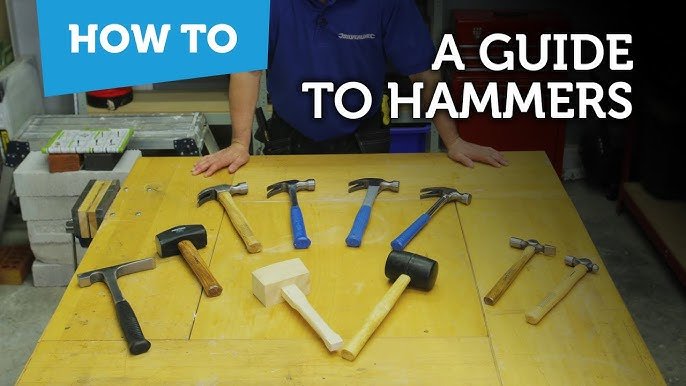
There are several types of claw hammers made for different tasks. The main types are standard, framing, and mallet claw hammers.
- Standard Claw Hammer:Used for general carpentry and nail pulling.
- Framing Hammer:Heavier with a longer handle for framing and heavy work.
- Mallet Claw Hammer:Has a softer head for delicate woodwork.
Hammer Weight And Size
Hammer weight affects control and power. Size affects comfort and reach.
| Weight | Use | Best For |
| 8 to 16 oz | Lighter swings | Small nails, light carpentry |
| 16 to 20 oz | Balanced power | Most general tasks |
| 20+ oz | Heavy blows | Framing, demolition |
Handle Materials And Grip
Handles come in different materials. Grip comfort helps reduce hand fatigue and improve control.
- Wood Handles:Traditional feel, absorbs shock well.
- Fiberglass Handles:Durable and shock resistant.
- Steel Handles:Very strong but can transmit more shock.
- Grip Types:Rubber or textured grips help prevent slipping.
Credit: www.familyhandyman.com
Basic Hammering Techniques
Using a claw hammer correctly helps you work safely and efficiently. Good hammering skills reduce mistakes and damage.
This guide covers how to hold the hammer, swing it, and hit nails properly.
Proper Grip And Stance
Hold the hammer near the end of the handle to get the best control. Keep your wrist firm but relaxed. Stand with your feet shoulder-width apart for balance.
- Grip the hammer handle firmly but not too tight.
- Keep your wrist straight to avoid strain.
- Stand with feet shoulder-width apart.
- Face the nail directly to keep the strike accurate.
Swinging Methods
Use your elbow and shoulder to swing the hammer smoothly. Start with small taps to set the nail, then increase force. Avoid using only your wrist.
- Lift the hammer smoothly using your elbow and shoulder.
- Tap the nail lightly to hold it in place.
- Raise the hammer higher for stronger strikes.
- Keep your eyes on the nail tip during swings.
Striking Nails Correctly
Hit the nail squarely on the head to avoid bending. Use steady, controlled strikes. If the nail bends, remove it and start again.
| Common Nail Problems | How to Fix |
| Bent Nail | Remove and replace with a new nail. |
| Missed Strike | Realign hammer and nail, then strike carefully. |
| Nail Not Fully Driven | Use stronger swings until the nail is flush. |
Nail Removal Tips
Removing nails with a claw hammer is a common task in woodworking and repairs.
Knowing the right techniques helps you work faster and protect the wood.
Using The Claw For Nail Extraction
Place the claw under the nail head carefully. Pull back slowly to lift the nail.
Keep your hand steady to avoid slipping and hurting yourself or the wood.
Leveraging Techniques
- Insert the claw as close to the nail head as possible.
- Use the hammer’s handle as a lever to increase force.
- Pull the handle slowly to raise the nail gradually.
- If the nail is hard to remove, rock the handle gently side to side.
- Keep the claw flat against the wood for better grip.
Avoiding Damage To Wood
| Tip | Reason |
|---|---|
| Place a thin wood piece under the claw | Protects wood surface from scratches |
| Pull nails slowly and evenly | Prevents splintering or cracking |
| Use the right size hammer | Improves control and reduces wood damage |
| Check nail angle before pulling | Reduces risk of tearing the wood grain |
Safety Measures When Using A Hammer
Using a claw hammer safely protects you from injuries. Taking the right steps helps avoid accidents.
Follow simple safety rules to work better and keep yourself safe while hammering.
Protective Gear To Wear
Always wear the right protective gear before using a hammer. This helps stop injuries.
- Safety glasses to protect your eyes from flying nails or wood chips
- Work gloves to improve grip and protect your hands
- Closed-toe shoes to guard your feet from dropped tools or materials
- Long sleeves and pants to protect skin from splinters and debris
Safe Working Environment
Keep your workspace clean and well-lit. This reduces risk of tripping or missing your target.
| Environment Factor | Safety Tip |
|---|---|
| Lighting | Use bright light to see clearly where you hit |
| Floor | Keep floor dry and free of clutter |
| Work Surface | Use a sturdy, stable surface for hammering |
| Space | Allow enough room to swing the hammer safely |
Common Hazards To Avoid
Watch out for hazards to keep safe. Avoid these common dangers when using a claw hammer.
- Do not use a hammer with a loose or cracked handle
- Never strike a hammer on hard metal surfaces that can cause sparks
- Avoid hitting nails at an angle to prevent slipping
- Keep fingers away from the striking area
- Do not use the hammer for tasks it is not designed for
Maintenance And Care
Taking care of your claw hammer helps it last longer and work better. Regular maintenance keeps it safe and ready for use.
Simple habits like cleaning, inspecting, and storing your hammer properly make a big difference in its lifespan.
Cleaning The Hammer
Remove dirt, grease, and rust from your hammer after each use. Use a cloth to wipe the handle and head clean.
- Use a wire brush to scrub off rust
- Apply light oil to metal parts to prevent rust
- Wipe wooden handles with a damp cloth
- Dry the hammer thoroughly before storing
Inspecting For Damage
Check your claw hammer regularly for signs of damage. Look closely at the handle and head to spot any problems early.
| Part | What to Check | Action if Damaged |
| Handle | Cracks or splinters | Replace handle |
| Head | Loose or bent | Tighten or replace hammer |
| Claw | Chips or cracks | Do not use until fixed |
Proper Storage Practices
Store your claw hammer in a dry and safe place to keep it in good shape. Avoid leaving it on the ground or in damp areas.
- Hang the hammer on a pegboard or tool rack
- Keep it away from moisture to stop rust
- Do not store near chemicals that can damage wood or metal
- Use a toolbox if possible for added protection

Credit: www.youtube.com
Common Mistakes To Avoid
Using a claw hammer seems simple, but many people make mistakes. These errors can cause damage or injury.
Knowing what to avoid helps you work safer and better with your hammer.
Misusing The Hammer
People often use the hammer the wrong way. For example, hitting the nail with the side of the hammer can bend the nail.
Using the hammer as a pry bar or for tasks it was not made for can break the tool or cause injury.
- Always hit the nail with the hammer’s face.
- Do not use the hammer to pry open objects.
- Keep a steady grip to avoid slipping.
Ignoring Safety Precautions
Not wearing safety glasses can cause serious eye injuries from flying nails or debris. Always protect your eyes.
Also, make sure your work area is clear. Slipping or tripping while using a hammer can lead to accidents.
- Wear safety goggles every time you hammer.
- Keep the floor and workspace clean.
- Check your hammer for damage before use.
Using The Wrong Hammer For The Job
Claw hammers come in different sizes and weights. Using a hammer that is too heavy or too light can make your work harder.
Choosing the wrong hammer can damage the wood or nails, or cause fatigue and injury.
- Pick a hammer size that fits your hand well.
- Use lighter hammers for small nails and delicate work.
- Choose heavier hammers for large nails and tough materials.
Frequently Asked Questions
What Is A Claw Hammer Used For?
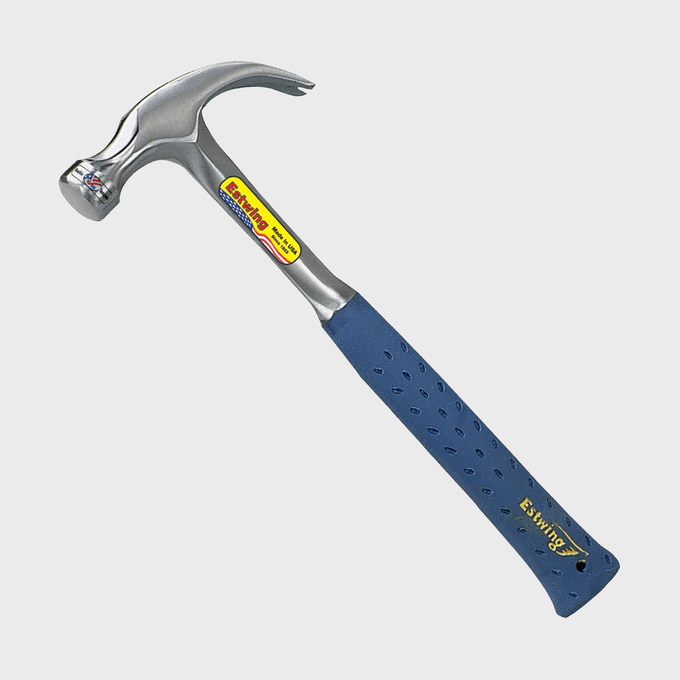
A claw hammer is primarily used for driving and removing nails. It features a flat, smooth head for striking. The curved claw on the opposite side is designed for pulling nails out of wood or other materials. It’s a versatile tool for carpentry and general construction tasks.
How Do You Hold A Claw Hammer?
Hold the claw hammer with a firm grip on the handle. Position your hand closer to the end of the handle for better leverage. Ensure your thumb is on one side and fingers on the other. This grip provides control and minimizes the risk of slipping while working.
What Is The Claw Hammer Head Made Of?
The head of a claw hammer is typically made of steel. This material provides durability and strength for striking. Some heads may also have a coating to prevent rust. The steel construction ensures longevity, making it a reliable tool for various tasks.
Why Is The Claw Hammer Claw Curved?
The curved claw design allows for easier nail removal. It provides leverage, making it simpler to extract nails from surfaces. The shape also minimizes damage to the material being worked on. This makes the claw hammer an essential tool for both professionals and DIY enthusiasts.
Conclusion
Using a claw hammer is simple and useful for many tasks. Hold it firmly and use the right angle to pull nails out easily. Always wear safety gear to protect yourself. Practice a little to build confidence and avoid mistakes.
A claw hammer is a helpful tool for home projects and repairs. Keep it clean and store it safely after use. Small steps lead to better skills and safer work. Try it yourself and see how handy this tool can be.