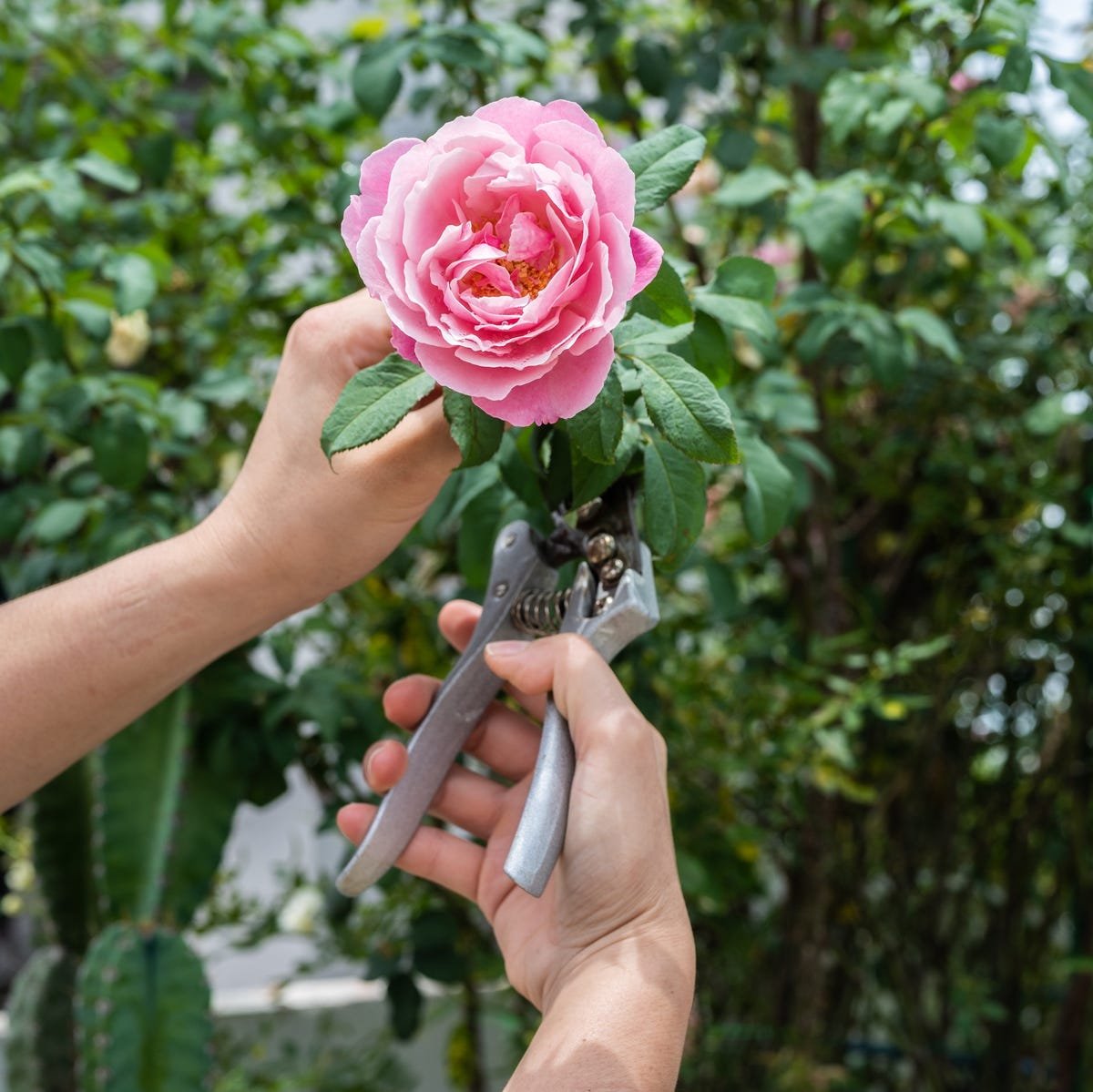
If you want your rose bushes to keep blooming beautifully throughout the season, knowing how to prune them right is key. Pruning might seem tricky or even scary, but with the right steps, you can encourage your roses to produce more flowers again and again.
Imagine stepping outside and seeing vibrant, fresh blooms every time you look—pruning is the secret to making that happen. In this guide, you’ll discover simple, effective techniques that anyone can do to keep your roses healthy and flowering repeatedly. Ready to unlock your roses’ full potential?
Let’s get started!

Credit: www.housebeautiful.com
Choosing The Right Time
Pruning roses at the right time helps them bloom again and stay healthy. Picking the best moment encourages fresh growth and more flowers.
Knowing when to prune depends on the season and how your roses grow. This guide shows you when to cut your roses for repeated flowering.
Seasonal Timing For Pruning
Most roses do best when pruned in early spring. This is before new growth starts but after the danger of frost passes.
Pruning too early can cause damage from cold weather. Pruning too late can reduce the number of flowers.
- Prune in early spring for most climates
- In mild climates, prune late winter
- Avoid pruning in late fall or winter
- Light pruning after the first bloom can boost more flowers
Signs Your Roses Are Ready
Look for swollen buds on the rose stems. These buds show the plant is waking up and ready for pruning.
Check the branches for green under the bark. Scratch the bark lightly to see if green tissue appears. This means the rose is alive and ready.
- Swollen buds on stems
- Green color under the bark
- New shoots starting to grow
- Last frost date has passed

Credit: www.housebeautiful.com
Essential Tools Needed
Pruning roses well needs the right tools. Using proper tools helps your roses bloom again and stay healthy.
Here are the main tools and safety gear you need to prune roses properly.
Types Of Pruning Shears
Choosing the right pruning shears makes cutting clean and easy. Different shears suit different rose stems and thicknesses.
- Bypass pruners:Have two sharp blades that slide past each other. Best for fresh green stems.
- Anvil pruners:Have one sharp blade cutting against a flat metal plate. Good for dry or dead wood.
- Loppers:Long-handled pruners for thick branches. Use for stems too big for hand shears.
- Hedge shears:Used for shaping and trimming multiple stems at once, but not for precise cuts.
Safety Gear To Use
Protect yourself while pruning. Roses have thorns that can scratch or hurt your skin.
| Safety Gear | Purpose |
|---|---|
| Thick gardening gloves | Protect hands from thorns and cuts |
| Safety glasses | Shield eyes from branches and debris |
| Long sleeves | Cover arms to avoid scratches |
| Closed-toe shoes | Protect feet from dropped tools or stems |
Preparing Your Roses
Pruning roses correctly helps them bloom again and stay healthy. Preparing your roses is important before you start cutting.
This preparation includes cleaning your tools and removing any dead or sick wood from the plants.
Cleaning And Sterilizing Tools
Use sharp pruning shears to cut your roses. Clean tools reduce the chance of spreading diseases.
- Wash your tools with warm soapy water to remove dirt.
- Rinse the tools well to get rid of soap.
- Use rubbing alcohol or a bleach solution to sterilize the blades.
- Dry the tools completely before pruning.
- Repeat cleaning between plants to avoid infection spread.
Removing Dead Or Diseased Wood
Cut away all dead or diseased branches from your rose bush. This helps the plant focus energy on new growth.
| Type of Wood | Signs to Look For | Action |
| Dead Wood | Brittle, no green inside | Cut back to healthy wood |
| Diseased Wood | Discolored, spots, or mold | Remove and discard away from garden |
| Damaged Wood | Broken or cracked stems | Trim cleanly at base or healthy node |

Credit: www.epicgardening.com
Pruning Techniques For Repeat Blooming
Pruning roses helps the plant grow new flowers again and again. Proper cutting encourages healthy growth and more blooms.
Using the right pruning techniques keeps your rose bushes strong. It also makes sure air flows well around the plant.
Cutting Back For New Growth
Cutting back old stems helps the plant focus energy on new shoots. This encourages fresh growth and more flowers.
Trim the stems about one-third to one-half their length. Cut just above a leaf with five leaflets for best results.
- Use clean, sharp tools
- Cut at a 45-degree angle
- Remove dead or weak stems
- Leave healthy canes for support
Shaping The Plant For Airflow
Good airflow prevents disease and keeps roses healthy. Shaping the plant helps air reach all parts of the bush.
Remove crowded or crossing branches. Open the center of the plant to let air flow freely through the stems.
- Cut branches that grow inward
- Thin out crowded areas
- Keep a balanced shape
- Avoid heavy pruning in one area
Encouraging Multiple Flower Cycles
Prune after each bloom cycle to invite new flowers. This helps the rose bush produce more blossoms over time.
Remove faded flowers and cut back to healthy leaves. This signals the plant to grow fresh buds quickly.
- Deadhead spent blooms regularly
- Trim back long stems after flowering
- Feed the plant with nutrients after pruning
- Keep watering consistently for growth
Aftercare Tips
Proper aftercare helps your roses bloom again and stay healthy. Caring for roses after pruning is important for strong growth.
Focus on watering, feeding, and protecting your roses from pests and diseases. These steps support repeated flowering.
Watering And Feeding
Water your roses deeply and regularly, especially during dry spells. Feed them with balanced fertilizer to encourage blooms.
- Water roses early in the morning to reduce disease risk
- Apply water at the base, avoiding wetting leaves
- Use a slow-release fertilizer every 4 to 6 weeks during growing season
- Mulch around the plant to keep soil moist and cool
Protecting From Pests And Diseases
Check your roses often for signs of pests or diseases. Early action stops problems from spreading.
| Common Issue | Signs | Action |
| Aphids | Clusters of small green bugs on new growth | Spray water or use insecticidal soap |
| Black Spot | Black spots on leaves with yellow edges | Remove affected leaves, apply fungicide |
| Powdery Mildew | White powdery coating on leaves | Improve air flow, apply sulfur spray |
| Spider Mites | Fine webbing and tiny moving dots on leaves | Spray water, use miticide if needed |
Common Mistakes To Avoid
Pruning roses helps them bloom again and stay healthy. Many gardeners make simple mistakes that stop roses from flowering well.
Knowing what to avoid can keep your roses strong and full of flowers all season.
Over-pruning
Cutting too much of the rose bush can hurt its growth. Over-pruning removes important parts that make flowers and leaves.
Roses need some older wood and healthy branches to bloom again. If you cut too much, the plant may not have enough energy to produce flowers.
- Do not cut all the new growth; keep some green stems.
- Avoid removing large branches unless they are dead or weak.
- Leave enough leaves so the plant can make food through photosynthesis.
Ignoring Plant Health Signals
Roses show signs when they are sick or stressed. Ignoring these signals can stop them from flowering again.
Look for spots on leaves, wilting, or unusual color changes before you prune. These signs tell you the plant needs care.
- Check for pests like aphids or mites.
- Look for yellow or brown leaves that may need removal.
- Make sure the plant is not dry or too wet before pruning.
Frequently Asked Questions
How Often Should I Prune Roses For Best Flowering?
Prune roses once in early spring and lightly after each bloom cycle. Regular pruning encourages new growth and repeated flowering throughout the season.
What Tools Are Needed To Prune Roses Effectively?
Use sharp, clean pruning shears or garden scissors. Gloves and protective clothing help prevent scratches and infections while ensuring precise cuts.
When Is The Ideal Time To Prune Roses?
Prune roses in early spring, just as buds begin to swell. This timing promotes healthy growth and abundant flowers during the blooming season.
How Much Should I Cut Back Rose Stems?
Cut back about one-third to half of the previous year’s growth. This balance helps maintain plant health and encourages strong new flowering stems.
Conclusion
Pruning roses helps them bloom again and again. Cut old, weak branches to make space for new growth. Use clean tools to avoid plant damage. Prune at the right time for best results. Watch your roses grow healthy and full of flowers.
Enjoy the beauty of fresh blooms all season long. Keep practicing these simple steps to improve your rose garden. Patience and care bring wonderful rewards. Your roses will thank you with bright, repeated flowering.
