Are you ready to boost the health and fruitfulness of your bushes? Pruning your fruit bushes the right way can make a huge difference in how much fruit they produce and how strong they grow.
But if you’re unsure where to start or worried about cutting the wrong branches, you’re not alone. This guide will show you simple, effective steps to prune your fruit bushes for maximum growth. By the end, you’ll have the confidence to care for your plants like a pro and enjoy a bountiful harvest year after year.
Keep reading—you’re about to unlock the secret to thriving fruit bushes!

Credit: www.youtube.com
Choosing The Right Time
Pruning fruit bushes helps them grow strong and healthy. Picking the right time to prune is very important.
Pruning at the wrong time can harm the plant or reduce fruit yield. Learn when to prune for best growth.
Seasonal Pruning Windows
Each season offers a good time to prune fruit bushes. These times depend on the type of bush and your climate.
- Late winter is ideal for many fruit bushes before new growth starts.
- Early spring pruning helps remove dead or damaged wood.
- Summer pruning controls size and improves air flow.
- Avoid heavy pruning in fall to prevent frost damage.
Check local gardening guides to find the best pruning windows for your area.
Signs Bushes Need Pruning
Fruit bushes show clear signs when they need pruning. Watch for these signs to keep plants healthy.
- Branches crossing or rubbing against each other.
- Dead or broken branches that look dry or brittle.
- Leaves that are yellowing or falling off early.
- Dense growth that blocks light inside the bush.
- Weak or thin branches that produce few fruits.
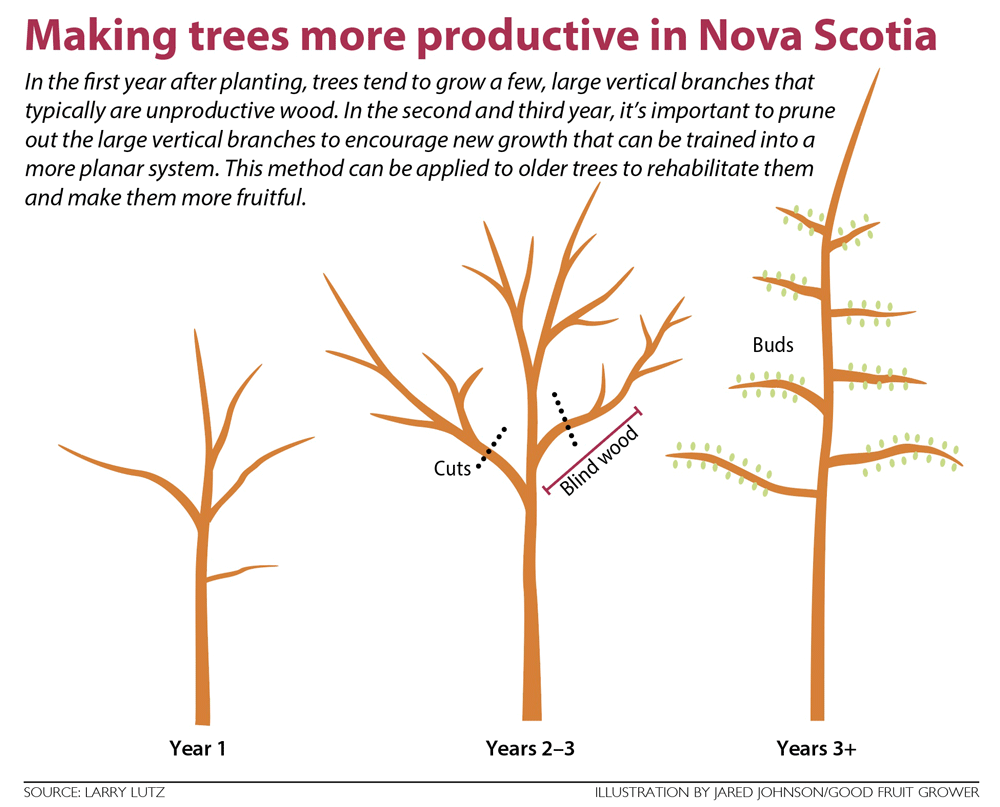
Regular pruning helps remove these problems and encourages new, strong growth.
Credit: www.starkbros.com
Essential Tools
Pruning fruit bushes helps them grow strong and healthy. Using the right tools makes the job easier and safer.
Good tools cut cleanly and prevent damage to the plants. You need pruning shears, loppers, and safety gear to protect yourself.
Pruning Shears And Loppers
Pruning shears are small scissors for cutting thin branches. Loppers are bigger and cut thicker branches. Both must be sharp and clean.
| Tool | Use | Cut Size |
| Pruning Shears | Small branches and twigs | Up to ¾ inch |
| Loppers | Thicker branches | Up to 2 inches |
Safety Gear And Maintenance
Safety gear protects you from cuts and scratches. Keep tools clean and oiled to last longer and work better.
- Wear gloves to protect your hands
- Use safety glasses to shield your eyes
- Clean blades with rubbing alcohol after use
- Oil moving parts to prevent rust
- Store tools in a dry place
Preparing Fruit Bushes
Preparing fruit bushes before pruning helps them grow healthy. It makes pruning easier and safer.
Good preparation improves fruit production and prevents damage to the plants.
Clearing Debris
Remove fallen leaves, dead branches, and weeds around the fruit bushes. This clears space and reduces pests.
Cleaning the area helps you see the branches that need pruning more clearly.
- Pick up dead leaves and twigs on the ground
- Cut away weak or damaged branches
- Pull out weeds near the base of the bush
- Dispose of debris away from the garden
Sanitizing Tools
Clean your pruning tools before use. This stops diseases from spreading between plants.
Use rubbing alcohol or a bleach solution to wipe blades and handles.
- Dip a cloth in rubbing alcohol
- Wipe all cutting surfaces carefully
- Let tools dry before pruning
- Clean tools again between bushes

Credit: www.youtube.com
Pruning Techniques
Pruning fruit bushes helps them grow strong and healthy. It removes parts that do not help the plant.
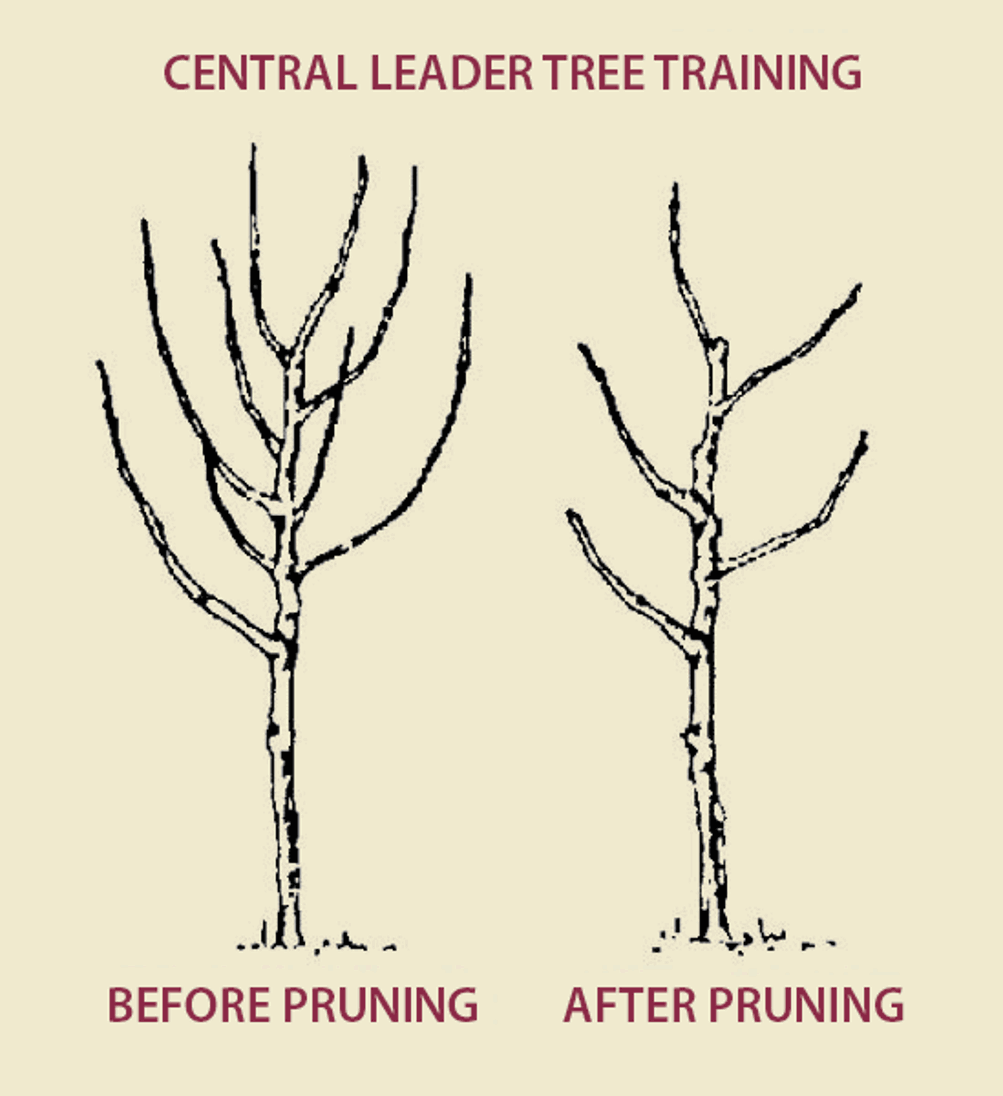
Good pruning improves air flow and allows new shoots to grow well. It also stops diseases from spreading.
Removing Dead And Diseased Wood
Cut out all dead or diseased branches. These can harm the whole bush if left. Use sharp, clean tools to make clean cuts.
- Look for branches that are dry or broken.
- Remove wood with spots or mold.
- Cut back to healthy wood or the base of the plant.
Shaping For Airflow
Shape the bush to allow air to move through the branches. This helps stop mold and pests.
| Technique | Purpose |
| Thin out crowded branches | Improve sunlight and air |
| Cut crossing branches | Prevent rubbing wounds |
| Keep center open | Allow air to circulate |
Encouraging New Growth
Prune to help the bush grow new shoots. New growth gives better fruit next season.
Here are ways to encourage new growth:
- Cut back old wood to a healthy bud.
- Remove weak or thin branches.
- Trim tips to stimulate side shoots.
- Keep the bush balanced in size.
Pruning Different Fruit Bushes
Pruning fruit bushes helps them grow strong and produce more fruit. Each type of bush needs different pruning care.
Cutting the right parts at the right time keeps plants healthy. Learn how to prune blueberries, raspberries, currants, and gooseberries.
Blueberries
Prune blueberries in late winter or early spring before new growth starts. Remove old or weak branches to help new shoots grow.
Cut branches that are more than six years old. Thin the center to let light reach all parts of the bush.
- Remove dead or damaged wood
- Cut old branches to ground level
- Thin crowded areas for air flow
- Keep young, healthy shoots for fruit
Raspberries
Prune raspberries after harvest or in late winter. Remove old canes that have fruited to make room for new growth.
Thin the new canes so they are about 4-6 inches apart. Cut weak or damaged stems to keep plants healthy.
- Cut fruiting canes to ground level
- Keep strong, healthy new canes
- Thin crowded canes for good air flow
- Remove any diseased or damaged stems
Currants And Gooseberries
Prune currants and gooseberries in late winter or early spring. Remove old stems to encourage new shoots.
Keep a mix of one-, two-, and three-year-old branches. This balance helps the bush produce fruit every year.
- Cut old stems close to the ground
- Keep young shoots for future fruit
- Thin crowded branches
- Remove weak or damaged wood
Aftercare Tips
Pruning fruit bushes helps them grow strong and healthy. After pruning, proper care is very important. It helps bushes recover and produce more fruit.
Good aftercare includes watering, feeding, and mulching. These steps protect the bush and support growth during the season.
Watering And Feeding
After pruning, fruit bushes need regular watering. Water helps the plant heal and grow new shoots. Avoid overwatering to stop root problems.
Feeding the bushes with nutrients supports strong growth. Use a balanced fertilizer with equal parts nitrogen, phosphorus, and potassium. Apply it slowly to avoid burning roots.
- Water deeply once or twice a week, depending on weather
- Feed with a balanced fertilizer in early spring and mid-summer
- Use liquid feed for faster nutrient absorption
- Check soil moisture before watering
Mulching Benefits
Mulching keeps the soil moist and stops weeds from growing. It also adds nutrients as it breaks down. Mulch protects roots from temperature changes.
Apply mulch after pruning and watering. Use organic materials like bark, straw, or compost. Keep mulch a few inches away from the bush stems to prevent rot.
- Retains soil moisture during dry periods
- Reduces weed competition for nutrients
- Keeps soil temperature stable
- Adds organic matter to improve soil quality
Common Mistakes To Avoid
Pruning fruit bushes helps them grow strong and produce more fruit. Many people make errors that hurt their bushes instead.
Knowing what mistakes to avoid will keep your bushes healthy and fruitful for years.
Over-pruning
Cutting too many branches can weaken the bush. It reduces leaves that make food for growth.
Over-pruning also removes too many buds, lowering fruit production for the season.
- Leave enough healthy branches for sunlight and air flow.
- Do not remove more than one-third of the bush at once.
- Trim only dead or crowded branches.
Ignoring Bush Health
Pruning without checking the bush’s health can cause problems. Diseased or weak bushes need gentle care.
Ignoring signs of pests or disease may spread problems after pruning.
- Inspect branches for damage or disease before pruning.
- Remove only healthy parts to avoid spreading issues.
- Use clean tools to prevent infection.
Maximizing Harvests
Pruning fruit bushes helps them grow strong and produce more fruit. Cutting the right branches improves air flow and sunlight.
Good pruning keeps bushes healthy and ready for the next season. It also stops diseases from spreading.
Regular Maintenance
Check your fruit bushes often to remove dead or weak branches. This keeps the plant focused on healthy growth.
Trim the bushes each season to control their shape and size. This helps fruit grow bigger and better.
- Cut off dead or broken branches
- Remove crowded stems to improve air flow
- Trim branches that cross or rub together
- Keep the center open for sunlight
Monitoring Growth Patterns
Watch how your bushes grow to know where to prune. Look for new shoots and where fruit forms.
Note which branches produce the most fruit. Focus pruning on encouraging those to grow strong.
- Identify older branches that need cutting
- Spot new healthy shoots to keep
- Remove branches that grow inward
- Balance the bush shape for even light
Frequently Asked Questions
When Is The Best Time To Prune Fruit Bushes?
The ideal time to prune fruit bushes is during their dormant season. Late winter to early spring is best. This timing helps minimize plant stress and encourages healthy growth. Avoid pruning during active growth periods to prevent damage and reduce disease risk.
How Often Should Fruit Bushes Be Pruned?
Prune fruit bushes annually to maintain their health and productivity. Regular pruning helps remove dead or diseased branches. It also improves air circulation and sunlight penetration. Consistent pruning encourages vigorous growth and maximizes fruit yield.
What Tools Are Needed For Pruning Fruit Bushes?
Essential pruning tools include sharp pruning shears, loppers, and a pruning saw. Use shears for small branches, loppers for thicker ones, and a saw for large limbs. Ensure tools are clean and sharp to make precise cuts and prevent plant damage.
Why Is Pruning Essential For Fruit Bushes?
Pruning is crucial for maintaining fruit bush health and productivity. It removes dead, diseased, or crowded branches. This improves air circulation and sunlight exposure. Proper pruning encourages new growth, enhances fruit quality, and increases overall yield.
Conclusion
Pruning fruit bushes helps them grow strong and healthy. Cut old and weak branches to let new ones grow. This keeps the plant full of fruit next season. Regular pruning also stops diseases and pests from spreading. Take your time and prune carefully each year.
Your bushes will thank you with better fruit and growth. Simple steps bring great results in your garden. Keep practicing, and you will see the difference soon.