
Are you ready to take your furniture projects to the next level? Using a jigsaw for detailed cuts can transform simple pieces into stunning works of art.
But getting those precise, clean cuts might seem tricky at first. Don’t worry—you’re about to discover easy tips and tricks that will make your jigsaw feel like an extension of your hand. By the end of this guide, you’ll have the confidence to create intricate shapes and smooth curves that impress every time.
Let’s dive in and unlock the full potential of your jigsaw for detailed furniture cuts!

Credit: www.yahoo.com
Choosing The Right Jigsaw
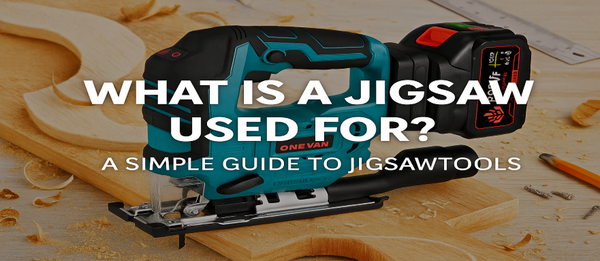
A jigsaw is a useful tool for cutting detailed shapes in furniture pieces. Picking the right one helps you make smooth and accurate cuts.
Not all jigsaws are the same. You need to think about the type, blade, power, and speed before buying or using one.
Types Of Jigsaws
There are two main types of jigsaws: corded and cordless. Corded jigsaws run on electricity and offer constant power. Cordless jigsaws use batteries and provide more freedom of movement.
Orbital jigsaws move the blade in a slight forward and backward motion. This speeds up cutting but can reduce control. Straight stroke jigsaws move the blade only up and down. This gives better precision for detailed work.
- Corded: consistent power, best for long jobs
- Cordless: portable, good for quick cuts
- Orbital action: faster cuts, less control
- Straight stroke: slower, more precise cuts
Blade Selection For Detail Work
Choosing the right blade is key for detailed furniture cuts. Blades differ in size, teeth per inch (TPI), and shape. Thin blades with high TPI cut curves and fine details better.
For wood furniture, use a fine-toothed blade made for wood. Metal blades work for cutting metal parts. A narrow blade helps make sharp turns without splintering the wood.
- Thin blades for curves and detail
- High TPI blades for smooth cuts
- Wood blades have larger teeth
- Metal blades have smaller teeth
Power And Speed Considerations
Power affects how easily the jigsaw cuts thick or hard wood. More power means less struggle and cleaner cuts. Speed controls how fast the blade moves up and down.
Variable speed jigsaws let you adjust the blade speed. Slow speed works better for detailed cuts. Fast speed helps with straight, quick cuts but can cause rough edges.
- Higher power for thick materials
- Lower power for thin or soft wood
- Variable speed for control
- Slower speed improves precision

Credit: www.yahoo.com
Preparing Your Workspace
Setting up your workspace is important before using a jigsaw. A good workspace helps you make clean and safe cuts on furniture.
Organize your tools and clear the area. This way, you can focus on detailed cuts without distractions.
Securing The Furniture Piece
Hold the furniture piece firmly to prevent movement while cutting. This keeps your cuts precise and safe.
- Place the piece on a flat, stable surface.
- Use clamps to hold the piece tight.
- Check that the piece does not wobble before cutting.
- Remove any loose parts that may shift during cutting.
Ensuring Proper Lighting
Good lighting helps you see the cut lines clearly. Dim light can cause mistakes or accidents.
| Lighting Type | Best Use |
| Natural Light | Daytime work near windows |
| Overhead Light | General workspace lighting |
| Task Light | Focused light on cut area |
Safety Gear Essentials
Wear safety gear to protect yourself from dust, noise, and sharp edges.
- Safety glasses to protect your eyes.
- Hearing protection like earplugs or earmuffs.
- Dust mask to avoid breathing sawdust.
- Gloves to protect your hands.
Marking And Planning Cuts
Using a jigsaw for detailed furniture cuts needs careful marking and planning. Clear marks help guide the blade for clean and accurate cuts.
Taking time to plan your cuts reduces mistakes and ensures the final piece fits perfectly.
Using Templates And Stencils
Templates and stencils give you a clear shape to follow. They save time and help keep cuts uniform across many pieces.
You can make templates from cardboard or thin wood to trace onto your workpiece before cutting.
- Secure the template firmly to the wood
- Trace around it with a pencil or marking tool
- Double-check the traced lines before cutting
Drawing Precise Cut Lines
Clear and precise cut lines guide your jigsaw blade exactly where to go. Use a sharp pencil or fine marker for best results.
Check your lines with a ruler or square tool to ensure they are straight and accurate.
- Mark the cut line on the wood surface visible during cutting
- Use a ruler to keep lines straight on straight cuts
- For curves, draw smooth, continuous lines without breaks
Planning Cut Paths For Accuracy
Think about the path your jigsaw blade will follow before you start. Planning helps you avoid mistakes and rough edges.
Plan cuts so you can hold the wood securely and move the jigsaw smoothly along the line.
- Identify tight spots or sharp curves to cut slowly
- Start cuts from edges or drilled holes for inside cuts
- Keep the wood clamped down to prevent movement
- Follow the marked line steadily without forcing the blade
Mastering Cutting Techniques
Using a jigsaw for detailed furniture cuts takes practice and care. It helps to learn how to control the tool well. This guide covers key techniques to improve your cutting skills.
Good cutting techniques make your work cleaner and safer. Focus on starting cuts smoothly, controlling curves, and adjusting speed for materials.
Starting A Cut Smoothly
Begin your cut by placing the jigsaw blade just outside the cutting line. Turn on the tool before it touches the wood. This prevents splintering and rough edges.
Hold the jigsaw firmly and guide it slowly into the material. Keep your hand steady to avoid sudden movements.
Maintaining Control On Curves
Cutting curves requires steady hands and patience. Use a blade designed for curves with fine teeth. This gives more control and a cleaner edge.
Move the jigsaw slowly around the curve. Keep your body and wrist relaxed to follow the line smoothly without forcing the tool.
- Use a narrow blade for tight curves
- Keep the base plate flat on the surface
- Let the blade do the cutting, not pressure from your hand
Adjusting Speed For Different Materials
Different materials need different cutting speeds. Softer wood needs a faster speed. Hardwoods and laminates require slower speed to avoid burning or chipping.
Check your jigsaw settings and choose the right speed for the material. Test on scrap wood to see how the blade cuts before starting your project.
- Softwood: higher speed for smooth cuts
- Hardwood: slower speed to avoid damage
- Laminates: slow speed to prevent chipping
- Metal: very slow speed and special blade
Handling Common Challenges
Using a jigsaw for detailed furniture cuts can be tricky. Some common problems can affect your cut quality.
Knowing how to handle these challenges helps you get clean, precise cuts every time.
Avoiding Tear-out
Tear-out happens when wood fibers splinter around the cut edges. This can ruin the look of your furniture.
To avoid tear-out, use painter’s tape on your cut line. Cut slowly and keep the blade sharp.
- Apply painter’s tape over the cut area
- Use a fine-tooth blade for smoother cuts
- Cut with the finished side facing down
- Keep the blade sharp and replace dull blades
- Make slow, steady cuts without forcing the blade
Reducing Blade Drift
Blade drift causes your cut line to curve away from the mark. It affects accuracy and fit of parts.
Choose a narrow blade for tight control. Guide the jigsaw carefully and avoid pushing too hard.
- Select blades designed for straight cuts
- Hold the jigsaw firmly but do not force it
- Follow the cut line slowly and steadily
- Use a guide or fence for long straight cuts
- Check blade tension and replace worn blades
Managing Tight Corners And Intricate Details
Tight corners and small details need careful handling. The jigsaw blade must turn without breaking the cut line.
Use a narrow blade with a small radius. Start cuts from inside the wood for interior shapes.
- Choose a narrow, fine-tooth blade for curves
- Drill starter holes for interior cuts
- Make relief cuts to reduce blade stress
- Turn the jigsaw slowly around corners
- Practice on scrap wood before cutting final pieces
Credit: onevantool.com
Finishing Touches
After cutting furniture pieces with a jigsaw, finishing touches are important. They improve the look and feel of your work. Proper finishing makes your cuts smooth and neat.
These final steps help protect the wood and prepare it for use. Let’s look at sanding, cleaning, and applying finishes.
Sanding Cut Edges
Sanding smooths rough edges left by the jigsaw blade. It removes splinters and makes the edge safe to touch. Use sandpaper with fine grit for best results.
Move the sandpaper along the cut edge in steady strokes. Sand evenly to keep the shape accurate. Check often to avoid sanding too much.
- Start with 120-grit sandpaper for rough edges
- Finish with 220-grit for a smooth surface
- Use a sanding block for flat edges
- Sand curves carefully by hand
Cleaning Up Cut Lines
Cut lines may have small tears or uneven spots after sawing. Clean these areas with a utility knife or fine file. This helps create a clean, sharp line.
Remove any sawdust and debris from the cuts. Use a soft brush or cloth to wipe the surface. Clean lines give your furniture a polished look.
- Trim rough spots with a sharp knife
- Use a fine file for tight corners
- Brush off sawdust before finishing
- Check edges under good light
Applying Protective Finishes
Protective finishes guard wood from damage and wear. They also enhance the wood’s color and texture. Choose finishes like varnish, oil, or wax for your furniture.
Apply finishes with a brush or cloth in thin, even coats. Let each coat dry before adding another. Follow safety instructions on the product label.
- Use polyurethane for strong protection
- Apply linseed oil for a natural look
- Wax adds shine and smoothness
- Test finishes on scrap wood first
Frequently Asked Questions
What Is The Best Jigsaw Blade For Furniture Cuts?
For detailed furniture cuts, use a fine-tooth blade. It ensures precision and clean edges. Choose a blade specifically designed for wood. This minimizes splintering and provides smoother results. Always check compatibility with your jigsaw model.
How To Prevent Wood Splintering With A Jigsaw?
To prevent splintering, use masking tape along the cut line. This helps stabilize the wood fibers. Additionally, use a sharp blade and cut slowly. Adjusting the jigsaw speed to a lower setting can also help.
How Do I Maintain Control While Cutting?
To maintain control, firmly grip the jigsaw with both hands. Ensure the base plate is flat against the wood. Use clamps to secure the material. Start cutting slowly and adjust speed as needed for precision.
Can I Use A Jigsaw For Curves?
Yes, a jigsaw is ideal for cutting curves. Use a narrow blade for tight curves. Move slowly to maintain precision. Ensure the workpiece is securely clamped to prevent movement during cutting.
Conclusion
Using a jigsaw for detailed furniture cuts takes practice and patience. Choose the right blade for your project. Always keep your hand steady and guide the tool slowly. Clean, precise cuts make your furniture look professional. Remember safety first: wear goggles and work in a clear space.
With time, your skills will improve. Enjoy creating beautiful, custom pieces with confidence.
