If you have a large garden, watering every plant can feel like a huge chore. But using a watering can the right way can make this task easier and even enjoyable.
Imagine giving your plants just the right amount of water without wasting any. You’ll discover simple tips and tricks to use a watering can effectively in your big garden. By the end, you’ll feel confident and ready to keep your garden healthy and thriving—all while saving time and effort.
Keep reading to unlock these easy watering secrets!
Credit: www.epicgardening.com
Choosing The Right Watering Can
Using a watering can in a large garden needs the right tools. Picking the best watering can helps you water plants easily and save time.
Think about the material, size, and spout type before buying. These factors affect how well the watering can works for your garden.
Material Options
Watering cans come in different materials. Each type has its own benefits and drawbacks for large gardens.
Plastic cans are light and easy to carry. Metal cans last longer but can be heavy when full.
- Plastic:Lightweight and affordable
- Galvanized steel:Durable and rust-resistant
- Copper:Stylish but often expensive
- Ceramic:Decorative, not practical for large use
Capacity Considerations
Capacity means how much water the can hold. Large gardens need bigger cans to reduce trips to refill.
Choose a size that you can carry comfortably. Too heavy cans can cause strain or spills.
- Small cans: 1-2 gallons, easy to carry but refill often
- Medium cans: 2-4 gallons, balance between size and weight
- Large cans: 5+ gallons, fewer refills but heavier
Spout Types
The spout controls how water flows from the can. Pick the right spout for your garden needs.
Long spouts reach far plants. Rose spouts spread water gently over delicate flowers.
- Long spout:Good for hard-to-reach plants
- Rose spout:Soft, even watering for seedlings and flowers
- Standard spout:Fast watering for big plants
Preparing Your Watering Can
Using a watering can properly helps your large garden stay healthy. Preparing the can is the first step to watering plants well.
Start by making sure your watering can is clean and ready. This avoids spreading diseases to your plants.
Filling Techniques
Fill your watering can with fresh water from a clean source. Avoid using water that is too cold or too hot for the plants.
- Use a hose or bucket to fill the can slowly to prevent spills.
- Fill the can to about three-quarters full to keep it easy to carry.
- Check that the spout is clear and water flows evenly.
- Fill the can near the garden to avoid carrying water long distances.
Adding Nutrients Or Fertilizers
You can add liquid fertilizers or nutrients to your watering can to feed plants as you water. Always follow the instructions on the fertilizer label.
| Nutrient | Recommended Amount | Effect on Plants |
| Liquid Nitrogen | 1 tablespoon per gallon | Promotes leaf growth |
| Liquid Phosphorus | 1 teaspoon per gallon | Supports root development |
| Liquid Potassium | 1 teaspoon per gallon | Improves flower and fruit health |
Watering Techniques For Large Gardens
Using a watering can in a large garden can be simple and effective. It helps you control how much water each plant gets.
Good watering techniques save water and keep plants healthy. Learn ways to water your garden well.
Efficient Coverage Strategies
Covering a large garden with a watering can takes time. Plan your path to avoid missing spots.
Water plants in groups based on their needs. This saves water and helps plants get what they need.
- Walk in rows to water plants evenly
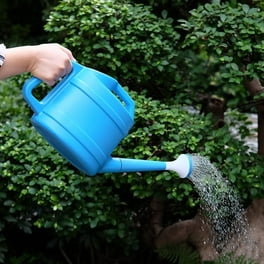
- Use a watering can with a rose nozzle for gentle flow
- Fill the can fully but not too heavy to carry
- Water early in the morning or late in the evening
Targeting Plant Roots
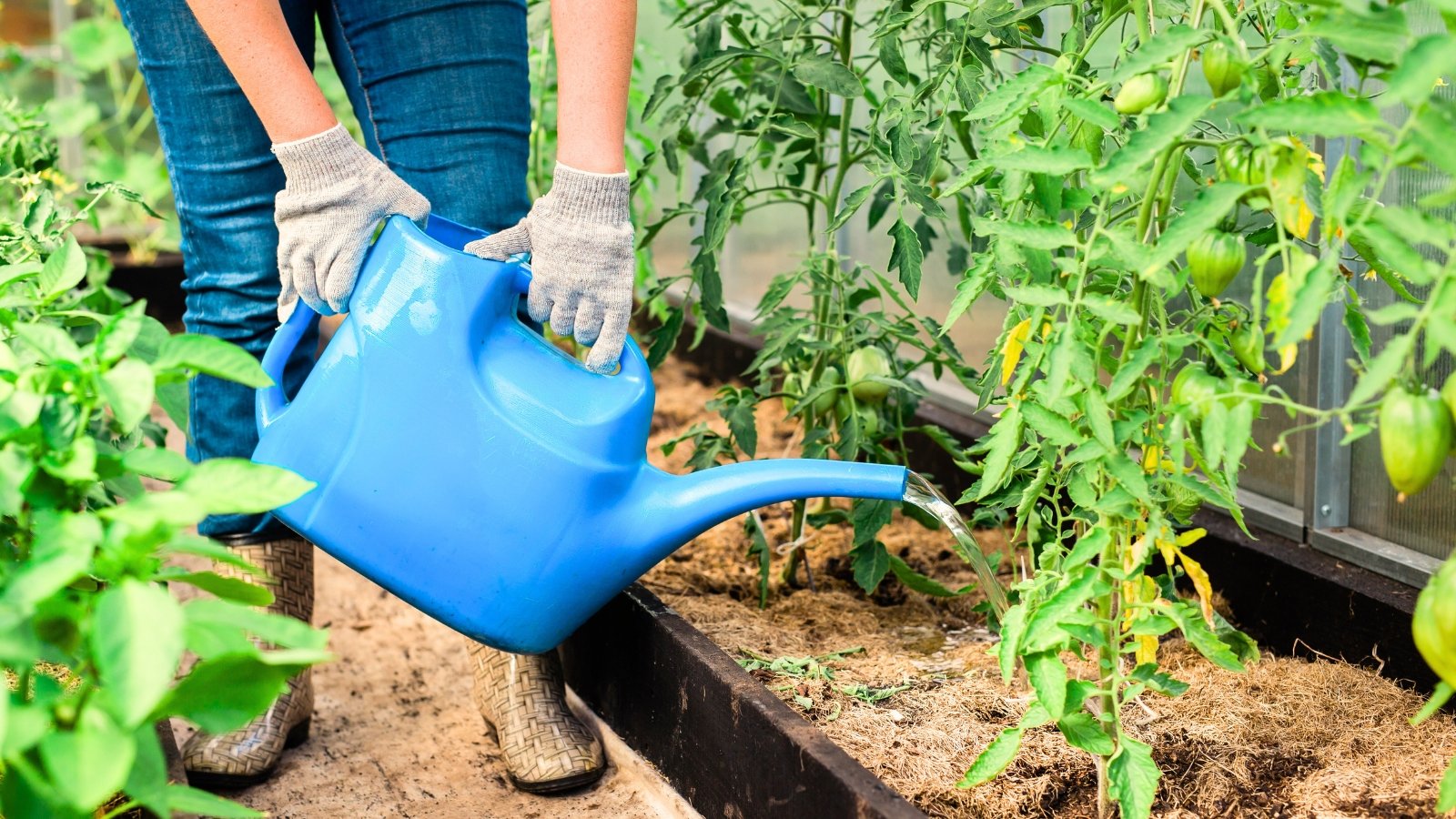
Water reaches the roots best when poured slowly at the base of each plant. Avoid watering leaves.
Roots absorb water better than leaves. This keeps plants strong and reduces disease risk.
- Pour water near the soil surface
- Water each plant for a few seconds
- Use a spout to direct water to roots
- Avoid splashing water on leaves
Avoiding Overwatering
Too much water can harm plants and waste resources. Check soil moisture before watering.
Water only when soil feels dry about an inch deep. This helps plants grow healthy roots.
- Test soil with your finger before watering
- Skip watering if soil is still moist
- Water deeply but less often
- Use mulch to keep soil moist longer
Credit: www.walmart.com
Maintaining Your Watering Can
Keeping your watering can clean and stored properly helps it last longer. Regular care prevents clogs and damage.
Good maintenance makes watering your large garden easier and more efficient every time.
Cleaning Tips
Clean your watering can after each use. This stops dirt and algae from building up inside.
- Empty all water from the can to avoid mold.
- Rinse the can with clean water, inside and out.
- Use a brush to scrub the spout and inside if needed.
- For tough stains, mix water with a little vinegar and scrub gently.
- Let the watering can dry completely before storing.
Storage Best Practices
Store your watering can in a dry, cool place to avoid rust and damage. Keep it off the ground if possible.
| Storage Tip | Reason |
| Keep indoors or in a shed | Protect from weather damage |
| Store upside down | Prevent water from collecting inside |
| Place on a shelf or hook | Avoid contact with dirt and pests |
| Check regularly for leaks | Fix early to avoid wasting water |
Alternative Tools For Large Gardens
Using a watering can in large gardens can be tiring and slow. Many gardeners choose other tools to save time and water. These tools help cover bigger areas efficiently.
Below are two popular alternatives to watering cans that work well in large gardens. Each tool has different features to suit your garden’s needs.
Hose Attachments
Hose attachments make watering large gardens easier by connecting to a garden hose. They come in many types to control water flow and coverage.
- Spray Nozzles:Adjustable heads that let you change spray patterns from mist to jet.
- Soaker Hoses:Porous hoses that water plants slowly along the length of the hose.
- Sprinkler Attachments:Devices that rotate or spray water over wide areas automatically.
- Trigger Sprayers:Handheld controls that let you water specific plants with ease.
These attachments reduce the effort needed to water and help save water by targeting plants better.
Drip Irrigation Systems
Drip irrigation slowly delivers water directly to plant roots. This method saves water and helps plants grow stronger.
| Feature | Description | Benefit |
| Emitters | Small devices that release water drop by drop | Reduces water waste |
| Tubing | Flexible pipes that carry water to plants | Covers large areas easily |
| Timers | Automatic systems to control watering times | Saves time and ensures regular watering |
| Filters | Keep water clean to prevent clogging | Maintains system efficiency |
Drip irrigation works well for vegetable gardens, flower beds, and shrubs. It reduces weeds by watering only where plants grow.
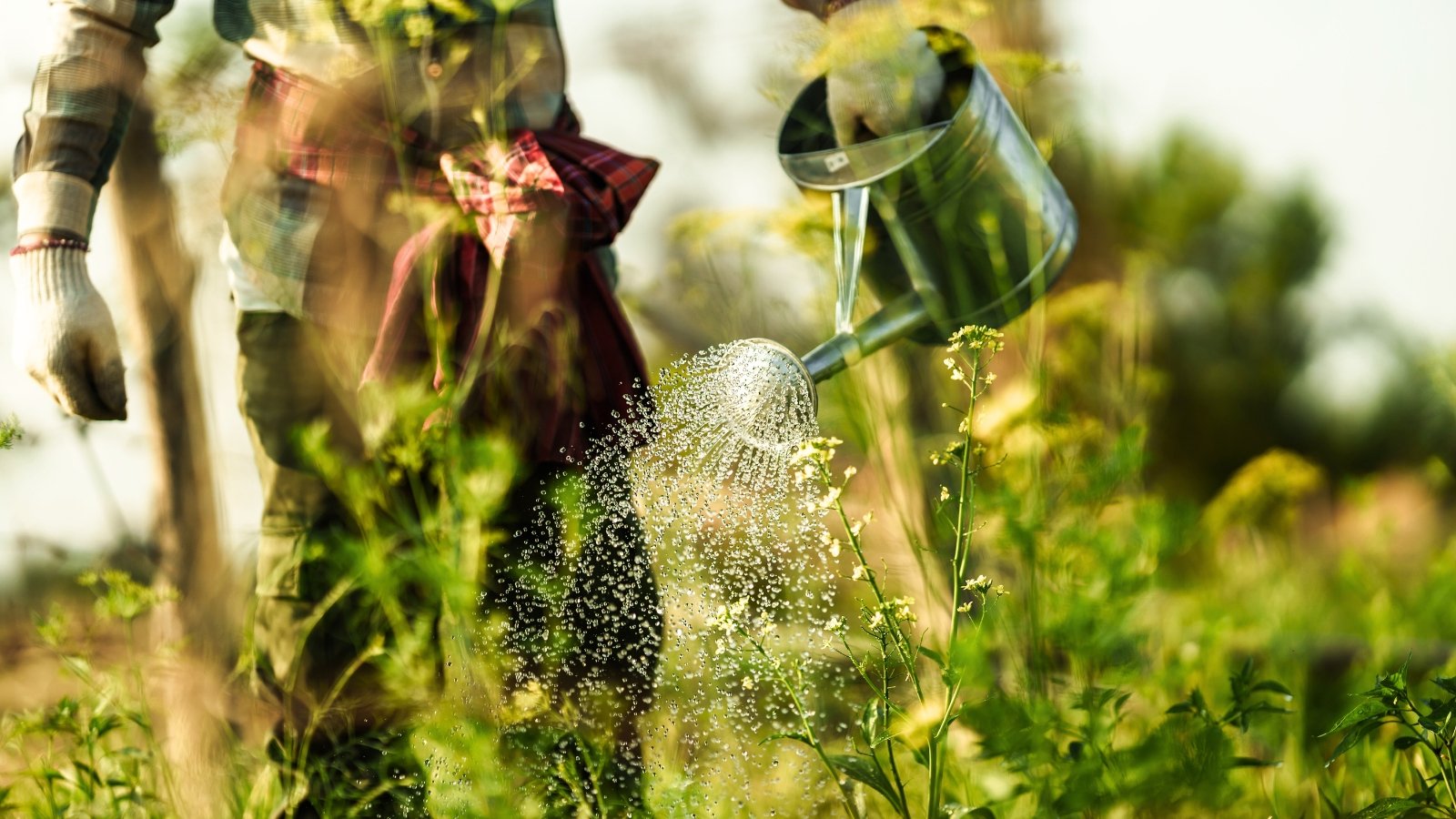
Credit: www.epicgardening.com
Frequently Asked Questions
How Do I Choose The Right Watering Can?
Selecting the right watering can depends on your garden size and plant types. For large gardens, opt for a can with a capacity of 2 to 3 gallons. Ensure it has a long spout for easy reach and a detachable rose for adjustable water flow.
What Is The Best Time To Water My Garden?
The best time to water your garden is early morning or late afternoon. Watering during these times reduces evaporation, ensuring plants absorb more moisture. Avoid watering at night to prevent fungal diseases. Consistent watering during these times keeps your large garden healthy and thriving.
How Often Should I Water Large Gardens?
Watering frequency depends on climate, soil type, and plant needs. Generally, water deeply once a week to encourage deep root growth. Adjust frequency during hot, dry spells. Check soil moisture regularly to ensure optimal watering, preventing overwatering or underwatering your large garden.
Can I Use A Watering Can For Fertilizers?
Yes, you can use a watering can to apply liquid fertilizers. Mix the fertilizer according to instructions, ensuring even distribution. Use a can with a detachable rose to control flow. This method allows for precise application, ensuring your large garden receives essential nutrients efficiently.
Conclusion
Using a watering can in large gardens saves water and helps plants grow well. Choose the right size can to avoid extra weight. Water plants at their base to keep leaves dry and healthy. Take your time to cover all areas evenly.
Regular watering keeps your garden green and strong. With care and patience, your garden will thrive beautifully. Simple steps make a big difference in garden care. Enjoy watching your plants grow with each watering session.