Are you sure your high-visibility safety vest is doing its job? Wearing it the right way can make the difference between being seen and staying safe.
This guide will show you exactly how to wear your safety vest correctly, so you stand out clearly in any environment. Keep reading, and you’ll discover simple tips that could protect your life. Don’t leave your safety to chance—learn the right way now.

Credit: www.jupmode.com
Importance Of High-visibility Vests
High-visibility safety vests help workers stay visible in low light. They use bright colors and reflective strips to catch attention.
Wearing these vests correctly reduces accidents and improves safety. Many workplaces require them for certain jobs.
Safety Benefits
High-visibility vests make workers easy to see. This lowers the chance of accidents involving vehicles or machines.
The reflective strips shine in the dark, showing workers’ positions clearly. This helps drivers and coworkers react quickly.
- Improves visibility in daylight and darkness
- Reduces risk of being hit by vehicles
- Helps coworkers spot each other easily
- Increases overall workplace safety
Workplace Requirements
Many jobs require high-visibility vests by law or company rules. Workers must wear them to meet safety standards.
Employers must provide the right vests and ensure they fit well. Vests should be clean and not damaged to work properly.
- Follow local safety regulations
- Wear the correct vest type for the job
- Keep vests clean and in good condition
- Replace vests if they lose reflectivity
Choosing The Right Vest
High-visibility safety vests help keep workers safe in busy areas. Choosing the right vest is very important. It can make you more visible and comfortable during work.
Picking the correct vest depends on its material, size, and if it meets safety rules. These factors affect how well the vest works to protect you.
Material And Reflectivity
Look for vests made from lightweight and breathable materials. These keep you cool and comfortable during long hours. Polyester is a common and good choice.
Reflective strips are key for visibility in low light. The more reflective the vest, the easier it is for others to see you. Make sure the strips cover the front and back well.
- Choose polyester or mesh fabric
- Check for bright colors like neon yellow or orange
- Ensure reflective tape covers front and back
Size And Fit
Your vest should fit comfortably over your clothes. It should not be too tight or too loose. A good fit helps you move freely and keeps the vest in place.
Look at size charts before buying. Try the vest on if possible. Check that the vest covers your torso well and the reflective parts are visible.
- Choose a size that fits over your clothing
- Check that the vest covers your chest and back
- Avoid vests that restrict movement
Compliance Standards
Safety vests must meet certain rules to protect workers. Look for vests that follow recognized standards. These standards ensure the vest is bright and reflective enough.
Common standards include ANSI and EN. Check the vest label or description for these marks. Wearing a compliant vest helps you stay safe and avoid penalties.
- Look for ANSI/ISEA 107 certification in the US
- Check for EN ISO 20471 certification in Europe
- Choose vests suitable for your work environment
Proper Wearing Techniques
Wearing high-visibility safety vests correctly keeps workers safe. It helps others see you clearly.
Follow the right steps to wear your vest well. This guide covers key tips to keep you visible and secure.
Correct Positioning
Place the vest over your outer clothing. It should cover your torso fully from shoulders to waist.
Make sure the reflective strips face outward and are not blocked by other gear.
Securing The Vest
- Fasten all Velcro or zipper closures tightly to prevent the vest from shifting.
- Adjust the vest straps or sides for a snug fit without restricting movement.
- Check that the vest does not flap in the wind, which can reduce visibility.
Avoiding Common Mistakes
| Mistake | Why It’s a Problem | How to Fix |
|---|---|---|
| Wearing the vest under a jacket | Blocks reflective strips | Wear vest on top of all clothes |
| Leaving vest open or unfastened | Reduces visibility and can catch on objects | Always close all fasteners |
| Using a dirty or faded vest | Reflective material loses brightness | Replace vest if it is worn out |
| Wearing the wrong size | Too loose or tight reduces comfort and safety | Choose a vest that fits well |
Credit: www.hi-viz.com
Maintenance And Care
High-visibility safety vests need regular care to keep their bright colors and reflective strips effective. Proper maintenance helps ensure safety at all times.
Follow simple cleaning and storage steps to make your safety vest last longer and work well.
Cleaning Tips
Clean your safety vest carefully to protect the reflective material. Hand wash or use a gentle cycle in cold water.
Avoid bleach, fabric softeners, and strong detergents. These can damage the vest’s visibility features.
- Use mild soap or detergent
- Do not use bleach or fabric softeners
- Wash in cold water only
- Air dry; avoid direct sunlight or heat
- Do not iron or dry clean
Storage Guidelines
Store your safety vest in a cool, dry place away from sunlight. This keeps the colors bright and the materials strong.
Do not fold the vest tightly or place heavy items on top. This can cause creases or damage to the reflective strips.
- Keep away from direct sunlight
- Store in a dry area to prevent mold
- Hang or lay flat without folding tightly
- Avoid heavy pressure on the vest
When To Replace
Replace your safety vest if it loses color or the reflective tape is damaged. Worn vests lower your visibility and safety.
Check your vest before each use. Look for tears, stains, or fading that reduce its effectiveness.
- Replace if colors fade or dull
- Replace if reflective strips peel or crack
- Replace if fabric tears or frays
- Replace if the vest no longer fits properly
Additional Safety Gear
High-visibility safety vests help workers stay visible. Using extra safety gear adds more protection. This guide explains useful gear to wear with your vest.
Choosing the right equipment can keep you safe in many work conditions. Learn about important items that complement your vest.
Complementary Equipment
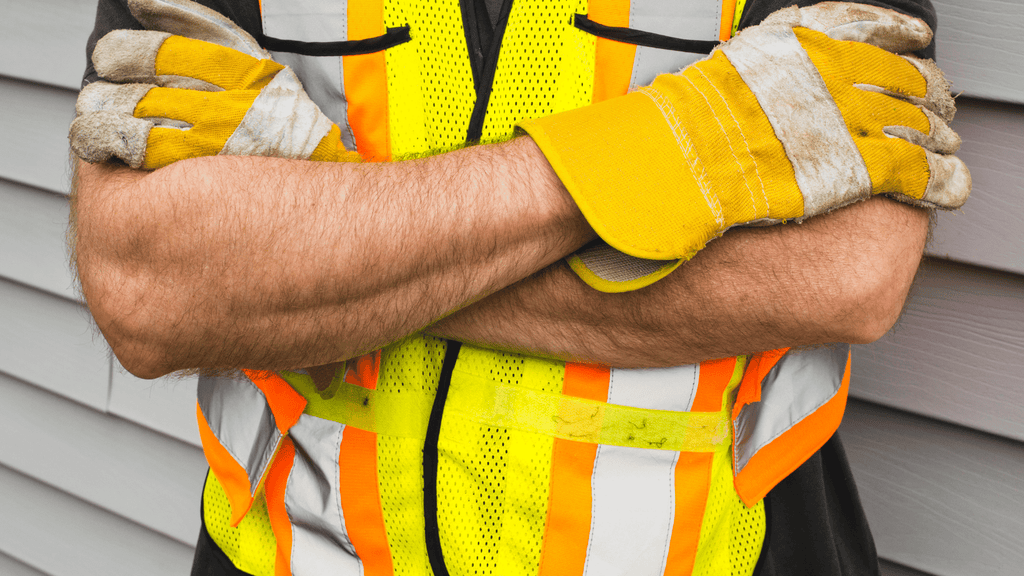
Safety vests work best with other gear like helmets and gloves. These items protect your head, hands, and eyes on the job.
Reflective tape on helmets and gloves increases visibility. Use ear protection in noisy areas. Proper boots protect your feet from injury.
- Hard hats with reflective strips
- Protective gloves with bright colors
- Safety goggles or glasses
- Earplugs or earmuffs
- Steel-toe boots
Layering For Weather Conditions
Wear layers under your safety vest to stay comfortable. Choose clothes that fit well and keep you warm or cool.
In cold weather, wear thermal shirts or jackets under your vest. In hot weather, pick lightweight, breathable shirts. Avoid bulky layers that hide the vest.
- Cold weather: thermal base layers, insulated jackets
- Hot weather: moisture-wicking shirts, lightweight fabrics
- Rainy weather: waterproof shells with reflective strips
- Avoid thick coats that cover the vest’s visibility
Tips For Different Work Environments
Wearing high-visibility safety vests helps workers stay visible and safe. Different jobs need different ways to wear these vests.
Here are tips for wearing safety vests in common work settings. Follow these to stay protected while working.
Construction Sites
Construction sites have many moving machines and workers. Your safety vest should be clean and bright for best visibility.
Wear your vest over your jacket or shirt. Make sure it fits well and does not block your movement.
- Check vest for dirt or damage before each shift
- Use vests with reflective strips for night work
- Choose vests that fit over your gear comfortably
- Replace vests if they fade or tear
Roadside Work
Roadside workers face fast traffic and low light. High-visibility vests must be very bright and reflective.
Wear the vest fully zipped or fastened. Do not cover it with heavy jackets that hide the vest’s color.
- Pick vests with fluorescent colors like orange or yellow
- Use vests with wide reflective bands around chest and waist
- Wear vests at all times near traffic
- Keep vests clean for maximum reflectivity
Warehouse Settings
Warehouses have forklifts and fast workers. High-visibility vests help drivers see pedestrians.
Wear vests that fit close to the body to avoid getting caught on racks or machines.
- Choose lightweight vests for indoor use
- Wear vests that allow free arm movement
- Keep vests zipped or fastened
- Inspect vests for damage regularly

Credit: www.envirosafetyproducts.com
Frequently Asked Questions
What Is A High-visibility Safety Vest?
A high-visibility safety vest is clothing designed to make the wearer visible. It is essential for workers in low-light environments. The vest typically features bright colors and reflective strips. It’s used in construction, road work, and emergency response situations.
Why Are Safety Vests Important?
Safety vests enhance visibility, reducing the risk of accidents. They help drivers and machinery operators see workers from a distance. This is crucial in low-light conditions or busy environments. Wearing a safety vest is often a legal requirement for certain jobs.
How Do I Choose The Right Safety Vest?
Choose a vest based on your work environment and conditions. Consider the vest’s color, reflective material, and fit. Make sure it complies with industry safety standards. Comfort and durability are also important factors when selecting a vest.
When Should I Wear A Safety Vest?
Wear a safety vest in low-light or high-traffic areas. It’s essential during construction, road work, or emergency situations. Anytime visibility is crucial, a safety vest should be worn. Consult workplace guidelines for specific requirements.
Conclusion
Wearing high-visibility safety vests helps keep workers safe. Always choose the right size for comfort and protection. Make sure the vest is clean and bright. Wear it over your clothes for best visibility. Check the vest regularly for damage or wear.
Stay visible to others, especially in low light. Safety vests are simple but very important gear. Following these tips helps prevent accidents and injuries. Stay safe and stay seen every time you work.