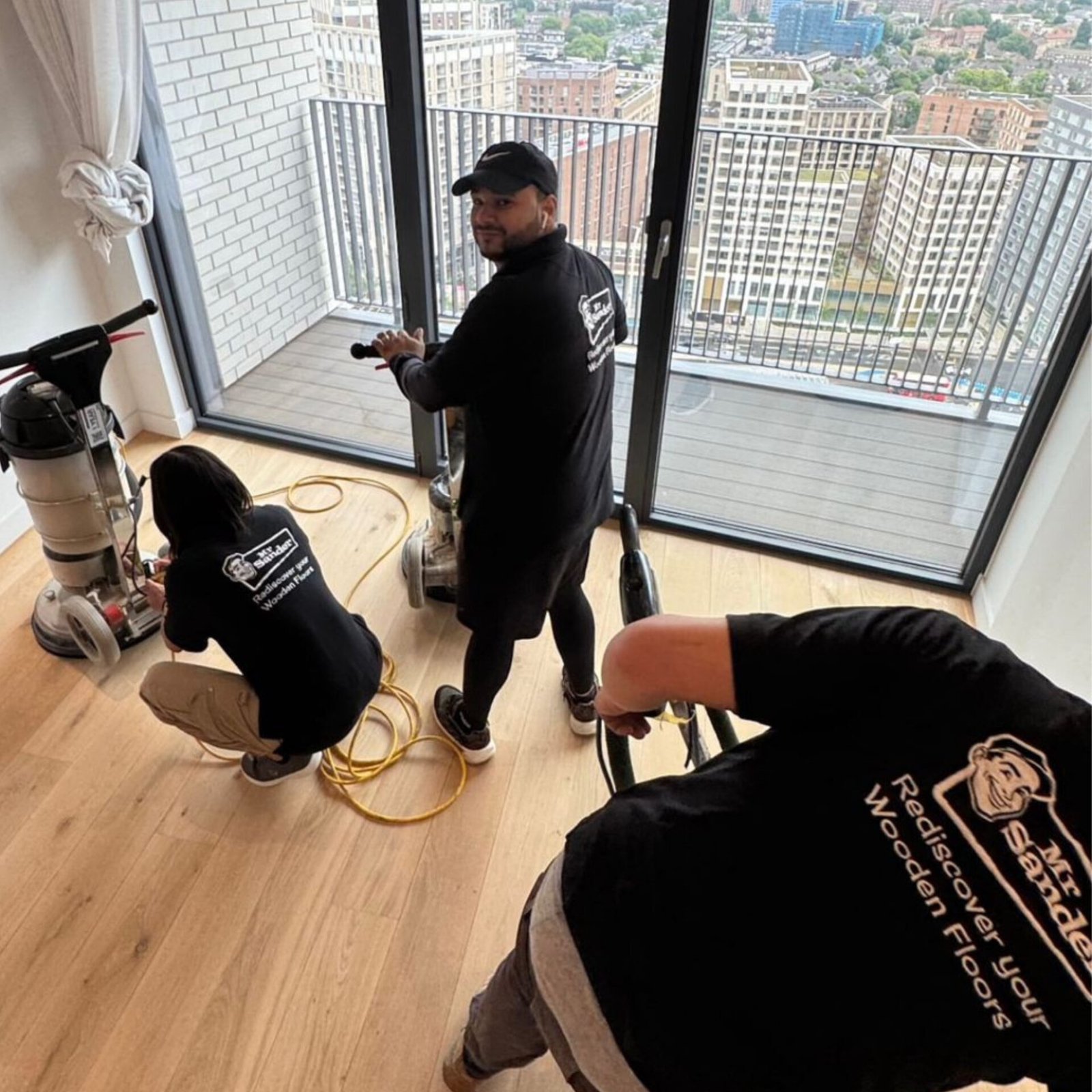
If you’re sanding floors, you know how hard it is on your knees. Using knee pads can make a huge difference, but only if you use them the right way.
Imagine working comfortably for hours without pain or strain—that’s exactly what good knee pad tips can help you achieve. You’ll discover simple yet powerful ways to protect your knees, boost your comfort, and get the job done faster. Keep reading to make your floor sanding experience safer and easier than ever before.
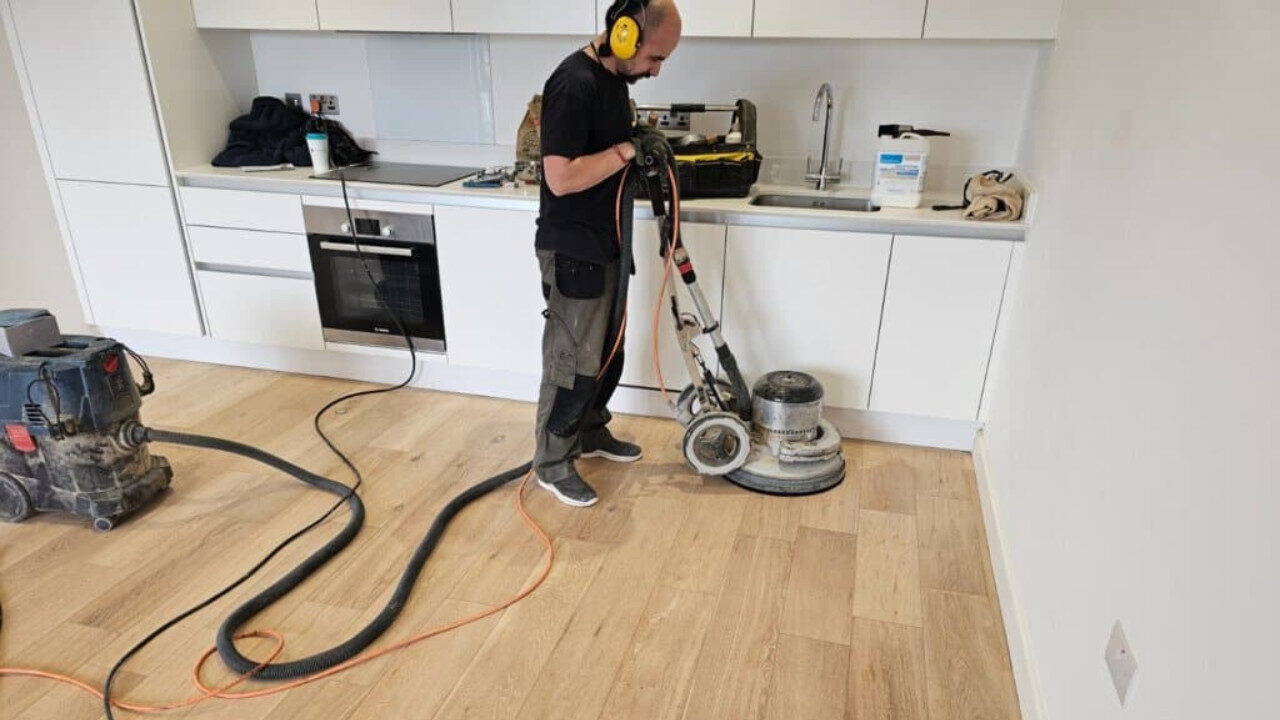
Credit: mrsander.co.uk
Choosing The Right Knee Pads
Knee pads protect your knees during floor sanding work. Picking the right ones keeps you comfortable and safe.
Good knee pads reduce pain and help you work longer without injury. Look at material, size, and adjustability.
Material Types And Benefits
Knee pads come in many materials. Each type offers unique comfort and protection for sanding floors.
- Gel:Soft and molds to your knees for extra comfort.
- Foam:Lightweight and provides good cushion.
- Hard plastic:Offers strong protection against sharp edges.
- Rubber:Gives grip and prevents slipping on smooth floors.
Size And Fit Considerations
Choosing the right size helps knee pads stay in place. Too loose or tight pads cause discomfort.
Measure around your knee and check size charts. Pads should fit snug but not pinch your skin.
- Measure knee circumference before buying
- Look for padding that covers the kneecap fully
- Try pads on to check comfort and mobility
Adjustable Features
Adjustable straps help customize knee pad fit. They keep the pads secure during sanding work.
Look for Velcro or buckle straps that are easy to tighten or loosen. This lets you adjust for long work sessions.
- Elastic straps add flexibility and comfort
- Velcro straps allow quick adjustments
- Buckle straps offer firm hold and security
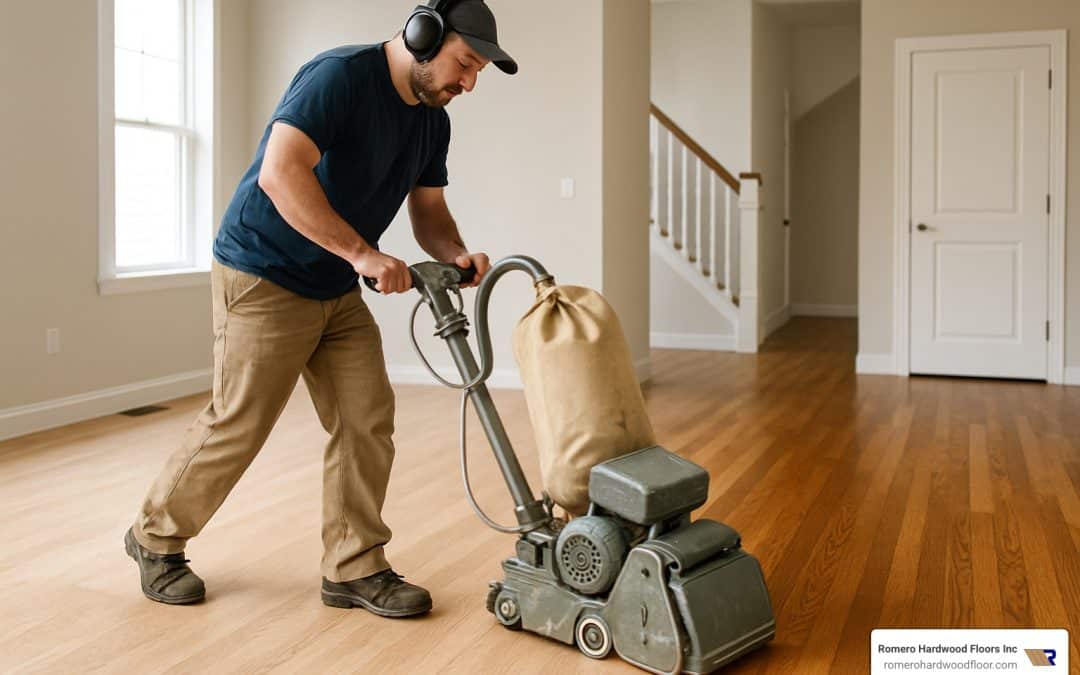
Credit: romerohardwoodfloor.com
Preparing For Floor Sanding
Floor sanding can be tough on your knees. Using knee pads helps protect you during the work. It is important to prepare well before starting the sanding process.
Proper preparation includes checking your knee pads, cleaning them, and wearing the right clothes. These steps make your work safer and more comfortable.
Inspecting Knee Pads For Damage
Check your knee pads for cracks, tears, or worn-out areas. Damaged pads may not protect your knees well. Look at the straps and fasteners to ensure they work properly.
- Examine the outer shell for cracks
- Feel the padding for firmness
- Test the straps for tightness and elasticity
- Look for missing or broken parts
- Replace pads if they show serious damage
Cleaning And Maintenance Tips
Keep your knee pads clean to extend their life. Dirt and sweat can cause damage or odors. Clean them regularly using mild soap and water.
| Cleaning Step | Details |
|---|---|
| Remove Straps | Detach straps if possible before cleaning |
| Wash Pads | Use a soft cloth with mild soap and warm water |
| Rinse | Remove all soap with clean water |
| Dry | Air dry completely before using again |
| Inspect | Check for new damage during cleaning |
Wearing Appropriate Clothing
Wear clothes that protect your skin and fit well with your knee pads. Loose clothes can catch on tools or sanding machines. Choose pants made of durable fabric.
- Wear long pants to cover your legs
- Choose pants with reinforced knees if possible
- Avoid loose or baggy clothing
- Wear sturdy shoes with good grip
- Consider knee pads that fit over or under pants
Proper Knee Pad Placement
Knee pads protect your knees during floor sanding. Placing them correctly helps prevent pain and injury. This guide covers key tips for proper placement.
Follow these simple steps to keep your knees safe and comfortable throughout your sanding work.
Positioning For Maximum Protection
Place the knee pads so they cover the kneecap fully. Ensure the padding sits on the soft area around your knee. Avoid placing the pads too high or low to keep your knees stable.
- Center the pad over your kneecap
- Check that the padding extends beyond the sides of your knee
- Adjust the pads to avoid slipping during movement
Securing Straps Correctly
Straps keep your knee pads in place. Tighten the straps enough to hold the pads firmly but not so tight they cut off circulation. Make sure the straps do not twist or fold under pressure.
| Strap Position | Tip |
| Top Strap | Wrap above the knee, snug but comfortable |
| Bottom Strap | Secure below the knee, avoid loose ends |
| Buckle or Velcro | Check for secure fastening before work |
Avoiding Pressure Points
Pressure points cause pain and skin damage. Avoid tight spots by adjusting padding and straps. Use extra cushioning if needed to spread pressure evenly.
- Shift pads slightly if you feel discomfort
- Check your knees often during sanding
- Replace knee pads if padding wears thin
Enhancing Comfort During Use
Knee pads help protect your knees during floor sanding. Comfort is key to work longer and better.
Using the right techniques can make knee pads more comfortable. This helps reduce pain and fatigue.
Using Cushioning Inserts
Cushioning inserts add extra padding inside knee pads. They soften the pressure on your knees.
Choose inserts made from gel or foam for better shock absorption. Replace them if they get flat or worn out.
- Gel inserts mold to your knee shape
- Foam inserts provide lightweight comfort
- Check inserts regularly for wear
- Clean inserts to avoid skin irritation
Taking Breaks To Relieve Pressure
Take short breaks often while sanding floors. This helps reduce knee pain and muscle strain.
Stand up and stretch during breaks. Moving around improves blood flow and reduces stiffness.
- Stop every 30 to 45 minutes
- Stretch legs and knees gently
- Change your position during work
- Use break time to hydrate
Adjusting Pads Throughout The Job
Check your knee pads often while sanding. Adjust them to keep a snug but comfortable fit.
Loosen straps if they feel too tight. Tight pads can reduce blood flow and cause pain.
- Make sure pads cover your knees fully
- Keep straps firm but not tight
- Shift pads if they slip down
- Reposition padding for comfort
Safety Tips While Sanding
Using knee pads during floor sanding helps protect your knees. It also improves comfort while you work.
Safety is very important. Follow tips to avoid injuries and stay safe when sanding floors.
Maintaining Balance And Stability
Knee pads add cushioning but do not stop you from slipping. Keep your balance to prevent falls.
- Wear shoes with good grip to avoid slipping.
- Keep your knees and feet in a stable position.
- Move slowly and carefully when sanding near edges.
- Check your knee pads fit well and do not slide around.
Protecting Against Dust And Debris
Floor sanding creates dust that can harm your skin and lungs. Use knee pads to protect your knees from dust and debris.
| Protective Gear | Purpose |
| Knee Pads | Shield knees from rough surfaces and dust |
| Dust Mask | Prevent dust inhalation |
| Safety Glasses | Protect eyes from dust particles |
| Gloves | Keep hands safe from splinters and dust |
Combining Knee Pads With Other Gear
Knee pads work best with other safety gear. Use the right combination to reduce risks.
Here is a simple checklist to prepare for sanding safely:
- Wear knee pads that fit snugly.
- Put on a dust mask to protect your lungs.
- Use safety glasses to shield your eyes.
- Wear gloves to protect your hands.
- Choose shoes with good traction.
Aftercare For Knee Pads
Taking care of your knee pads after floor sanding keeps them safe and useful. Proper aftercare helps them last longer and stay comfortable.
Simple steps like cleaning and storing your knee pads the right way improve their performance. Knowing when to replace them also matters.
Cleaning Post-use
Remove dust and dirt from knee pads after each use. Wipe them with a damp cloth or mild soap and water. Avoid soaking to protect the padding.
Let the knee pads dry completely in fresh air before storing. Do not use direct heat or sunlight to dry them fast, as this can damage the materials.
Storage Recommendations
- Store knee pads in a cool, dry place away from sunlight.
- Keep them off the floor to prevent dirt and moisture buildup.
- Use a breathable bag or container to avoid trapping humidity.
- Do not fold or compress knee pads to keep their shape intact.
When To Replace Knee Pads
| Sign | Reason |
| Worn-out padding | Less protection and comfort |
| Torn straps or covers | Can cause slipping and injury |
| Permanent odor or stains | Hygiene and cleanliness issues |
| Reduced fit or support | Less effective during sanding |
Credit: www.ecohome.net
Frequently Asked Questions
Why Are Knee Pads Essential For Floor Sanding?
Knee pads protect your knees from strain and injury during floor sanding. They provide cushioning and support, reducing discomfort. This allows you to work longer without fatigue. Additionally, knee pads prevent abrasions and bruises, ensuring your knees remain in good condition.
Using them enhances safety and efficiency in your sanding projects.
How To Choose The Right Knee Pads?
Select knee pads with adequate cushioning and durable materials. Ensure they fit securely without slipping. Look for adjustable straps for a customizable fit. Consider the type of flooring you work on, as some knee pads are designed for specific surfaces.
Comfort and protection should be your top priorities.
Can Knee Pads Improve Sanding Efficiency?
Yes, knee pads can improve sanding efficiency. They allow you to work comfortably and continuously. Without knee pain or strain, you can maintain focus and precision. This leads to a smoother and more even sanding job. By reducing physical discomfort, knee pads help you complete tasks more quickly and effectively.
How To Maintain Knee Pads For Longevity?
To maintain knee pads, clean them regularly with mild soap and water. Allow them to dry completely before storage. Check for any signs of wear and replace them if necessary. Store them in a cool, dry place away from direct sunlight.
Proper maintenance ensures they last longer and remain effective.
Conclusion
Wearing knee pads helps protect your knees during floor sanding. They reduce pain and make work easier. Choose pads that fit well and offer good cushioning. Clean and check them before each use. Taking care of your knees allows you to work longer and safer.
Remember, comfort is key for better results. Use knee pads to keep your knees safe and pain-free. Sand floors without worry, and finish your project with ease.