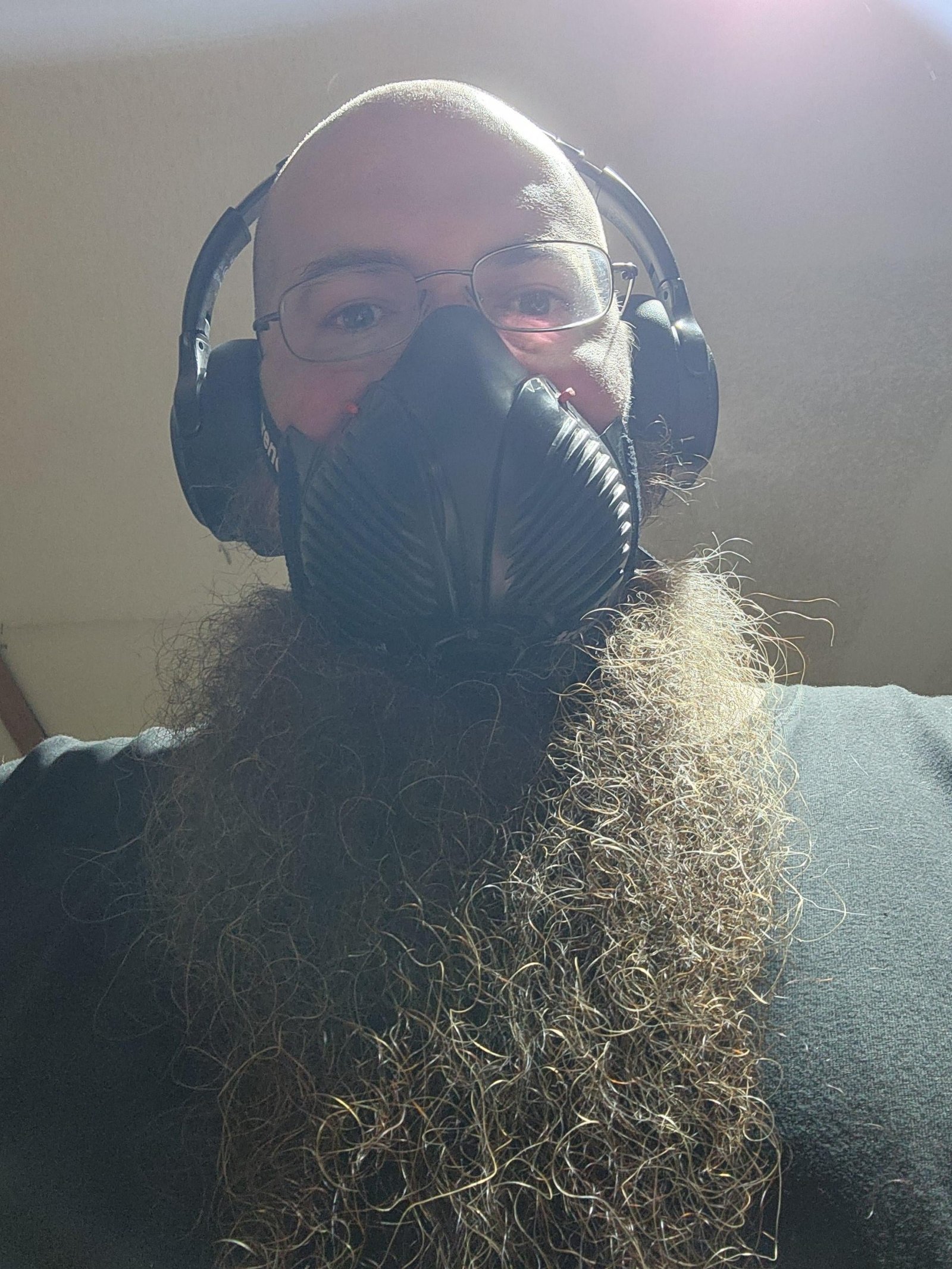
When you’re sanding, dust can quickly fill the air and make breathing difficult. If you want to protect your lungs and stay comfortable, wearing the right dust mask is key.
But not all masks work the same way, and using them incorrectly can leave you exposed. You’ll discover simple tips to choose, wear, and care for dust masks so you can keep your breathing clean and focus on your work.
Keep reading to learn how to protect yourself the smart way every time you sand.
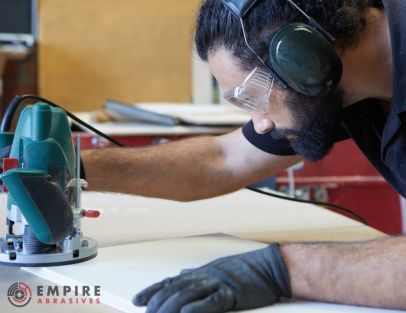
Credit: www.empireabrasives.com
Choosing The Right Dust Mask
Wearing a dust mask while sanding protects your lungs from harmful particles. Picking the right mask is important for safety and comfort. This guide helps you choose a mask that fits well and filters dust effectively.
Not all dust masks work the same. Some block small particles better than others. The right mask depends on the type of dust and how long you will wear it.
Types Of Dust Masks
There are several types of dust masks. Each offers a different level of protection. Some are disposable, and some can be reused.
- Cloth Masks:Basic protection but not good for fine dust.
- Disposable Masks:Usually made from paper or synthetic fibers. Commonly called N95 masks.
- Half-face Respirators:Have replaceable filters and offer better protection.
- Full-face Respirators:Cover eyes and face, used for heavy dust exposure.
Filter Ratings To Consider
Filter ratings show how well a mask filters out dust particles. Choose a rating that matches the dust size you face while sanding.
| Filter Rating | Protection Level | Use Case |
| N95 | Filters 95% of particles | Fine dust, general sanding |
| N99 | Filters 99% of particles | Heavy dust, fine sanding |
| P100 | Filters 99.97% of particles | Very fine dust, toxic dust |
Fit And Comfort Features
A good fit stops dust from entering around the mask edges. Comfort helps you wear the mask longer without trouble.
- Adjustable nose clips keep the mask tight.
- Elastic straps hold the mask firmly in place.
- Soft inner lining reduces skin irritation.
- Lightweight design prevents fatigue.
- Breathable materials make it easier to breathe.
Proper Mask Fit Techniques
Wearing a dust mask while sanding protects your lungs from harmful particles. A proper fit keeps dust out and makes breathing easier. This guide covers key steps to fit your mask correctly.
Fitting your mask well helps prevent dust from entering around the edges. Follow these tips to get a secure and comfortable fit every time.
Ensuring A Secure Seal
A secure seal means no gaps between your face and the mask. The mask should cover your nose and mouth completely. Make sure the edges sit flat against your skin.
Clean your face before wearing the mask. Avoid makeup, lotions, or oils that stop the mask from sticking well. Press the mask firmly to your face to create a tight seal.
Adjusting Straps Correctly
Straps hold the mask in place and help with the seal. Tighten the straps enough to keep the mask snug but not uncomfortable. Loose straps let dust in, while too tight straps cause pain.
- Place straps around your head, not just your ears
- Tighten bottom strap first, then the top one
- Adjust straps evenly on both sides
- Check comfort and adjust if needed
Checking For Air Leaks
Check for leaks by covering the mask surface and breathing out gently. If air escapes, adjust the mask or straps. Recheck until no air leaks are felt.
- Use your hands to cover the mask
- Breathe out slowly and feel for air flow
- Adjust mask edges or straps if you feel air
- Repeat the test after each adjustment
Mask Maintenance Tips
Proper care of your dust mask keeps it effective and safe. Clean and store it correctly to protect yourself while sanding.
Regular maintenance helps your mask last longer and work better. Follow these tips to keep your mask in good shape.
Cleaning Reusable Masks
Wash your reusable dust mask after each use. Use warm water and mild soap to remove dust and dirt. Avoid harsh chemicals that can damage the mask.
- Hand wash gently with soap and water
- Rinse thoroughly to remove soap residue
- Let the mask air dry completely before use
- Do not machine wash or dry unless the mask instructions allow it
When To Replace Filters
Filters block harmful dust particles. Replace them to keep your mask effective. Watch for signs that filters need changing.
| Filter Condition | When to Replace |
| Visible dirt or damage | Replace immediately |
| Difficulty breathing | Replace filter |
| After recommended usage hours | Follow manufacturer’s guide |
Storage Best Practices
Store your dust mask in a clean, dry place. Keep it away from dust and direct sunlight. Proper storage keeps the mask ready for use.
- Keep the mask in a sealed plastic bag or container
- Store in a cool, dry area
- Avoid placing heavy items on the mask
- Check the mask before use to ensure it is clean and undamaged

Credit: www.youtube.com
Additional Safety Gear
Wearing a dust mask while sanding helps protect your lungs. You also need other safety gear to stay safe.
This gear protects your eyes, ears, and skin from dust and noise. Always use the right equipment for best safety.
Eye Protection Options
Sanding creates dust and small particles that can hurt your eyes. Use eye protection to keep them safe.
Safety glasses or goggles block dust and flying debris. Pick goggles if you want full coverage around your eyes.
- Choose shatterproof lenses
- Look for anti-fog coatings
- Make sure they fit snugly
Hearing Protection
Sanding machines can make loud noises that harm your ears. Protect your hearing with earplugs or earmuffs.
Earplugs fit inside your ear canal. Earmuffs cover your whole ear. Both reduce noise and help prevent hearing loss.
- Use foam earplugs for comfort
- Pick earmuffs with noise reduction rating
- Check that protection fits well
Protective Clothing
Dust and debris from sanding can irritate your skin. Wear clothes that protect your body while you work.
Long sleeves and pants keep dust off your skin. Choose fabrics that are tough but breathable for comfort.
- Wear long-sleeved shirts and pants
- Use gloves to protect your hands
- Consider a dust-resistant apron
Comfort Strategies During Sanding
Wearing dust masks while sanding protects your lungs. It can also feel hot and tight. Comfort is important to keep working safely.
Use simple ways to stay comfortable. This helps you wear the mask longer without problems.
Managing Heat And Moisture
Dust masks can trap heat and moisture inside. This causes discomfort and makes breathing harder.
Choose masks with good ventilation. Look for ones with exhalation valves to reduce heat build-up.
- Wear masks made of breathable material
- Use masks with adjustable nose clips for better fit
- Change masks if they become wet or dirty
Taking Breaks
Take short breaks to remove your dust mask safely. This lets your face cool down and breathe fresh air.
Use breaks to stretch and relax your muscles. Do this often to avoid fatigue and discomfort.
- Find a clean, dust-free area for breaks
- Remove the mask slowly to avoid dust exposure
- Rest your eyes and hands during breaks
Hydration Tips
Drink water often to stay hydrated while sanding. Masks can make you feel thirsty more quickly.
Keep a water bottle nearby. Take small sips during your breaks to avoid dry mouth.
- Avoid sugary or caffeinated drinks that cause dehydration
- Drink water before starting your sanding work
- Stay hydrated to keep your energy and focus
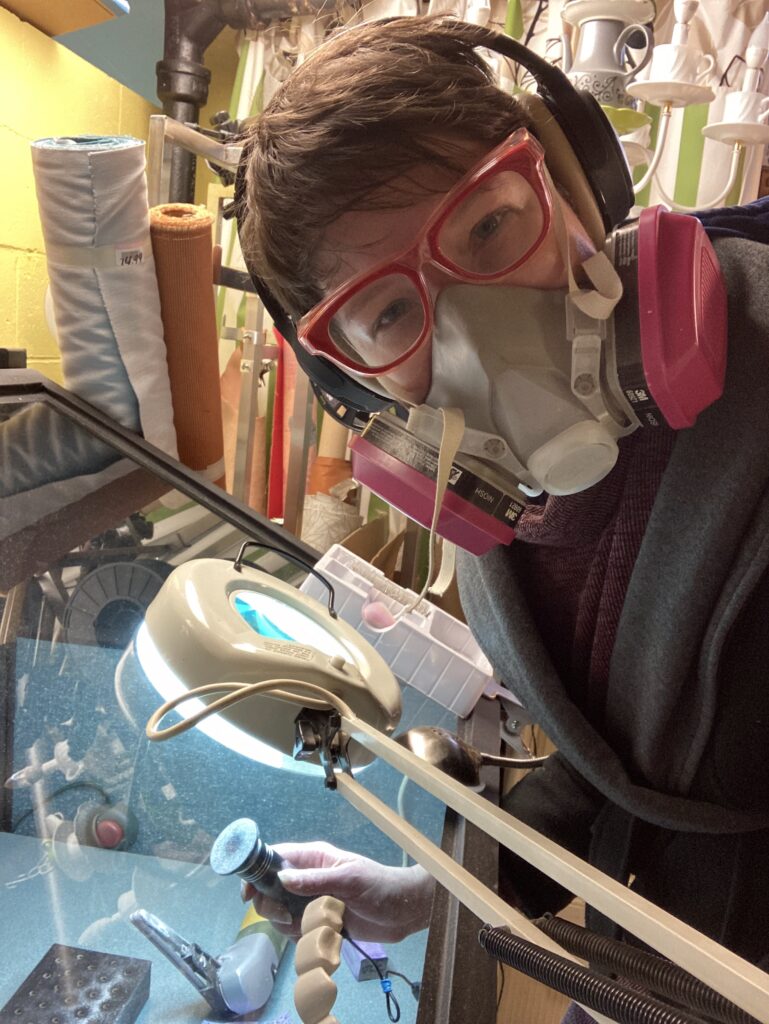
Credit: www.lapuppets.com
Common Mistakes To Avoid
Wearing a dust mask while sanding protects your lungs from harmful dust. Many people make mistakes that reduce the mask’s effectiveness. Avoid these errors to stay safe.
Simple changes in how you wear and care for your mask help keep you healthy. Learn the common mistakes to prevent problems.
Wearing Masks Incorrectly
Wearing the mask wrong makes it useless. The mask must cover your nose and mouth fully. Gaps let dust in and harm your lungs.
Many people wear the mask too loose or below the nose. This lets dust enter easily. Always check for a tight seal on your face.
- Make sure the mask fits snugly over nose and mouth
- Adjust straps to remove gaps on sides
- Do not pull the mask down to talk or breathe
- Replace masks that no longer fit well
Using The Wrong Mask Type
Not all masks protect against sanding dust. Cloth masks or surgical masks do not filter fine dust particles. Use masks made for dust protection.
Choose masks labeled N95 or higher for sanding tasks. These block 95% of harmful dust. Using the wrong mask puts your lungs at risk.
- Do not use cloth or surgical masks for sanding
- Pick N95, N99, or P100 dust masks
- Check mask labels to confirm dust protection
- Use disposable or reusable masks as needed
Neglecting Mask Care
Dirty or damaged masks do not protect well. Dust builds up inside the mask and blocks airflow. This makes breathing hard and less safe.
Clean reusable masks regularly. Throw away disposable masks after use. Store masks in clean, dry places to keep them effective.
- Clean reusable masks after each use
- Do not reuse disposable masks
- Store masks away from dirt and moisture
- Inspect masks for tears or damage before use
Frequently Asked Questions
How To Choose The Right Dust Mask For Sanding?
Selecting the right dust mask depends on the material you’re sanding. Use N95 masks for wood dust and R95 for oil-based particles. Ensure a snug fit to prevent particles from entering. Consider masks with adjustable straps for comfort. Always check for certifications like NIOSH on the mask packaging.
Can You Wear Glasses With A Dust Mask?
Yes, you can wear glasses with a dust mask. To prevent fogging, ensure a tight seal around the nose. Some masks have a nose clip to help with this. Alternatively, use anti-fog spray or wipes on your glasses. Check for masks designed specifically for glasses wearers.
How Often Should You Replace A Dust Mask?
Replace your dust mask when it becomes difficult to breathe through or visibly dirty. Single-use masks should be discarded after one use. For reusable masks, follow the manufacturer’s guidelines for cleaning and lifespan. Regularly inspect the mask for wear and tear to ensure effectiveness.
Are Dust Masks Reusable?
Some dust masks are reusable, while others are designed for single use. Reusable masks often have replaceable filters. Always follow the manufacturer’s instructions for cleaning and maintenance. Ensure filters are replaced regularly for optimal protection. Check the mask for signs of wear before each use.
Conclusion
Wearing a dust mask while sanding protects your lungs from harmful dust. Choose a mask that fits well and feels comfortable. Change the mask when it gets dirty or hard to breathe through. Always follow safety rules to stay healthy during your work.
Breathing clean air helps you work longer and feel better. Keep dust masks handy and use them every time you sand. Safety first. Your health matters most.