
If you want your drilling tasks to be accurate and clean every time, mastering the drill press is a must. You might already know that using a handheld drill can lead to mistakes or uneven holes.
But with a drill press, you gain control, stability, and precision like never before. This guide will show you exactly how to use a drill press to get perfect results, whether you’re working on wood, metal, or other materials. By the end, you’ll feel confident handling your drill press for all your projects, saving time and avoiding costly errors.
Ready to take your skills to the next level? Keep reading.
Choosing The Right Drill Press
Using a drill press helps you make exact holes in wood or metal. Picking the right drill press is key for good results.
This guide will help you choose a drill press that fits your precision work needs.
Types Of Drill Presses
There are several drill press types. Each one works best for certain jobs and materials.
- Bench Drill Press: Small and fits on a table. Good for light work.
- Floor Drill Press: Larger and stands on the floor. Ideal for heavy tasks.
- Pillar Drill Press: Similar to floor type with a tall column for stability.
- Radial Drill Press: Has an arm that moves around. Used for large workpieces.
Key Features For Precision
Look for features that improve accuracy. These help keep your work exact and safe.
- Adjustable Speed: Lets you match drill speed to material type.
- Depth Stop: Controls how deep the drill goes to avoid mistakes.
- Laser Guide: Shows where the drill will hit for better placement.
- Stable Base: Reduces vibration for cleaner holes.
- Table Tilt: Allows angling the workpiece precisely.
Selecting The Correct Size
Size matters for your projects. Choose a drill press size based on workpiece size and drill capacity.
Consider these points:
- Throat Distance: Space from the drill bit to the column. Larger pieces need bigger throat distance.
- Spindle Travel: How far the drill bit can move down. More travel means deeper holes.
- Motor Power: Higher power handles tougher materials better.
Setting Up Your Drill Press
Setting up your drill press correctly is key to precise drilling. It helps you work safely and get clean, accurate holes.
This guide covers how to secure your workpiece, adjust the table and depth, and install the right drill bit.
Securing The Workpiece
Keep your workpiece steady to avoid slips and mistakes. Use clamps or a vise to hold it firmly on the drill press table.
- Choose clamps that fit your workpiece size.
- Place the workpiece flat against the table.
- Tighten clamps securely but avoid damaging the material.
- Check the stability before starting the drill.
Adjusting The Table And Depth
Set the drill press table height and angle to suit your project. Adjust the depth stop for consistent hole depth.
| Adjustment | Purpose | How to Adjust |
| Table Height | Position workpiece near drill bit | Loosen lock, move table up or down, then lock |
| Table Angle | Drill angled holes | Loosen tilt bolts, set angle, tighten bolts |
| Depth Stop | Control hole depth | Set stop collar on quill to desired depth |
Installing The Right Drill Bit
Select a drill bit that matches your material and hole size. Installing it correctly prevents wobble and damage.
- Turn off the drill press before changing bits.
- Use the chuck key to loosen the chuck jaws.
- Insert the drill bit fully into the chuck.
- Tighten the chuck securely with the key.
- Remove the chuck key before starting the drill.
Techniques For Accurate Drilling
Using a drill press helps you drill precise holes. Accurate drilling is important for good results.
Learn simple techniques to improve your drilling accuracy. These tips help avoid mistakes and damage.
Aligning The Drill Bit
Make sure the drill bit is straight before you start. Check alignment from the side and top views.
Center the bit over the mark on your workpiece. This prevents holes that are off-center or angled.
Controlling Speed And Pressure
Use the right speed for the material you drill. Slow speeds work well for metal, faster speeds for wood.
Apply steady pressure, not too hard or soft. Let the drill do the work to avoid bending the bit.
- Start drilling slowly to make a guide hole
- Increase speed once the bit is steady
- Keep pressure firm but controlled
- Stop if the bit overheats or binds
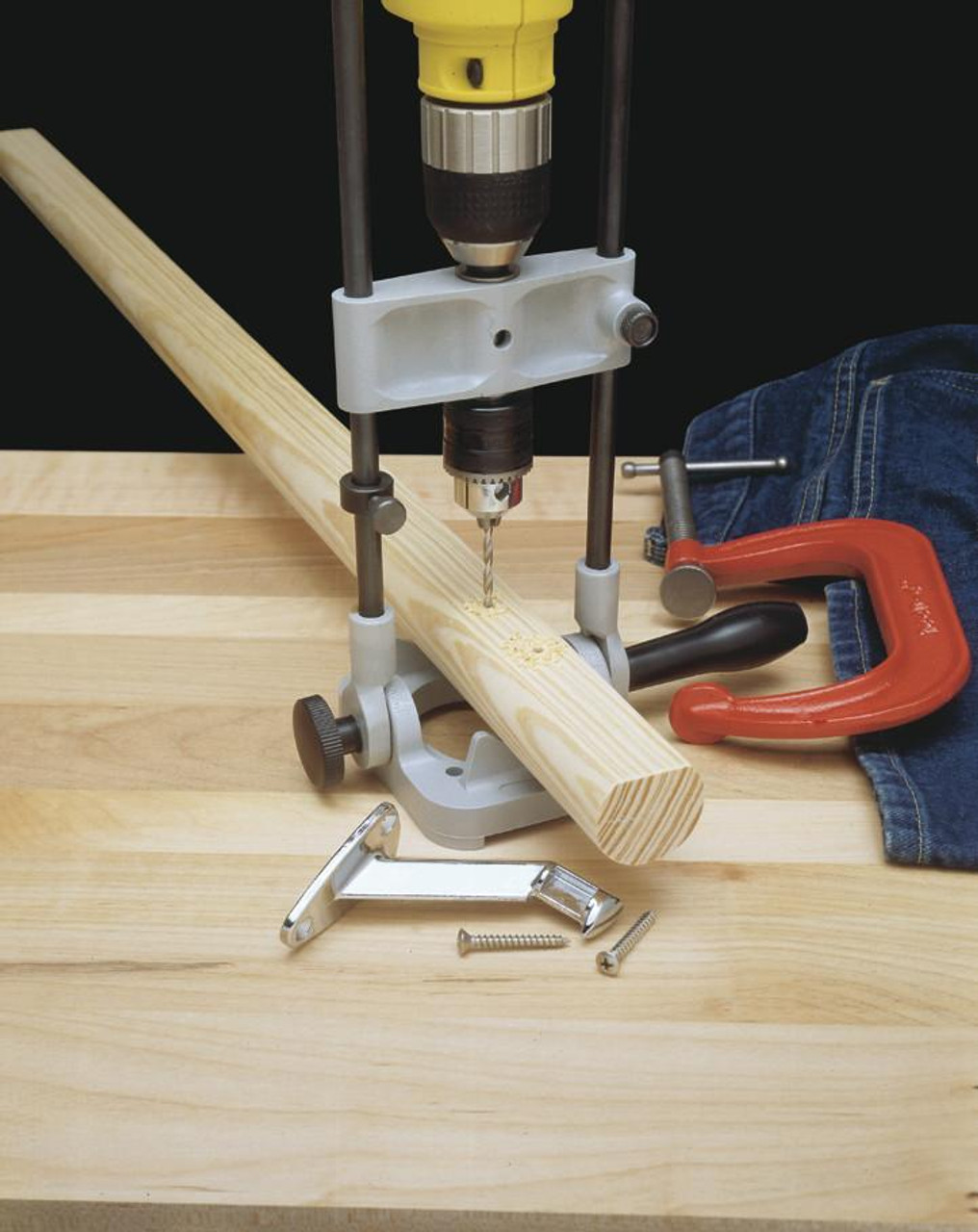
Using Jigs And Clamps
Use jigs to hold your workpiece in place. This helps repeat the same hole position each time.
Clamps keep the workpiece from moving. Secure the piece tightly before drilling to avoid shifts.
- Choose a jig that fits your project size
- Use clamps that hold firmly without damage
- Check alignment after clamping
- Double-check stability before drilling
Credit: ahturf.com
Maintenance Tips For Consistent Precision
Keeping your drill press in good shape helps you work accurately. Regular care prevents mistakes and extends tool life.
This guide covers key maintenance tasks. Follow them to maintain steady and precise drilling results.
Cleaning And Lubricating Parts
Clean the drill press after each use. Remove dust, dirt, and metal shavings from all surfaces. Apply lubricant to moving parts to reduce friction and wear.
- Wipe the table and base with a dry cloth.
- Use a brush to clean tight spots and gears.
- Apply light machine oil on the spindle and feed handles.
- Check the belt and pulleys for dust and clean if needed.
- Do not use heavy grease on sliding parts; it can attract dirt.
Checking Alignment Regularly
Alignment affects how straight and accurate your holes are. Check the drill bit and table alignment often. Misalignment can cause uneven holes and damage to your workpiece.
| Check | How to Test | Frequency |
| Spindle and Chuck | Use a dial indicator to check runout | Monthly |
| Table Level | Place a spirit level on the table surface | Before each project |
| Drill Bit Alignment | Drill a test hole on scrap wood | Weekly |
Replacing Worn Components
Parts like belts, bearings, and chuck jaws wear out over time. Replace worn components to keep your drill press running smoothly and accurately.
- Inspect belts for cracks and fraying. Replace if damaged.
- Check bearings for noise or rough rotation. Change if faulty.
- Look at chuck jaws for wear. Swap them to hold bits firmly.
- Keep spare parts handy for quick replacement.
- Follow the manufacturer’s guide for parts and fitting.
Common Mistakes To Avoid
Using a drill press for precision work requires careful attention. Many users make mistakes that affect accuracy and safety.
Avoiding these errors helps you get better results and keeps you safe during your projects.
Skipping Setup Adjustments
Not adjusting the drill press before use can cause poor results. Setup includes checking the speed, depth, and table position.
Ignoring these settings leads to wrong hole sizes and damaged materials.
- Set the correct drill speed for the material
- Adjust the table height and angle properly
- Use the depth stop to control hole depth
Using Dull Or Incorrect Bits
Dull bits make drilling harder and less precise. Using the wrong bit type can ruin your workpiece.
Always check your drill bits before starting and pick the right one for the material.
- Replace dull bits to keep cuts clean
- Use wood bits for wood and metal bits for metal
- Match bit size to the hole needed
Ignoring Safety Precautions
Skipping safety steps can cause injuries and damage. Always follow safety rules when using a drill press.
Wear safety gear and keep hands clear of moving parts.
- Wear safety glasses and ear protection
- Secure workpieces with clamps or a vise
- Keep fingers away from the drill bit
- Turn off the machine before adjustments
:max_bytes(150000):strip_icc()/JS_1864-2008bd548fb548db8f5729d54b71976b.jpg)
Credit: www.woodmagazine.com
Advanced Techniques For Expert Results
Using a drill press can give you very precise results. Learning advanced techniques helps you work faster and cleaner. This guide covers key skills for expert drilling.
Focus on drilling angled holes, using depth stops, and combining your drill press with other tools. These tips improve accuracy and make difficult tasks easier.
Drilling Angled Holes
To drill angled holes, tilt the drill press table to the desired angle. Secure the workpiece tightly with clamps or a vise. Mark the drilling spot clearly before starting.
- Set the table angle using the built-in scale or protractor
- Use a center punch to mark the hole location
- Clamp the workpiece securely to avoid slipping
- Start drilling slowly to maintain control
- Check the hole angle with a square after drilling
Using Depth Stops Effectively
Depth stops help you drill holes to the exact depth every time. Adjust the stop collar on the drill press quill. This prevents drilling too deep or shallow.
| Step | Action | Tip |
| 1 | Loosen the stop collar screw | Use the correct wrench |
| 2 | Move the collar to the desired depth mark | Measure with a ruler or caliper |
| 3 | Tighten the screw firmly | Double-check the depth before drilling |
| 4 | Test on scrap material | Verify the hole depth is correct |
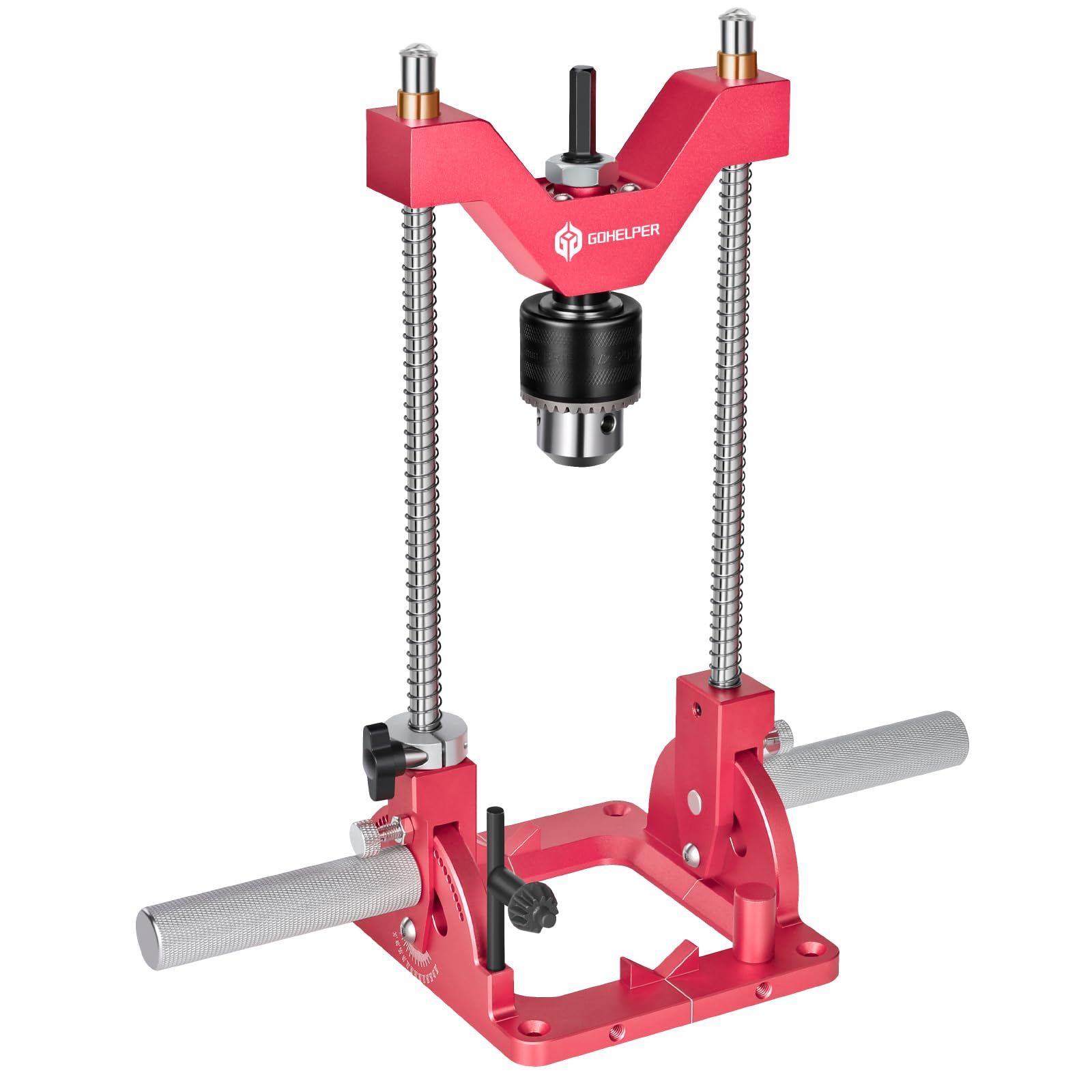
Combining Drill Press With Other Tools
You can improve your work by using the drill press with other tools. For example, use a file or sandpaper to smooth holes after drilling. Combining tools saves time and boosts precision.
- Drill press + center punch for accurate hole starts
- Drill press + clamp for steady workpieces
- Drill press + deburring tool for clean hole edges
- Drill press + measuring tools for exact placement
Credit: www.amazon.ca
Frequently Asked Questions
What Safety Tips Should I Follow When Using A Drill Press?
Always wear safety goggles and secure loose clothing. Use clamps to hold workpieces firmly. Keep hands away from the drill bit. Turn off the machine before adjustments. Maintain a clean workspace to avoid accidents.
How Do I Ensure Precision Drilling With A Drill Press?
Use a sharp, appropriate drill bit for your material. Align the workpiece accurately using the fence or jig. Adjust the drill speed based on material type. Drill slowly and steadily to avoid wandering or mistakes.
What Materials Can I Drill With A Drill Press?
A drill press works well with wood, metal, plastic, and composites. Choose the correct drill bit for each material. Adjust speed settings accordingly to avoid damage. Always check material thickness and stability before drilling.
How Do I Maintain A Drill Press For Best Performance?
Keep the drill press clean and lubricated regularly. Check for loose parts and tighten them. Replace worn drill bits promptly. Inspect belts and pulleys for wear. Follow manufacturer’s maintenance schedule for longevity and accuracy.
Conclusion
A drill press helps achieve precise work with ease. Knowing the parts is key. Practice ensures skill improvement over time. Always prioritize safety when using your drill press. Wear protective gear and follow guidelines closely. Keep your tools well-maintained for better performance.
A well-functioning drill press makes work efficient. Experiment with different materials and techniques. This builds confidence and enhances results. With patience, you can complete projects accurately. Enjoy the satisfaction of precise craftsmanship. Embrace learning and keep drilling safely.
