If you use sanding discs regularly, you know how frustrating it is when they wear out too quickly or stop working well. But what if you could make your sanding discs last longer and keep them performing like new?
Taking just a few simple steps can save you time, money, and hassle. You’ll discover easy, practical tips that help you maintain your sanding discs effectively. Keep reading to learn how to get the most out of your tools and improve every sanding job you do.

Credit: binicabrasive.com
Choosing The Right Sanding Disc
Choosing the correct sanding disc is important for good results. Different discs fit different materials and tasks. Picking the right one saves time and effort.
Below are tips to help you select the best sanding disc based on material and grit size.
Material Types And Uses
Sanding discs come in various materials. Each type works better on certain surfaces. Here are common materials and their uses.
- Aluminum Oxide:Good for wood and metal. Durable and long-lasting.
- Silicon Carbide:Best for sanding metal, plastic, and painted surfaces. Sharp and fast-cutting.
- Zirconia Alumina:Ideal for heavy grinding on metal. Strong and heat-resistant.
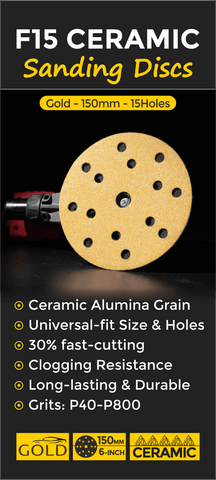
- Ceramic:Used for tough metals and hard surfaces. Lasts longer but costs more.
Grit Selection Tips
The grit number shows how coarse or fine the sanding disc is. Lower numbers mean rougher discs for fast material removal. Higher numbers are finer for smooth finishes.
| Grit Size | Use |
|---|---|
| 40-60 | Heavy sanding and removing paint or rust |
| 80-120 | General sanding for shaping and smoothing |
| 150-220 | Fine sanding for finishing wood or metal |
| 320 and above | Very fine sanding for polishing and final touches |
Proper Storage Techniques
Keeping sanding discs in good shape helps them last longer. Proper storage protects them from damage and keeps them ready to use.
Organizing and storing discs carefully saves time and effort during projects.
Avoiding Moisture Damage
Moisture can weaken sanding discs and reduce their effectiveness. Store discs in a dry place to keep them safe.
- Keep discs away from damp areas like basements or garages prone to humidity.
- Use airtight containers or sealed plastic bags to block moisture.
- Place silica gel packets with the discs to absorb any moisture inside storage boxes.
- Check discs regularly and remove any that show signs of mold or warping.
Organizing For Easy Access
Organize sanding discs so you can find the right grit and size quickly. This keeps work flowing smoothly.
| Storage Method | Benefit |
| Stacked in labeled bins | Easy to sort by grit and size |
| Hanging on pegboards | Visible and quick to grab |
| Using drawer dividers | Keeps discs flat and prevents damage |
| Clear plastic sleeves | Protects discs and shows contents |
Cleaning Sanding Discs
Keeping sanding discs clean helps them last longer. Clean discs work better and give smoother results.
Regular cleaning removes dust and debris that block the abrasive surface. This keeps the disc effective.
Removing Debris Effectively
Debris can clog sanding discs and reduce their grip. Remove debris by tapping the disc gently on a hard surface. This loosens dust and particles.
- Use a rubber cleaning stick to rub the disc surface.
- Brush away loose debris with a soft-bristle brush.
- Clean discs after every use to prevent buildup.
Using Compressed Air And Brushes
Compressed air removes fine dust from sanding discs quickly. Use short bursts to blow away debris without damaging the disc.
| Tool | Purpose |
|---|---|
| Compressed Air | Blow dust out of abrasive surface |
| Soft Brush | Remove stuck particles gently |
| Rubber Cleaning Stick | Erase residue to restore grit |
Optimal Usage Practices
Using sanding discs correctly helps them last longer and work better. Following simple rules can protect the discs and your tools.
Proper use saves money and keeps your work smooth. Focus on how you press and the speed you use.
Correct Pressure Application
Applying too much pressure can wear out sanding discs quickly. It can also damage the surface you work on.
Use light to medium pressure for the best results. Let the disc do the work by itself.
- Press evenly across the disc
- Avoid pushing too hard
- Stop if the disc slows down
- Hold your tool firmly but gently
Maintaining Proper Speed
Using the right speed helps sanding discs last longer and work well. Too fast can burn the disc or the surface.
Match the speed to the material you are sanding. Follow the tool and disc manufacturer’s recommended speed.
- Start at a lower speed
- Increase speed slowly if needed
- Stop if smoke or dust builds up
- Keep speed steady during sanding
Inspecting For Wear And Tear
Checking sanding discs regularly keeps them safe and effective. Look closely for signs of damage or wear.
Proper inspection helps avoid accidents and keeps your work smooth. Learn how to spot problems early.
Signs Of Damage
Look for cracks, tears, or missing grit on the disc surface. These signs show the disc is damaged.
If the disc looks uneven or has chunks missing, it may not work properly. Check the backing too.
- Cracks or splits in the sanding surface
- Missing or worn abrasive grit
- Uneven or warped disc shape
- Damaged backing or attachment points
When To Replace Discs
Replace sanding discs if they show any damage or if the grit is worn out. This keeps work safe.
Also, change discs when they stop sanding well. Old discs can cause poor results or accidents.
- After visible damage like cracks or tears
- When abrasive grit is mostly worn off
- If sanding becomes uneven or rough
- When the disc no longer fits securely

Credit: equalle.com
Extending Life With Accessories
Sanding discs wear out quickly if not used properly. Choosing the right accessories helps protect them.
This guide explains how backing pads and disc cleaning blocks can extend the life of your sanding discs.
Backing Pads And Their Role
Backing pads hold sanding discs firmly in place. They provide support and reduce disc wear.
- Use the correct size backing pad for your disc.
- Check pads for damage before use.
- Replace worn or cracked pads immediately.
- Choose soft or hard pads based on your sanding needs.
Good backing pads help discs wear evenly and prevent tearing. This saves money and time.
Using Disc Cleaning Blocks
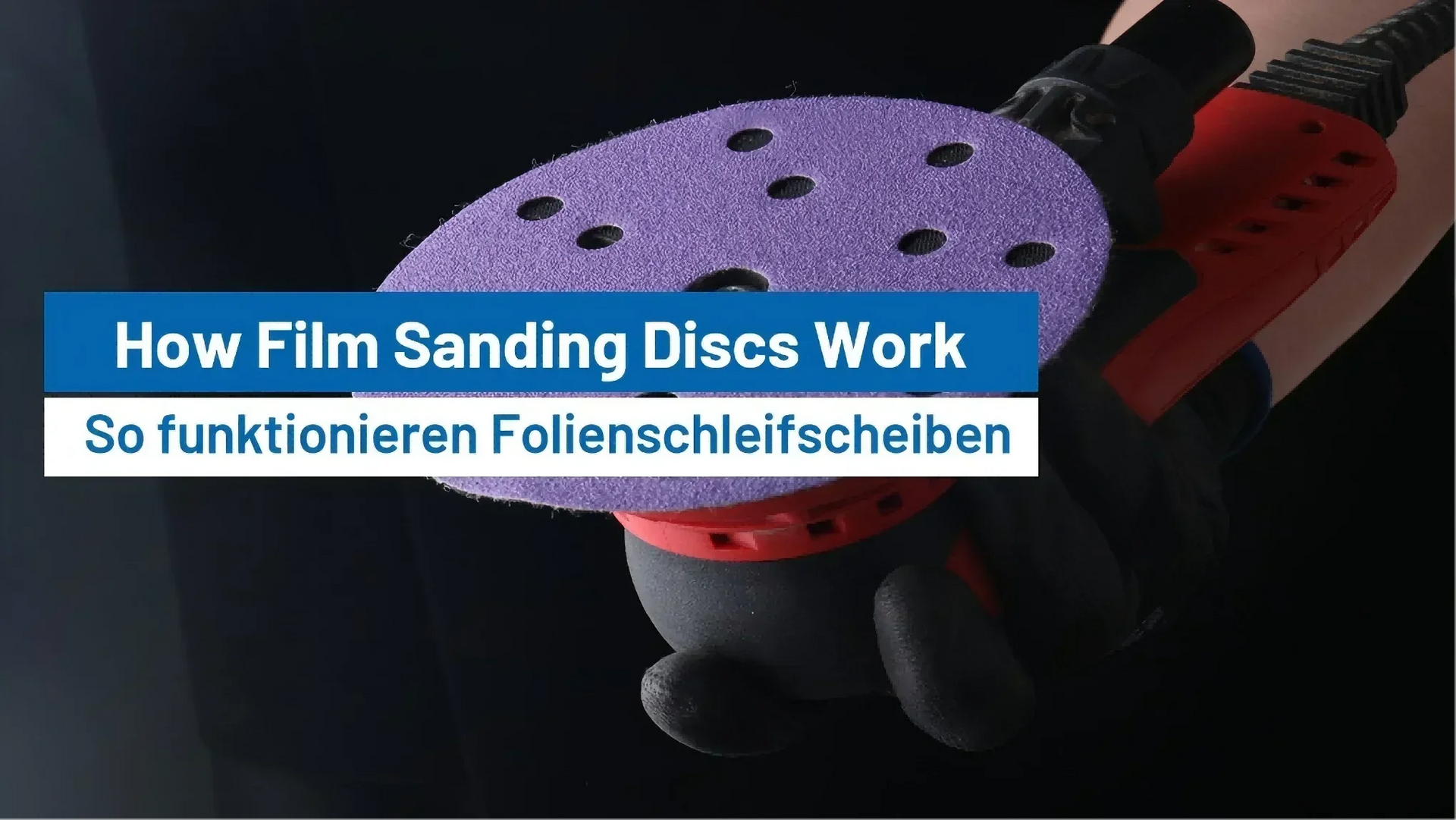
Disc cleaning blocks remove dust and debris from sanding discs. This keeps the discs effective longer.
| Benefit | How It Helps |
| Removes clogged dust | Restores disc cutting power |
| Reduces heat build-up | Prevents disc damage |
| Extends disc life | Delays replacement costs |
| Improves sanding quality | Leaves smoother surfaces |
Use cleaning blocks regularly during sanding to keep discs clean and working well.
Credit: fastplus.eu
Frequently Asked Questions
How Often Should I Replace Sanding Discs?
Replace sanding discs when they become dull or clogged. Regular inspection is key. For frequent use, check weekly. If used occasionally, inspect before each project. Proper maintenance extends their life, but replacing when efficiency drops ensures optimal performance and quality finishes.
Can I Clean Sanding Discs For Reuse?
Yes, you can clean sanding discs to extend their life. Use an abrasive cleaning stick or a rubber belt cleaner. Gently rub the cleaner against the disc while it’s spinning. This removes debris and unclogs the grit, improving performance and longevity.
What Storage Tips Keep Sanding Discs Effective?
Store sanding discs in a cool, dry place to prevent moisture damage. Use airtight containers or resealable bags for protection. Avoid direct sunlight, which can degrade the adhesive backing. Organize by grit for easy access, ensuring readiness for any project.
Why Do Sanding Discs Lose Grit Quickly?
Sanding discs lose grit quickly due to excessive pressure or incorrect usage. Ensure you’re using the right grit for your material. Applying too much pressure or using a worn-out disc can accelerate grit loss. Proper technique and disc selection are essential for longevity.
Conclusion
Proper care keeps sanding discs working longer and better. Clean discs after each use to avoid clogging. Store them in a dry place to prevent damage. Check for wear regularly and replace when needed. Using discs correctly saves time and money.
These simple steps protect your tools and improve results. Take care, and your sanding discs will serve you well. Easy maintenance leads to smoother, faster sanding every time.