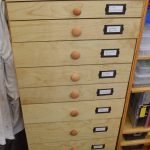
Are you tired of digging through cluttered drawers to find your sanding blocks? Proper storage can save you time, protect your tools, and keep your workspace tidy.
In this guide, you’ll discover simple, effective ways to store your sanding blocks in drawers so they stay organized and ready whenever you need them. Keep reading to learn how a few easy changes can make a big difference in your daily projects.
Choosing The Right Drawer
Storing sanding blocks properly keeps them in good shape. Choosing the right drawer helps organize and protect them.
The right drawer size and material make a big difference. You need a drawer that fits your blocks and lasts long.
Size And Depth Considerations
Select a drawer with enough space to hold your sanding blocks flat. Avoid stacking blocks on top of each other.
Deep drawers are better for larger blocks or many pieces. Shallow drawers work well for small blocks and easy access.
- Measure sanding blocks before choosing drawer size
- Use dividers to separate blocks if needed
- Choose drawer depth based on block thickness
- Leave room for air circulation to keep blocks dry
Material And Durability
Pick drawer materials that resist wear and moisture. Sanding blocks can get damaged by damp or rough surfaces.
Wood drawers are sturdy but can absorb moisture. Plastic drawers resist water and are easy to clean.
- Metal drawers are strong but may rust without coating
- Plastic drawers prevent moisture and dust buildup
- Wood drawers need sealing to protect from dampness
- Choose durable materials to protect sanding blocks
Credit: creators.yahoo.com
Preparing Sanding Blocks For Storage
Storing sanding blocks properly keeps them useful for longer. It also helps keep your workspace neat and safe.
Before you put sanding blocks in drawers, you should prepare them well. This preparation includes cleaning and sorting the blocks.
Cleaning And Drying Blocks
Remove dust and debris from sanding blocks before storing them. Clean blocks last longer and work better next time.
Use a soft brush or cloth to wipe off loose dust. If blocks are sticky, rinse them with water and let them dry fully.
- Brush away dust gently
- Rinse if needed, avoid soaking
- Dry blocks completely before storing
Grouping By Grit Size
Sort sanding blocks by their grit size before placing them in drawers. Grouping makes it easy to find the right block later.
Keep coarse, medium, and fine grit blocks separate. Label drawer sections or use small containers to keep groups organized.
- Separate blocks by coarse, medium, fine grit
- Label drawer areas or containers
- Stack blocks neatly to avoid damage
Organizing Techniques
Storing sanding blocks in drawers keeps your workspace tidy. Good organization saves time and effort.
Using the right techniques helps protect your sanding blocks. It also makes finding the right block easy.
Using Dividers And Compartments
Dividers and compartments separate sanding blocks by size and grit. This stops them from rubbing against each other.
You can use plastic or wooden dividers. Small boxes or trays also work well inside drawers.
- Keep blocks of the same grit together
- Use compartments to avoid mix-ups
- Protect blocks from damage by limiting movement
Labeling For Quick Access
Labels help you find sanding blocks fast. Mark each section with grit size or type.
Use clear and simple labels. You can write on tape or use printed tags.
- Label compartments or dividers
- Use large text for easy reading
- Place labels where you can see them easily

Credit: www.familyhandyman.com
Maintaining Block Quality
Keeping sanding blocks in good shape helps them last longer. Proper storage stops damage and keeps blocks ready to use.
Storing sanding blocks correctly in drawers protects their surface and form. This guide explains how to keep blocks in top condition.
Preventing Moisture Damage
Moisture can ruin sanding blocks by making them soft or moldy. It lowers their sanding power and can cause bad smells.
Keep drawers dry and clean to stop moisture buildup. Use silica gel packs or moisture absorbers inside drawers for extra protection.
- Store blocks in a dry place
- Use moisture absorbers in drawers
- Do not store blocks near water sources
- Dry blocks before storing if they get wet
Avoiding Deformation
Sanding blocks can lose shape if they are squeezed or stacked wrongly. This makes them hard to use and less effective.
Store blocks flat and avoid heavy items on top. Use drawer dividers or small boxes to keep blocks separate and safe.
- Lay blocks flat in the drawer
- Keep heavy objects away from blocks
- Use dividers to stop blocks from touching
- Check blocks often for shape changes
Space-saving Hacks
Storing sanding blocks in drawers can get messy fast. Organizing them saves space and time.
Using smart storage ideas helps keep your blocks neat and easy to find.
Stacking Strategies
Stack sanding blocks by size to use drawer space well. Place bigger blocks at the bottom.
Keep blocks flat so they don’t damage each other. Use dividers to separate stacks.
- Sort blocks by size before stacking
- Place larger blocks below smaller ones
- Use drawer dividers to keep stacks tidy
- Stack no more than five blocks high
Utilizing Vertical Space
Use vertical space inside drawers by adding small shelves or risers. This creates layers for blocks.
Vertical storage keeps blocks visible and easy to reach. It also frees up drawer floor space.
- Add shallow shelves to drawer interiors
- Use risers to stack blocks in layers
- Store less used blocks on top layers
- Keep daily blocks on lower, easy-to-reach layers

Credit: kiltedcraftworks.com
Additional Storage Accessories
Storing sanding blocks properly keeps your workspace neat. Using extra storage tools can help protect them. These accessories fit well in drawers and save space.
Choosing the right storage accessory depends on your needs. Some options keep sanding blocks separated. Others make it easy to grab them quickly.
Plastic Containers And Trays
Plastic containers and trays organize sanding blocks neatly. They stop blocks from rubbing against each other. This protects their surfaces and extends their life.
Clear plastic helps you see what is inside without opening it. Trays with compartments keep different block sizes apart. This arrangement saves time during projects.
- Stackable containers save drawer space
- Trays with lids prevent dust buildup
- Compartments keep blocks separated and easy to find
- Durable plastic protects blocks from damage
Magnetic Strips And Hooks
Magnetic strips hold sanding blocks with metal parts securely in place. Hooks can hang blocks with holes or handles. Both options keep blocks off the drawer floor.
These tools help save drawer space by using vertical areas. They also make blocks easy to grab. Keeping blocks visible prevents losing or forgetting them.
- Magnetic strips work best for blocks with metal inserts
- Hooks suit blocks with hanging holes or handles
- Use strips or hooks inside drawer lids or sides
- Easy access speeds up work time
Routine Drawer Maintenance
Keeping your sanding blocks in good condition starts with routine drawer care. Clean and organized drawers help extend the life of your tools.
Regular maintenance prevents dust buildup and damage. It also makes finding the right sanding block easier.
Regular Cleaning Tips
Clean your drawers often to keep dust and debris away from sanding blocks. Use a soft cloth and mild cleaner to wipe surfaces.
- Remove all items before cleaning
- Wipe drawer walls, bottom, and corners
- Use a vacuum to clear loose dust
- Allow drawers to dry fully before replacing blocks
Inventory Checks
Check your sanding blocks regularly to keep track of what you have. Replace worn blocks and reorder any you lack.
| Type of Sanding Block | Condition | Quantity | Notes |
|---|---|---|---|
| Fine Grit | Good | 5 | Ready to use |
| Medium Grit | Worn | 2 | Needs replacement soon |
| Coarse Grit | Good | 3 | Keep for rough sanding |
Frequently Asked Questions
How To Organize Sanding Blocks In Drawers?
To organize sanding blocks in drawers, use dividers or small containers. This separates different grit sizes and types. Label each section for easy identification. Regularly check and declutter to maintain order. Keep frequently used blocks at the front for convenience.
Can Sanding Blocks Be Stored Vertically?
Yes, sanding blocks can be stored vertically in drawers. Use vertical dividers for support. This method saves space and keeps blocks easily accessible. Ensure blocks are stable to prevent tipping. Vertical storage is ideal for deeper drawers.
What Materials Are Best For Drawer Dividers?
Wood, plastic, and metal are ideal materials for drawer dividers. They are durable and easy to clean. Choose based on your drawer size and design preference. Adjustable dividers offer flexibility and customization for different sanding block sizes.
How To Prevent Sanding Blocks From Shifting?
To prevent shifting, use non-slip liners in your drawers. These liners hold the blocks in place. Alternatively, use small containers or trays to compartmentalize. This keeps sanding blocks organized and prevents movement during drawer opening and closing.
Conclusion
Storing sanding blocks properly keeps them clean and ready to use. Use small containers or drawer dividers to keep blocks separate. Avoid moisture to prevent damage and wear. Label each section to find the right block quickly. Organizing your drawer saves time and effort during projects.
Keep your workspace tidy and your tools protected. Good storage helps sanding blocks last longer and perform better. Simple steps make a big difference in tool care. Try these tips for easy, efficient sanding block storage.