Your garden watering system is the secret to keeping your plants healthy and vibrant. But if it’s not working right, your beautiful garden can quickly suffer.
You might be wasting water, spending more money, or missing out on the full benefits of your system. Imagine how good it will feel when your plants thrive without you having to worry about watering problems. You’ll discover simple and effective ways to maintain your garden watering system.
By the end, you’ll have the confidence and know-how to keep your garden flourishing all year round. Keep reading, and watch your garden come to life like never before.
Credit: teabreakgardener.co.uk
Choosing The Right System
Picking the right garden watering system helps your plants grow well. It saves water and time.
Think about your garden’s needs before buying a system. The right system fits your space and water source.
Types Of Watering Systems
There are different watering systems for gardens. Each type works best in certain situations.
- Drip irrigation delivers water slowly to plant roots.
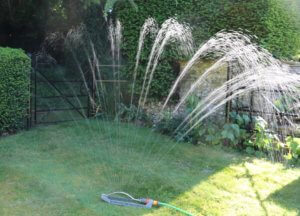
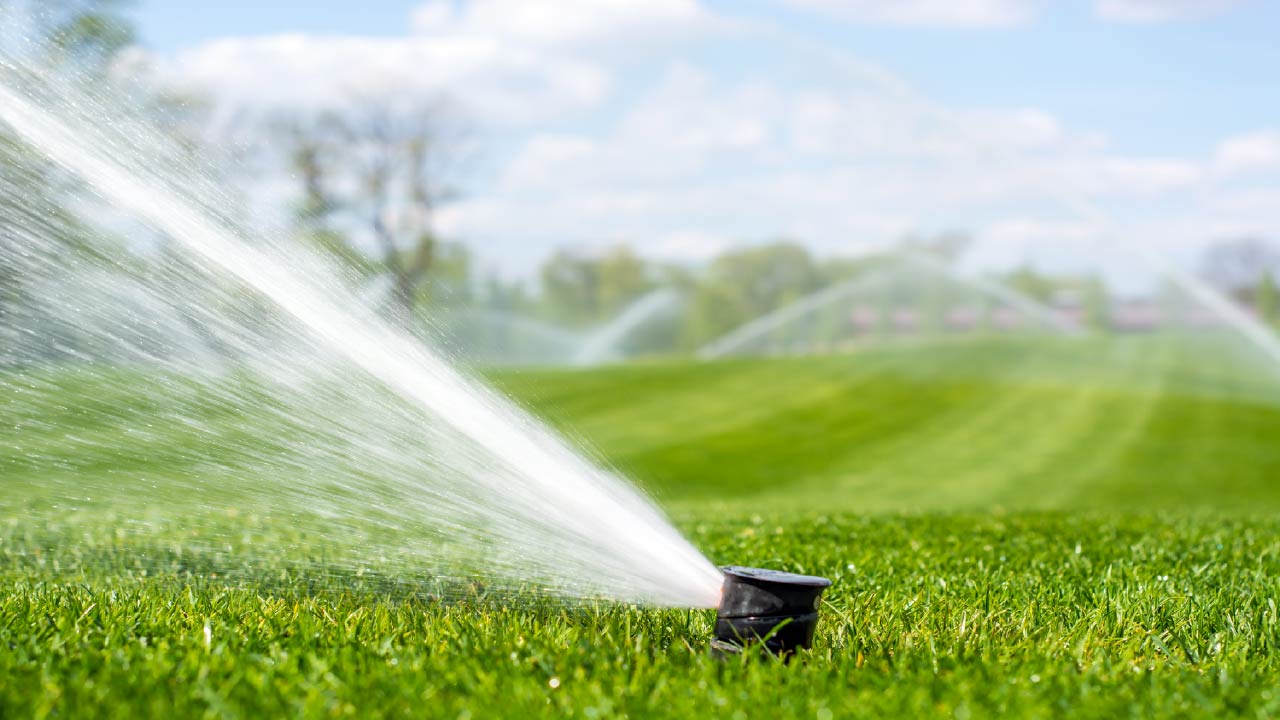
- Sprinkler systems spray water over large areas.
- Soaker hoses release water directly on soil.
- Hand watering uses a hose or watering can for control.
Matching System To Garden Size
Small gardens need simple systems like drip lines or hand watering. Large gardens may need sprinklers.
Choose a system that covers your garden without wasting water. Check if it fits your planting layout.
- Small garden: drip irrigation or soaker hose
- Medium garden: combination of drip and sprinklers
- Large garden: full sprinkler system
Considering Water Source
Know where your water comes from. Some systems need high water pressure to work well.
Check if you use city water, rainwater, or well water. This affects the system type and setup.
- City water: usually high pressure, good for sprinklers
- Rainwater: low pressure, works well with drip systems
- Well water: may need filters or pumps for some systems
Regular Inspection
Regular inspection keeps your garden watering system working well. Checking parts often helps avoid big problems.
Look carefully at each part to find issues early. Fixing small problems saves water and money.
Checking For Leaks
Leaks waste water and reduce system pressure. Walk around the garden and watch for wet spots or puddles.
Check pipes, hoses, and connections for cracks or holes. Repair or replace broken parts quickly to stop leaks.
- Look for water pooling on the ground
- Listen for hissing sounds near pipes
- Inspect joints and fittings for damage
Testing Water Pressure
Water pressure affects how well the system waters plants. Too high pressure can cause damage.
Use a pressure gauge to measure water flow. Make sure the pressure matches the system’s recommended range.
- Attach a pressure gauge to an outdoor faucet
- Turn on water and read the gauge
- Adjust the pressure regulator if needed
Inspecting Nozzles And Emitters
Nozzles and emitters deliver water to plants. Dirt or damage can block them and reduce watering.
Remove and clean nozzles regularly. Replace any that are cracked or broken to keep water flowing evenly.
- Check for clogged holes or drips
- Soak nozzles in vinegar to remove buildup
- Replace worn parts to maintain spray patterns
Cleaning And Maintenance
Keeping your garden watering system clean helps it work well. Regular care prevents clogs and damage.
Simple maintenance tasks make your system last longer and save water.
Flushing The System
Flushing removes dirt and buildup inside pipes. It keeps water flowing freely.
Open the main valve and let water run through all outlets. Do this at least twice a year.
- Turn off the system before flushing
- Open all sprinkler heads or drip emitters
- Run water for several minutes
- Close outlets and turn off water
Removing Debris
Leaves, dirt, and grass can block nozzles and filters. Clean these parts regularly.
Check sprinkler heads and drip lines for debris. Wipe or rinse them gently.
- Use a soft brush or cloth
- Clear any visible dirt or bugs
- Remove filters and rinse under water
- Replace filters if very dirty
Replacing Worn Parts
Old or broken parts reduce system performance. Replace cracked pipes and damaged heads.
Keep extra parts handy for quick fixes. Check parts every season for wear and tear.
- Inspect pipes for leaks or cracks
- Replace broken sprinkler heads
- Check valves and timers
- Use compatible parts for replacements
Seasonal Adjustments
Maintaining your garden watering system throughout the year helps keep plants healthy. Seasonal changes affect how much water your garden needs.
Adjusting the system for each season can save water and protect your equipment from damage.
Winterizing The System
Before winter arrives, prepare your watering system to avoid freezing damage. Water left in pipes can cause cracks and leaks.
- Turn off the main water supply to the system.
- Drain all water from pipes and hoses.
- Use compressed air to blow out remaining water.
- Cover exposed valves and sprinkler heads with insulation.
- Store removable parts indoors in a dry place.
Adjusting For Seasonal Growth
Plants grow at different rates during the year. Adjust watering times to match growth stages and avoid overwatering or underwatering.
| Season | Watering Frequency | Notes |
| Spring | 3-4 times per week | Plants start growing rapidly |
| Summer | 4-6 times per week | Higher evaporation; water early morning |
| Fall | 2-3 times per week | Reduce watering as growth slows |
| Winter | None or very minimal | System usually turned off or winterized |
Adapting To Weather Changes
Weather can change quickly. Rain, heat waves, and dry spells affect watering needs.
- Check the weather forecast before watering.
- Skip watering if heavy rain is expected.
- Increase watering during hot, dry periods.
- Use soil moisture sensors to guide watering times.
- Adjust sprinkler heads to avoid watering sidewalks or driveways.
Optimizing Water Use
Using water wisely helps keep your garden healthy and saves resources. A good watering system needs careful planning and smart tools.
Focus on watering at the best times, using technology to control flow, and sensing weather changes to avoid waste.
Scheduling Efficient Watering Times
Water your garden early in the morning or late in the evening. This reduces evaporation and allows plants to absorb moisture better.
- Water before sunrise to keep soil moist longer
- Avoid watering during midday heat
- Adjust times by season and weather
- Water deeply but less often to encourage strong roots
Using Timers And Controllers
Timers and controllers automate watering schedules. They help deliver the right amount of water at set times without manual work.
| Type | Feature | Benefit |
| Basic Timer | Set fixed watering times | Saves water and time |
| Smart Controller | Adjusts based on weather | Prevents overwatering |
| Soil Moisture Sensor | Detects soil dryness | Waters only when needed |
Incorporating Rain Sensors
Rain sensors stop watering when it rains. This prevents water waste and keeps your garden from getting too wet.
Benefits of Rain Sensors:
- Automatically pauses irrigation during rain
- Reduces water bills
- Protects plants from overwatering
- Easy to install on existing systems

Credit: ca.news.yahoo.com
Troubleshooting Common Issues
Maintaining a garden watering system keeps your plants healthy. Troubleshooting helps fix problems fast.
Check your system regularly to catch issues early. Fixing small problems stops big ones.
Identifying Blockages
Blockages stop water from flowing properly. Dirt, leaves, or mineral build-up often cause blockages.
- Look for dry spots in the garden
- Check sprinkler heads for dirt or debris
- Remove any visible clogs by hand
- Use a thin wire to clear small pipes
- Flush the system with water to clear deposits
Fixing Uneven Coverage
Uneven watering causes some plants to dry out. Check sprinklers for damage or wrong placement.
| Problem | Cause | Solution |
| Dry spots | Blocked nozzles | Clean or replace nozzles |
| Overwatered areas | Sprinkler overlap | Adjust spray pattern |
| Weak water flow | Low pressure | Check pump and valves |
Handling System Failures
System failures stop watering completely. Power issues or broken parts are common causes.
- Check the power source or batteries
- Inspect valves for leaks or damage
- Test the controller for error messages
- Replace faulty parts as needed
- Call a professional if problems persist
Credit: www.dripworks.com
Frequently Asked Questions
How Often Should I Check My Garden Watering System?
Check your garden watering system weekly for leaks and blockages. Regular inspections help maintain efficiency and prevent water waste. Adjust settings seasonally to match plant needs and weather conditions.
What Is The Best Time To Water My Garden?
Water your garden early in the morning or late in the evening. These times reduce evaporation and allow plants to absorb moisture effectively. Avoid watering during midday heat for better results.
How Do I Prevent Clogging In Drip Irrigation Systems?
Clean filters and emitters regularly to prevent clogging. Flush the system seasonally and remove debris from water sources. Proper maintenance ensures consistent water flow and system longevity.
Can I Automate My Garden Watering System Easily?
Yes, automated systems with timers or smart controllers are easy to install. Automation saves time and ensures precise watering schedules. It adapts watering based on weather, improving water efficiency.
Conclusion
Maintaining your garden watering system keeps plants healthy and strong. Check pipes and nozzles often for leaks or blockages. Clean filters regularly to ensure good water flow. Adjust watering times based on weather and plant needs. Simple care saves water and prevents damage.
A well-kept system helps your garden grow beautifully all year. Small efforts make a big difference in plant health. Keep your garden green and thriving with steady attention. Easy steps lead to lasting results.