Are your sanding blocks always messy and hard to find when you need them? Storing them properly in drawers can save you time, keep your workspace tidy, and extend the life of your tools.
Imagine opening your drawer and instantly spotting the right sanding block without any hassle. You’ll discover simple, effective ways to organize your sanding blocks so they stay in great shape and ready to use. Keep reading to transform your storage game and make your sanding projects smoother than ever.

Credit: www.rockler.com
Choosing The Right Drawer
Storing sanding blocks properly keeps them safe and easy to find. Choosing the right drawer is key to organized storage.
A good drawer protects sanding blocks from dust and damage. It also helps you access them quickly when needed.
Assessing Drawer Size And Depth
Pick a drawer that fits your sanding blocks without crowding. Check the width, length, and depth of the drawer.
Deep drawers can hold many blocks but may make smaller ones hard to reach. Shallow drawers keep blocks visible and easy to grab.
- Measure sanding blocks before choosing drawer size
- Allow space for easy removal and replacement
- Consider drawer dividers for better organization
Considering Accessibility
Choose a drawer that is easy to open and close. Place it at a height where you can reach without strain.
Keep sanding blocks in a drawer near your workspace. This saves time and keeps your work area tidy.
- Use drawers with smooth glides for easy access
- Label drawers for quick identification
- Avoid storing blocks too deep inside the drawer
Preparing Sanding Blocks
Storing sanding blocks properly helps keep them in good shape. Clean and dry blocks last longer and work better.
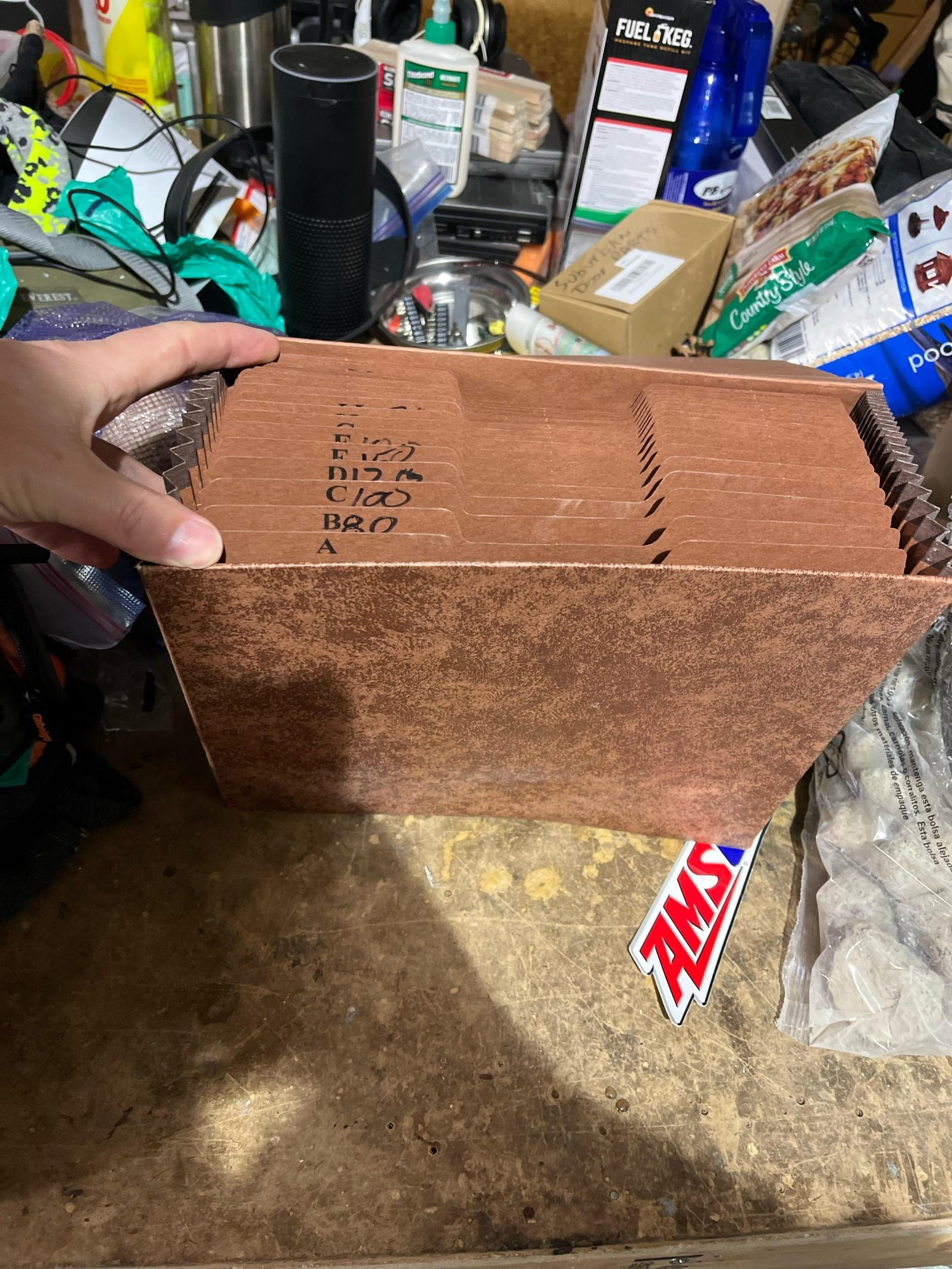
Organizing blocks by grit makes it easier to find the right one. This saves time and keeps your workspace neat.
Cleaning And Drying Blocks
Remove dust and debris from sanding blocks after use. This prevents clogging and keeps the grit effective.
Let blocks dry completely before storing. Moisture can damage the sanding surface and cause mold growth.
- Tap blocks gently to remove loose dust
- Use a soft brush for stubborn debris
- Air dry blocks in a well-ventilated area
Grouping By Grit
Sort sanding blocks by grit size before storing. This helps you quickly choose the right block for your project.
Label storage compartments clearly. Keep coarse, medium, and fine grits separate to avoid mix-ups.
- Coarse grit blocks for heavy sanding
- Medium grit blocks for smoothing surfaces
- Fine grit blocks for finishing touches
Organizing Techniques
Storing sanding blocks in drawers keeps your workspace neat. Good storage helps you find blocks fast.
Organize your sanding blocks by size, type, or grit for easy access. Use smart techniques to save space.
Using Dividers And Compartments
Dividers and compartments keep sanding blocks from mixing up. They separate blocks by type or size.
You can use small plastic trays or wooden dividers. This way, blocks stay in place and do not slide around.
- Use adjustable dividers to fit different block sizes.
- Compartments prevent blocks from rubbing and wearing out.
- Clear compartments help you see blocks without opening each one.
Stacking And Layering Methods
Stack sanding blocks in layers to use drawer space well. Place heavier blocks at the bottom for stability.
Use thin sheets or foam between layers. This stops blocks from scratching each other.
- Stack blocks by grit, with coarse at the bottom.
- Use foam sheets to protect delicate surfaces.
- Keep frequently used blocks on top for quick reach.
Labeling For Quick Identification
Labels help you find sanding blocks fast. Mark each compartment or stack with block type or grit.
Use clear, easy-to-read labels. Write the grit number or block purpose for quick checks.
- Use waterproof labels to avoid smudging.
- Label both the drawer section and block container.
- Use color-coded labels to separate grit ranges.

Credit: www.familyhandyman.com
Space-saving Hacks
Keeping sanding blocks organized saves time and space. Small drawers can quickly become cluttered.
Using smart storage ideas helps keep your workspace neat. It also protects your sanding blocks from damage.
Vertical Storage Options
Store sanding blocks vertically in your drawers. This method uses drawer height instead of floor space.
You can place small dividers inside the drawer to hold each block upright. This keeps them easy to see and grab.
- Use wooden or plastic dividers to separate blocks
- Stand blocks on their edges for easy access
- Label each section for different grit sizes
Magnetic Or Velcro Attachments
Attach magnets or Velcro strips to your sanding blocks. Then fix them inside drawers or on walls.
| Attachment Type | Pros | Cons |
|---|---|---|
| Magnets | Hold firmly, easy to remove | Not for non-metal blocks |
| Velcro | Works with any surface | May wear out over time |
Repurposing Small Containers
Use small containers to group sanding blocks by size or grit. This keeps them tidy inside drawers.
- Old jars or tins work well for storage
- Label containers for quick identification
- Stack containers to save drawer space
Maintaining Your Storage System
Keeping your sanding blocks organized helps you work faster. A good storage system protects your blocks and saves space.
Maintaining your storage system takes small, regular actions. These keep your drawers neat and your blocks in good shape.
Regular Cleaning Routines
Dust and debris can build up in drawers and on sanding blocks. Clean your storage area often to stop this.
Use a soft cloth or small brush to wipe drawers. Remove blocks and clean them before putting them back.
- Empty drawers before cleaning
- Wipe inside with a dry or slightly damp cloth
- Clean sanding blocks gently to keep grit intact
- Let everything dry completely before storing
Replacing Worn Blocks
Sanding blocks wear out with use and lose effectiveness. Replace them to keep your work smooth and even.
Check blocks regularly for damage or loss of grit. Remove old blocks to avoid clutter and confusion.
- Look for tears or smooth spots on blocks
- Keep a small stock of new blocks in your drawer
- Dispose of worn blocks properly
- Label storage sections for new and used blocks
Adjusting Organization Over Time
Your sanding block collection can grow or change. Adjust your storage to fit your current needs.
Review your drawer layout every few months. Move or add dividers to keep blocks easy to find and store.
- Sort blocks by size or grit regularly
- Use drawer dividers to separate types
- Remove unused blocks to save space
- Label sections clearly for quick access
Credit: creators.yahoo.com
Frequently Asked Questions
How Do You Organize Sanding Blocks In Drawers?
Use dividers to separate different grits of sanding blocks. This prevents mixing and makes them easy to find. Label each section for quick identification. For small drawers, stack blocks vertically to save space. Consider using drawer liners to prevent sliding and keep them stable.
Can I Use Containers For Sanding Block Storage?
Yes, containers are excellent for organizing sanding blocks. Choose clear containers for visibility. Stack containers for efficient use of space. Label each container with the grit level. This method keeps sanding blocks dust-free and organized, making them easy to access.
What Are The Best Drawer Liners For Sanding Blocks?
Non-slip drawer liners are ideal for sanding blocks. They prevent blocks from shifting during drawer opening. Choose durable materials for long-lasting use. Cut liners to fit your drawer dimensions perfectly. These liners keep your sanding blocks organized and protect your drawer surfaces.
How Can I Maximize Space In Small Drawers?
Maximize space by using vertical storage for sanding blocks. Stack blocks of similar sizes together. Use adjustable dividers for customizing space. Consider using clear containers for easy access. This method keeps your sanding blocks organized without occupying much drawer space.
Conclusion
Storing sanding blocks neatly helps keep your workspace clean. Use drawer dividers or small containers to separate blocks. Keep blocks dry to avoid damage and wear. Label each section to find blocks quickly when needed. Regularly check and replace worn blocks for best results.
Organized drawers save time and reduce frustration. A simple storage system makes sanding easier and faster. Try these tips and enjoy a tidy work area.