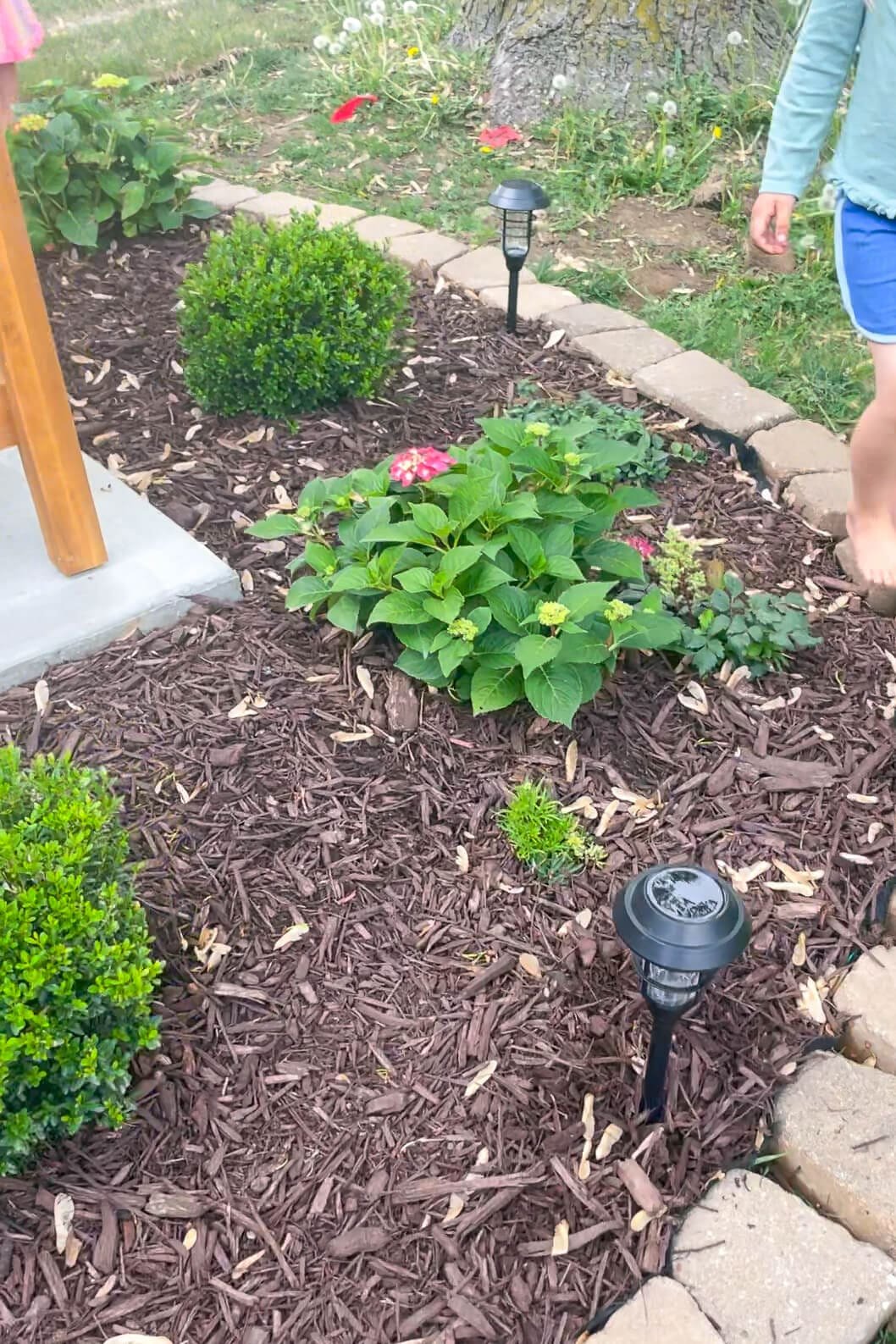
Are you tired of seeing your flower beds look messy and uneven every time you mulch? You’re not alone.
Mulching your flower beds evenly not only makes your garden look beautiful but also helps your plants stay healthy and thrive. Imagine stepping outside to a garden that looks polished and well cared for, with mulch spread just right—no bare spots, no piles.
You’ll discover simple, effective tips to mulch your flower beds evenly, saving you time and effort while giving your garden that perfect, professional finish. Keep reading, and you’ll soon master the art of mulching like a pro.

Credit: www.thisoldhouse.com
Choosing The Right Mulch
Mulching flower beds helps keep soil moist and stops weeds from growing. Choosing the right mulch makes your garden look neat and healthy.
Different mulches have unique benefits. Picking the best one depends on your plants and garden style.
Organic Vs Inorganic Mulch
Organic mulch comes from natural materials like bark or leaves. It breaks down and adds nutrients to the soil. Inorganic mulch does not decay and lasts longer.
Organic mulch keeps soil healthy but needs replacing often. Inorganic mulch stops weeds well and stays put, but does not improve soil.
- Organic mulch: bark, straw, leaves, compost
- Inorganic mulch: rubber, stones, plastic
- Organic improves soil quality
- Inorganic lasts longer and resists pests
Color And Texture Options
Mulch comes in many colors like brown, black, red, and natural wood tones. Color can change how your flower bed looks.
Texture also matters. Fine mulch looks smooth and neat. Coarse mulch gives a rustic, natural feel.
- Dark colors make bright flowers pop
- Light colors brighten shady areas
- Fine mulch suits formal gardens
- Coarse mulch fits wild or natural gardens
Best Mulch Types For Flower Beds
Choose mulch that fits your plants and soil needs. Some mulches are better for moisture, others for weed control.
Here are popular mulches for flower beds with their key features.
| Mulch Type | Benefits | Notes |
|---|---|---|
| Shredded Bark | Good moisture retention, natural look | Breaks down slowly |
| Wood Chips | Long-lasting, controls weeds well | May pull nitrogen from soil initially |
| Pine Needles | Lightweight, acidic for certain plants | Good for acid-loving flowers |
| Compost | Adds nutrients, improves soil | Needs frequent replenishing |
| Gravel | Does not decay, good drainage | Can heat soil in summer |
Preparing Flower Beds
Preparing flower beds properly helps mulch stay even and healthy. It creates a neat space for flowers to grow strong.
Follow simple steps to clear, check, and edge your flower beds before mulching.
Clearing Debris And Weeds
Remove all leaves, sticks, and old mulch from the flower bed. Pull out weeds by their roots to stop them from growing back.
- Pick up fallen leaves and twigs
- Pull weeds gently but firmly
- Dispose of debris away from the flower bed
Soil Moisture Check
Check if the soil is moist before adding mulch. Mulch works best on slightly damp soil.
| Soil Condition | Mulching Action |
|---|---|
| Dry | Water the soil lightly, wait a few hours |
| Wet or soggy | Wait for soil to dry before mulching |
| Moist (ideal) | Apply mulch evenly over soil |
Edging For Defined Borders
Create clear edges around your flower bed. This keeps mulch inside and grass outside.
- Use a garden spade to cut a clean edge
- Remove grass and roots from the border area
- Make edges about 3 to 4 inches deep
- Keep edges straight or gently curved for a neat look
Tools For Even Mulching
Mulching flower beds evenly helps plants grow better and keeps weeds away. Using the right tools makes this job easier and neater.
Below are some tools and tips to help you spread mulch evenly across your flower beds.
Essential Gardening Tools
Start with basic tools that help you handle mulch smoothly. These tools make spreading easier and keep your flower beds tidy.
- Garden gloves to protect your hands
- A rake to spread mulch evenly
- A wheelbarrow to carry mulch to the bed
- A shovel or pitchfork to move mulch efficiently
Using A Mulch Spreader
A mulch spreader helps you place mulch quickly and evenly. It controls how much mulch comes out so you can avoid clumps or bare spots.
| Type of Spreader | Best For |
| Handheld Mulch Spreader | Small flower beds |
| Push Mulch Spreader | Medium to large areas |
| Tow-Behind Spreader | Very large gardens or farms |
Measuring For Consistency
Measure your mulch thickness to keep it even. Too thick or too thin mulch can harm plants.
Use these tips to measure mulch depth:
- Place a ruler or measuring stick vertically in the bed.
- Check the mulch depth at several spots.
- Adjust the mulch by adding or spreading it out.
- Keep mulch depth between 2 to 3 inches.

Credit: www.youtube.com
Applying Mulch Evenly
Mulching flower beds helps keep soil moist and stops weeds from growing. Applying mulch evenly makes your garden look neat and works better.
Using the right techniques ensures the mulch protects plants without harming them. Let’s look at how to spread mulch evenly on flower beds.
Layer Thickness Guidelines
Mulch should be thick enough to keep moisture but not so thick that it stops air. The right thickness helps plants grow well.
- Use 2 to 3 inches of mulch for most flower beds.
- Keep mulch thinner near the plant stems to avoid rot.
- Don’t pile mulch against tree trunks or plant bases.
- Too thin mulch won’t control weeds well.
- Too thick mulch can cause water to pool and roots to suffocate.
Spreading Techniques
Spread mulch carefully to cover the soil evenly. Use tools and gentle handling to keep the layer uniform.
- Use a rake or your hands to spread mulch smoothly.
- Start from the center and work outward to cover the bed.
- Break up clumps to avoid thick spots.
- Fill in low areas so mulch is level across the bed.
- Lightly pat mulch down to help it settle without packing it too hard.
Avoiding Common Mistakes
Some common errors reduce mulch benefits. Avoid them to keep your flower beds healthy and neat.
- Don’t pile mulch too close to plant stems or trunks.
- Avoid using mulch that is too coarse or too fine for your plants.
- Replace mulch every year to prevent decay and pests.
- Don’t apply mulch on wet soil; wait until it dries.
- Keep mulch clear of flowers to prevent damage.
Maintaining Mulch Coverage
Mulching flower beds helps keep soil moist and stops weeds. Keeping mulch spread evenly is important for healthy plants.
Regular care keeps the mulch layer consistent and looking neat. This guide shows how to maintain mulch coverage well.
Regular Inspection Tips
Check your flower beds often to see if mulch is thinning or missing. Look for bare spots or areas where mulch is piled up.
Use a rake or your hands to gently spread mulch back to thin areas. This keeps the layer even and protects plants better.
- Look for mulch moved by wind or rain
- Check edges near walkways or garden beds
- Note spots with heavy foot traffic
- Inspect after storms for displacement
Replenishing Mulch
Add new mulch every year or when the layer is thin. A 2 to 3 inch layer works best for flower beds.
Spread mulch evenly and keep it away from plant stems. Too much mulch can harm plants by trapping moisture.
- Remove old, broken-down mulch before adding new
- Use a wheelbarrow or bucket to carry mulch
- Distribute mulch in small piles then spread
- Keep mulch 1-2 inches away from plant bases
Preventing Mulch Compaction
Mulch gets compacted from rain or walking on it. Compacted mulch stops water and air from reaching the soil.
Loosen mulch gently with a rake to keep it fluffy. Avoid walking on mulch to stop pressing it down.
- Rake mulch once a month in growing season
- Place stepping stones to avoid walking on mulch
- Choose light mulch types to reduce compaction
- Add fresh mulch if compaction is severe
Benefits Of Even Mulching
Mulching flower beds evenly helps plants grow better. It keeps soil healthy and controls weeds.
Even mulch spreads moisture and nutrients well. It also makes flower beds look neat and tidy.
Improved Soil Health
Even mulch helps keep soil temperature steady. It protects roots from cold and heat.
Mulch breaks down slowly, adding nutrients to soil. This feeds plants and improves soil quality.
- Maintains soil moisture by reducing evaporation
- Prevents soil erosion during rain
- Encourages beneficial soil organisms
Weed Suppression
Even mulch blocks sunlight from reaching weed seeds. This stops weeds from growing.
Thick, even mulch forms a strong barrier. It reduces time spent pulling weeds in flower beds.
- Blocks light needed for weed seed germination
- Prevents weed roots from spreading
- Keeps flower beds cleaner and easier to manage
Enhanced Flower Bed Appearance
Even mulch gives flower beds a smooth, uniform look. This makes gardens look well cared for.
Properly spread mulch highlights flowers and plants. It creates a neat border around garden beds.
- Creates a tidy, professional garden appearance
- Improves color contrast between plants and soil
- Prevents bare patches and uneven spots
Credit: florasense.com
Frequently Asked Questions
What Is The Best Mulch For Flower Beds?
Organic mulches like wood chips and shredded bark are excellent choices. They enrich the soil as they decompose. This helps retain moisture and suppress weeds effectively. Choose a mulch that complements your garden’s aesthetic for best results.
How Often Should I Mulch Flower Beds?
Typically, reapply mulch once a year, in spring. This keeps the mulch layer effective and fresh. Check the mulch depth regularly, ensuring it’s 2-3 inches thick. This helps maintain moisture and weed control.
Can I Use Grass Clippings As Mulch?
Yes, you can use grass clippings as mulch. They decompose quickly, adding nutrients to the soil. Ensure the clippings are dry and free from herbicides. Apply a thin layer to prevent matting, which can block water and air.
How Do I Prepare Flower Beds For Mulching?
Start by weeding and watering the soil. Ensure it’s damp but not soggy. Remove old mulch and debris. Apply a fresh mulch layer evenly, 2-3 inches thick. Keep mulch away from plant stems to prevent rot.
Conclusion
Mulching flower beds evenly helps plants grow strong and healthy. Spread mulch in a thin, uniform layer for best results. Avoid piling mulch too close to plant stems or trunks. This keeps roots moist and stops weeds from growing. Regularly check your flower beds and add mulch as needed.
Even mulch also keeps soil temperature steady. Small effort, big difference in your garden’s look and health. Try these simple steps to enjoy a neat, thriving flower bed.