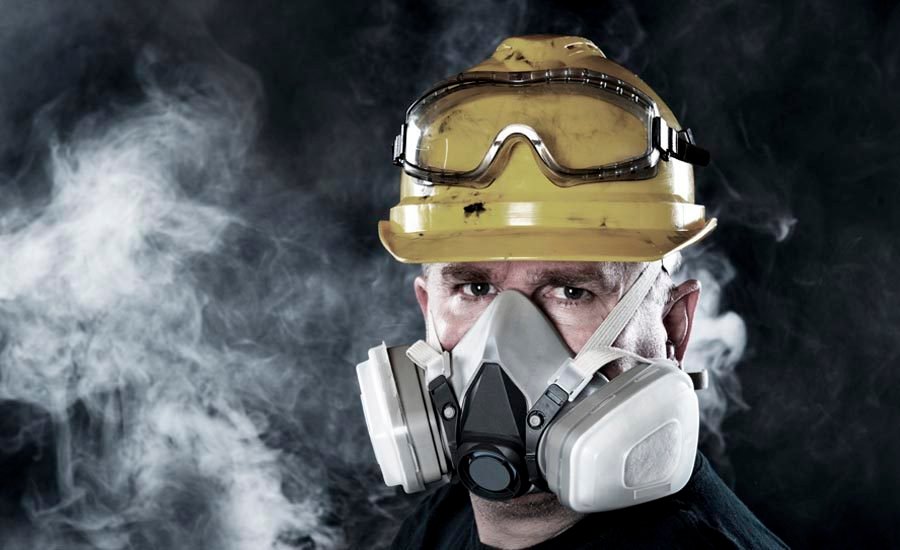
When working with chemicals, your safety should always come first. Using a full-face respirator is one of the smartest ways to protect yourself from harmful fumes and particles.
But do you know how to use it properly? This guide will walk you through everything you need to feel confident and secure while handling chemical projects. By the end, you’ll know exactly how to choose, wear, and maintain your respirator for the best protection.
Keep reading to make sure you’re fully prepared before your next project.

Credit: trueprepper.com
Choosing The Right Respirator
Full-face respirators protect your eyes, nose, and mouth from harmful chemicals. Choosing the right one ensures your safety and comfort during projects.
Different respirators fit various needs. Knowing the types, filters, and fit helps you pick the best respirator for your work.
Types Of Full-face Respirators
There are several types of full-face respirators. Each type serves different purposes and offers different protection levels.
- Reusable respirators: made with durable materials and replaceable parts
- Disposable respirators: used once and then thrown away
- Air-purifying respirators: clean the air by filtering harmful particles
- Powered air-purifying respirators (PAPR): use a battery-powered fan to push filtered air
Selecting Filters And Cartridges
Filters and cartridges remove harmful chemicals and particles from the air. Choosing the right type is key to proper protection.
Look for filters that match the chemicals you handle. Some filters block gases; others block dust or vapors.
- Organic vapor cartridges: for solvents and paint fumes
- Acid gas cartridges: for acids and corrosive gases
- Particulate filters: for dust, mist, and fumes
- Combination cartridges: for mixed hazards
Fit And Comfort Considerations
A good fit keeps harmful air out and makes wearing the respirator easier. Try different sizes to find your best fit.
Comfort matters, especially for long work hours. Look for adjustable straps and soft face seals to reduce pressure points.
- Check for a tight seal around your face
- Adjust straps to avoid slipping
- Choose materials that feel soft on skin
- Make sure the respirator does not block your vision
Preparing For Chemical Work
Using full-face respirators protects you from harmful chemicals. Proper preparation helps keep you safe.
Before starting, check the environment and equipment carefully. This guide covers key steps for safety.
Assessing Chemical Hazards
Identify the chemicals you will use and know their dangers. Review safety data sheets and labels.
- Note chemical toxicity and exposure limits
- Check if chemicals can cause skin or eye damage
- Learn about possible reactions with other substances
- Understand if chemicals release harmful vapors or gases
Work Area Ventilation
Good airflow reduces harmful chemical buildup. Make sure your workspace has proper ventilation.
| Ventilation Type | Description |
| General Ventilation | Moves fresh air through the whole area |
| Local Exhaust | Removes contaminants at the source |
| Natural Ventilation | Uses windows or vents for air flow |
Personal Protective Equipment Compatibility
Your respirator must work well with other gear. Check that masks fit with goggles and gloves.
- Try on all equipment before work
- Check for comfort and no gaps in the mask seal
- Make sure gloves do not tear when worn with sleeves
- Avoid mixing gear with conflicting materials
Proper Respirator Use
Using a full-face respirator correctly is important for safety during chemical projects. It protects your eyes, nose, and mouth from harmful chemicals.
Follow the right steps to wear and adjust your mask. This ensures the best protection and comfort.
Putting On And Adjusting The Mask
Start by holding the respirator in your hands. Place the chin inside the mask first, then pull the straps over your head.
Adjust the straps evenly to fit the mask snugly on your face. Make sure the mask covers your nose and mouth fully without gaps.
- Hold the mask with both hands
- Put your chin inside the mask
- Pull straps over your head
- Tighten straps evenly
- Check the mask covers nose and mouth
Performing Seal Checks
Seal checks make sure no air leaks into the mask. This keeps harmful chemicals out.
To check the seal, cover the filters with your hands and breathe in. The mask should collapse slightly without air coming in.
- Cover the filter areas completely
- Inhale gently through the mask
- The mask should pull in slightly
- No air should leak inside
- If air leaks, adjust straps and try again
Breathing Techniques
Breathe slowly and deeply while wearing the respirator. This helps reduce fatigue and keeps air flowing well.
Try to avoid quick or heavy breaths. If you feel short of breath, stop and check the mask fit and filters.
- Take slow, deep breaths
- Breathe evenly through the mask
- Avoid rapid or heavy breathing
- Check mask fit if breathing feels hard
- Replace filters if breathing stays difficult
Maintenance And Cleaning
Keeping your full-face respirator clean is key for safety. Proper maintenance helps the mask work well.
Regular cleaning removes dirt and chemicals. This stops damage and keeps the respirator safe to use.
Daily Cleaning Routines
Clean your respirator every day after use. Use warm water and mild soap. Avoid harsh chemicals that can damage parts.
- Remove filters before cleaning.
- Wash the facepiece gently with soap and water.
- Rinse thoroughly to remove all soap.
- Let the mask air dry in a clean area.
- Check for cracks or wear during cleaning.
Filter Replacement Schedules
Filters need changing to keep filtering chemicals well. Replace filters based on use and product instructions.
| Filter Type | Replacement Frequency | Signs to Replace |
| Particulate Filters | Every 40 hours or weekly | Increased breathing resistance |
| Gas/Vapor Cartridges | After 8 hours or as recommended | Smell or taste of chemicals |
| Combination Filters | Based on shortest filter life | Any breakthrough signs |
Storage Best Practices
Store your respirator in a clean, dry place away from sunlight and chemicals. Proper storage stops damage and contamination.
- Keep the mask in a sealed container or bag.
- Store filters separately if not in use.
- Avoid folding or crushing the facepiece.
- Check stored equipment regularly for damage.
- Label storage containers with the last cleaning date.
Recognizing And Responding To Issues
Using a full-face respirator correctly is important for safety in chemical projects. It is key to spot any problems early.
Knowing how to respond to issues can protect you from harmful exposure. This guide helps you recognize signs and act quickly.
Signs Of Respirator Failure
Respirator failure means the mask is not protecting you properly. Watch for cracks, tears, or loose parts on the mask.
Other signs include difficulty breathing or strange smells inside the mask. These signs mean the filter or seal may be damaged.
- Visible damage on mask or straps
- Air leaks around the edges
- Smell or taste of chemicals inside mask
- Hard breathing or fogged lenses
Dealing With Discomfort Or Fogging
Discomfort can cause you to remove the mask, risking exposure. Adjust straps to fit snugly but not too tight.
Fogging reduces visibility. Keep lenses clean and use anti-fog treatments if needed. Breathing techniques can also help.
- Check and adjust head straps for comfort
- Use anti-fog wipes or sprays on lenses
- Take slow, steady breaths to reduce fog
- Take breaks in a safe area to relieve pressure
Emergency Procedures
If your respirator fails or you feel unwell, leave the area immediately. Remove the mask only in a safe zone.
Report the issue to your supervisor or safety officer. Seek medical help if you experience symptoms like dizziness or coughing.
- Exit the hazardous area right away
- Remove respirator only where safe
- Inform safety personnel about the problem
- Get medical attention if symptoms appear

Credit: bulletproofzone.com
Training And Compliance
Using full-face respirators correctly is important for safety in chemical projects. Training and compliance help workers stay protected.
Following rules and keeping good records ensures the equipment works well and meets safety standards.
Importance Of Regular Training
Regular training teaches workers how to use full-face respirators safely. It reduces risks of chemical exposure and injury.
- Learn how to fit the respirator correctly
- Practice putting on and taking off the mask
- Understand cleaning and maintenance steps
- Know the signs of damage or wear
- Review emergency procedures often
Following Safety Regulations
Safety rules protect workers and ensure respirators work well. Follow local and national safety standards at all times.
Key safety points to remember:
- Use only approved respirators for chemical hazards.
- Check that filters match the chemicals used.
- Replace parts as recommended by the manufacturer.
- Do not share respirators between workers without cleaning.
- Report any problems or failures immediately.
Record Keeping And Inspections
Keeping records and inspecting respirators help catch problems early. This keeps the gear safe and ready to use.
| Record Type | Purpose | Frequency |
| Training Logs | Track who completed respirator training | After each session |
| Inspection Reports | Note condition and repairs of respirators | Before every use |
| Maintenance Records | Track cleaning and part replacements | Monthly or as needed |

Credit: parcilsafety.com
Frequently Asked Questions
What Is A Full-face Respirator?
A full-face respirator is a protective mask covering the entire face. It safeguards against inhaling hazardous fumes, gases, and particles. This type of respirator is essential for chemical projects to ensure safety. It provides a seal around the face and includes a filter for clean air intake.
How To Choose The Right Respirator?
Choosing the right respirator involves considering the specific chemicals you’ll handle. Ensure the respirator is certified for those substances. Check for a proper fit and comfort. Consider the filter type and respirator material. Always follow manufacturer’s guidelines for optimal safety and performance during chemical projects.
Why Use Full-face Respirators For Chemicals?
Full-face respirators provide comprehensive protection against chemical exposure. They cover both eyes and respiratory pathways. This minimizes irritation and inhalation of harmful substances. The built-in filter purifies air, ensuring safety. Using a full-face respirator reduces health risks significantly, making it crucial for chemical project safety.
How To Maintain A Full-face Respirator?
Maintaining a full-face respirator involves regular cleaning and inspection. Clean the mask after each use with mild detergent. Check the seals and filters for wear and tear. Store it in a cool, dry place. Replace filters as recommended by the manufacturer for optimal performance and safety.
Conclusion
Using full-face respirators keeps you safe during chemical projects. Always check the mask fits well and seals tightly. Clean and store it properly after each use. Replace filters as needed to maintain protection. Follow all safety instructions carefully to avoid harm.
Stay alert and prepared for any situation. Safety first—your health depends on it. Simple steps make a big difference in chemical safety. Keep your work environment safe and secure every time.