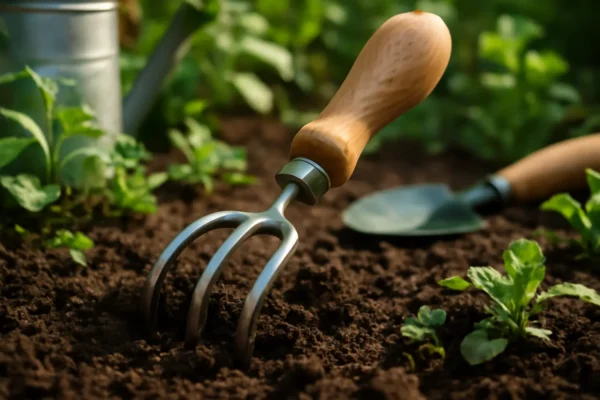
Are you ready to make your gardening easier and more enjoyable? Using a hand cultivator can save you time and effort, but only if you know the right way to handle it.
Imagine turning tough soil into a soft, healthy bed for your plants without breaking a sweat. You’ll discover simple tips that help you use your hand cultivator efficiently, so your garden thrives and you feel proud of your work. Keep reading to unlock the secrets that can transform your gardening experience!
Credit: gardenitemreviews.com
Choosing The Right Hand Cultivator
Choosing the right hand cultivator helps you work better in your garden. It saves time and effort while keeping plants safe.
Look for a tool that fits your needs and feels good in your hands. This guide will help you pick the best one.
Types Of Hand Cultivators
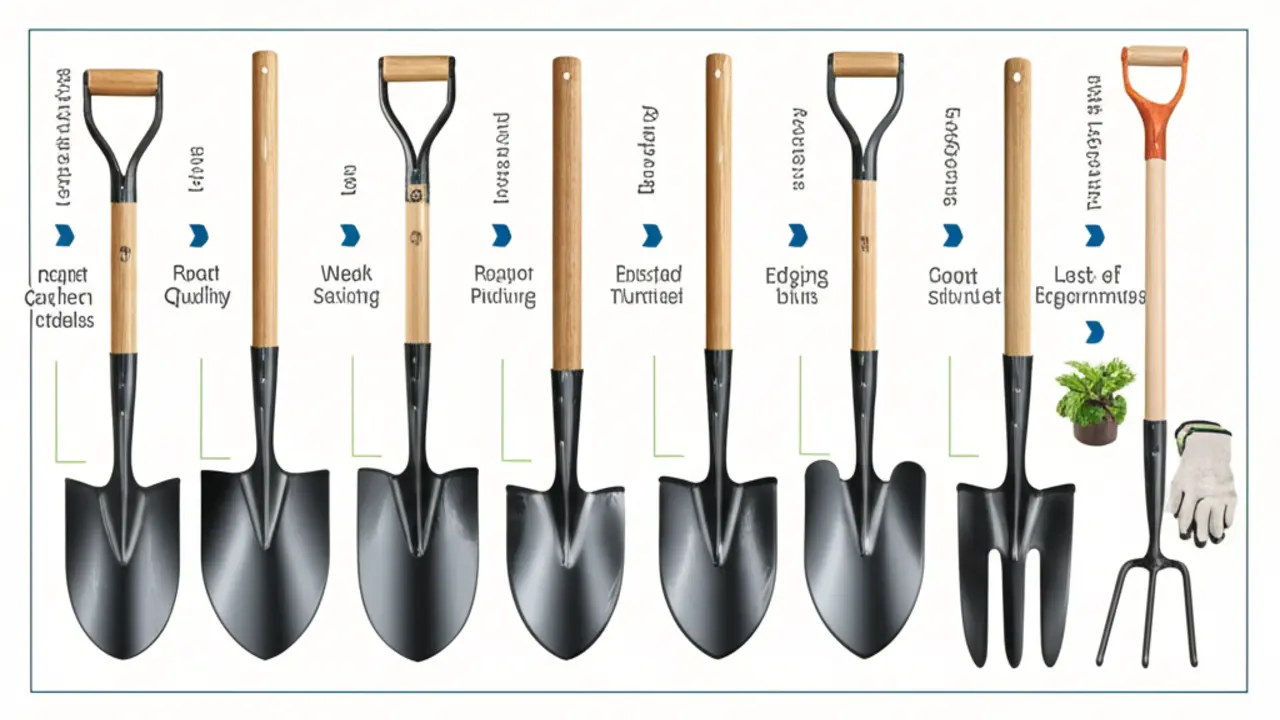
Hand cultivators come in different types. Each type is good for different soil and gardening tasks.
- Three-prong cultivators are good for breaking soil and removing weeds.
- Two-prong cultivators work well in tight spaces and small gardens.
- Hand rakes have many small tines to loosen soil and clear debris.
Material And Durability
Strong materials make a hand cultivator last longer. Look for tools made of steel or other hard metals.
Rust-resistant coatings help the tool stay sharp and clean. Avoid plastic parts that break easily.
- Stainless steel resists rust and lasts a long time.
- Carbon steel is very strong but needs drying after use.
- Aluminum is light but less durable than steel.
Handle Comfort And Grip
A comfortable handle reduces hand fatigue. Look for soft grips or wooden handles that fit your hand well.
Non-slip grips help you hold the tool securely, even when your hands are wet or dirty.
- Ergonomic handles lower strain on your wrist.
- Rubber grips prevent slipping during work.
- Wood handles feel natural but need care to avoid splinters.
Preparing Your Garden Bed
Using a hand cultivator well starts with a good garden bed. A clean and soft bed helps plants grow strong. You need to clear old plants and make the soil loose.
Preparing the bed takes time but makes planting easier. The hand cultivator is a great tool to help with this work.
Clearing Debris And Weeds
Remove dead leaves, sticks, and weeds before you start. This clears space for new plants and stops weeds from growing back fast.
- Pull out weeds by hand or with the cultivator’s prongs.
- Gather leaves and sticks into piles for composting.
- Check for roots and remove them to prevent regrowth.
- Dispose of debris away from your garden bed.
Loosening Soil For Better Aeration
Loosen the soil to help air and water reach plant roots. Use the hand cultivator to break up hard soil and mix in organic matter.
| Task | How to Do It | Benefits |
|---|---|---|
| Break up soil clumps | Use cultivator tines to dig and turn soil | Improves root growth and water absorption |
| Mix compost or fertilizer | Stir compost into topsoil evenly | Feeds plants and improves soil health |
| Level the soil surface | Use cultivator to smooth the bed | Prepares bed for planting and irrigation |
Proper Hand Cultivator Techniques
Using a hand cultivator well helps keep your garden healthy. Good techniques make your work easier and protect your plants.
Learn how to hold the tool, turn the soil, and avoid common mistakes for best results.
Correct Hand Positioning
Hold the hand cultivator with a firm grip. Use both hands if the tool has a long handle.
Keep your wrists straight to avoid strain. Position your hands so you can control the tool easily.
- Grip the handle close to the tool’s head for better control.
- Place the other hand on the upper part of the handle for support.
- Keep your wrists straight and relaxed.
- Stand with feet shoulder-width apart for balance.
Effective Soil Turning Methods
Use the hand cultivator to break up soil clumps and mix nutrients. Turn the soil gently but deeply enough.
Work in small sections to make soil loose and ready for planting.
- Insert the cultivator tines into the soil at a 45-degree angle.
- Push the tool forward to loosen the soil.
- Lift and turn the soil to bring fresh soil up.
- Repeat until the entire area is crumbly and soft.
Avoiding Over-tilling
Do not till the soil too much. Over-tilling can harm soil structure and plants.
Stop tilling once the soil is loose and ready. Avoid working the same area many times.
- Check soil moisture; avoid tilling when soil is very wet.
- Limit tilling to once or twice per season in one spot.
- Watch for compacted areas and only loosen as needed.
- Leave some soil layers intact to protect beneficial organisms.

Credit: www.gardenweasel.com
Maintaining Your Hand Cultivator
Taking care of your hand cultivator helps it work better and last longer. Regular maintenance keeps it sharp and clean.
Good upkeep saves time and effort in your gardening tasks. Here are simple tips to maintain your tool well.
Cleaning After Use
Clean your hand cultivator after every use. Dirt and plant debris can cause damage if left on the tool.
Use water and a brush to remove soil. Dry the cultivator completely to stop rust from forming.
Sharpening And Rust Prevention
Keep the tines sharp for easier digging and better soil aeration. Use a file or sharpening stone carefully.
Apply a thin layer of oil to metal parts to prevent rust. Wipe off excess oil to avoid dirt buildup.
- Sharpen tines regularly
- Use protective gloves during sharpening
- Apply machine oil or vegetable oil
- Check for rust spots and clean them immediately
Storage Tips
Store your hand cultivator in a dry place to keep it safe. Avoid leaving it outside where moisture can cause damage.
Hang the tool or place it on a rack to keep the tines from bending. Cover it with a cloth if needed.
- Choose a dry storage area
- Hang the cultivator on a wall hook
- Keep it away from heavy items
- Cover with a cloth or tool cover
Maximizing Efficiency With Time-saving Hacks
Using a hand cultivator can save you time and effort in your garden. Simple tips help you work faster and keep your soil healthy.
These hacks focus on smart gardening choices that reduce the need for constant cultivation. You will learn how to work smarter, not harder.
Using Mulch To Reduce Cultivating Frequency
Applying mulch around your plants helps keep weeds down. Mulch also keeps moisture in the soil, so you water less often.
Less weed growth means you use your hand cultivator less, saving time and energy. Mulch also protects soil from drying out.
Combining Tasks For Better Results
- Use your hand cultivator to loosen soil and remove weeds at the same time.
- Gather weeds and debris while you work to keep the area clean.
- Check plant health as you cultivate to spot problems early.
- Water plants right after cultivating to help soil absorb moisture.
Doing several tasks together saves time and makes your gardening more effective. Plan your work to cover more in less time.
Gardening Schedule Tips
| Time | Activity |
| Early Morning | Water plants and check soil moisture |
| Late Morning | Use hand cultivator to loosen soil and remove weeds |
| Afternoon | Apply mulch to garden beds |
| Weekly | Inspect plants for pests or diseases |
| Monthly | Plan crop rotation and soil amendments |
Follow a regular schedule to keep your garden healthy. Consistent care reduces the work needed each time.
Credit: gardenitemreviews.com
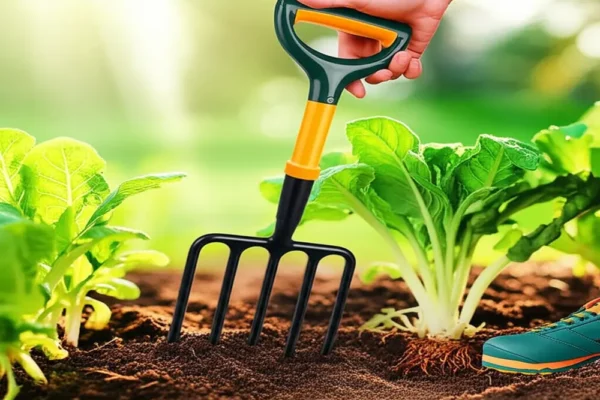
Safety Tips For Hand Cultivator Use
Using a hand cultivator can make gardening easier and more effective. Safety is very important to avoid accidents and injuries.
Follow simple safety tips to protect yourself and work efficiently with your hand cultivator.
Protective Gear Recommendations
Wearing the right protective gear helps prevent injuries while using a hand cultivator. Gloves protect your hands from cuts and blisters. Sturdy shoes keep your feet safe from sharp tools or rocks.
- Wear thick gardening gloves to protect hands
- Use closed-toe shoes with good grip
- Wear long sleeves to protect your arms
- Consider safety glasses to protect eyes from debris
Preventing Strain And Injury
Using the hand cultivator correctly reduces muscle strain and injury. Take breaks often and use smooth, steady motions. Avoid twisting your back or wrists too much.
| Tip | How It Helps |
| Keep your back straight | Prevents back pain and strain |
| Use your legs to bend | Reduces pressure on your lower back |
| Take frequent breaks | Stops muscle fatigue |
| Use both hands evenly | Balances muscle use and prevents injury |
Frequently Asked Questions
How Do You Use A Hand Cultivator Effectively?
To use a hand cultivator effectively, grip it firmly and gently rake the soil. Focus on breaking up compacted soil and removing weeds. Use short, controlled movements for precision. Regularly clean the tool to maintain efficiency. Always ensure the soil is moist, not wet, to avoid damage.
What Are The Benefits Of A Hand Cultivator?
A hand cultivator is lightweight, making it easy to maneuver in tight spaces. It effectively loosens soil and removes weeds without disturbing plants. This tool is affordable and requires minimal maintenance. It’s perfect for small gardens and provides excellent control over soil preparation.
How Often Should You Clean A Hand Cultivator?
It’s best to clean your hand cultivator after each use. Remove soil and debris with a brush. Rinse with water and dry thoroughly to prevent rust. Regular cleaning maintains the tool’s efficiency and prolongs its lifespan, ensuring optimal performance during each gardening session.
Can A Hand Cultivator Remove Weeds?
Yes, a hand cultivator is effective for removing weeds. Its sharp tines can uproot weeds without disturbing nearby plants. Use short, controlled movements to target the roots. Regular weeding with a hand cultivator prevents weeds from spreading, keeping your garden healthy and tidy.
Conclusion
Using a hand cultivator well saves time and effort in the garden. Keep the tool clean and sharp for best results. Work in small sections to avoid tiring quickly. Adjust your grip and posture to stay comfortable. Regularly check soil moisture to know when to cultivate.
These simple tips help your plants grow strong and healthy. Enjoy gardening with less strain and better results every day. Small habits make a big difference in your garden’s success.